
.jpg&w=3840&q=75&dpl=dpl_BopNME9LWLsJnQ9XffUX3zkS7Twj)
NY Fire Tower Challenge
New York, United States

About this quest
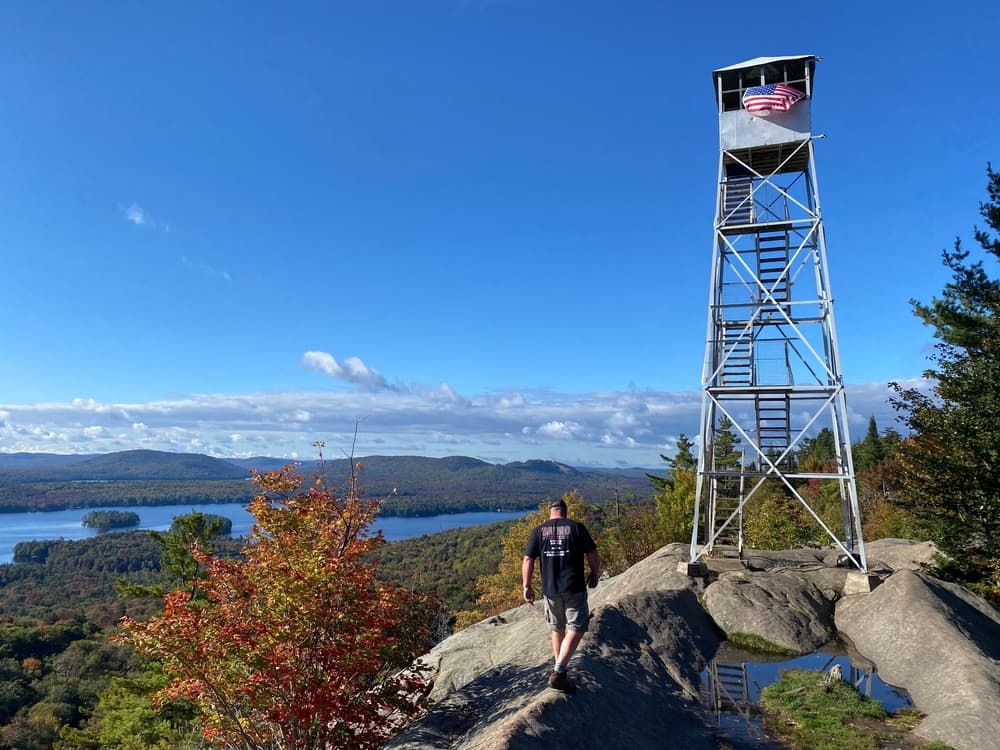
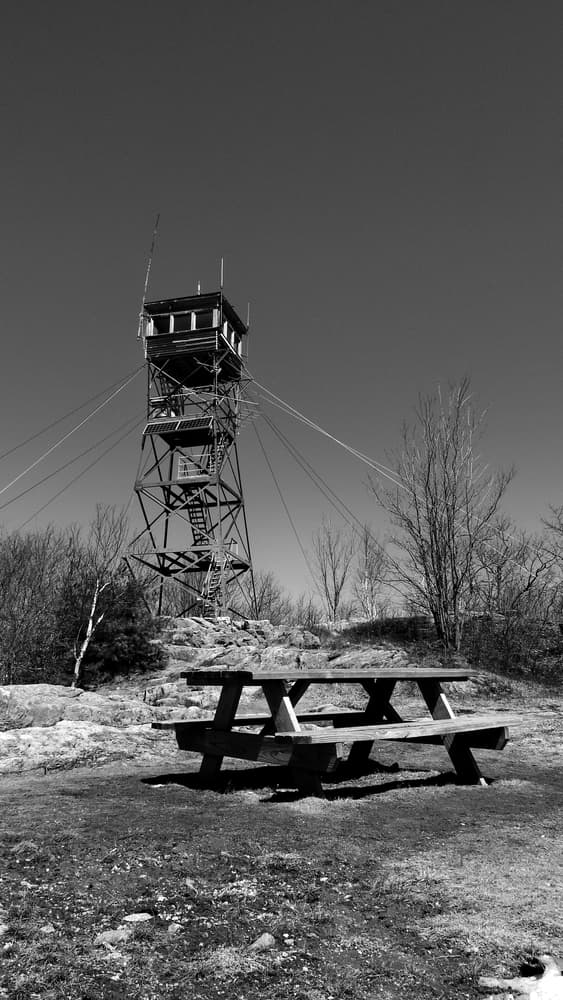
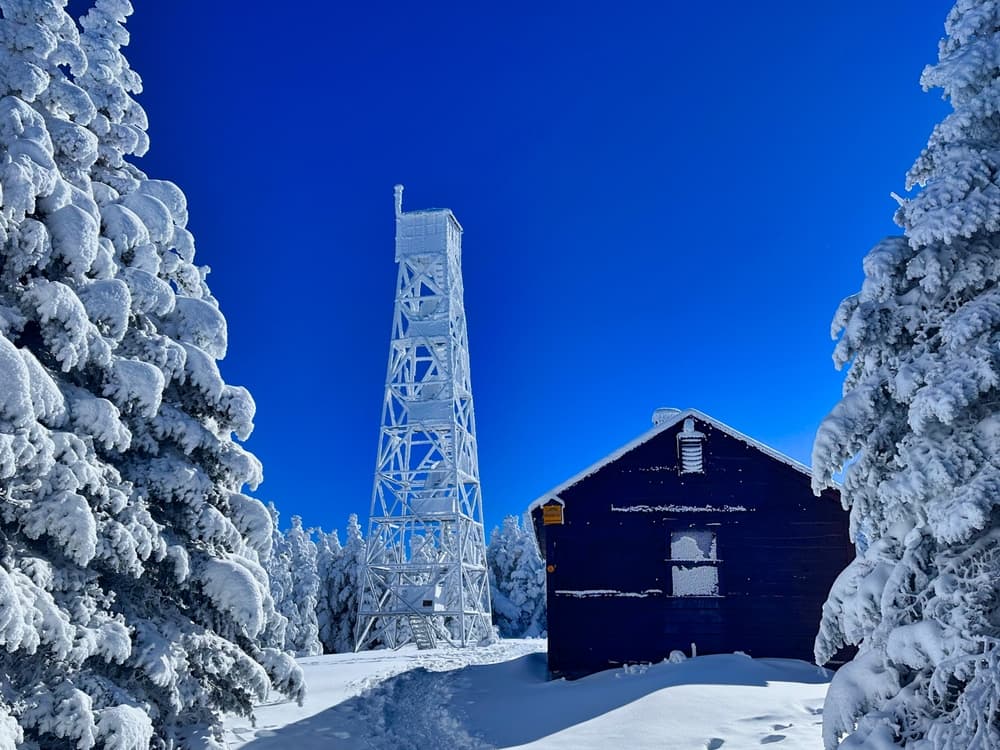
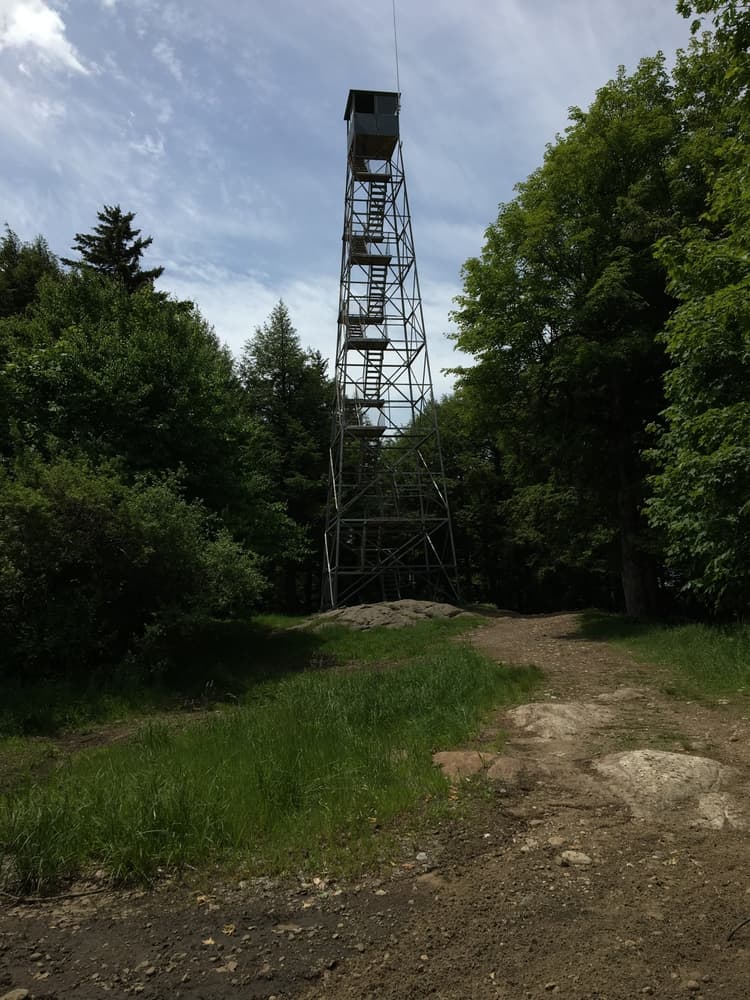
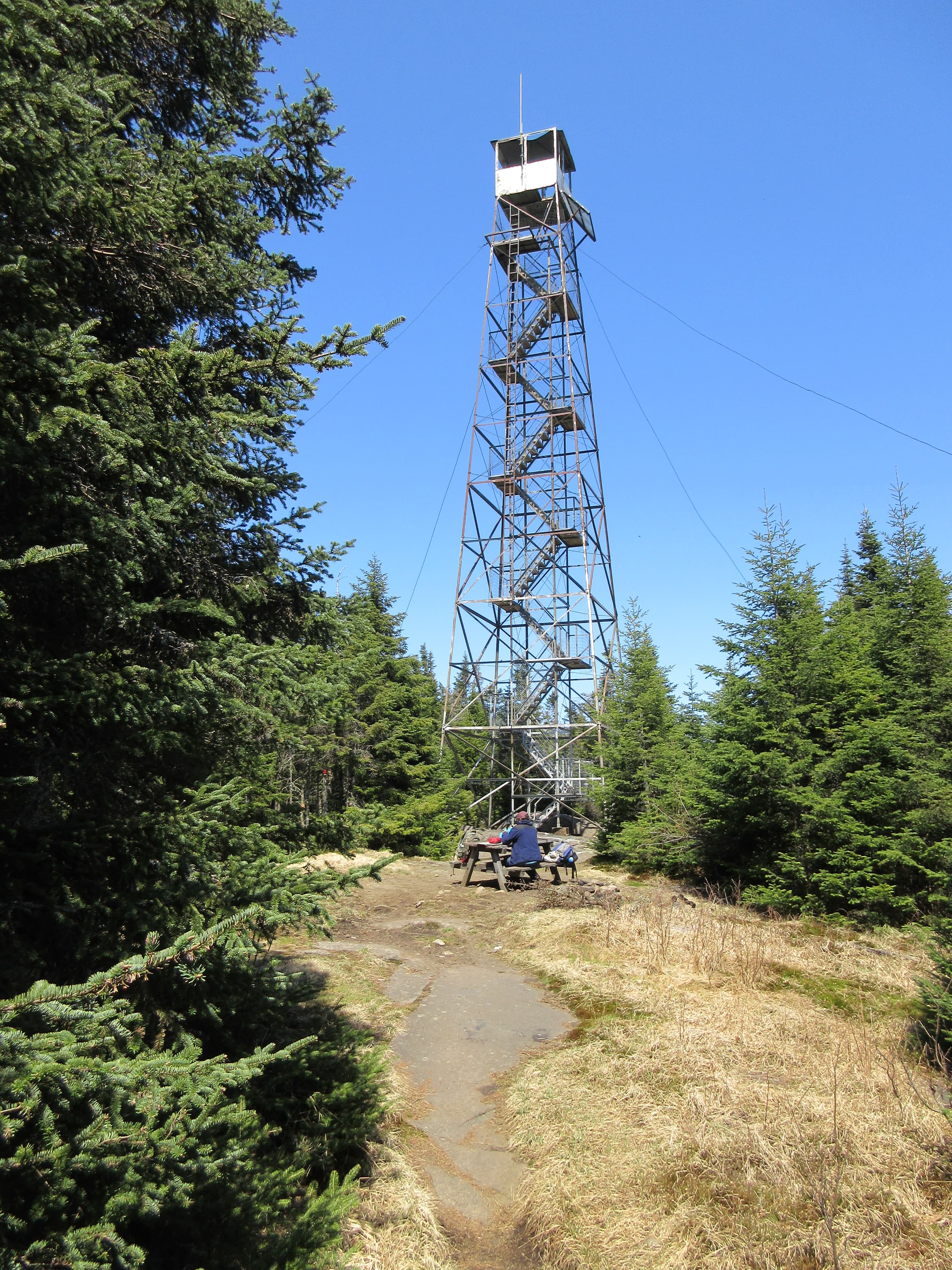
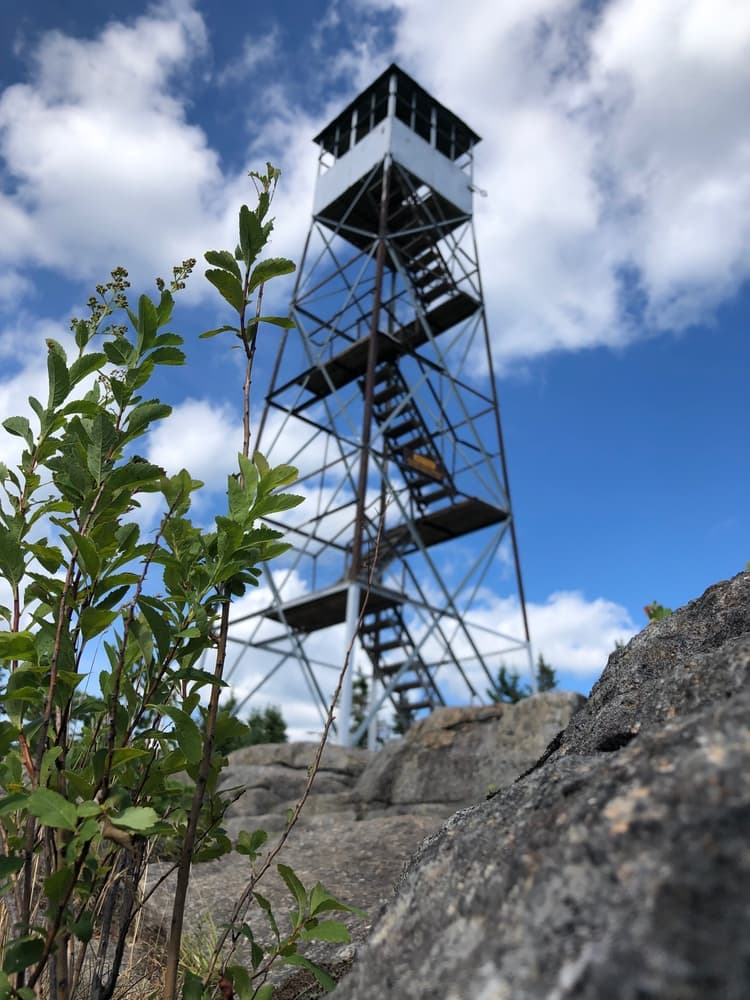
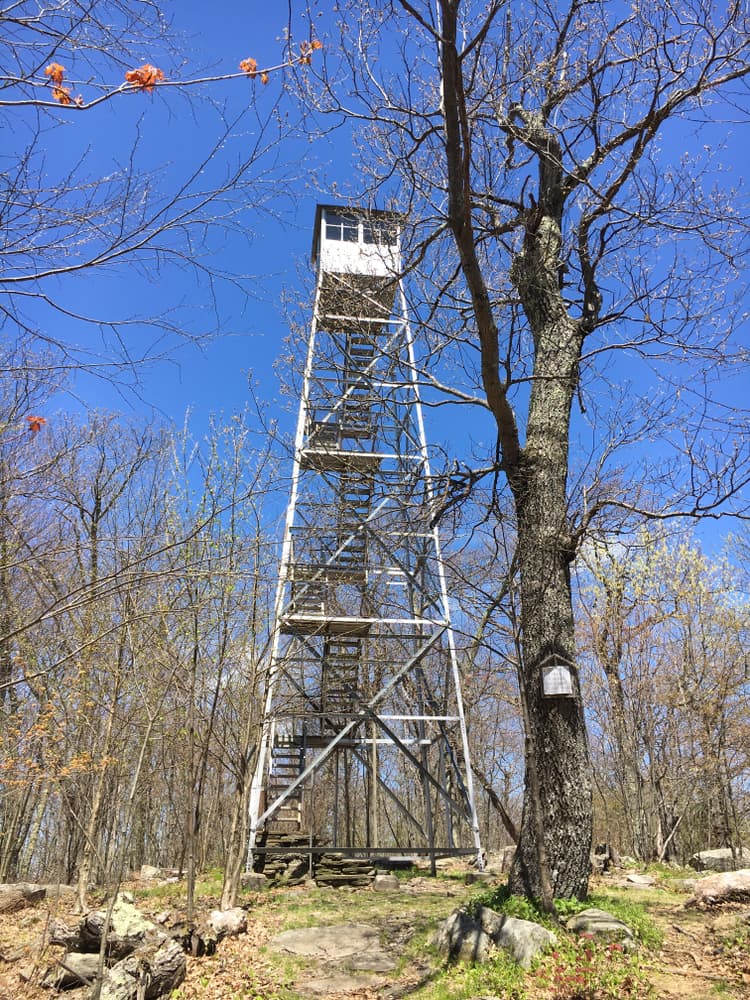
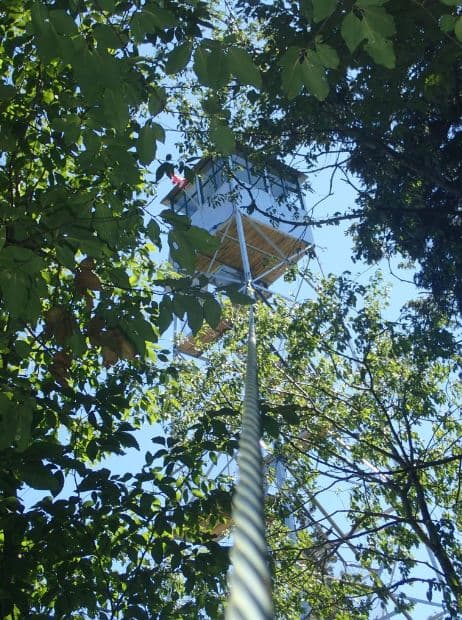
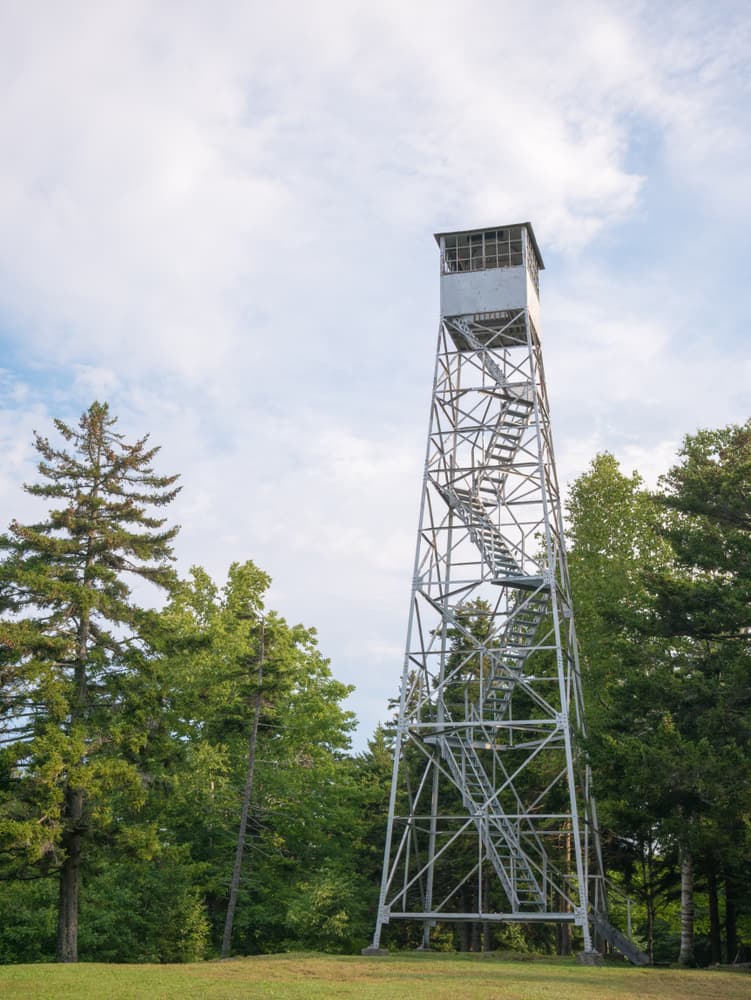
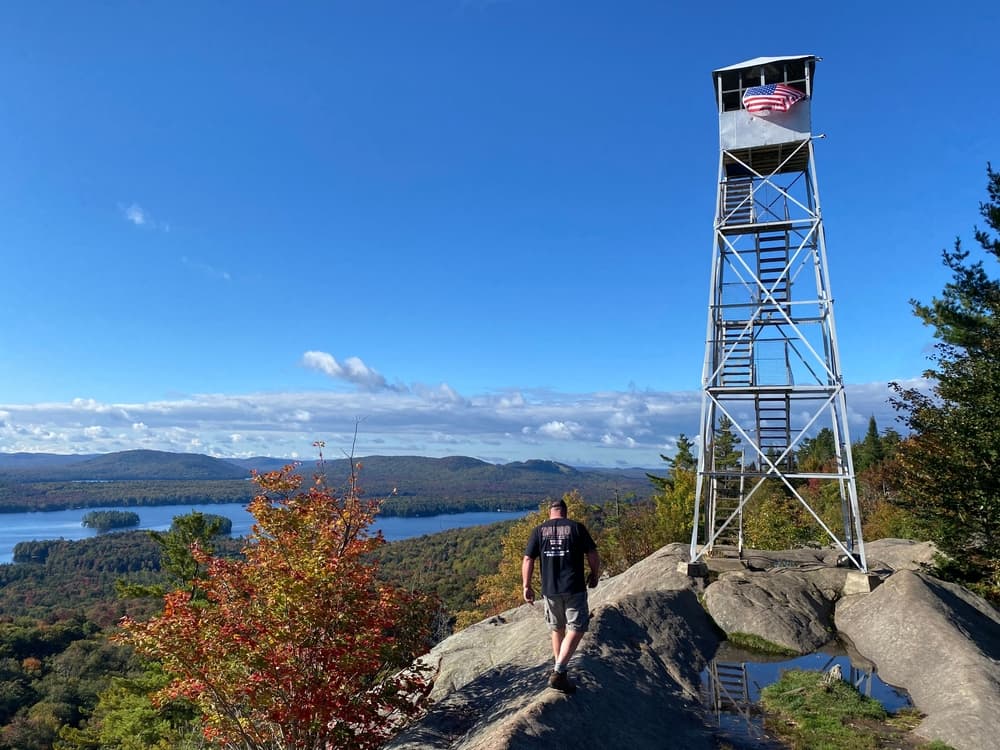
Since 2001, ADK has offered the Fire Tower Challenge, inviting outdoor enthusiasts to summit 23 historic fire towers across the Adirondack and Catskill Parks. Choose 18 of 27 Adirondack towers plus all 5 in the Catskills. Maintaining detailed ascent logs and stewardship actions earns you the official patch—and in winter, a rocker added to your patch if completed between December 21 and March 21 (tower-climbing by cab is discouraged then). The challenge builds community, encourages exploration of public lands, and inspires stewardship.
Quick facts
- peaks
- 32located
- shape
- collection
- total distance
- 50 miles
- best season
- Anytime
- avg completion
- 1-12 months
Loading your progress…
Map and places
Choose a place. Visit in any order.
Journey overview
8 of 32 places. Open the full itinerary to explore any place.
- PlaceAdirondack or Catskill Mountains
.jpg)
Part of the ADK Fire Tower Challenge, this trail ascends to the summit of Arab Mountain, offering classic forested paths and an open fire tower structure for expansive vistas. Popular among hikers pursuing all 33 towers.
- PlaceAdirondack or Catskill Mountains

Part of the ADK Fire Tower Challenge, this trail ascends to the summit of Woodhull Mountain, offering classic forested paths and an open fire tower structure for expansive vistas. Popular among hikers pursuing all 33 towers.
- PlaceAdirondack or Catskill Mountains
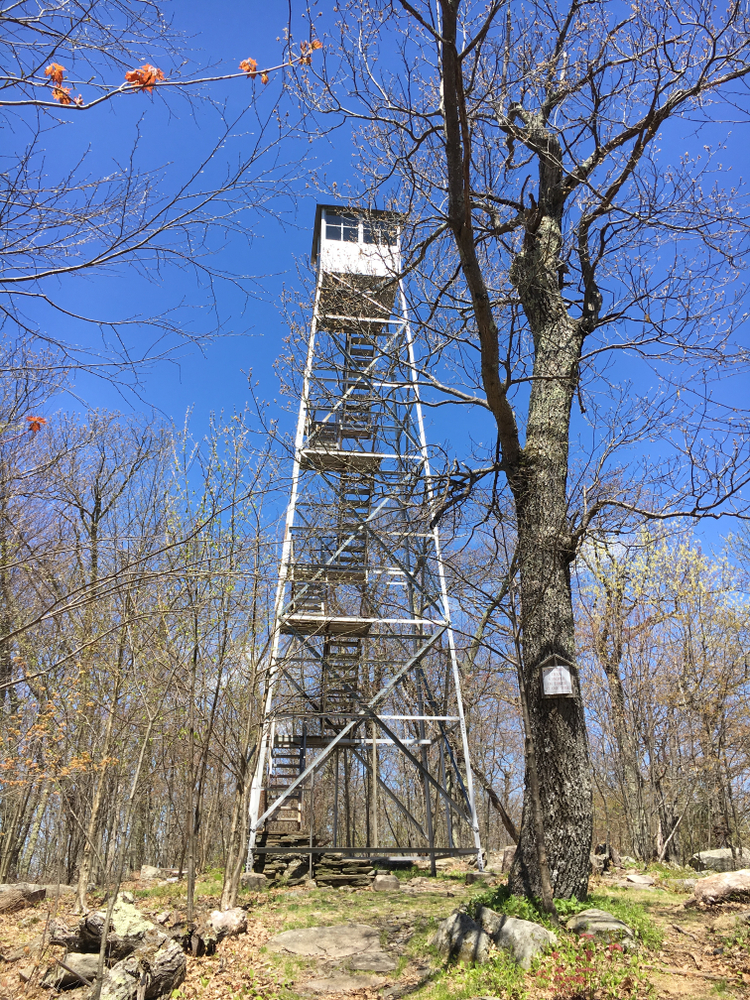
Part of the ADK Fire Tower Challenge, this trail ascends to the summit of Tremper Mountain, offering classic forested paths and an open fire tower structure for expansive vistas. Popular among hikers pursuing all 33 towers.
- PlaceAdirondack or Catskill Mountains
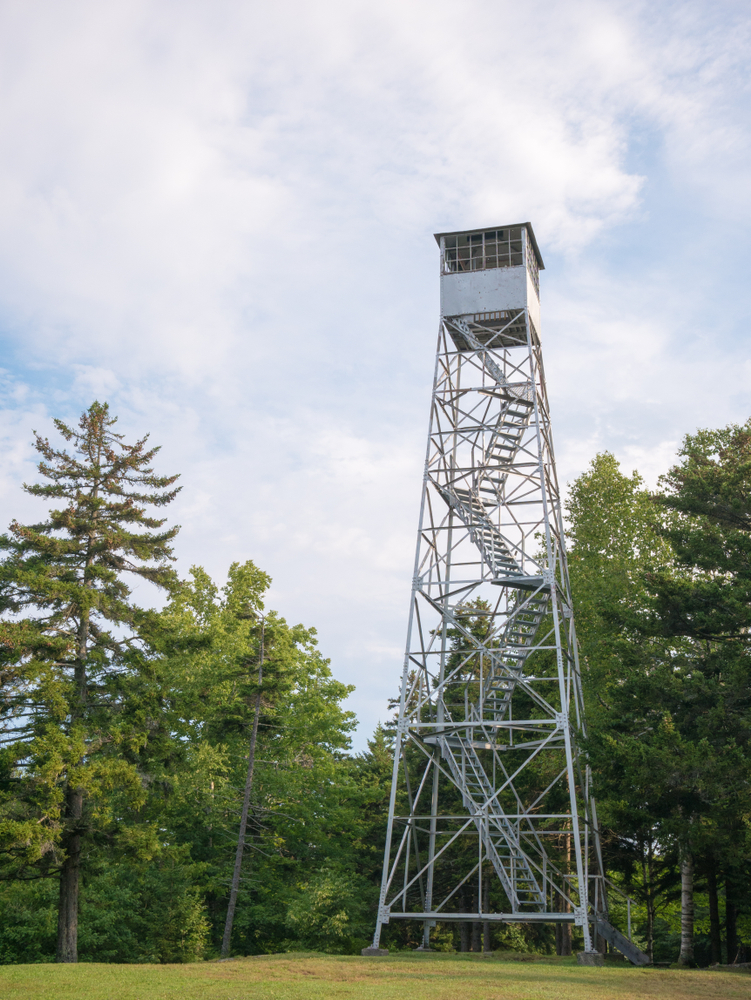
Part of the ADK Fire Tower Challenge, this trail ascends to the summit of Lyon Mountain, offering classic forested paths and an open fire tower structure for expansive vistas. Popular among hikers pursuing all 33 towers.
- PlaceAdirondack or Catskill Mountains
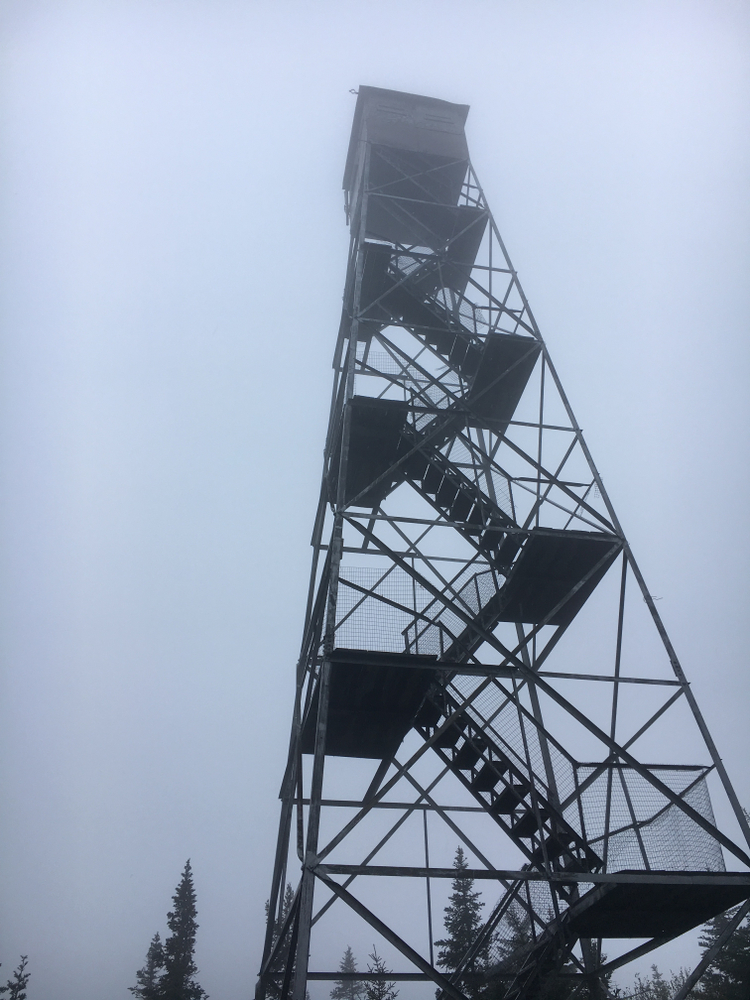
Part of the ADK Fire Tower Challenge, this trail ascends to the summit of Pillsbury Mountain, offering classic forested paths and an open fire tower structure for expansive vistas. Popular among hikers pursuing all 33 towers.
- PlaceAdirondack or Catskill Mountains
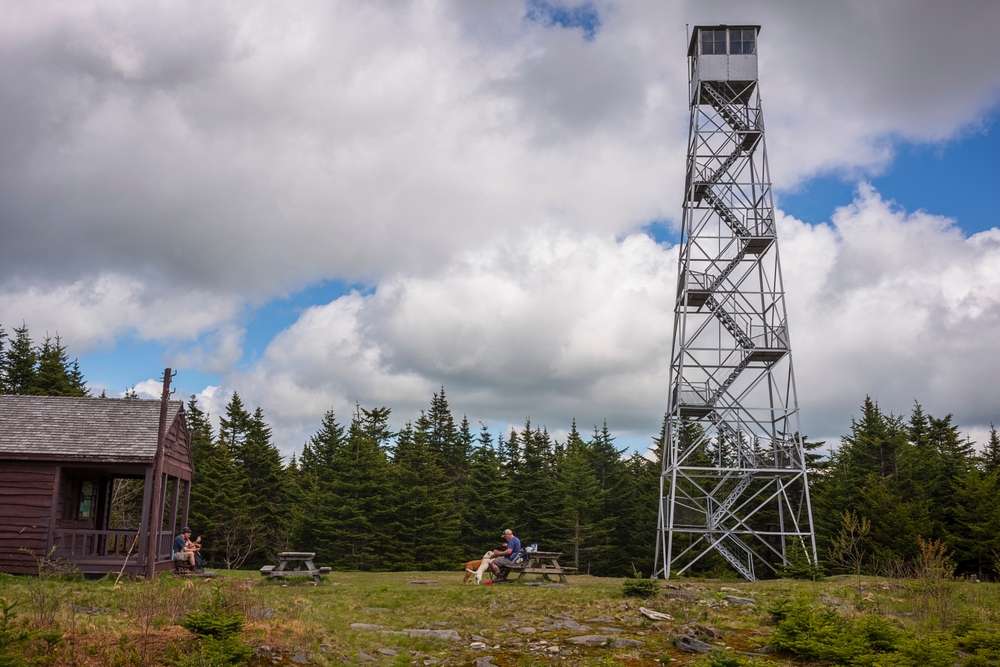
Part of the ADK Fire Tower Challenge, this trail ascends to the summit of Hunter Mountain, offering classic forested paths and an open fire tower structure for expansive vistas. Popular among hikers pursuing all 33 towers.
- PlaceAdirondack or Catskill Mountains
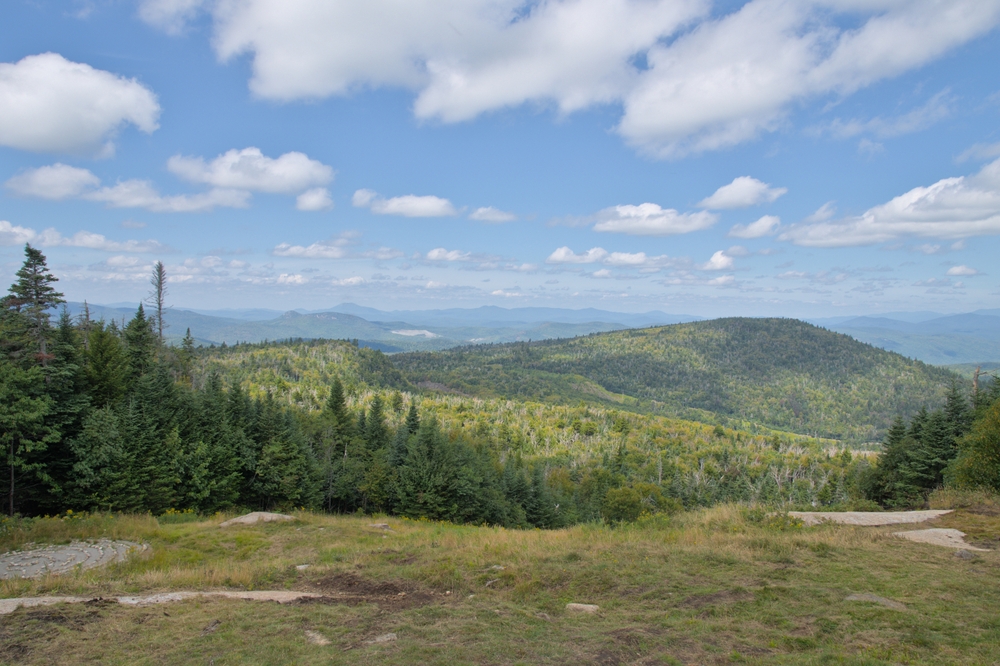
Part of the ADK Fire Tower Challenge, this trail ascends to the summit of Gore Mountain, offering classic forested paths and an open fire tower structure for expansive vistas. Popular among hikers pursuing all 33 towers.
- PlaceAdirondack or Catskill Mountains
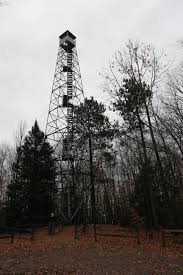
Part of the ADK Fire Tower Challenge, this trail ascends to the summit of Belfry Mountain, offering classic forested paths and an open fire tower structure for expansive vistas. Popular among hikers pursuing all 33 towers.
You can explore the itinerary while it loads.
Pins show individual places; there is no route between them. Select a pin to read its place in the itinerary.
Overview
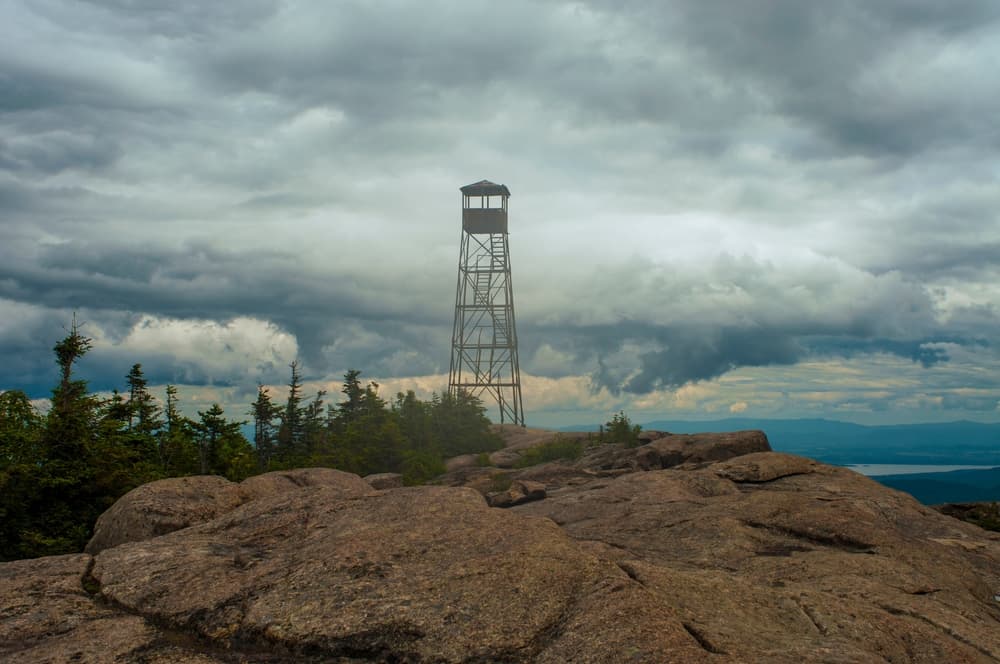
The New York Fire Tower Challenge stands as one of the Northeast's most rewarding long-distance hiking adventures, offering outdoor enthusiasts an unforgettable journey through the diverse landscapes of New York's Adirondack and Catskill Parks. This challenge embodies adventure, stewardship, and community, inviting hikers to summit 23 historic fire towers that once served as crucial forest fire detection points across the state's most pristine wilderness areas. The challenge attracts hundreds of dedicated hikers annually who seek to experience dramatic mountain vistas, rich forest ecosystems, and the historical significance of these restored architectural landmarks that define New York's outdoor heritage.
Statistics and Elevation Profile
Total Towers: 27 Adirondack towers (choose 18) + 5 Catskill towers (all required) Highest Tower: Hunter Mountain at 4,040 feet elevation - the highest fire tower in New York State Lowest Tower: Various towers starting around 1,200 feet elevation The complete Fire Tower Challenge requires summiting 23 fire tower peaks: at least 18 of 27 qualifying Adirondack Park summits plus all 5 Catskill Park summits, creating a substantial multi-season undertaking for dedicated hikers. Individual hikes range from easy 2-mile round trips to challenging 14-mile adventures, with elevation gains varying from 500 to over 2,000 feet per summit. Some challenging routes like the 9.4-mile round trip difficult hike along the Schaefer Trail require full-day commitments, while others can be completed in 2-3 hours. The diversity of difficulty levels makes this challenge accessible to hikers of various experience levels while still providing substantial rewards for seasoned adventurers.
Highlights and Landmarks
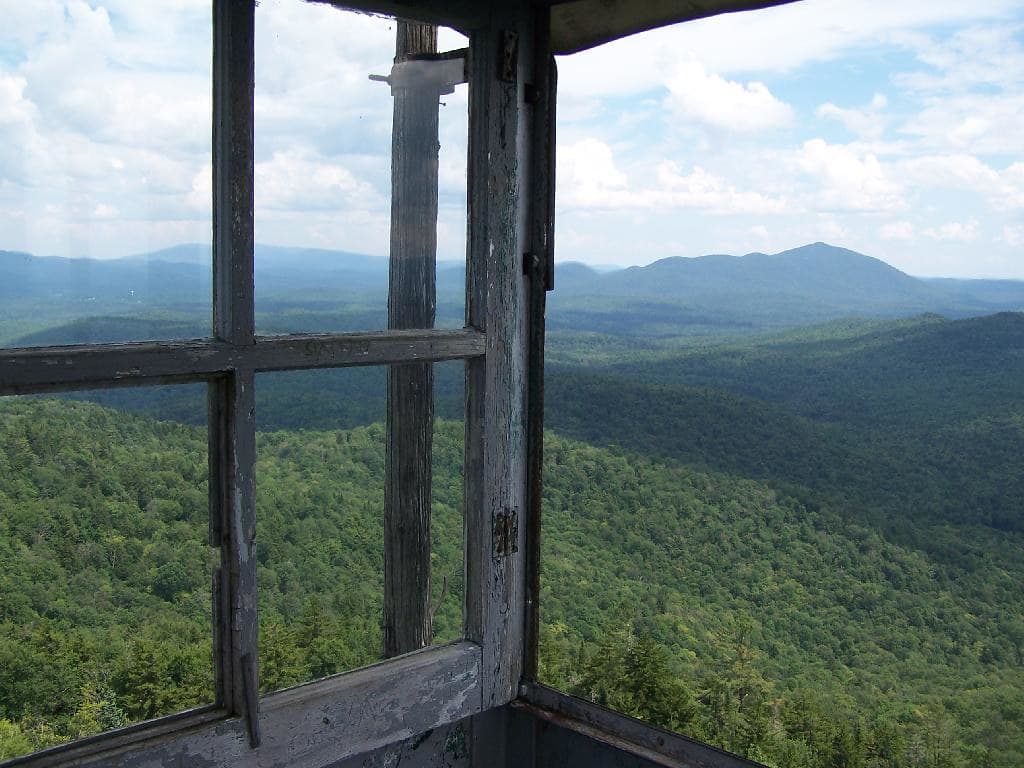
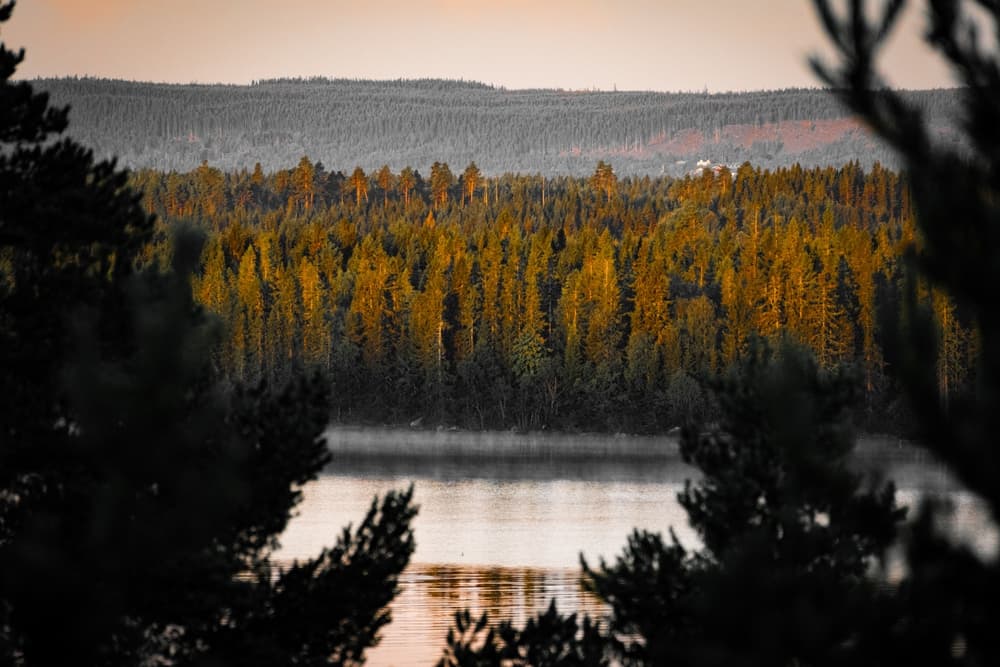
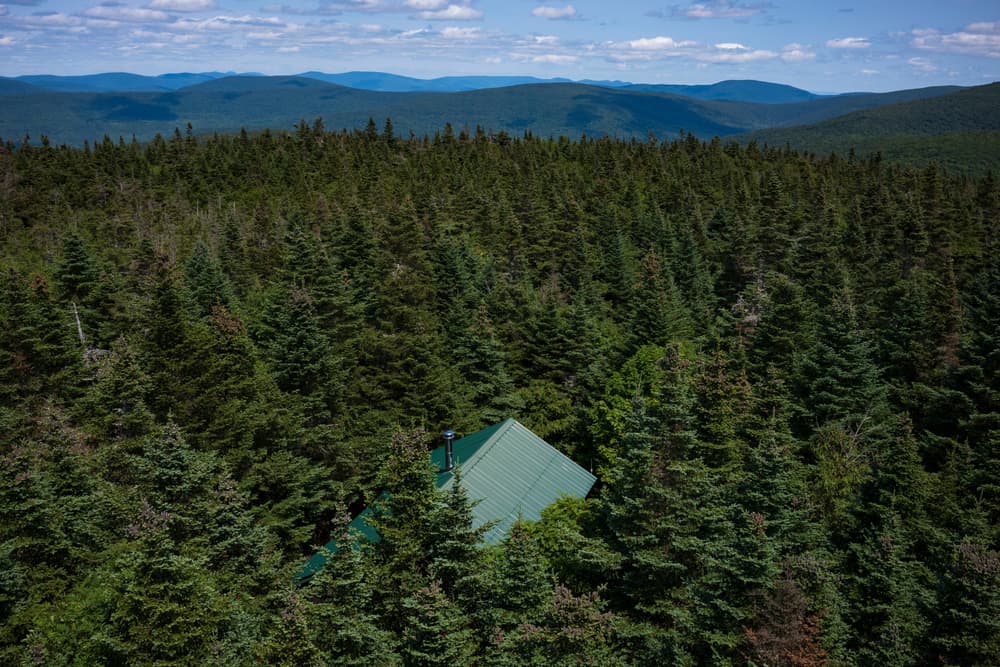
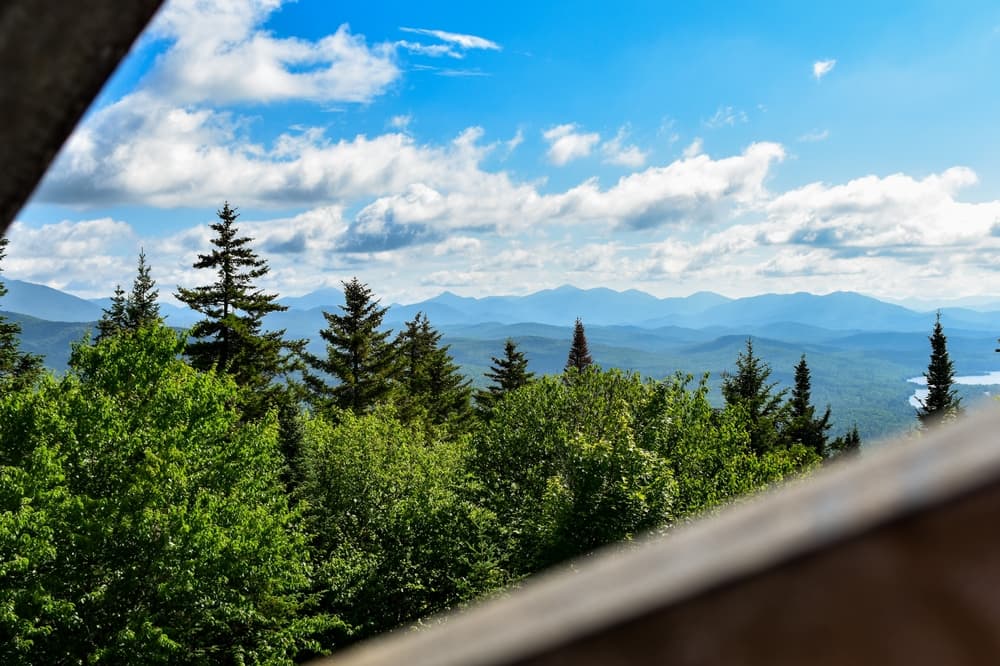
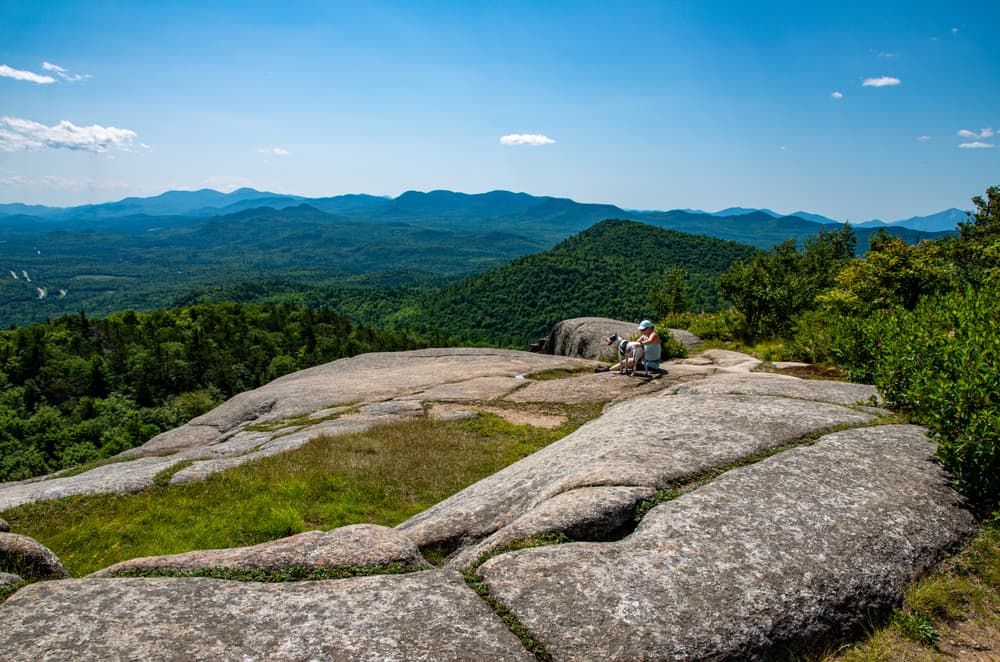
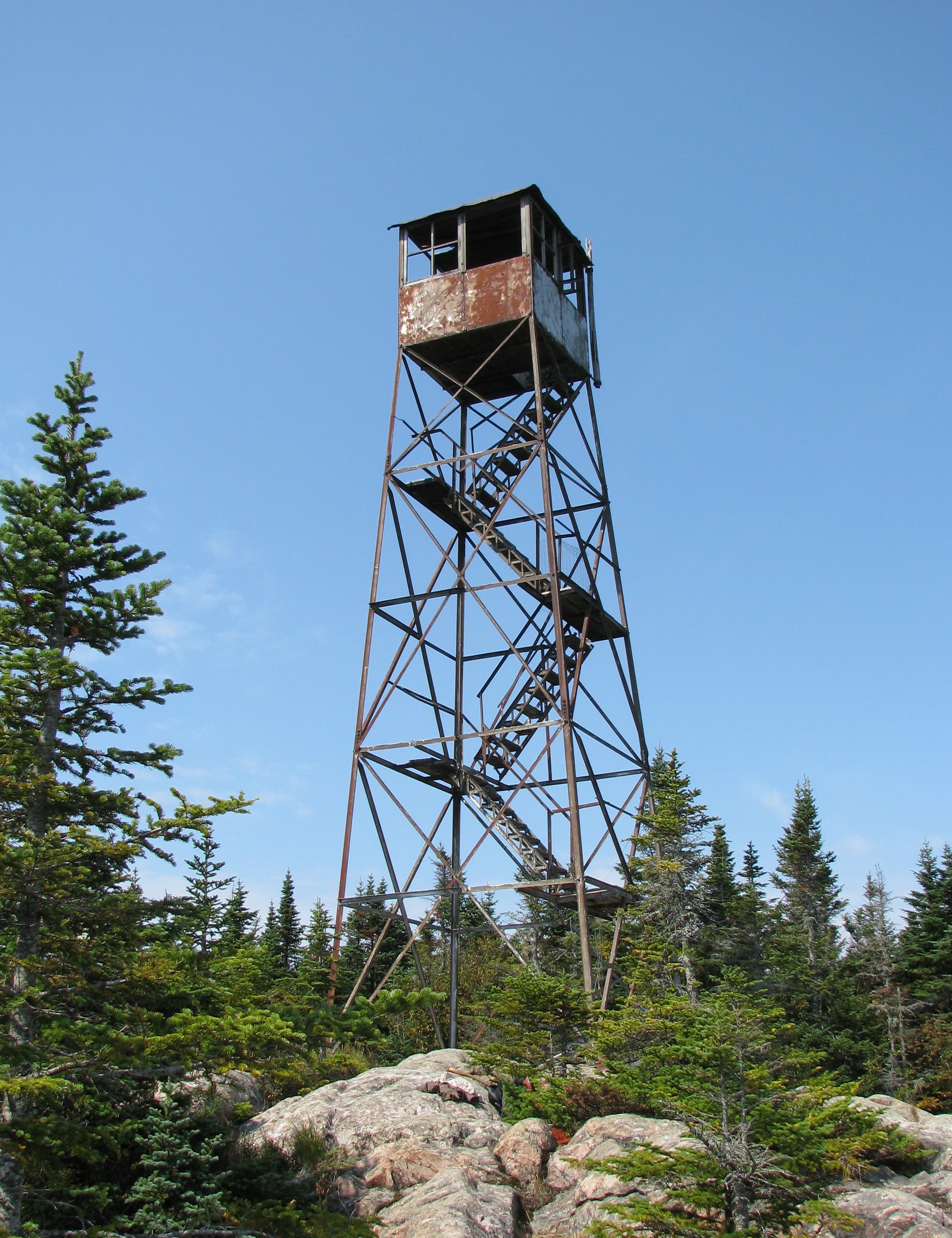
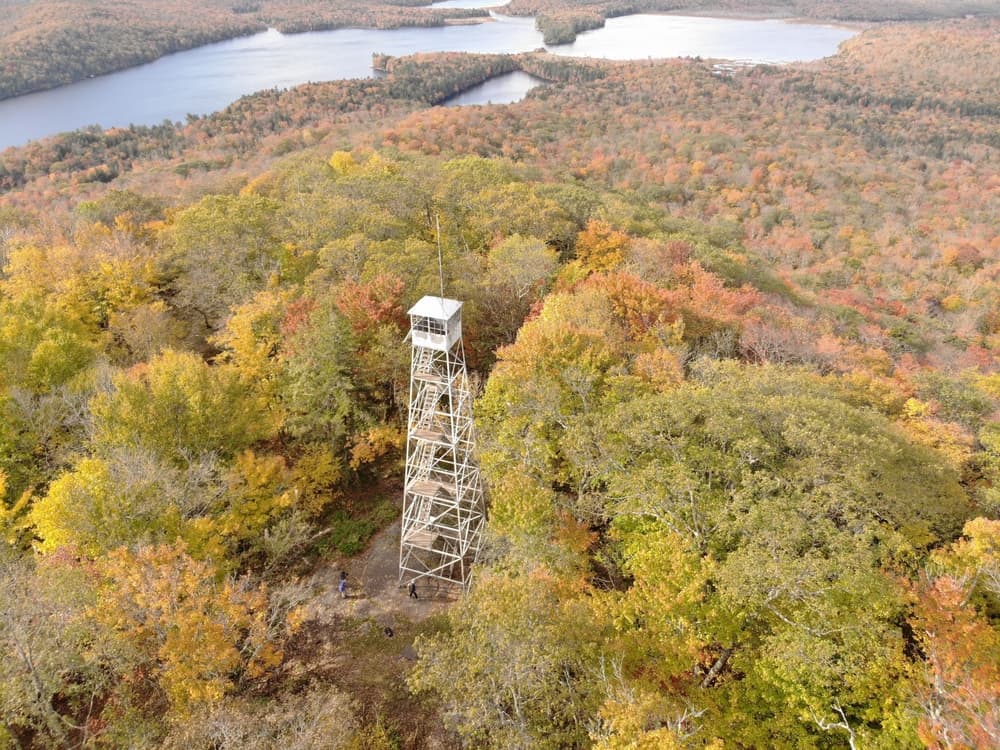
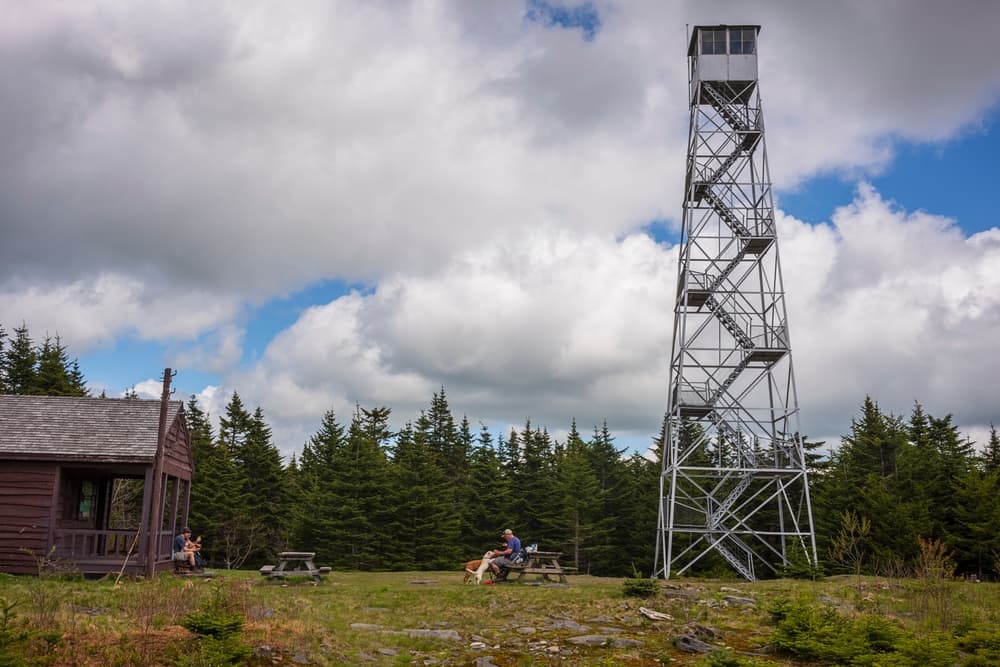
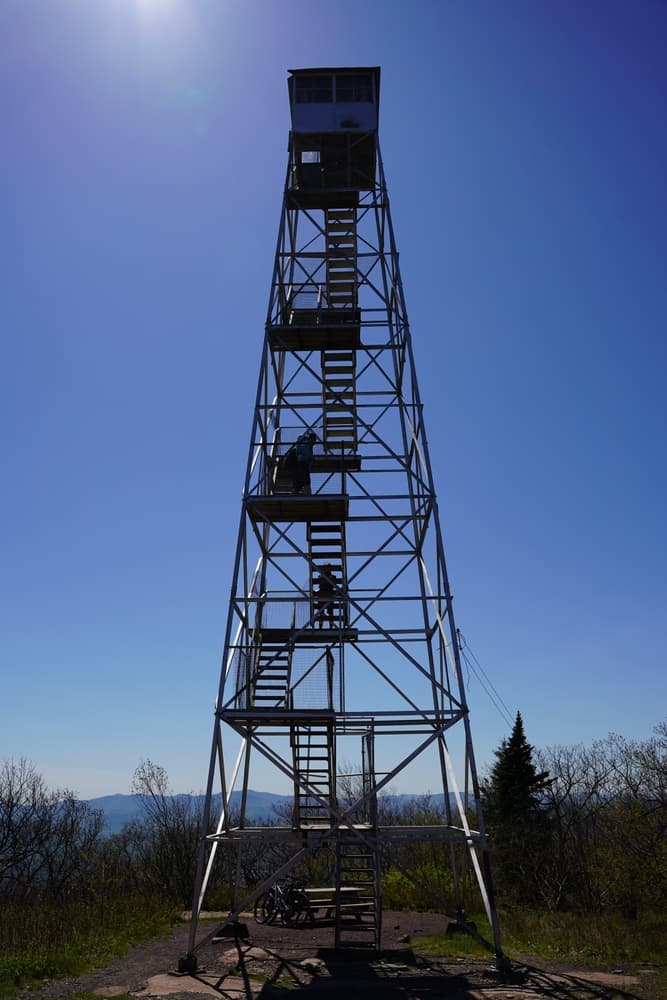
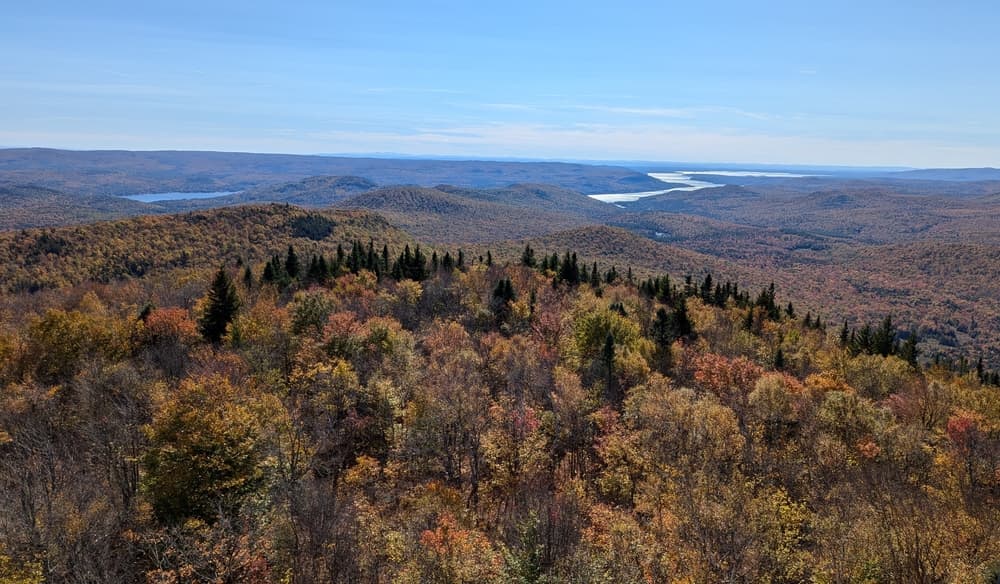
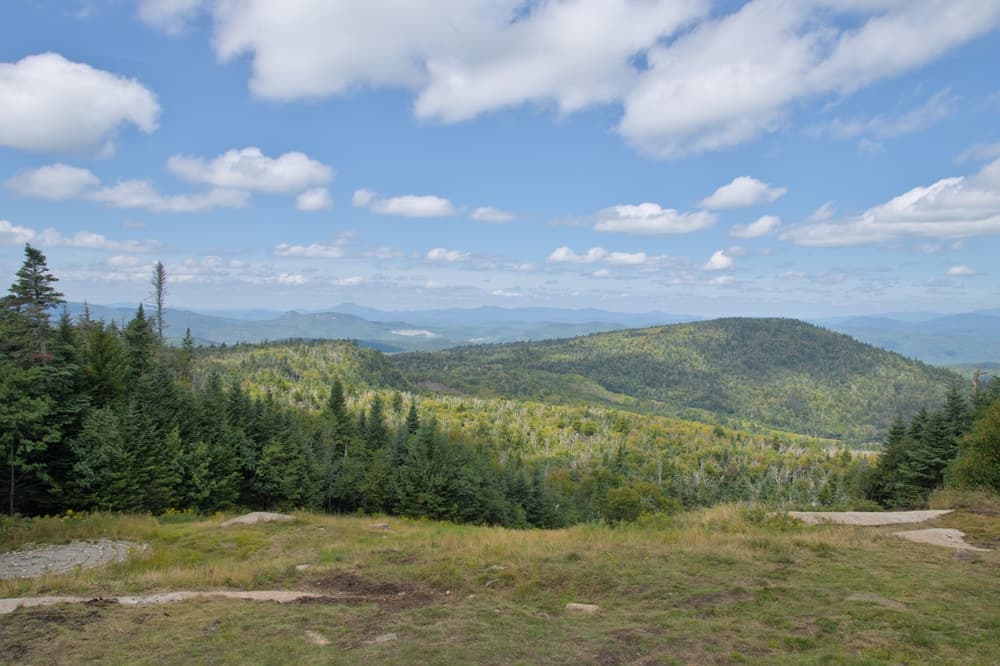
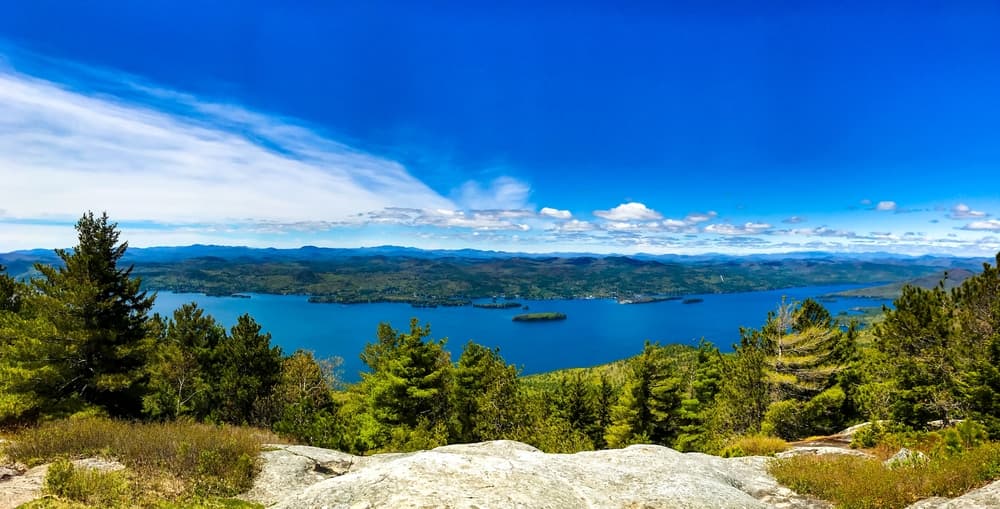
The Fire Tower Challenge showcases New York's most spectacular and diverse mountain landscapes across two distinct regions. Adirondack towers offer dramatic views of pristine wilderness, glacial lakes, and the High Peaks region, while Catskill towers provide sweeping vistas of the Hudson River Valley, agricultural landscapes, and distant mountain ranges extending into five states. Historic fire towers themselves represent remarkable engineering achievements, with many restored steel and wooden structures dating from the early 1900s providing 360-degree panoramic views impossible to achieve from ground level. Notable towers include Azure Mountain with views of northern boreal forests, St. Regis at 2,874 feet elevation, and Mount Utsayantha offering expansive valley perspectives.
Culture and History
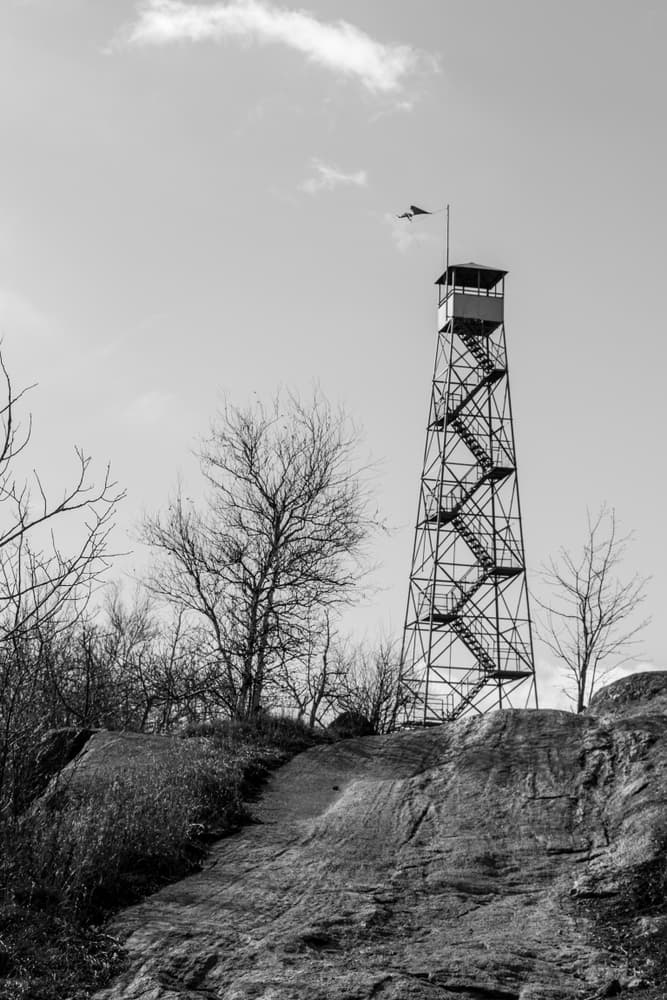
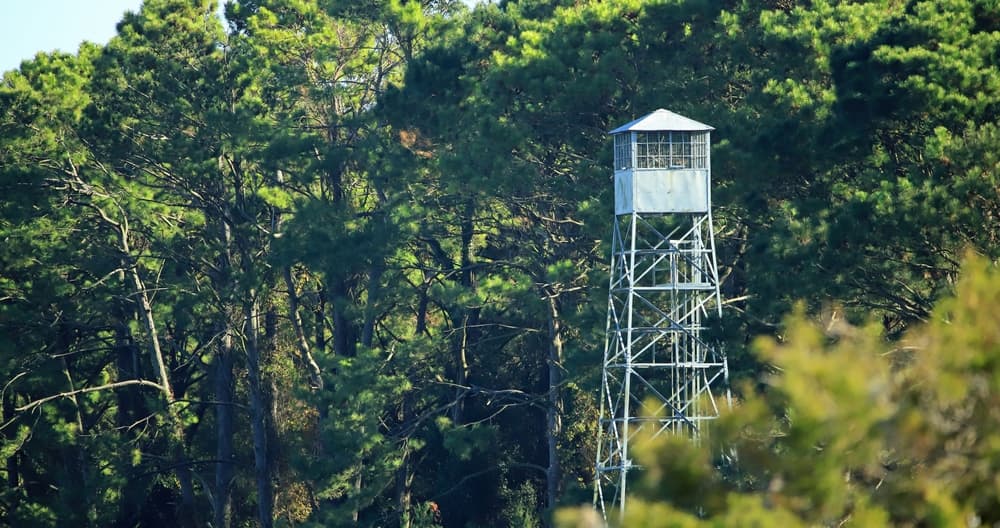
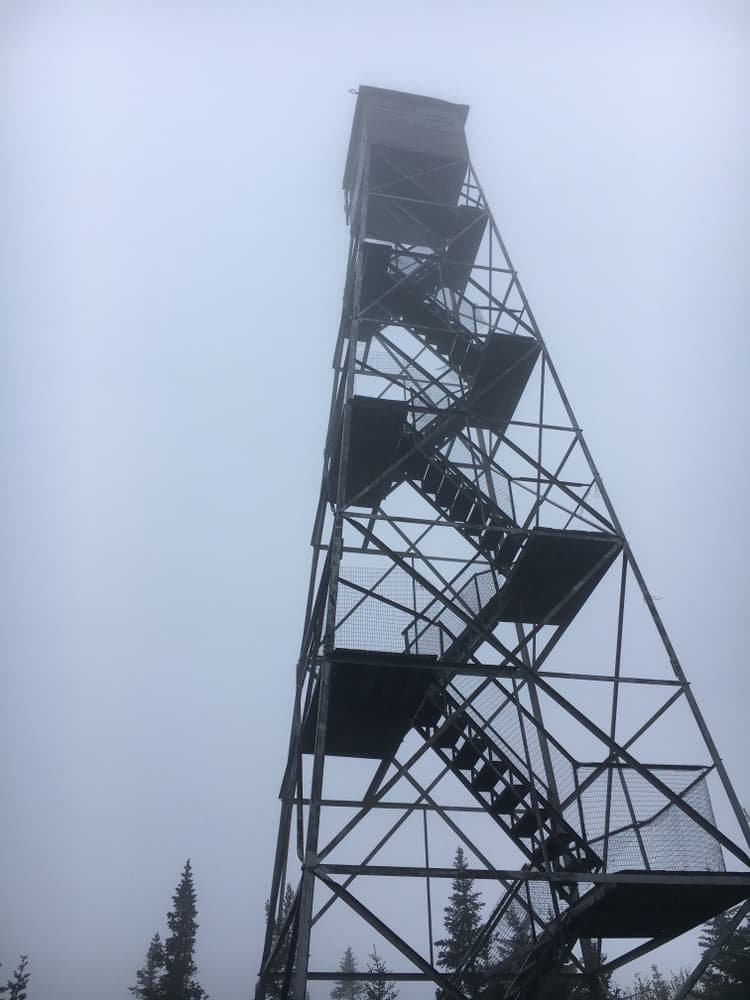
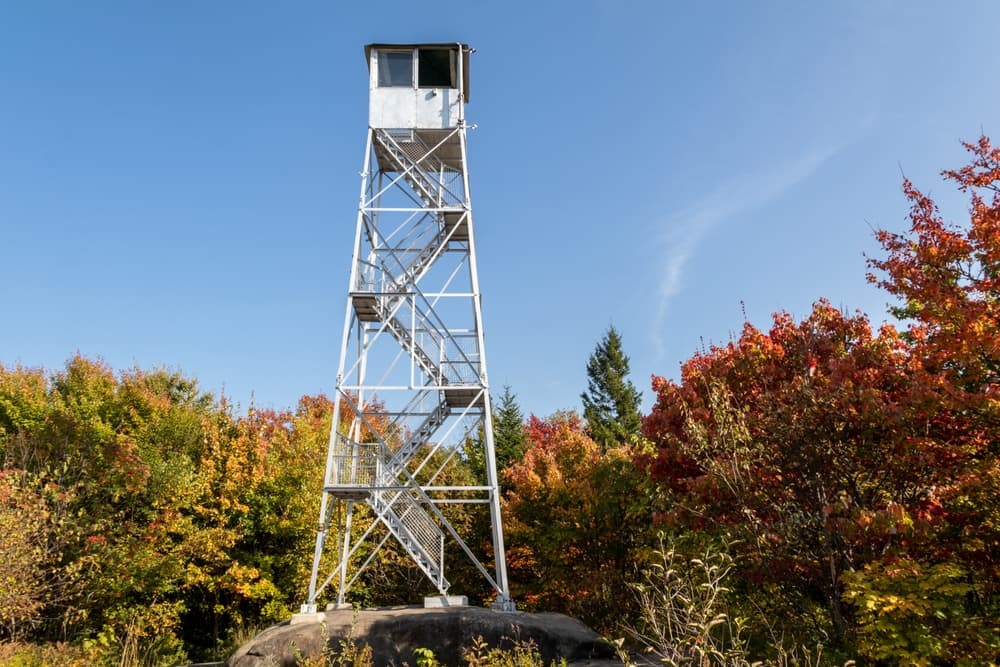
The Fire Tower Challenge connects hikers with over a century of forest conservation history in New York State. These towers served as the primary forest fire detection system from the early 1900s through the 1970s, when airplane patrols and satellite technology replaced human observers. Fire tower observers, often living in remote locations for months at a time, played essential roles in protecting millions of acres of public and private forestland. The restoration and maintenance of these towers represents one of America's most successful volunteer conservation efforts, with organizations like the Adirondack Mountain Club, Forest Fire Lookout Association, and local hiking clubs dedicating thousands of hours to preserve these historical landmarks. This grassroots stewardship demonstrates how outdoor recreation and conservation work together to protect natural resources for future generations.
Geology
The Fire Tower Challenge traverses two geologically distinct regions that tell the story of ancient mountain-building processes and glacial activity across New York State. The Adirondack Mountains represent some of North America's oldest exposed rocks, with billion-year-old granite and gneiss formations that form the core of this dome-shaped uplift. These ancient foundations create the dramatic peaks and deep valleys visible from Adirondack fire towers. The Catskill Mountains formed through entirely different processes, consisting primarily of sedimentary rocks deposited in ancient deltas and shallow seas during the Devonian Period. These layered formations create the distinctive plateaus and deep gorges characteristic of Catskill landscapes, with fire towers often positioned on resistant sandstone and conglomerate cappings that survived millions of years of erosion.
Essential Gear
Weather protection requires comprehensive layering systems capable of handling everything from summer heat and humidity to winter conditions with sub-zero temperatures and deep snow. Waterproof jackets and pants become essential during frequent mountain weather changes, while insulating layers allow adaptation to elevation and seasonal variations throughout the multi-season challenge completion. Navigation equipment should include detailed topographic maps for each region, compass, and GPS devices with offline mapping capability for areas with limited cellular coverage. Many fire tower trails are well-marked, but backup navigation prevents problems when trail markers become obscured by weather or vegetation growth. Safety equipment includes comprehensive first aid supplies, emergency whistle, and reliable headlamp with extra batteries for early starts or unexpected delays. Trekking poles prove valuable for steep ascents and descents, particularly on challenging routes with significant elevation gain. Sun protection becomes critical at exposed tower summits where UV radiation reflects off steel structures and open landscapes.
Accommodation
The Fire Tower Challenge offers maximum flexibility in accommodation options, allowing hikers to choose from camping, hotels, or day-trip approaches based on personal preferences and logistics. State campgrounds throughout both regions provide affordable base camps for multi-tower weekends, with facilities like Fish Creek Pond, North-South Lake, and Devil's Tombstone offering convenient access to multiple towers. Private accommodations include mountain lodges, bed-and-breakfasts, and vacation rentals that provide comfort after challenging hiking days. Many hikers prefer combining tower climbs with weekend getaways, taking advantage of the regions' resort communities and recreational amenities beyond hiking opportunities.
Food and Water
Food and water planning for the Fire Tower Challenge varies significantly based on individual tower difficulty and chosen completion strategy. Day hikes require standard trail nutrition, including energy bars, trail mix, sandwiches, and adequate water for 4-8 hour adventures, depending on route difficulty and weather conditions. Extended weekend approaches allow resupply opportunities in gateway communities like Lake Placid, North Creek, Hunter, and Phoenicia, where local markets, restaurants, and outdoor gear shops provide convenient services. Many hiking routes pass through or near small communities offering meal opportunities and cultural experiences that enhance the overall challenge experience. Water sources vary dramatically between regions and seasons, with Adirondack routes often providing reliable streams and lakes while some Catskill towers may require carrying all water from trailheads. Purification systems ensure safe consumption from natural sources, though many shorter routes allow adequate water carrying from vehicles.
Navigation
Navigation on Fire Tower Challenge routes ranges from straightforward marked trails to complex multi-junction approaches requiring solid map and compass skills. Most towers are accessed via established hiking trails with standard marking systems, though some require careful attention to trail junctions and seasonal route modifications. Detailed guidebooks like "Views From On High: Fire Tower Trails in the Adirondacks and Catskills" provide specific route descriptions, difficulty ratings, and current trail conditions for all challenge towers. These resources prove invaluable for trip planning and on-trail navigation, particularly for less frequently hiked routes.
Safety and Risk Management
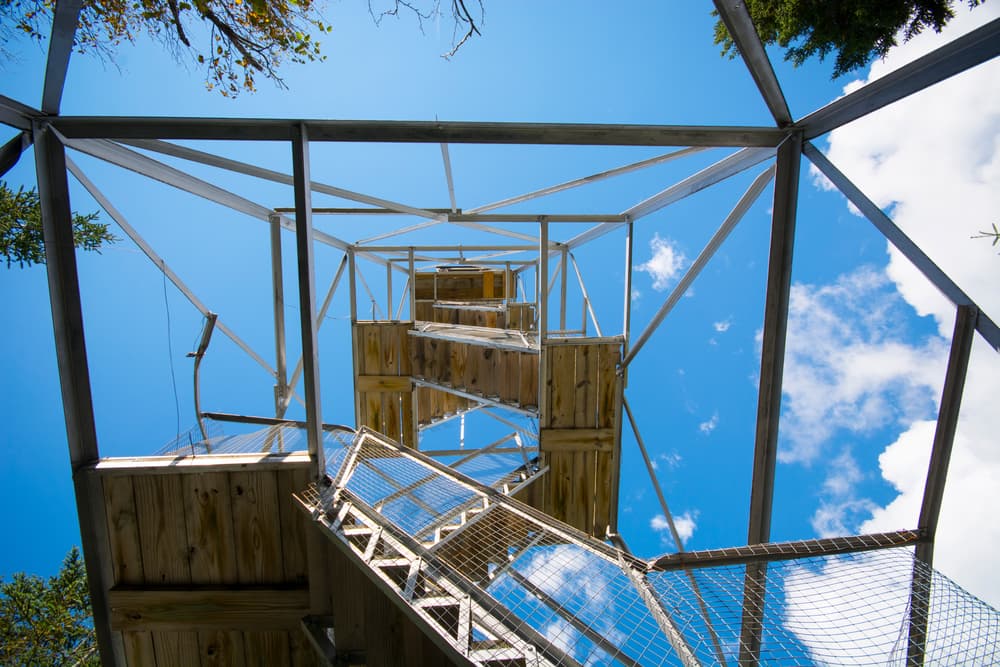
Fire tower hiking presents unique safety challenges combining standard mountain hiking risks with specific tower-related hazards. Weather exposure increases significantly at tower summits, where metal structures can attract lightning and create dangerous conditions during storms. Avoiding tower climbing during thunderstorms or high wind conditions prevents weather-related accidents. Seasonal access restrictions affect several towers during hunting seasons or winter conditions, requiring advance planning and flexibility in completion scheduling. Some towers like Swede Mountain are closed during hunting season, while winter conditions may make certain routes extremely hazardous without proper equipment and experience.
Permits and Fees
The Fire Tower Challenge requires no special permits beyond standard parking fees at some trailheads and potential camping fees if using state campgrounds for overnight stays. Most fire tower trails cross public lands with free access, though some may require modest day-use fees at popular recreation areas. Parking fees vary by location and season, typically ranging from $5-10 daily at popular trailheads during peak seasons. Annual Empire Passes provide economical access to multiple New York State parks and forests for frequent visitors, while supporting maintenance and conservation programs throughout both regions.
NY Fire Tower Challenge: common questions
How long is NY Fire Tower Challenge?
NY Fire Tower Challenge covers 50 miles in total.
How long does NY Fire Tower Challenge take to complete?
Most people complete NY Fire Tower Challenge in about 1-12 months.
When is the best time to do NY Fire Tower Challenge?
The best season for NY Fire Tower Challenge is Anytime.
How many checkpoints does NY Fire Tower Challenge have?
NY Fire Tower Challenge has 32 checkpoints to log on the way to finishing it.
Plan your journey.
Keep this journey for later, or share it with someone you would like to go with.
Northeast routes
More New England hiking challenges
If the Fire Tower Challenge is on your list, these Northeast challenges are usually on it too.