
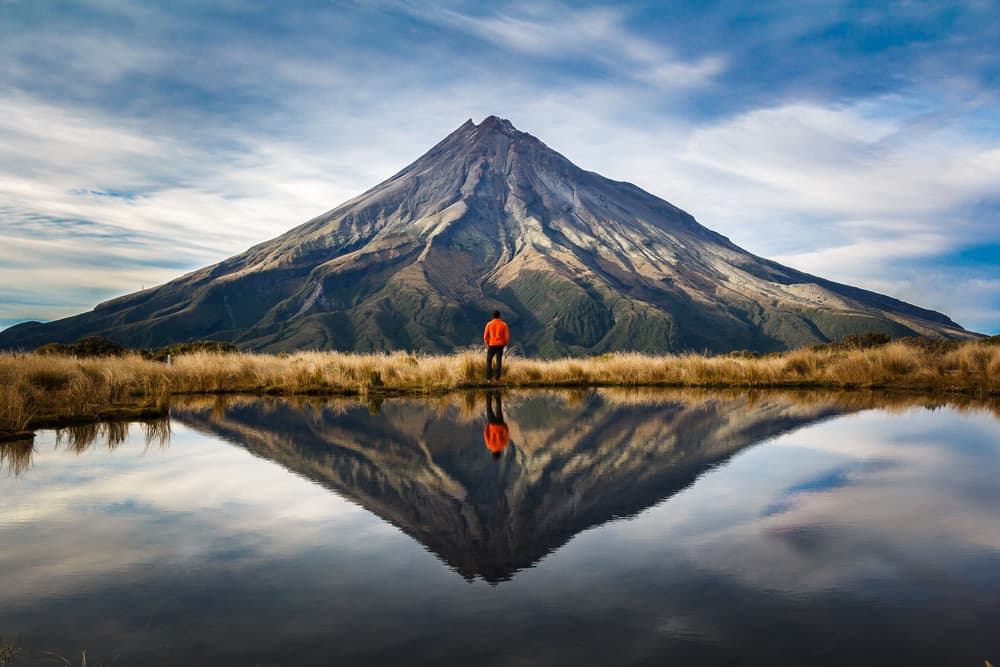
Active Volcanos of the World
Worldwide
About this quest
This challenge takes you to some of the most active and breathtaking volcanoes in the world! Hike through lava fields, ash-covered slopes, and steaming craters as you explore these fiery landscapes. Experience the raw power of nature, from glowing lava lakes on Villarrica and Mount Stromboli to the crater views of Mount Aso and Mount Etna. Whether it’s a short day hike like Kīlauea’s lava trails or a steep summit trek up Pacaya or Etna.
Quick facts
- peaks
- 7located
- shape
- collection
- total distance
- not yet measured
- best season
- Anytime
- avg completion
- 1-2 years
Loading your progress…
Map and places
Choose a place. Visit in any order.
- PlaceJapan
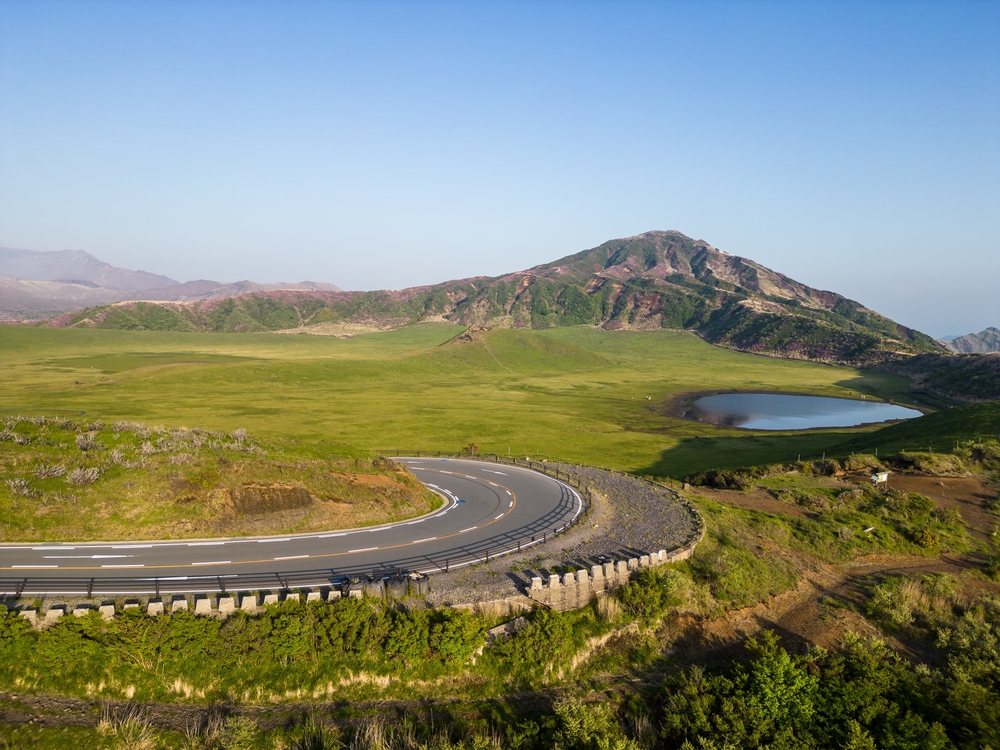
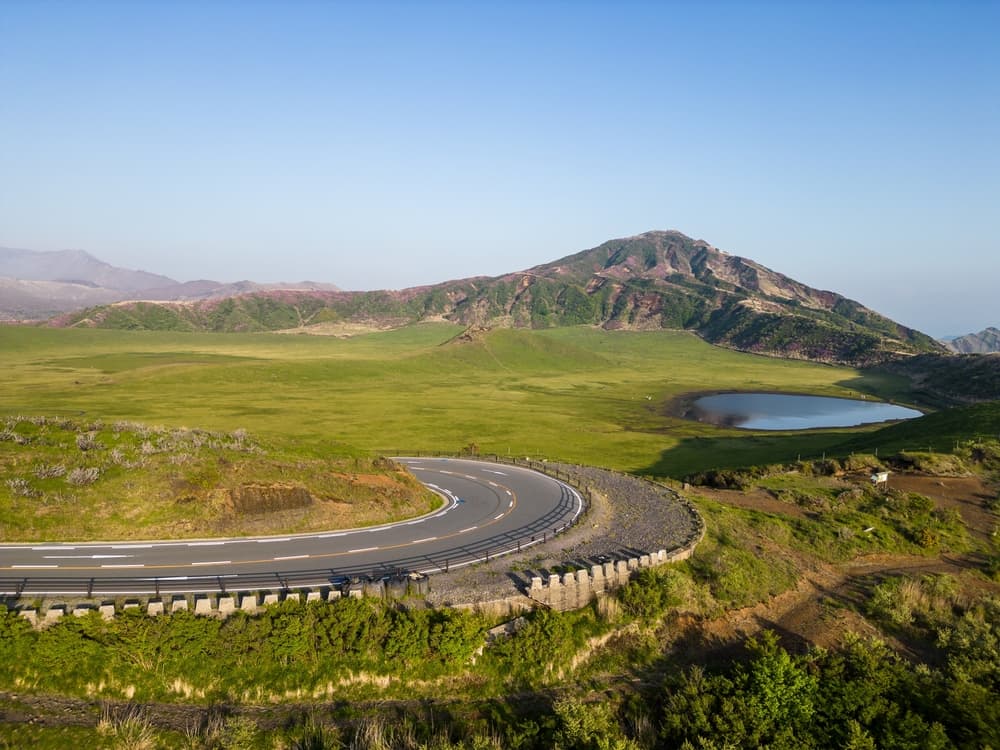
Mount Aso is one of the world’s largest active volcanoes, featuring a massive caldera with stunning green plains and steaming craters. The Nakadake Crater, one of Aso’s five peaks, is a top attraction when accessible.
- PlaceChile
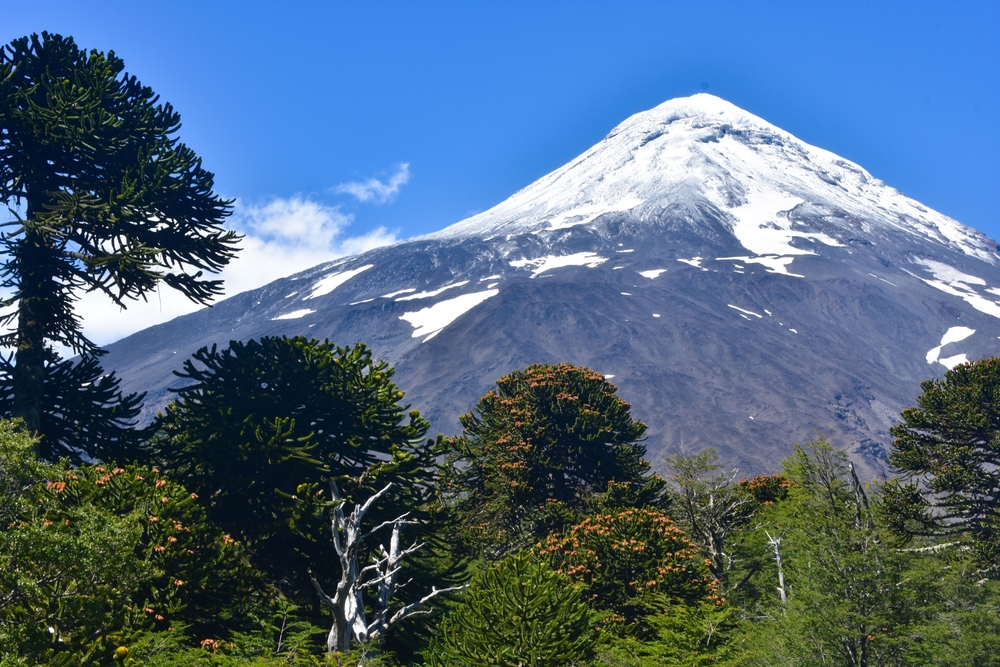
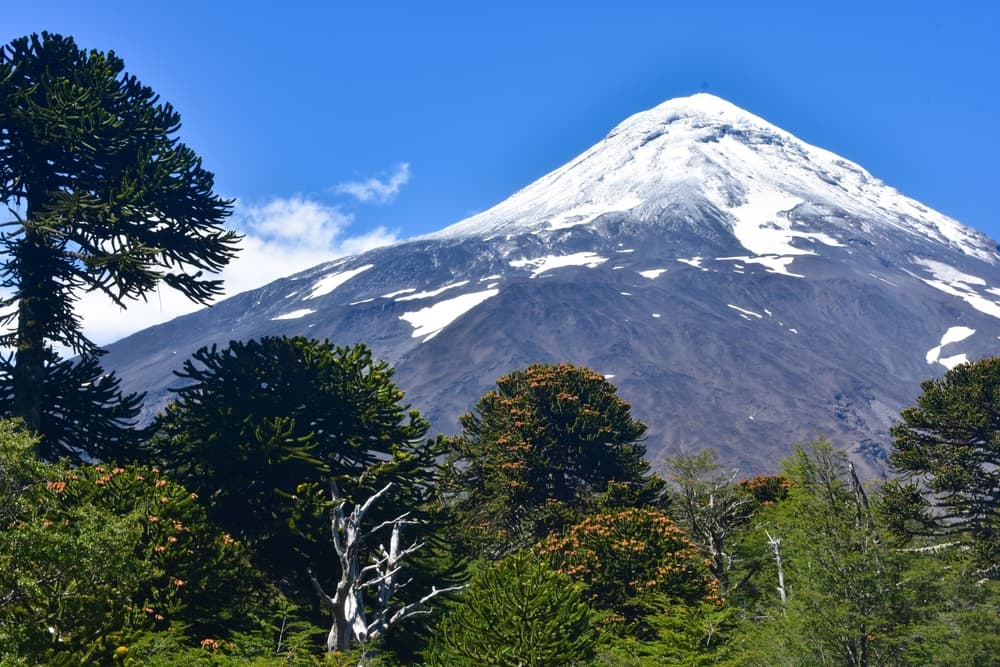
Villarrica is an iconic snow-capped stratovolcano (2,847 m / 9,341 ft) in Chile, offering one of the few hikes where you can peer into an active lava lake. The challenging climb provides breathtaking views of glaciers, lakes, and the Andes.
- PlaceItaly
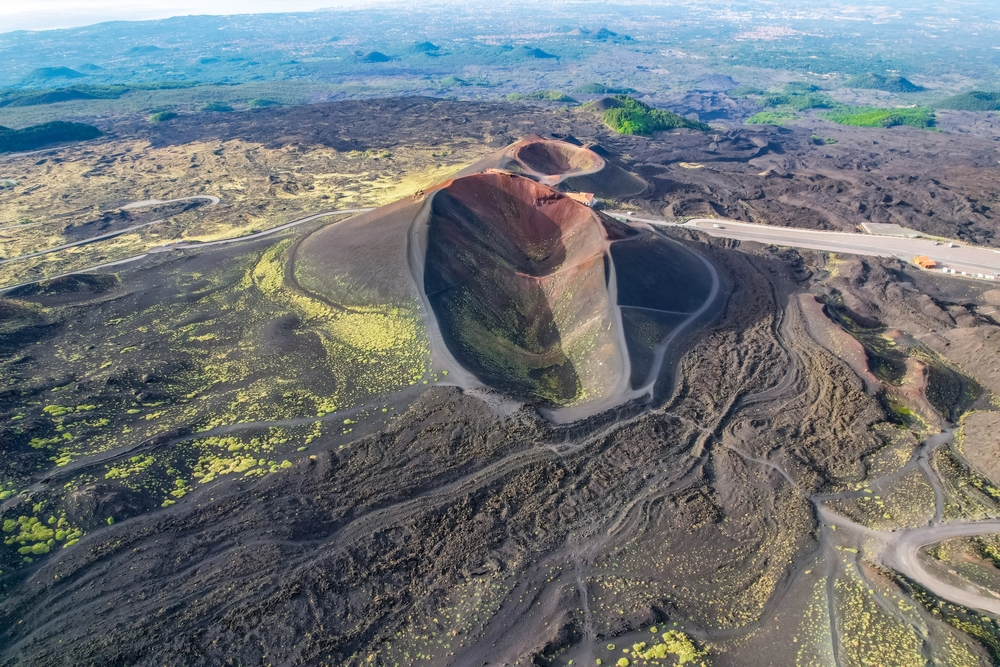
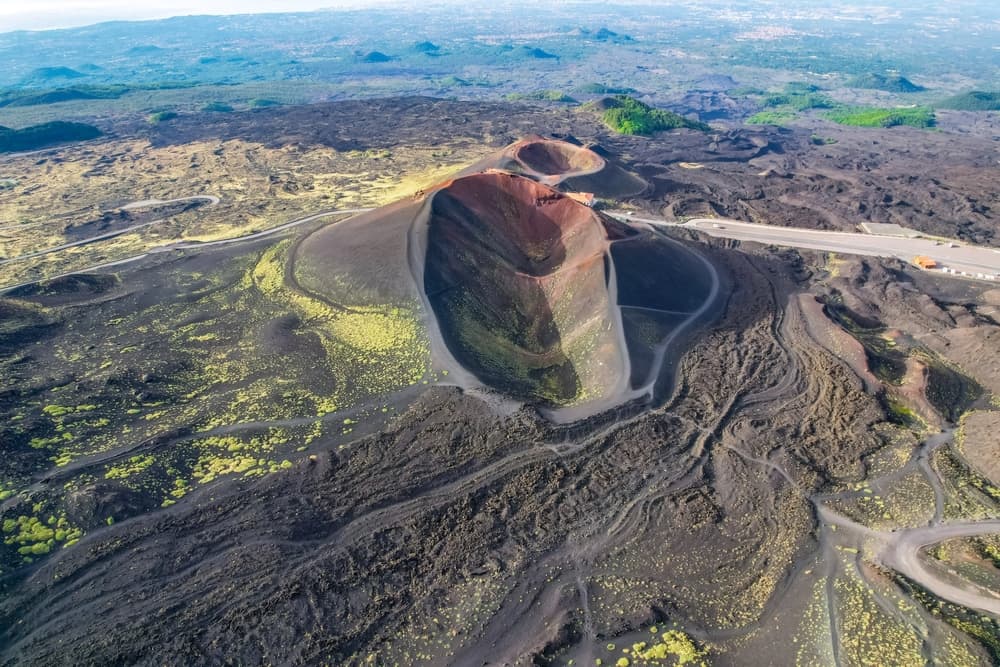
Mount Etna is Europe’s tallest and most active volcano, standing at 3,329 m (10,922 ft). It offers diverse landscapes, from lush vineyards to dramatic lava fields. Visitors can explore easy lower trails or take guided treks to the steaming summit craters, with stunning views of…
- PlaceHawaii, United States
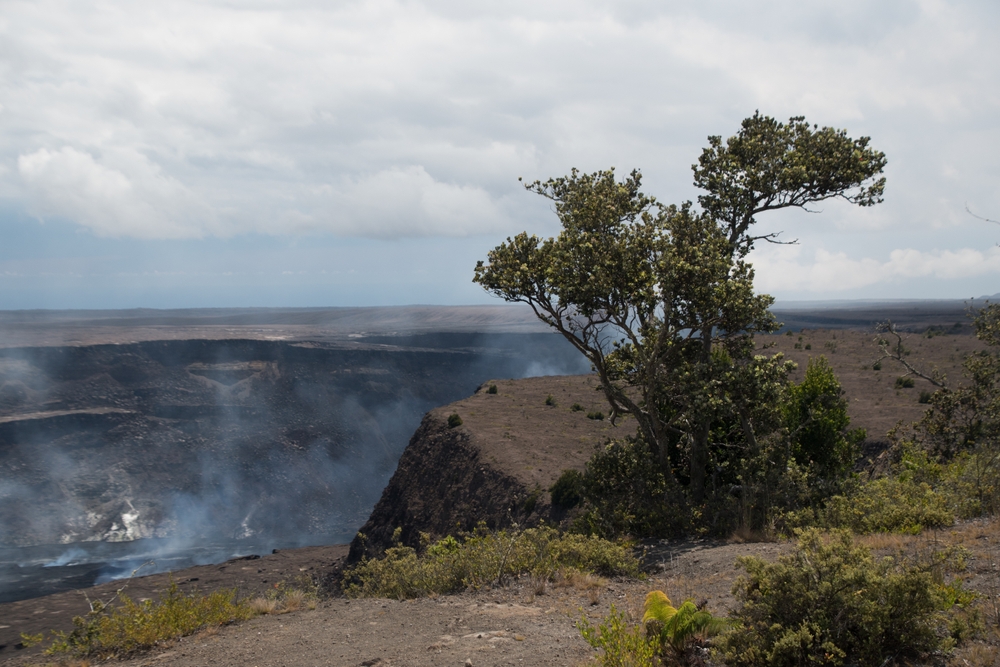
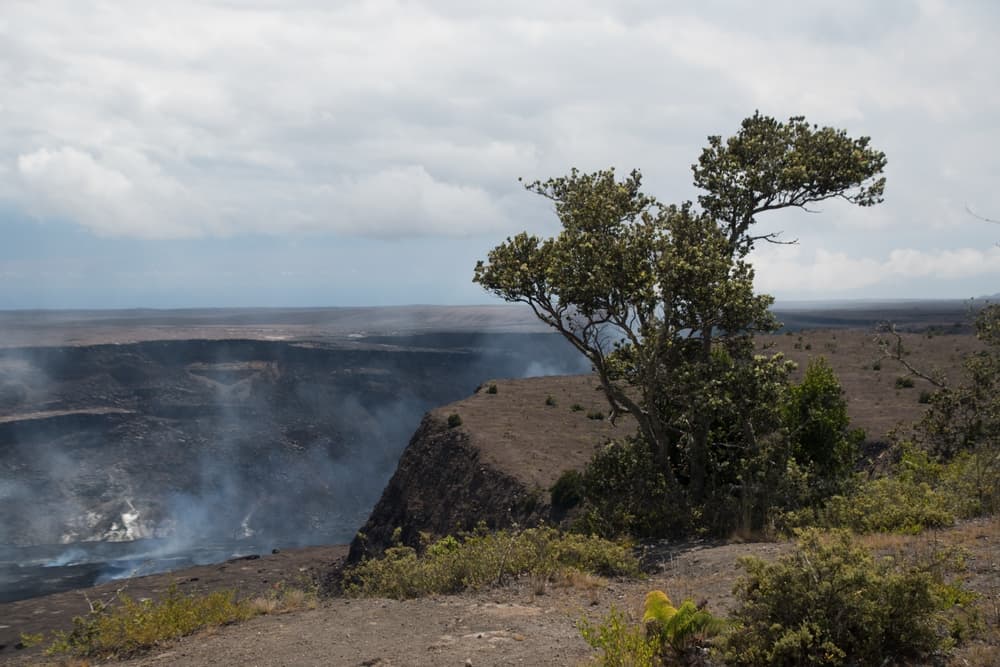
Kīlauea, one of the world’s most active volcanoes, sits within Hawaiʻi Volcanoes National Park. Its trails pass through lava fields, rainforest, and steaming vents, offering a unique glimpse into Hawaiian volcanic activity.
- PlaceIceland
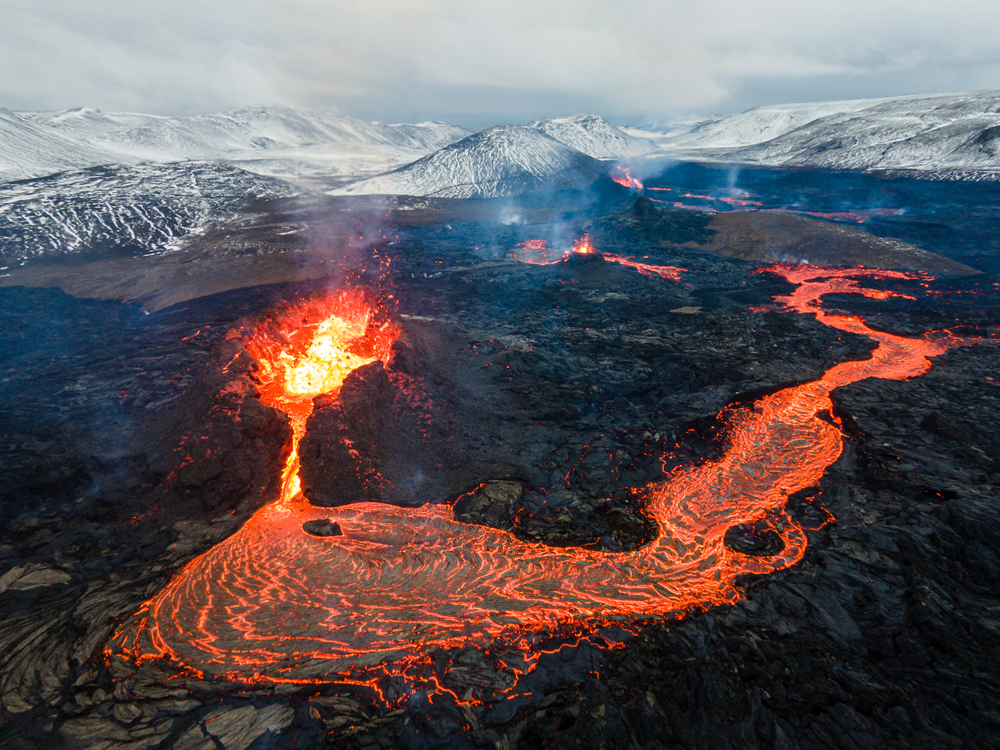
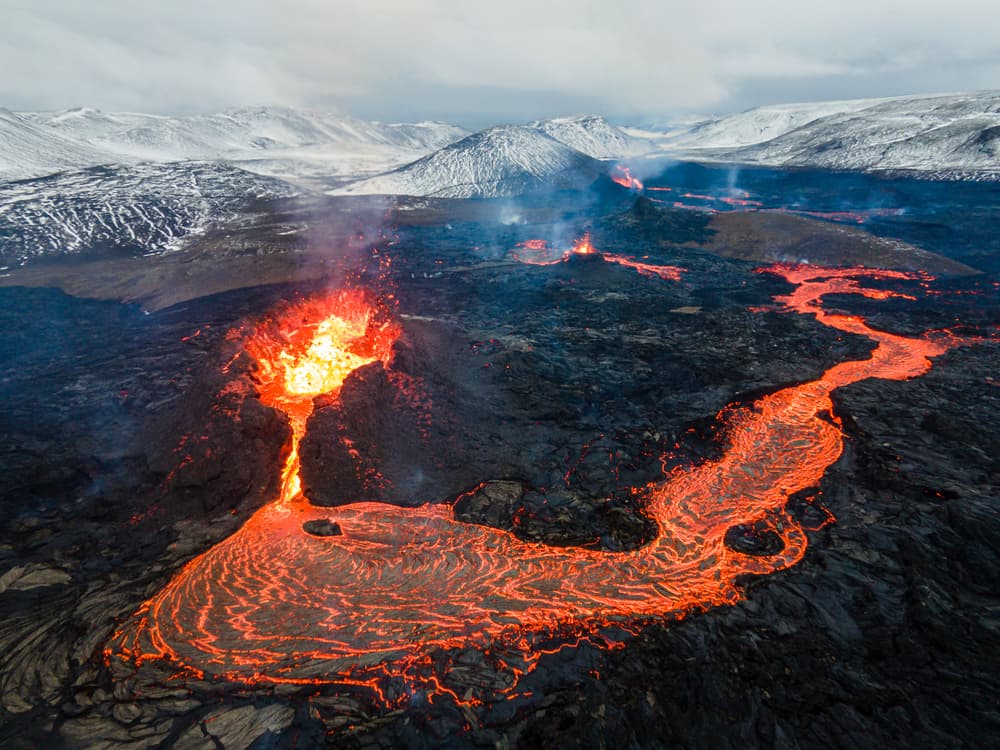
Fagradalsfjall is one of Iceland’s newest erupting volcanoes, offering a rare chance to witness fresh lava flows. The hike takes you through rugged lava fields, leading to viewpoints where you can see steaming vents and, during eruptions, glowing lava. It’s a breathtaking,…
- PlaceGuatemala
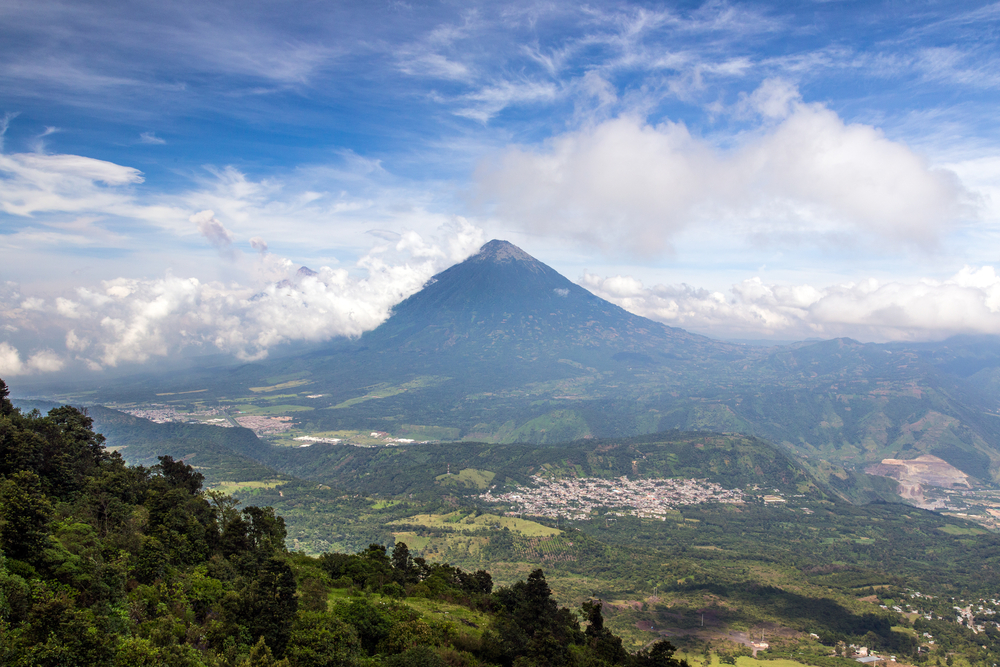
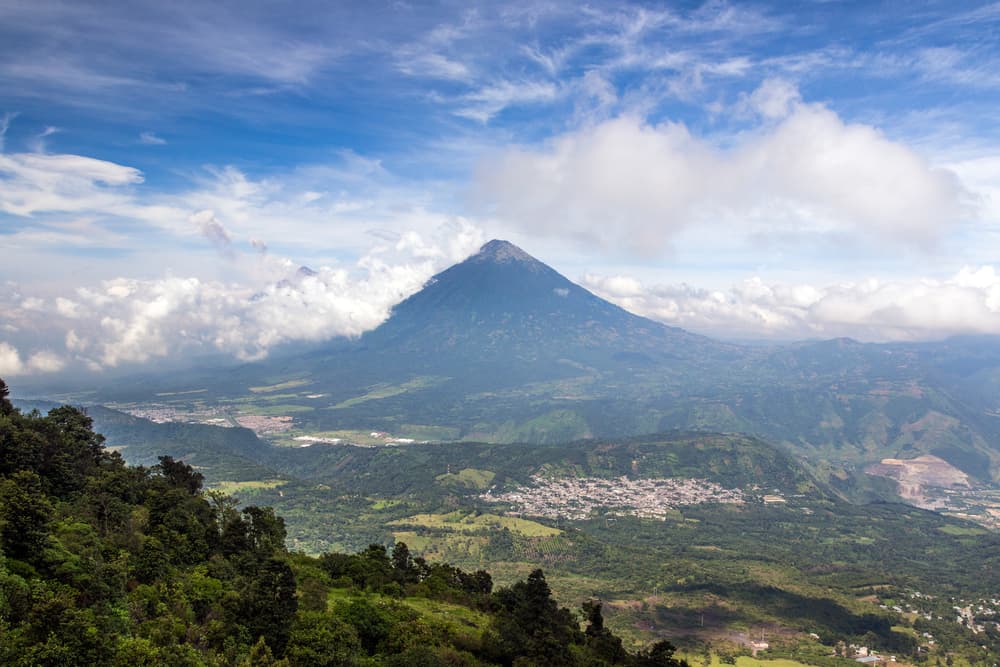
Volcán de Fuego is one of Central America’s most active volcanoes, known for its frequent eruptions. The hike to neighboring Acatenango Volcano offers breathtaking views of lava eruptions, ash plumes, and glowing rocks tumbling down Fuego’s slopes, especially at night.
- PlaceEcuador
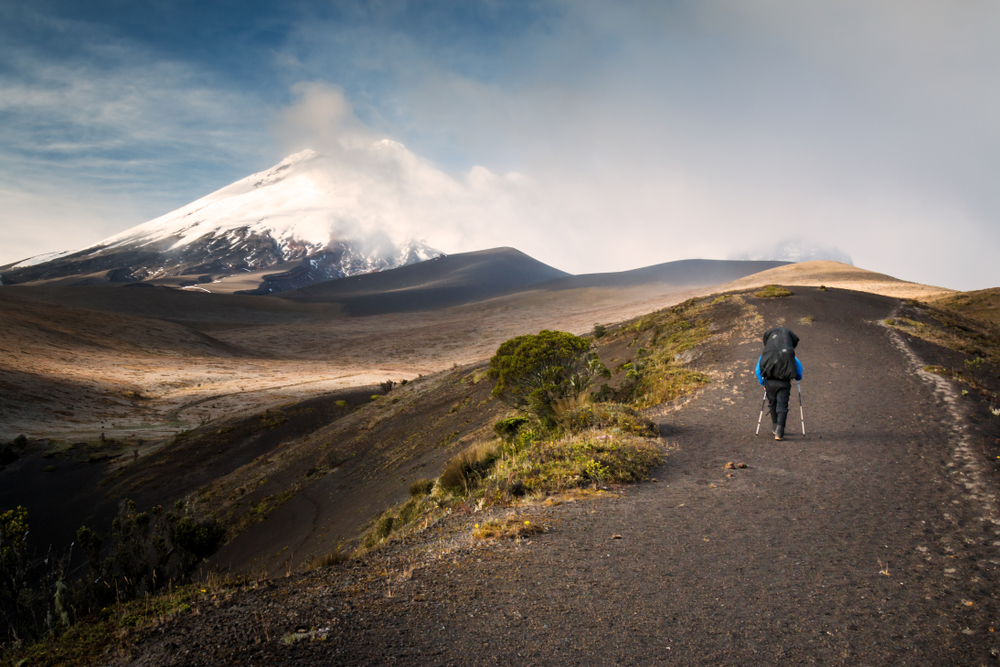
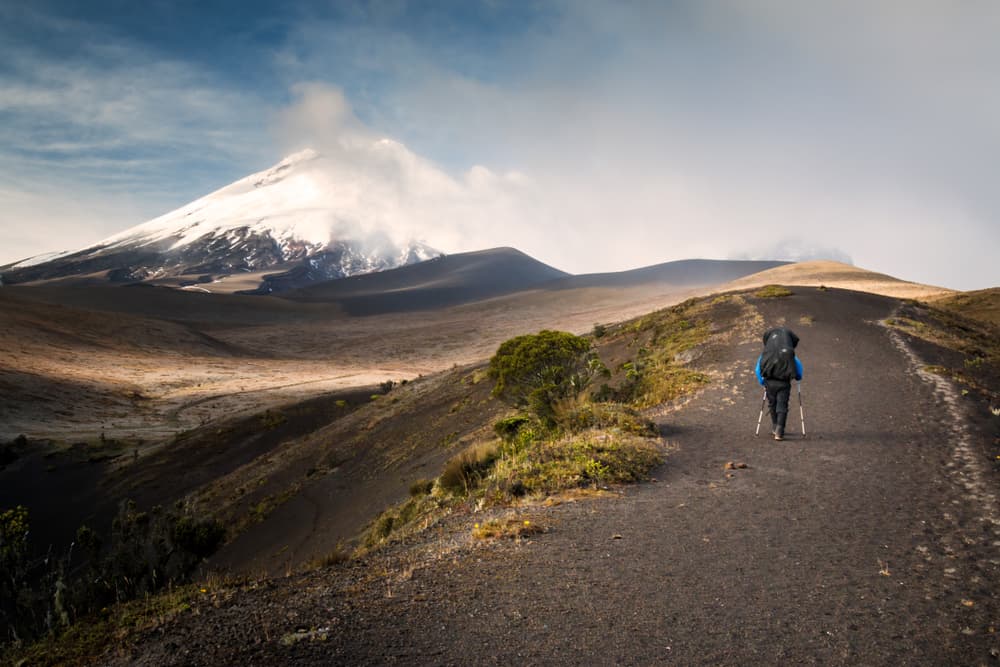
Cotopaxi, one of the highest active volcanoes in the world (5,897 m / 19,347 ft), is a stunning peak in the Andes Mountains. Its snow-capped summit and dramatic landscapes make it one of Ecuador’s most iconic hikes, attracting climbers and adventurers looking for an exhilarating…
You can explore the itinerary while it loads.
Pins show individual places; there is no route between them. Select a pin to read its place in the itinerary.
Overview
The Volcano Hiking Challenge leads you through some of the world's most active and awe-inspiring volcanic landscapes. Trek across lava fields, ash-covered slopes, and steaming craters as you experience the raw, untamed power of nature firsthand. Each volcano offers a unique adventure, from easy day hikes along Kīlauea’s dynamic lava trails in Hawaii to steep summit ascents on Pacaya in Guatemala and Etna’s towering flanks. The routes vary from accessible walks to more demanding climbs, giving hikers of all levels a chance to explore these fiery worlds.
Statistics and Elevation Profile
The Volcano Hiking Challenge spans multiple continents and includes hikes that range in difficulty, altitude, and terrain. Elevation gains and distances vary widely depending on the volcano. Highest point: Mount Etna in Sicily, reaching 3,329 meters (10,922 feet). Shortest day hike: Kīlauea Iki Trail in Hawaii, a 6.4 km (4 mile) loop with 120 meters (400 feet) of elevation gain. Pacaya Volcano in Guatemala offers the steepest climb, with a 7 km (4.3 mile) round-trip and 450 meters (1,480 feet) of elevation gain. The longest volcanic trek is found on Mount Aso in Japan, where multi-day hikes can cover up to 40 km (25 miles) depending on the route. Mount Etna is also accessible by cable car, from Rifugio Sapienza up to 2,500 meters. Volcano hikes range from 1 to 8 hours, with routes suited to every level of experience and fitness. Proper acclimatization and local conditions should always be considered, especially on high-altitude or recently active volcanoes.
Highlights and Landmarks
Each volcano in the challenge presents a distinct geological character. Villarrica in Chile features hikes across fresh lava flows to a crater rim often spewing sulfur gases; on clear nights, glowing lava is visible within the crater. Mount Stromboli in Italy, known as the "Lighthouse of the Mediterranean," offers nighttime eruptions visible during evening guided hikes. Kīlauea in Hawaii allows trekkers to cross a hardened lava lake, explore lava tubes, and witness steam vents along the Kīlauea Iki Trail. Pacaya in Guatemala presents a relatively short but steep hike, rewarding climbers with views of active lava flows and volcanic bombs. Mount Aso in Japan is home to the world’s largest active caldera, with trails along its fuming crater ridges. Mount Etna in Sicily, Europe’s most active volcano, offers expansive lava fields, black ash slopes, and sweeping views of the Mediterranean.
Culture and History
Volcanoes have played pivotal roles in the mythology, history, and livelihoods of nearby communities. In Hawaii, Kīlauea is sacred to Native Hawaiians as the home of Pele, the volcano goddess. Mount Aso’s caldera in Japan contains ancient shrines and villages shaped by centuries of coexisting with volcanic activity. Stromboli and Etna in Italy have influenced Mediterranean cultures for thousands of years, with myths tied to Roman and Greek deities. In Chile, Villarrica is revered by the Mapuche people, who see it as a powerful and spiritual entity. In Guatemala, Pacaya’s activity has shaped local agriculture and tourism, with lava-cooked marshmallows now a popular tradition.
Geology
Volcano hiking offers an up-close look at the Earth’s dynamic geology. These volcanoes illustrate a range of types. Stratovolcanoes such as Etna, Villarrica, Pacaya, and Aso are steep-sided and formed from layers of lava, ash, and rock. Shield volcanoes, like Kīlauea, feature gentle slopes formed by fluid basaltic lava flows. Volcanic islands such as Stromboli rise dramatically from the Tyrrhenian Sea and offer constant Strombolian eruptions. Geological features include lava tubes and tunnels, fumaroles and sulfur vents, calderas and crater lakes, as well as both fresh and historic lava flows. Volcanic terrain shifts regularly, so trails may close or reroute depending on eruption cycles, seismic activity, or gas emissions.
Essential Gear
Hiking active volcanoes requires specific equipment due to unstable terrain and unpredictable weather. Sturdy hiking boots with excellent grip are essential for navigating loose scree, hardened lava, and ash. Breathable layers and rain protection are recommended, as higher elevations can be cold and windy. Gas masks or respirators are advised on hikes with sulfur exposure, such as Villarrica or Aso. Trekking poles are useful for steep ascents and navigating uneven terrain. Offline GPS apps, maps, and headlamps are essential for early or late hikes. Sunscreen, extra water, and gloves are also important—sharp lava can cut hands easily. Some hikes require helmets or must be done with licensed guides, especially during active eruption periods.
Accommodation
Most volcano hikes are based near established tourist towns or mountain villages with a range of lodging options. On Etna, hikers can stay in Catania or at Rifugio Sapienza, a mountain lodge near the cable car. Kīlauea is best accessed from Volcano Village, which offers lodges and vacation rentals near Hawai‘i Volcanoes National Park. Stromboli has island accommodations ranging from guesthouses to boutique hotels, with guided hikes departing from the main town. For Pacaya, hikers usually overnight in Antigua, Guatemala, and drive to the trailhead. Pucón in Chile is a popular base for Villarrica, while Aso town and nearby hot spring resorts serve Mount Aso. Booking in advance is essential during high season or during increased volcanic activity that draws spectators. Guided hikes, especially for Stromboli and Villarrica, often fill weeks ahead.
Food and Water
Water is critical—carry at least 2 liters per person, as volcanic environments are dry and exposed. Some hikes offer no refill stations. Pack high-energy snacks and meals. Nearby towns offer full dining options, but trails rarely have vendors. In some locations, like Pacaya, local guides roast marshmallows or even pizza on hot lava vents. Resupplying is easy in base towns, but nothing should be left behind on the trails—pack out all waste.
Navigation and safety
Most trails are marked, but volcanic terrain can change without warning. Stromboli, Kīlauea, and Etna have well-maintained paths and signage. Stromboli summit hikes require licensed guides for safety. GPS-based apps are helpful, and trail status should always be checked with local authorities. Maps and visitor centers provide up-to-date information, especially where activity has altered trail access. Volcano hiking presents unique risks beyond standard hiking hazards. Always check volcano alert levels with local authorities before hiking. Avoid areas with high sulfur dioxide or hydrogen sulfide unless properly equipped. Recent lava flows may have hidden lava tubes or brittle crusts. High elevations can bring storms or rapid weather changes, and lightning is a risk on exposed slopes. Know evacuation routes and follow the guides' instructions during emergencies. Travel insurance that covers natural disasters is highly recommended.
Permits and Fees
Some hikes are within national parks and require entrance fees—for example, Kīlauea, Etna, and Aso. Guided hikes are mandatory on Stromboli and optional but recommended on other volcanoes. Permits are usually not required for day hikes, but local restrictions may apply during elevated volcanic activity. Trailhead access may involve transportation fees, especially for remote volcanoes. Supporting local guides and services is encouraged, as they offer both safety and cultural insight.
Active Volcanos of the World: common questions
How long does Active Volcanos of the World take to complete?
Most people complete Active Volcanos of the World in about 1-2 years.
When is the best time to do Active Volcanos of the World?
The best season for Active Volcanos of the World is Anytime.
How many checkpoints does Active Volcanos of the World have?
Active Volcanos of the World has 7 checkpoints to log on the way to finishing it.
Plan your journey.
Keep this journey for later, or share it with someone you would like to go with.