
Challenge
Kalalau Trail
Hawaii, United States
About this challenge
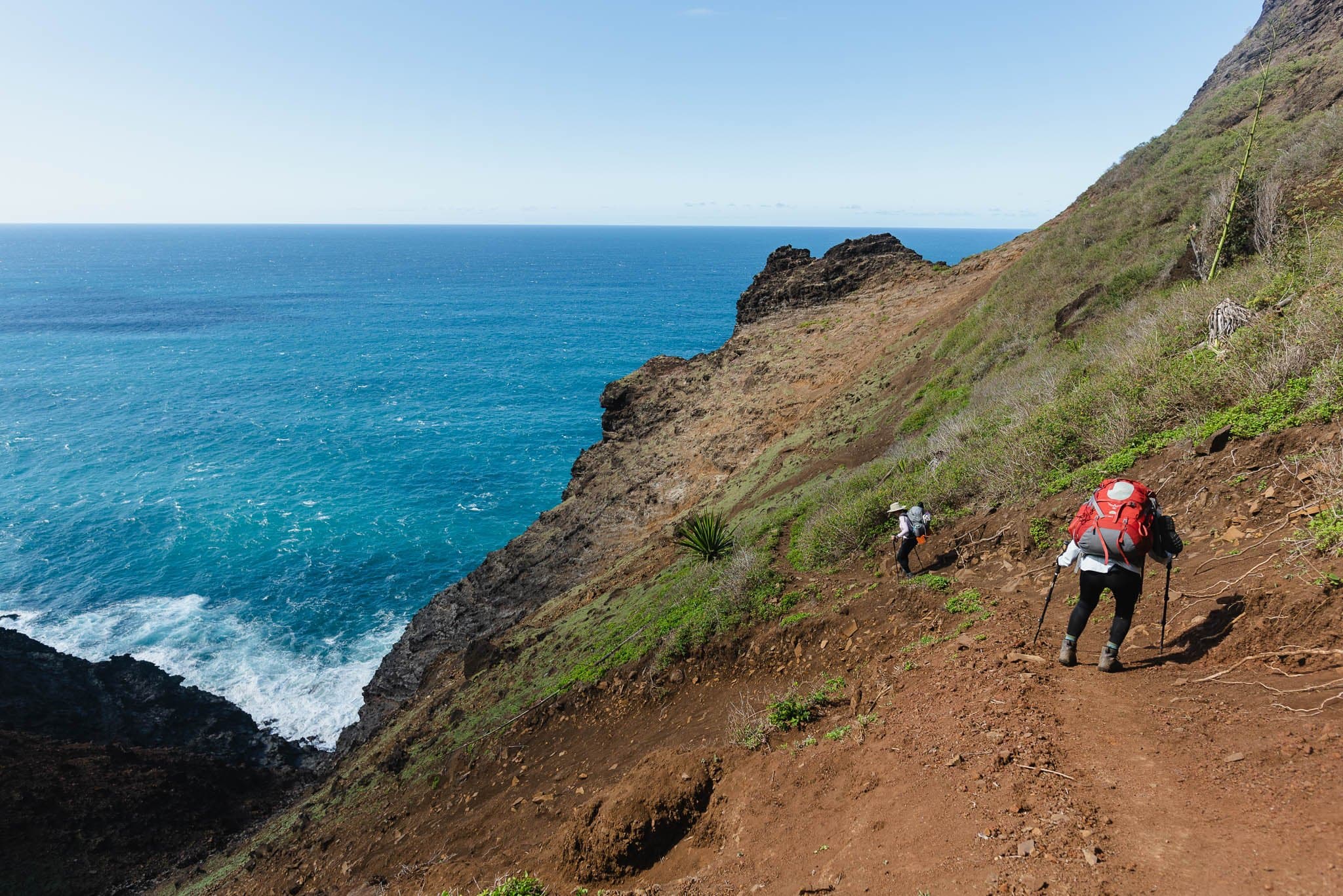
The Kalalau Trail represents Hawaii's most spectacular and challenging coastal hiking adventure, offering an extraordinary 11-mile journey along Kauai's legendary Na Pali Coast. This world-renowned trail showcases dramatic sea cliffs rising over 3,000 feet from the Pacific Ocean, pristine beaches accessible only by foot, lush tropical valleys, and ancient Hawaiian cultural sites that embody the spiritual essence of the islands. The trail traverses some of the most remote wilderness areas in Hawaii, requiring permits and careful preparation due to its challenging terrain and complete lack of facilities. Established as part of Na Pali Coast State Wilderness Park, the Kalalau Trail attracts adventurous hikers from around the world who seek to experience authentic Hawaiian wilderness and cultural heritage. The route passes through multiple hanging valleys, crosses year-round streams, and provides access to Kalalau Beach, a pristine 2-mile stretch of sand backed by towering cathedral cliffs. This bucket-list hiking destination demands respect for powerful natural forces, Native Hawaiian cultural significance, and the pristine wilderness environment that makes it one of the world's most spectacular coastal trails.
Quick facts
- Checkpoints
- 3
- Distance
- 22 miles
- Avg Completion
- 2-3 days
- Best Season
- Anytime
Overview
The Kalalau Trail stands as one of America's most spectacular and challenging coastal hiking adventures, traversing 11 miles of rugged Na Pali Coast terrain on Kauai's north shore. The trail traverses 5 valleys before ending at Kalalau Beach where it is blocked by sheer, fluted pali. The 11-mile trail is graded but almost never level as it crosses above towering sea cliffs and through lush valleys. Trail Length 22 miles (round trip) Activity Pedestrian Difficulty Difficult Terrain Wet Gulches to Open Ridgeline Elevation Gain 800 ft This iconic trail begins at Ke'e Beach and winds through pristine Hawaiian wilderness, offering hikers unparalleled views of dramatic sea cliffs, secluded beaches, and tropical valleys. Though the trail begins and ends at sea level, it crosses rugged ridges and valleys nearly constantly and has a total one-way elevation gain/loss of about 5,000 ft. The journey showcases ancient Hawaiian culture, with archaeological sites and traditional Hawaiian plant species throughout the route. The trail represents a significant cultural landscape for Native Hawaiians, featuring ancient agricultural terraces, heiau (temples), and traditional fishing grounds that sustained communities for centuries. Modern hikers experience this sacred landscape while following paths used by Hawaiian ancestors who lived sustainably in these remote valleys for over 1,000 years.
History and Geology
The Kalalau Trail follows ancient Hawaiian footpaths that connected coastal communities along the Na Pali Coast for over a millennium. Native Hawaiian families lived in Kalalau Valley until the early 1900s, cultivating taro, sweet potato, and other traditional crops in sophisticated agricultural systems that utilized the valley's natural water sources and fertile soils. Archaeological evidence reveals extensive settlement patterns, with stone platforms, house sites, and agricultural terraces still visible throughout the valley. The trail's geological foundation showcases the dramatic volcanic origins of Kauai, formed over 5 million years ago as the oldest main Hawaiian island. The Na Pali Coast's towering sea cliffs, reaching heights of 4,000 feet, resulted from massive volcanic eruptions followed by millions of years of erosion from Pacific storms and trade wind rainfall. This erosion carved the distinctive fluted ridges and hanging valleys that define the Na Pali Coast's iconic silhouette. The trail crosses diverse geological formations, from ancient basalt flows to more recent alluvial deposits in valley floors. Stream crossings reveal the ongoing geological processes that continue shaping this landscape, with flash floods periodically reshaping valley floors and coastal erosion constantly modifying beach access points and cliff stability.
Safety
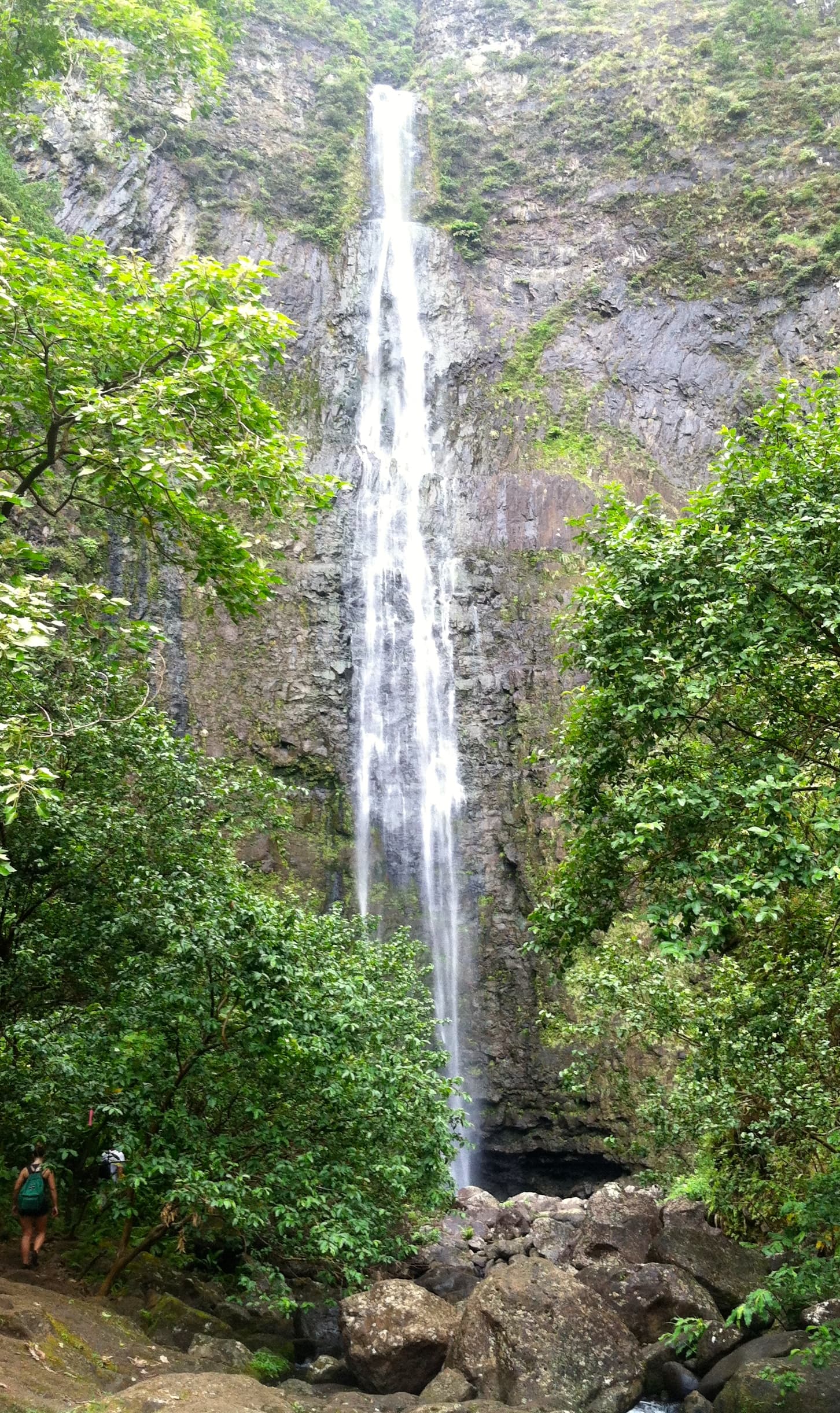
Essential gear for the Kalalau Trail requires preparation for Hawaii's tropical climate and challenging terrain. Waterproof equipment becomes critical due to frequent rain showers and stream crossings, with quick-dry clothing and rain gear essential for comfort and safety. Sturdy hiking boots with excellent traction prove necessary for muddy sections and rocky terrain, while trekking poles provide valuable stability on steep, slippery sections. Navigation on the Kalalau Trail follows a single well-defined path, though trail conditions change frequently due to weather, erosion, and maintenance schedules. The trail features several potentially dangerous sections, including narrow ridges with steep drop-offs, unstable cliff edges, and stream crossings that become hazardous during heavy rainfall. Hikers must exercise extreme caution near cliff edges and avoid hiking during severe weather warnings. Stream crossings present significant safety challenges, particularly at Hanakoa and Kalalau streams, which can become impassable during heavy rainfall. Flash flooding occurs rapidly in these narrow valleys, requiring hikers to monitor weather conditions and plan stream crossings during lower water levels. The trail's remote location means emergency evacuation requires helicopter rescue, making self-sufficiency and careful risk management essential for safe completion.
Nutrition and Other
Camping permits are required for overnight stays at Hanakoa or Kalalau camping areas, with Permits are $35 per-person per-day. Good news if you are a resident, you get a $10 discount. Getting permits might be the hardest part of making this trip happen, as the quota for non-Hawaii residents is 60 per day. Permits are available on a rolling basis 90 days in advance of the first day of your trip. Day hikers to Hanakapi'ai Beach need reservations through gohaena.com but no camping permits. Water sources along the trail include streams at Hanakapi'ai, Hanakoa, and Kalalau, though all water requires purification due to potential contamination from feral animals and agricultural runoff. Hikers must carry water purification tablets or filtration systems, with most backpackers carrying 3-4 liters for the full trail due to Hawaii's heat and humidity. Stream water availability varies seasonally, with summer months sometimes producing reduced flow. Food planning requires carrying all meals for overnight trips, as no resupply opportunities exist along the trail. Most hikers pack lightweight backpacking meals, energy bars, and trail mix for the 2-3 day journey. Hanakapi'ai Beach provides a popular day-hike destination requiring 4-6 hours roundtrip, while the full Kalalau Trail typically takes 6-8 hours one-way for experienced hikers. Parking at Ke'e Beach requires advance reservations, with shuttle services available from Hanalei during peak seasons.
Featured checkpoints
Ke’e Beach to Hanakapi’ai
Ke'ei Beach Road, Captain Cook, Hawaii 96704, United States
Hanakapi’ai to Hanakoa
Hanakäpï‘ai Ahupua`a, Hanalei, Hawaii, United States
Hanakoa to Kalalau Beach
Hanakoa Ahupua`a, Hanalei, Hawaii, United States
All stops on this route
Kalalau Trail: common questions
How long is Kalalau Trail?
Kalalau Trail covers 22 miles in total.
How long does Kalalau Trail take to complete?
Most people complete Kalalau Trail in about 2-3 days.
When is the best time to do Kalalau Trail?
The best season for Kalalau Trail is Anytime.
How many checkpoints does Kalalau Trail have?
Kalalau Trail has 3 checkpoints to log on the way to finishing it.