
8 Sacred Peaks
Worldwide
About this quest
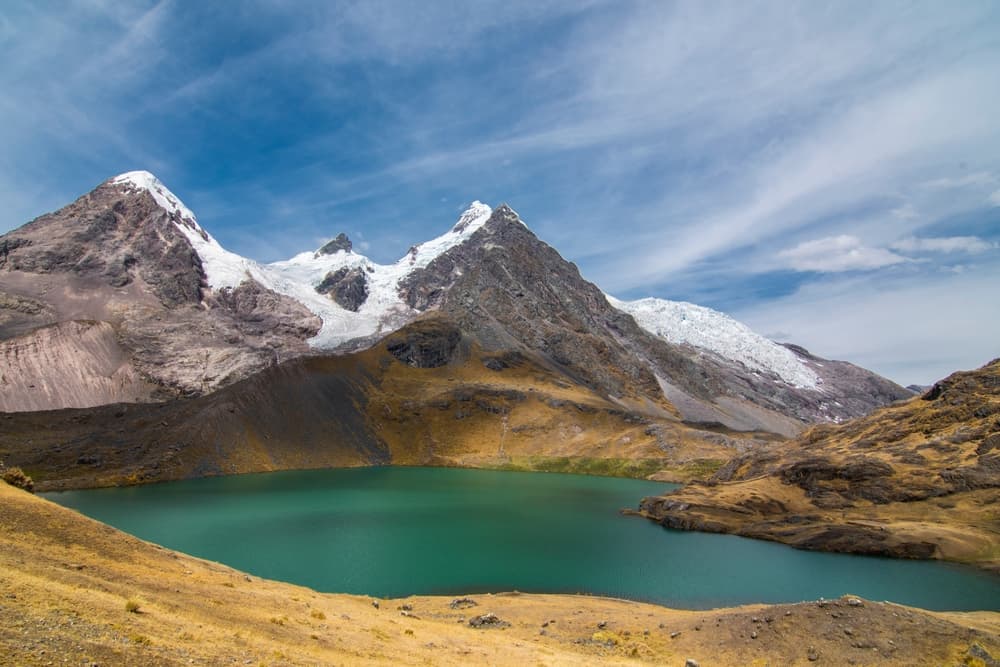
The Sacred Summits Challenge invites you to walk in the footsteps of seekers, pilgrims, and storytellers across eight of the world’s most revered mountains.From the snow-circled spirit of Ausangate in the Andes to the cosmic stillness of Mount Kailash in Tibet, each peak carries centuries of prayer, myth, and meaning. This isn’t about ticking summits—this is about listening, honoring, and remembering.Whether you climb under moonlight to the footprint on Adam’s Peak, or feel the volcanic stillness of Taranaki's sacred exile, this challenge offers more than altitude—it offers initiation.
Quick facts
- peaks
- 8located
- shape
- collection
- total distance
- 225 km
- best season
- Anytime
- avg completion
- 1-3 years
Loading your progress…
Map and places
Choose a place. Visit in any order.
- PlaceEgmont National Park, New Zealand
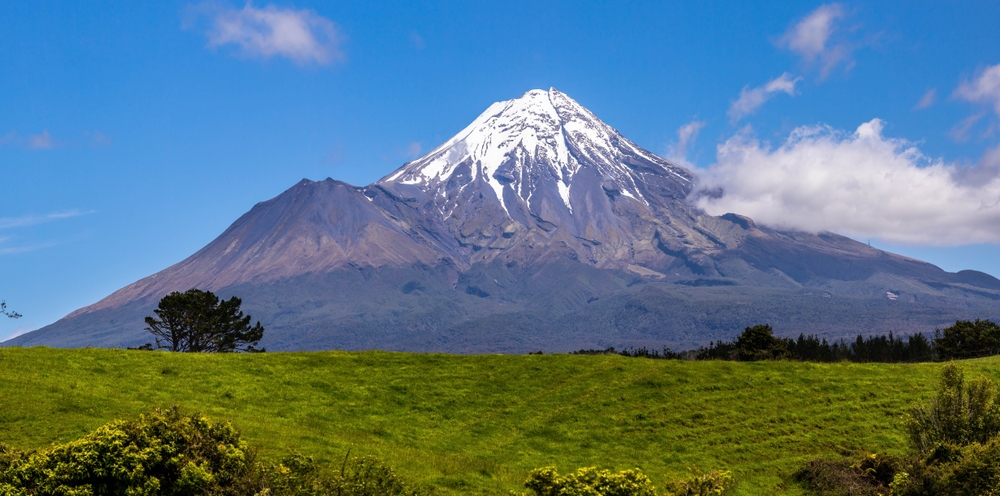
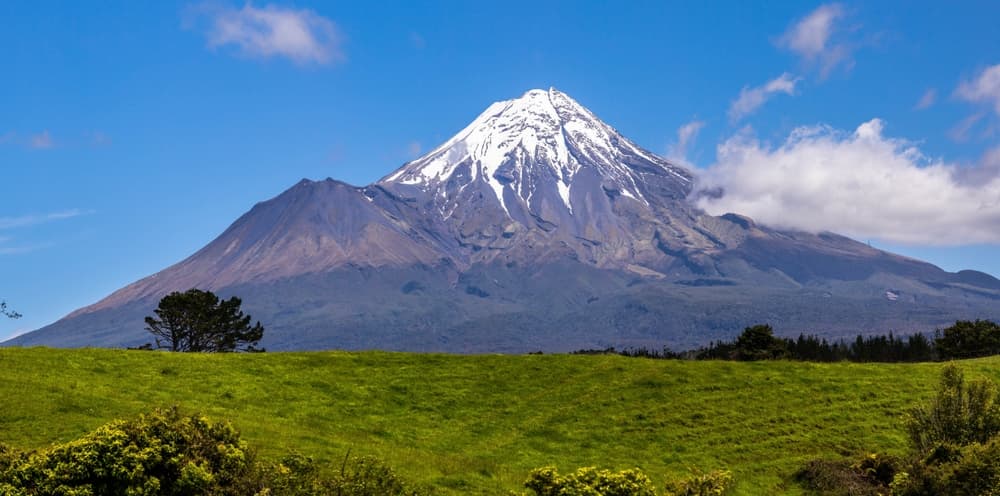
Mount Taranaki stands alone on New Zealand’s west coast, a dormant stratovolcano and sacred ancestor in Māori cosmology. Its near-perfect cone rises from dense forests and misty valleys. The mountain is tied to a story of exile and heartbreak, and remains a living being to local…
- PlaceNallathanniya, Sri Lanka
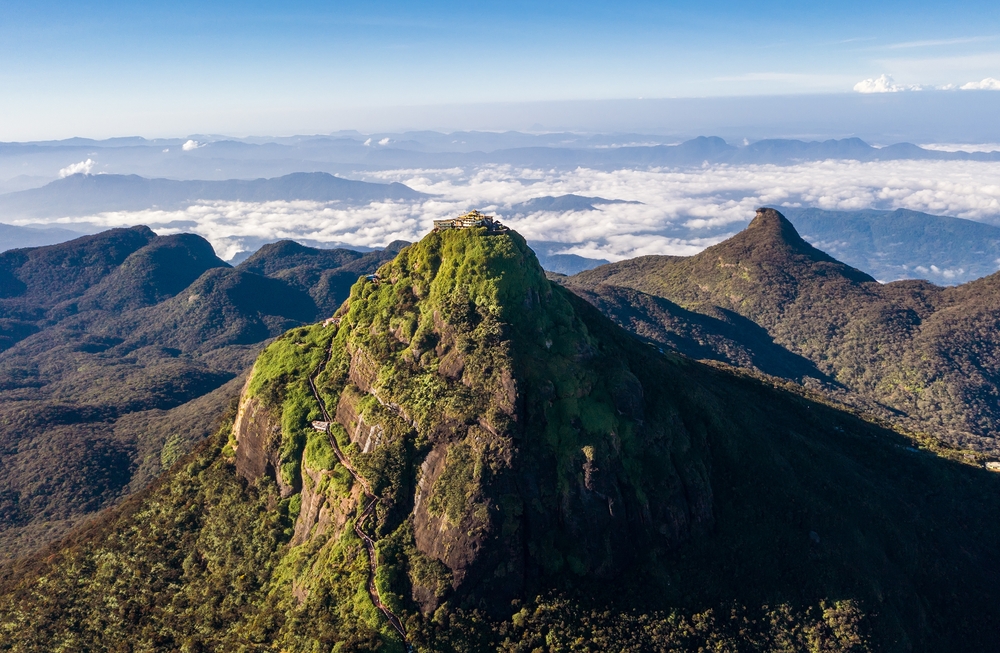
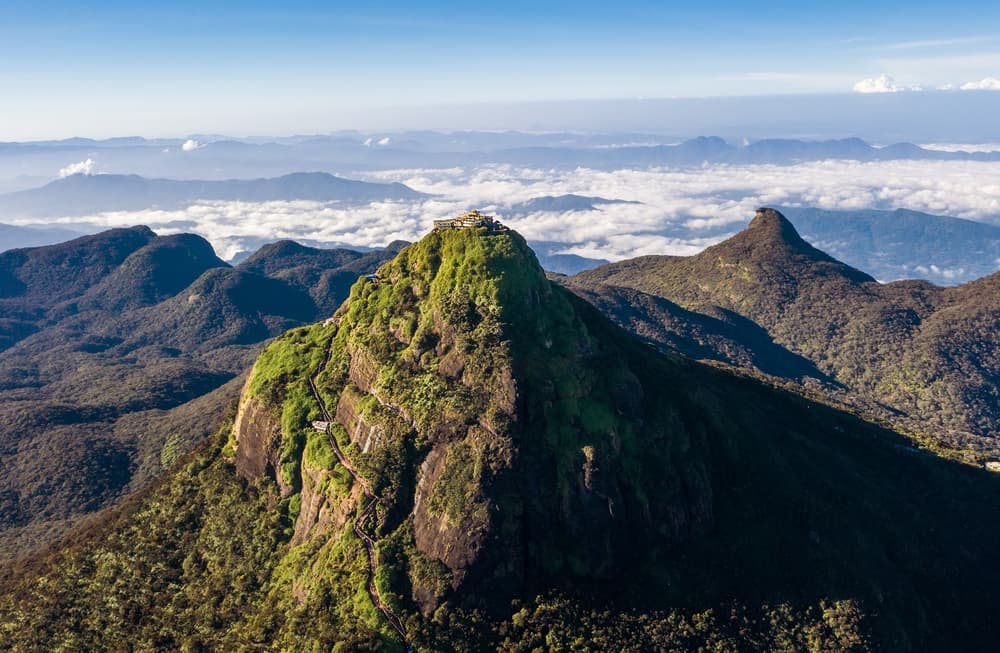
Located in Sri Lanka’s central highlands, Adam’s Peak—also known as Sri Pada—features a footprint-shaped rock at its summit sacred to Buddhists, Hindus, Muslims, and Christians. The climb is steep, often done overnight, with thousands of pilgrims making the ascent during the…
- PlaceMount Kenya National Park, Kenya
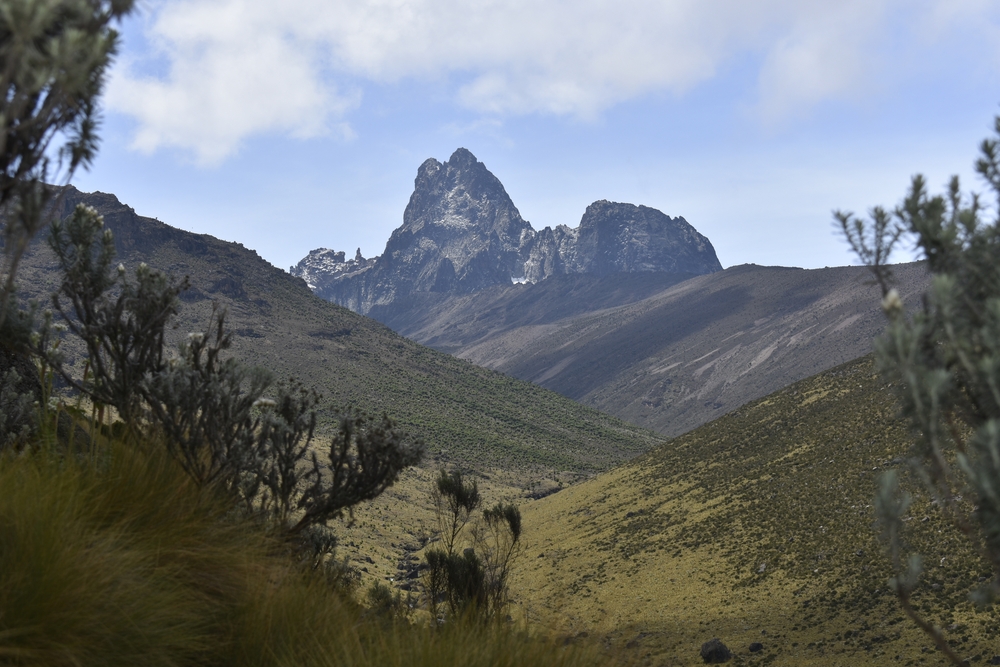
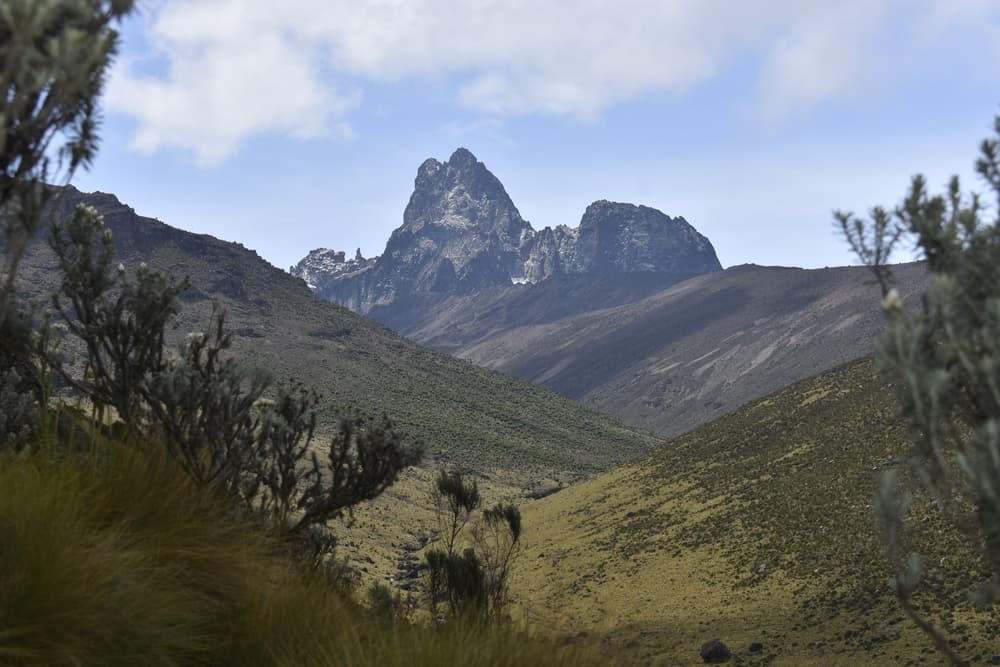
Africa’s second-highest peak and a UNESCO Biosphere Reserve, Mount Kenya is central to the creation myth of the Kikuyu people. Steeped in biodiversity, the mountain offers multi-day treks through bamboo forests, alpine zones, and glaciers. The pilgrimage lies in both the physical…
- PlaceTibet Autonomous Region, China
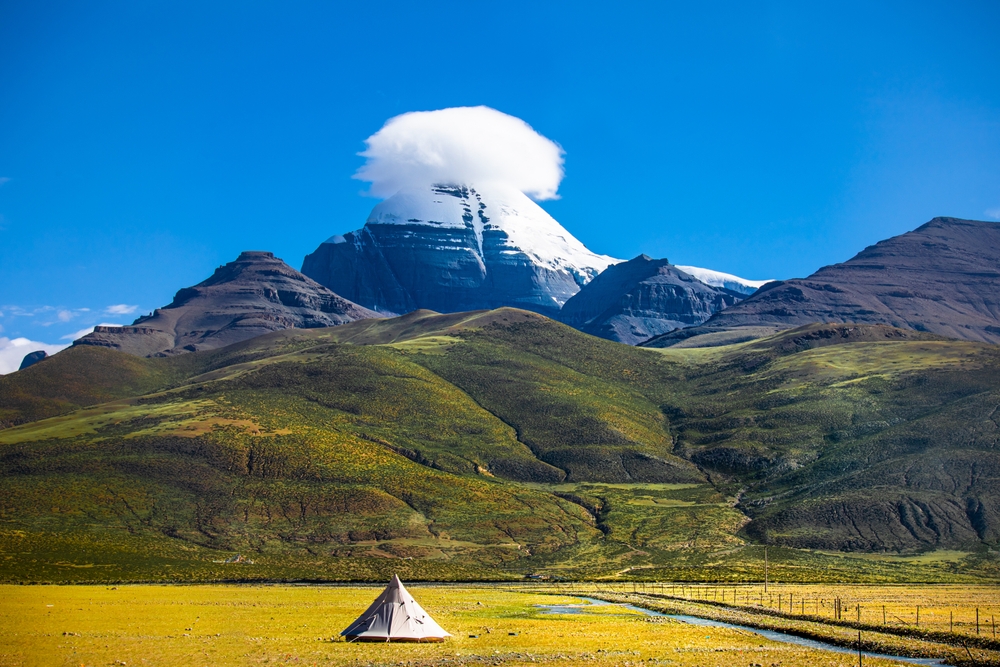
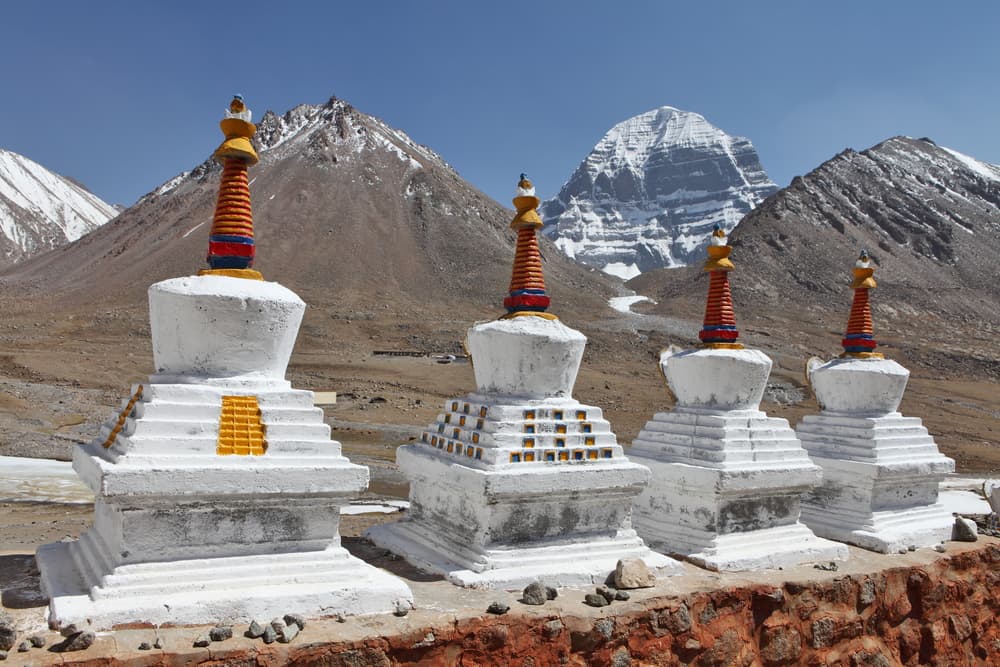
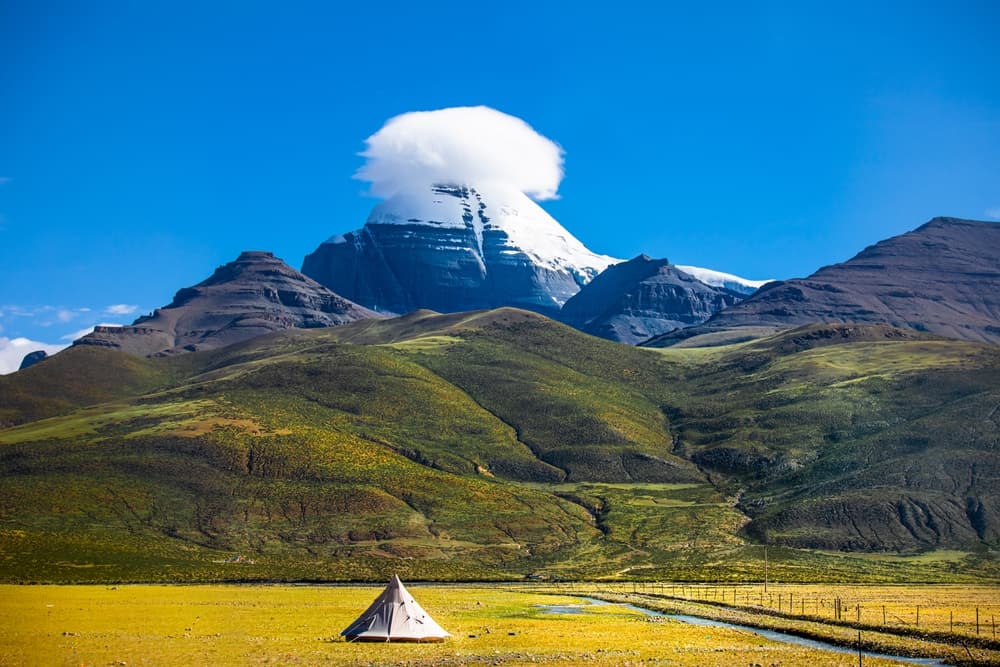
Mount Kailash stands as a spiritual axis in Tibet, revered in Hinduism, Buddhism, Jainism, and Bon. Pilgrims circumambulate the base—known as the 'kora'—rather than summit it, as climbing is forbidden. The 52-km loop passes over high-altitude passes, prayer flags, and remote…
- PlaceGreece
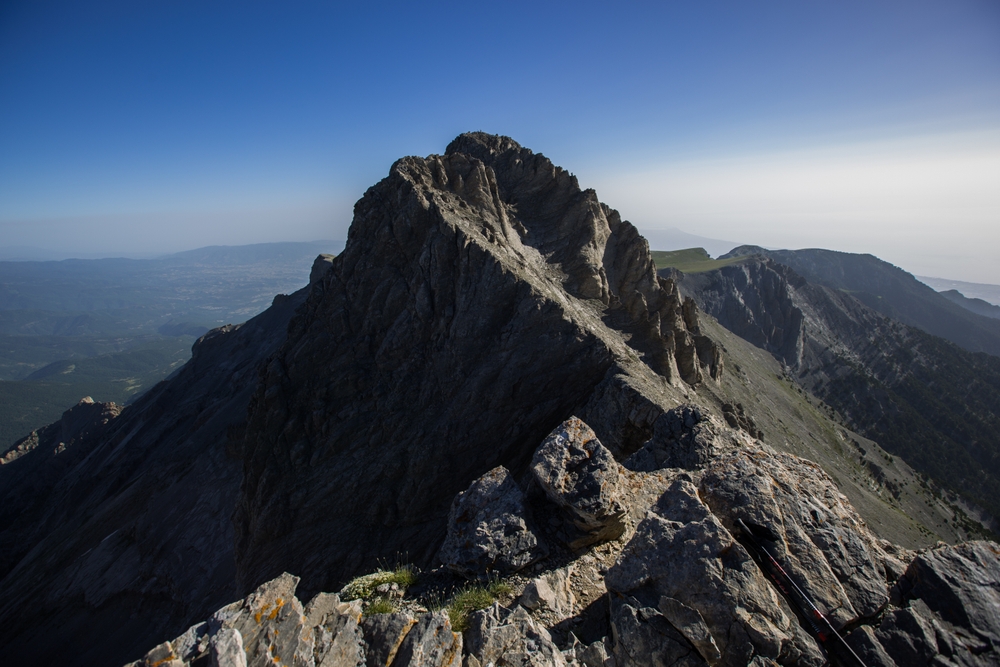
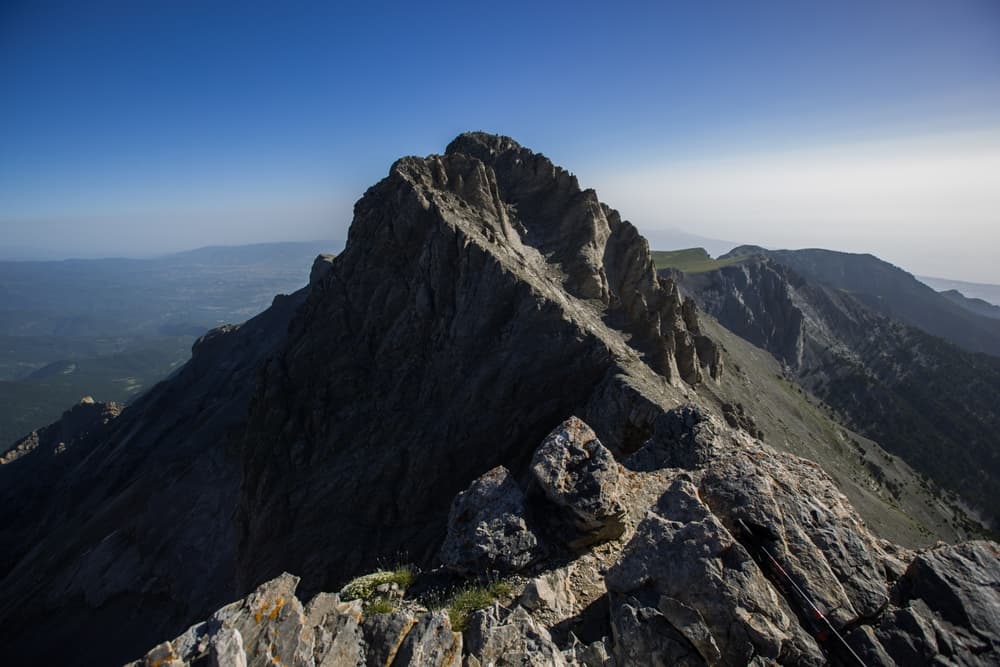
The mythical home of the Greek gods, Mount Olympus is Greece’s highest mountain. Mytikas, its summit, is a dramatic spire accessible via a classic alpine route. The peak draws hikers, climbers, and mythology lovers alike for its history, rugged beauty, and sweeping Aegean views.
- PlaceYamanashi, Japan
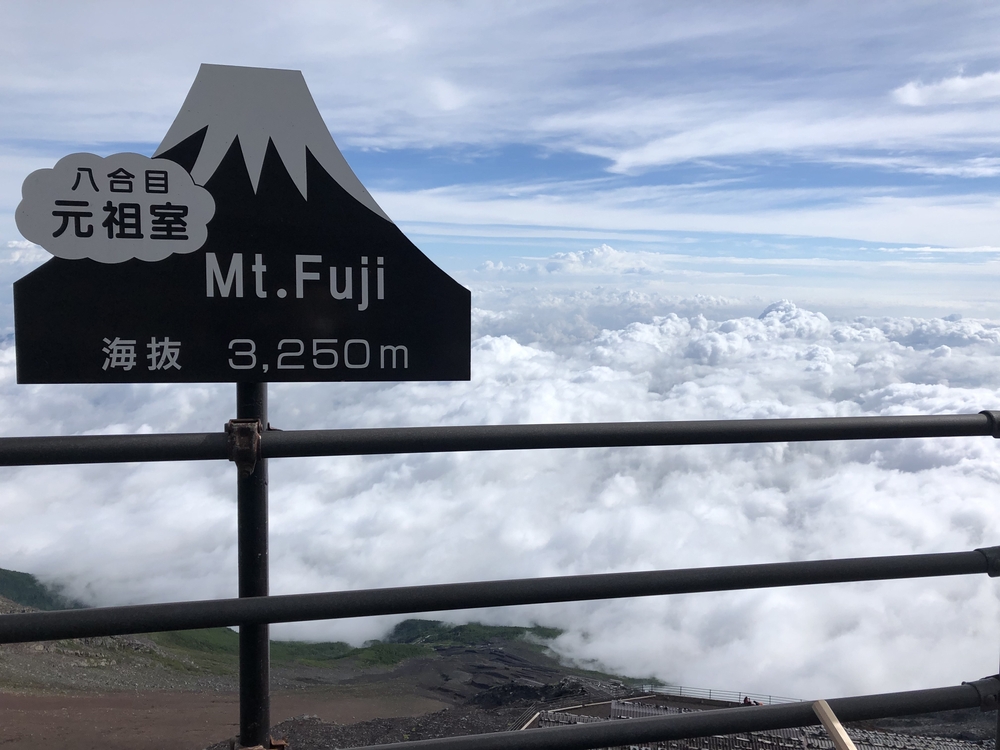
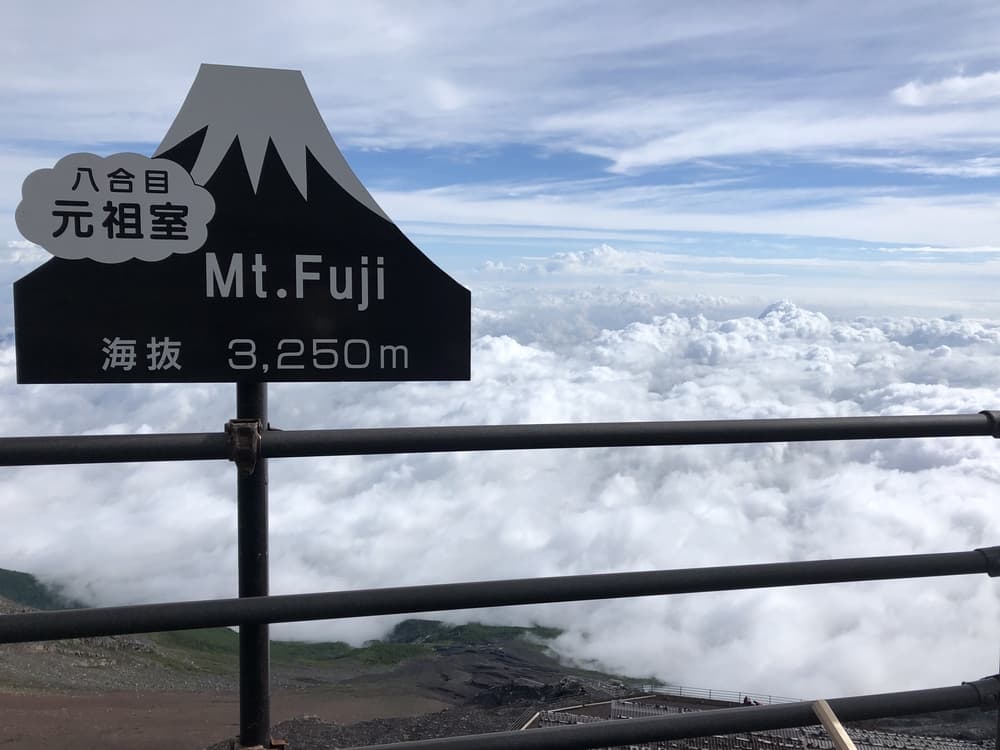
Standing 3,776 meters tall, Mount Fuji is Japan’s highest peak and a UNESCO World Heritage Site. It’s long been a place of spiritual ascent in both Shinto and Buddhist traditions. The climb is typically done at night to watch the sunrise from the summit—a symbolic rebirth ritual.…
- PlaceMount Shasta, California
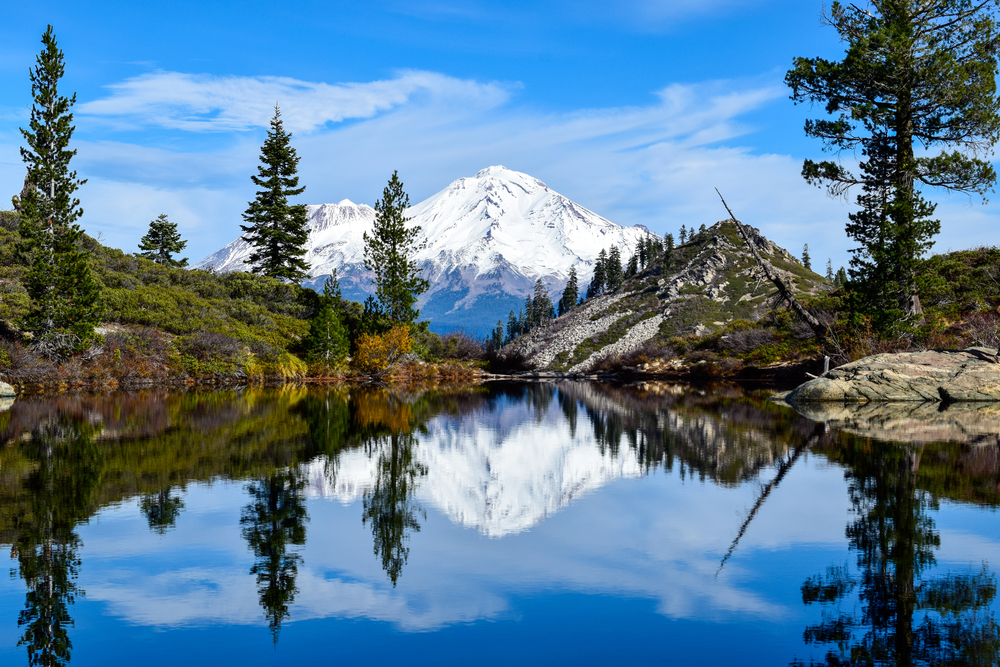
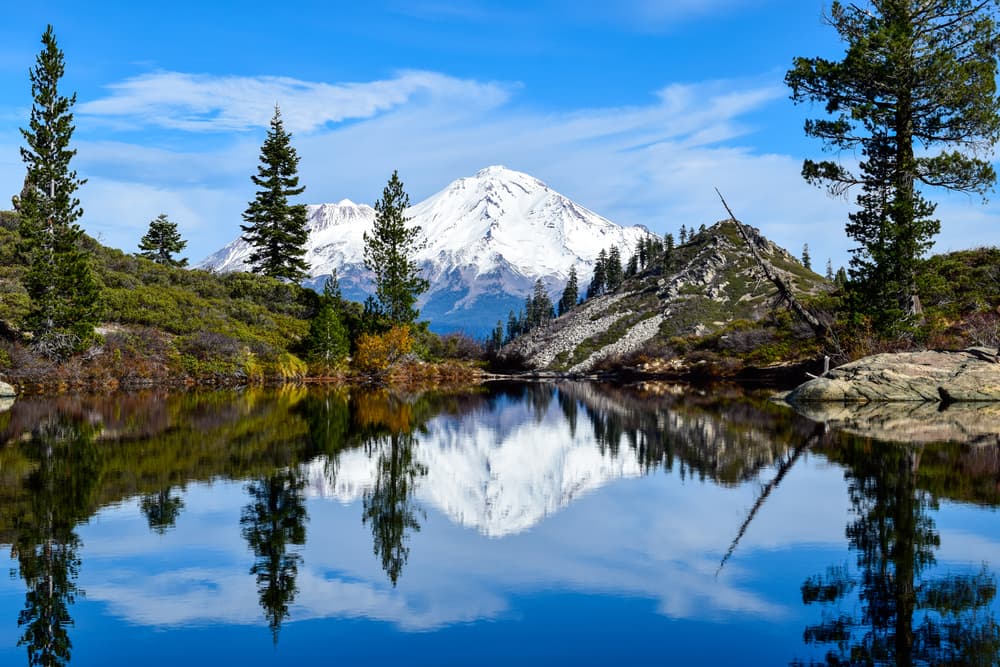
Mount Shasta rises in Northern California as a lone volcanic sentinel, revered by Native American tribes like the Wintu and Karuk. Considered a spiritual power center and Earth chakra, the mountain draws pilgrims, seekers, and mystics. The hike to Panther Meadow and beyond offers…
- PlaceOcongate, Peru
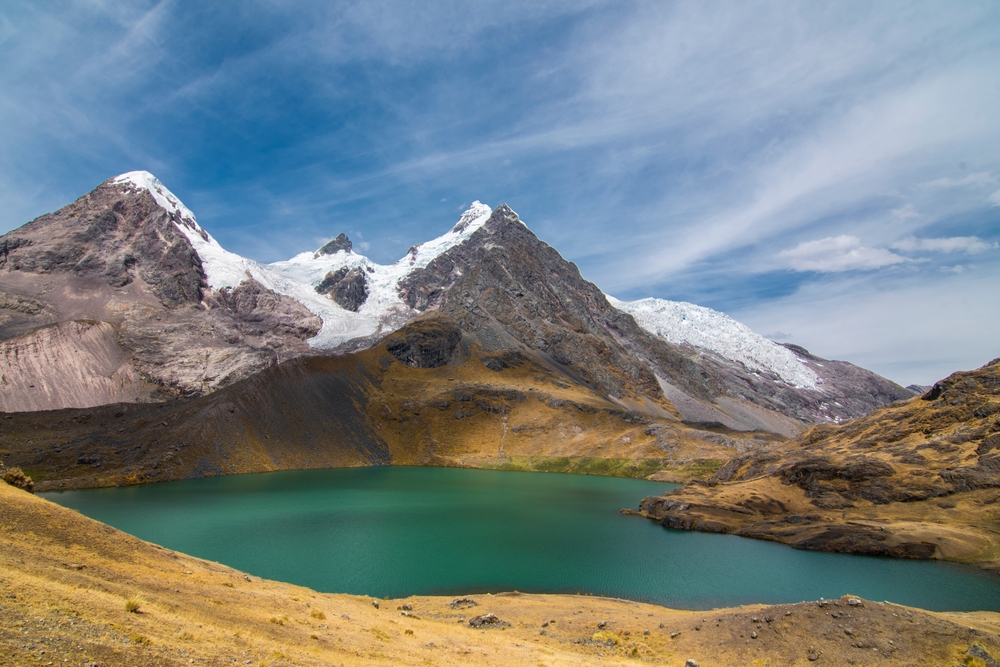
Located near Cusco, Peru, Ausangate is one of the most important 'apus' (sacred spirits) in Quechua tradition. The 70-km loop around the mountain features glacial lakes, rainbow-colored hills, hot springs, and remote alpaca herder communities. It's a physically demanding trek…
You can explore the itinerary while it loads.
Pins show individual places; there is no route between them. Select a pin to read its place in the itinerary.
Overview
The 8 Sacred Summits Challenge represents one of the world's most spiritually demanding mountaineering experiences, covering eight sacred peaks across four continents. This expert-level pilgrimage route combines technical alpine skills with cultural sensitivity, giving experienced mountaineers an authentic journey through humanity's most revered mountain landscapes. From Peru's rainbow-colored Ausangate to Tibet's cosmic Mount Kailash, each peak demands both physical endurance and spiritual preparation. The challenge showcases the dramatic contrast between different sacred mountain traditions, creating one of the world's most diverse spiritual trekking experiences. Unlike conventional peak-bagging expeditions, this route requires deep cultural understanding and respect for indigenous spiritual practices that have remained unchanged for millennia.
Overview
End Point: Variable route completion depending on chosen sequence Highest Point: Mount Kailash, Tibet at 6,714m (22,028ft) Lowest Point: Adam's Peak base, Sri Lanka at 193m Total Elevation Gain: Over 35,000 meters cumulative across all peaks The route's technical difficulty varies dramatically between peaks, with short exposed stretches and climbing sections that demand advanced mountain skills. Cultural protocols and permit restrictions add complexity beyond standard mountaineering challenges.
Highlights and Landmarks
The 8 Sacred Summits Challenge delivers constantly changing terrain across tropical highlands, arctic-alpine conditions, volcanic slopes, granite spires, monsoon forests, high-altitude deserts, Mediterranean climate zones, and glaciated peaks. Each summit represents distinct geological and cultural environments, from Andean mineral deposits to Tibetan plateau conditions.
Culture and History
Ancient pilgrimage routes connect traditional stone shelters, monasteries, and alpine settlements that showcase centuries of mountain spirituality. Traditional architecture dots landscapes with historic religious buildings reflecting deep cultural roots. The challenge passes numerous UNESCO World Heritage sites and protected cultural areas where local communities maintain connections to sacred landscapes through traditional ceremonies, seasonal pilgrimages, and ancestral practices preserved across generations. The 8 Sacred Summits preserves authentic mountain spirituality across Hindu, Buddhist, Christian, Islamic, indigenous Andean, Māori, and ancient Greek traditions. Ancient trade routes and pilgrimage paths crossed these mountains for millennia, connecting spiritual centers with remote mountain communities. Seasonal migration patterns brought religious practitioners to high-altitude ceremonial sites each year, creating networks of trails and sacred settlements that modern pilgrims now follow. The regions' strategic spiritual significance made them historically important for trans-continental religious exchange, while remote locations preserved traditional practices that disappeared elsewhere as modernization advanced.
Geology
The 8 Sacred Summits traverse diverse geological formations from Andean granite peaks and Tibetan sedimentary ranges to volcanic cones and ancient crystalline massifs. Glacial activity, volcanic processes, and tectonic forces created the dramatic landscapes that inspired spiritual significance across cultures. Contrasts between granite formations, limestone karst, volcanic rock, and sedimentary layers create diverse climbing terrain from solid walls to loose scree slopes. Alpine ecosystems range from tropical cloud forests to arctic-alpine plant communities above treeline. Endemic species adapted to extreme mountain environments include rare alpine flowers, specialized high-altitude fauna, and unique plant communities.
Essential Gear
The Sacred Summits Challenge requires comprehensive mountaineering equipment beyond standard hiking gear, adapted for extreme altitude variations and diverse climate conditions. Four-season mountaineering boots with crampon compatibility prove essential across multiple peaks, while technical climbing gear becomes necessary for exposed sections on several routes. Weather protection systems must handle tropical monsoons, arctic conditions, volcanic ash, and rapid altitude-related weather changes. Waterproof shell clothing, comprehensive insulating layers, and emergency shelter provide protection against sudden storms common at high altitudes. Navigation equipment must include detailed topographic maps, GPS devices with offline regional maps, and traditional compass/altimeter backup systems. Cultural gear requirements include appropriate offerings for local traditions, modest clothing respecting religious sensibilities, and ceremonial items where culturally appropriate.
Accommodation
The Sacred Summits Challenge utilizes diverse accommodation networks including mountain monasteries, traditional pilgrimage hostels, alpine refuges, and basic mountain shelters scattered across the route. Overnight arrangements must be booked well in advance due to limited capacity and seasonal restrictions, particularly for politically sensitive regions requiring special permits. Some peaks offer comfortable lodge-based approaches while others demand camping or basic shelter accommodation throughout ascent periods. Religious accommodation often includes participation in daily spiritual practices, creating authentic cultural immersion opportunities for respectful visitors. Prices vary significantly based on location, facilities, political restrictions, and seasonal pilgrimage demand patterns.
Food and Water
Mountain accommodation along the 8 Sacred Summits routes typically provides meals featuring regional specialties that reflect local spiritual and cultural traditions. Traditional dishes include Andean quinoa preparations, Tibetan tsampa, Sri Lankan rice and curry, Japanese mountain vegetables, and Greek Orthodox fasting foods, depending on location and religious calendar. Self-catering requires extensive planning due to limited resupply opportunities in remote sacred areas. Pilgrims choosing independent approaches must carry substantial food supplies between settlements. Water sources include mountain springs, monastery wells, and natural streams, though all natural water requires treatment before consumption.
Navigation
The 8 Sacred Summits Challenge alternates between established pilgrimage trails and unmarked alpine terrain, requiring advanced navigation skills and cultural knowledge. Trail marking varies throughout routes, with some sections following ancient stone-marked paths while others cross technical terrain demanding route-finding abilities and local guide assistance. Detailed topographic maps covering complete routes prove essential, with regional mapping authorities providing necessary detail for safe navigation. Digital applications with offline capability serve as valuable backup, though electronic devices may fail in extreme conditions or politically restricted areas where GPS accuracy becomes compromised. Cultural navigation includes understanding ceremonial timing, restricted access periods, and appropriate pilgrimage protocols that affect route planning and daily scheduling throughout the challenge period.
Safety and Risk Management
The 8 Sacred Summits Challenge presents serious alpine hazards combined with cultural and political risks demanding comprehensive preparation. Technical terrain includes rockfall danger, avalanche exposure, river crossings, and weather-related hazards varying by season and location. Altitude-related illness risks increase significantly above 4,000 meters across multiple peaks in the challenge sequence. Political instability affects several regions, particularly Tibet and certain Andean areas, where permit situations change rapidly. Cultural sensitivity mistakes can create serious problems with local communities or religious authorities, potentially resulting in expedition termination or legal difficulties. Emergency communication remains challenging throughout most routes, making satellite devices essential for serious emergencies. Medical evacuation capabilities vary dramatically between regions, from helicopter access to multi-day ground evacuation scenarios requiring careful risk assessment and insurance coverage.
Permits and Fees
The Sacred Summits Challenge crosses multiple international borders and culturally sensitive areas requiring complex permit arrangements and substantial fees. Tibet Travel Permits for Mount Kailash require Chinese visa coordination and authorized tour group participation, with costs exceeding $3,000 per person excluding international transportation. Mountaineering permits vary by country and peak, with some requiring technical climbing credentials while others focus on cultural sensitivity training. Processing times range from weeks to months, requiring careful advance planning to coordinate seasonal windows across different regions. Cultural fees may include monastery donations, ceremony participation costs, local guide requirements, and community development contributions where traditional agreements exist. Equipment rental availability varies dramatically between developed and remote regions, though critical safety equipment should remain personally owned for reliability and proper fit. Total challenge costs typically range from $25,000 to $60,000 per person, depending on route choices, accommodation standards, guide services, and transportation methods—making this among the world's most expensive mountaineering challenges due to cultural requirements and remote location access.
8 Sacred Peaks: common questions
How long is 8 Sacred Peaks?
8 Sacred Peaks covers 225 km in total.
How long does 8 Sacred Peaks take to complete?
Most people complete 8 Sacred Peaks in about 1-3 years.
When is the best time to do 8 Sacred Peaks?
The best season for 8 Sacred Peaks is Anytime.
How many checkpoints does 8 Sacred Peaks have?
8 Sacred Peaks has 8 checkpoints to log on the way to finishing it.
Plan your journey.
Keep this journey for later, or share it with someone you would like to go with.