
7 Summits Challenge
Worldwide
About this quest
The Seven Summits challenge is an iconic adventure that takes you to the tallest peaks on each of the seven continents, testing your endurance and skill from the frozen terrain of Antarctica to the heights of Africa's Mount Kilimanjaro.
Quick facts
- peaks
- 7located
- shape
- collection
- total distance
- 80 miles
- best season
- Anytime
- avg completion
- 2-10 years
Loading your progress…
Map and places
Choose a place. Visit in any order.
- PlaceRussia
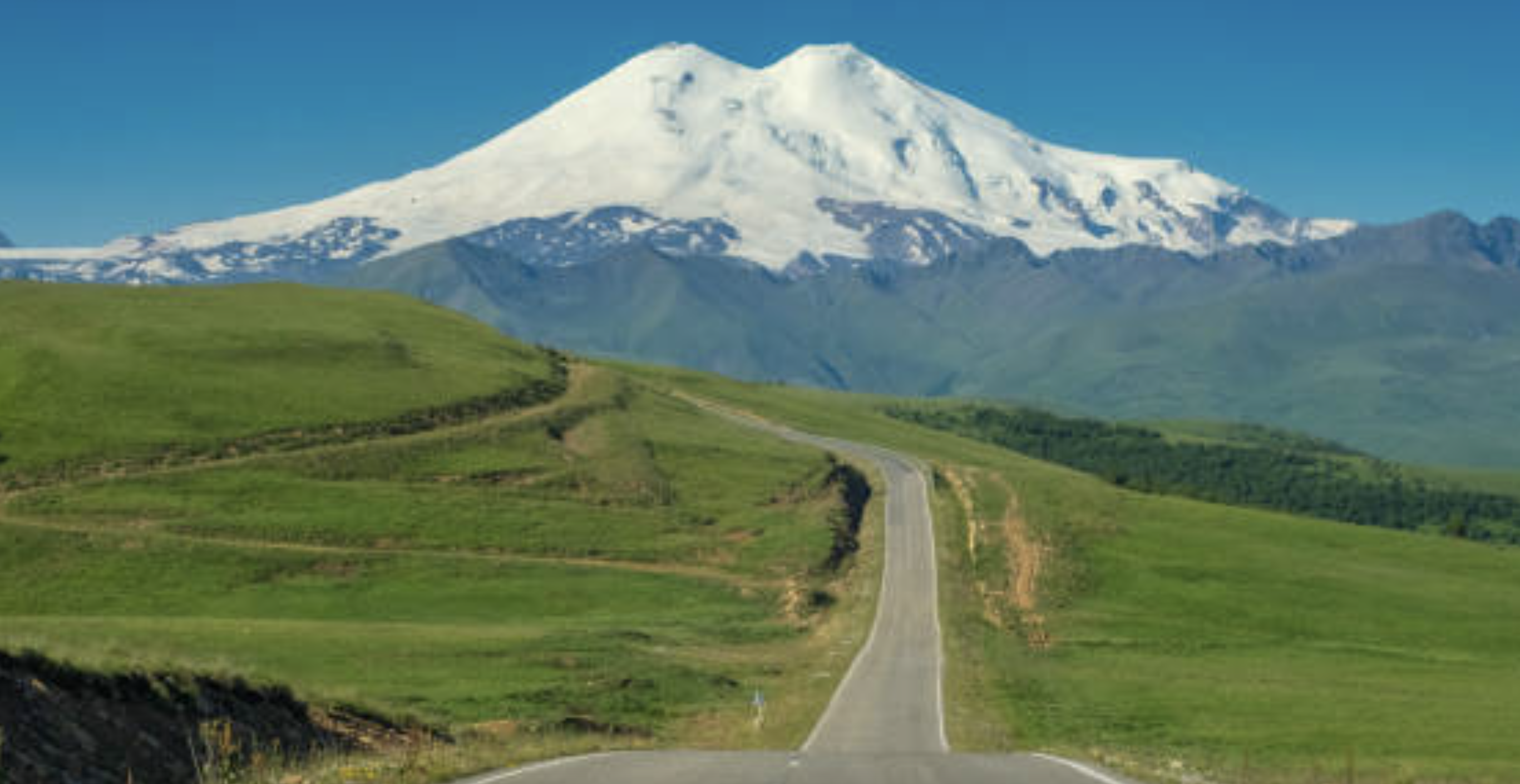
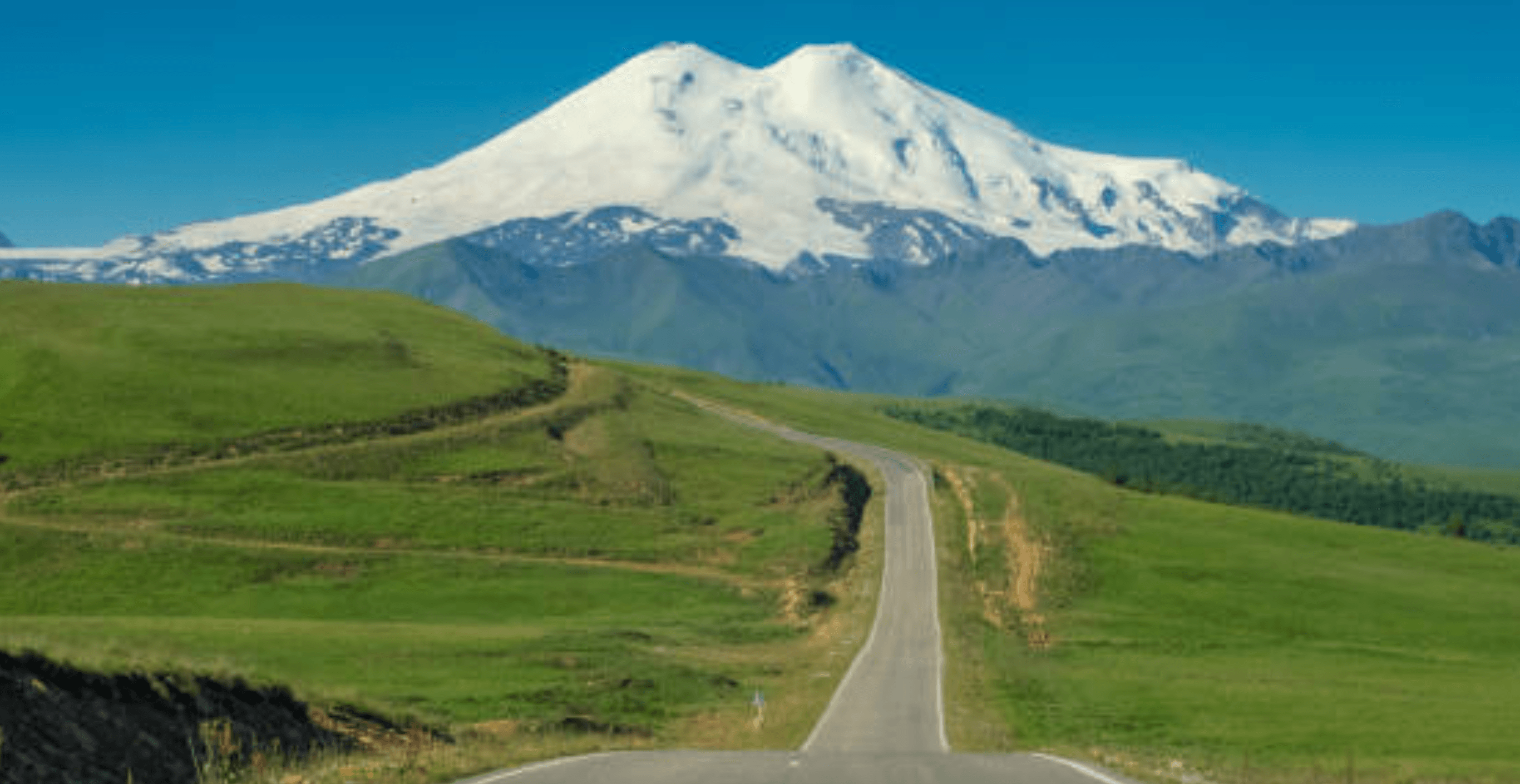
Europe’s highest peak, requiring glacier travel skills.
- PlaceArgentina
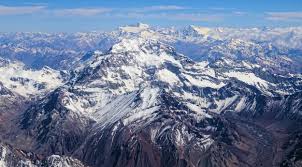
The highest peak outside of Asia, a non-technical but demanding climb.
- PlaceNepal/Tibet
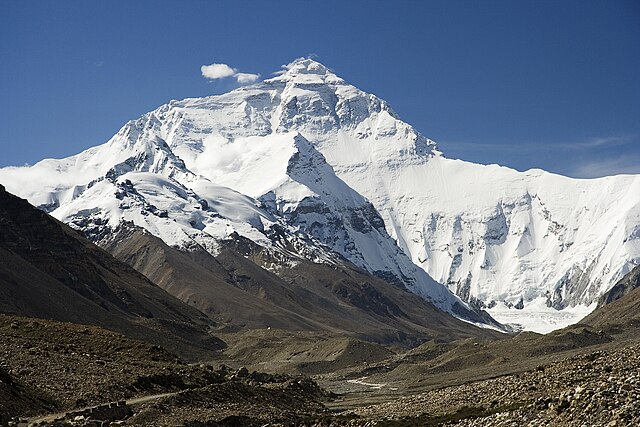
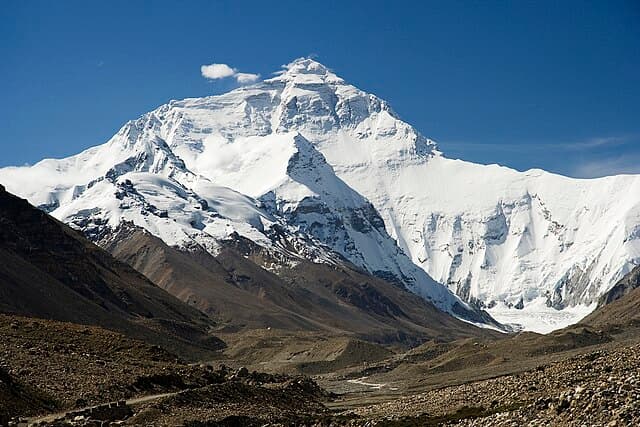
The tallest mountain on Earth, a legendary expedition.
- PlaceIndonesia
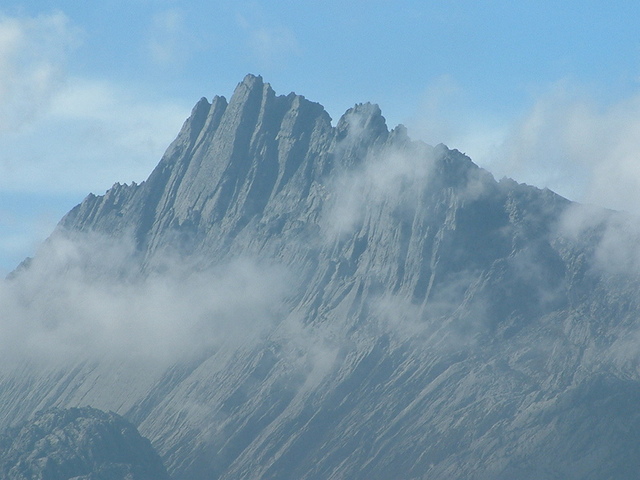
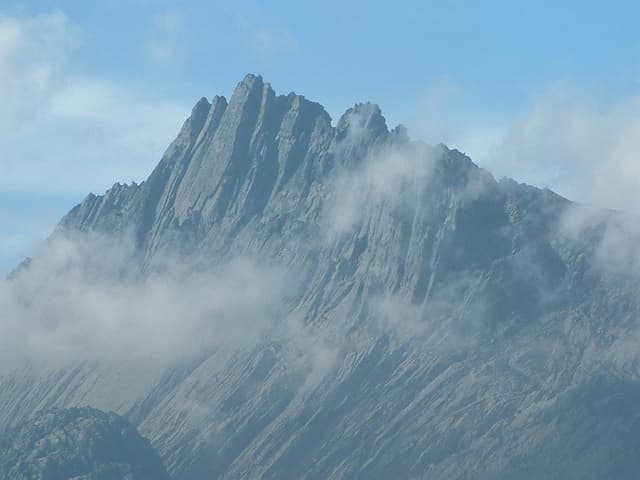
A technical rock climb and the highest peak in Oceania.
- PlaceTanzania
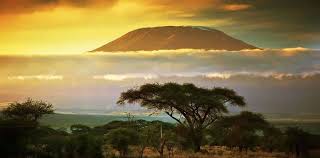
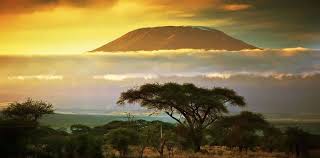
A trekker’s summit, the highest in Africa.
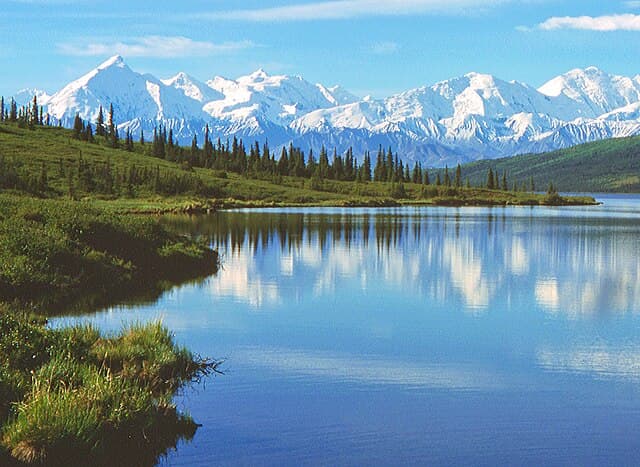
- PlaceDenali National Park, Alaska, United States
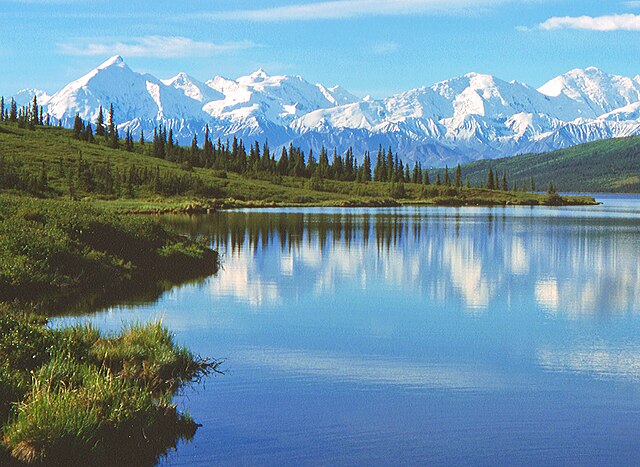
Location not mapped
- PlaceAntarctica
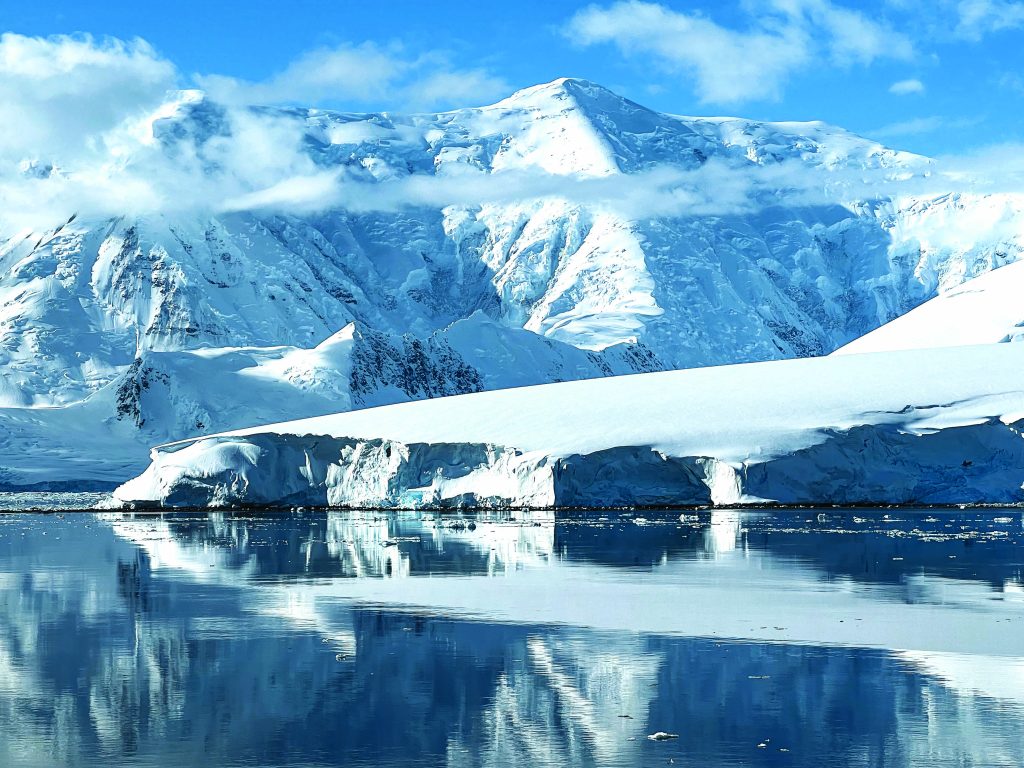
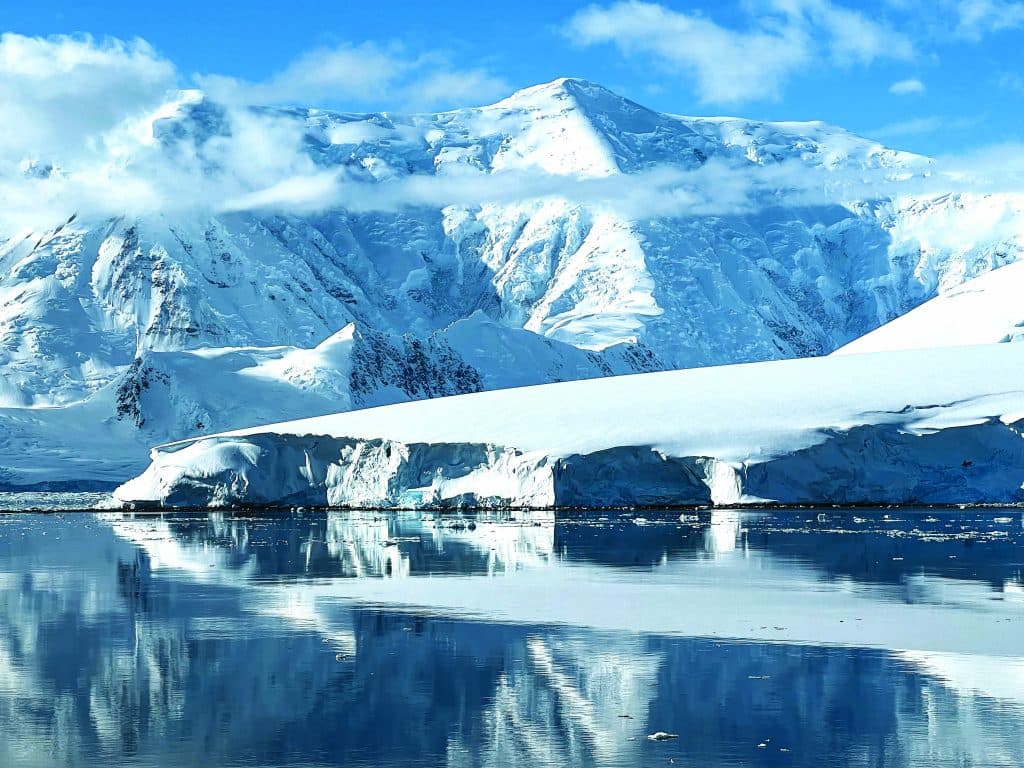
The highest peak in Antarctica, an expedition-style climb.
You can explore the itinerary while it loads.
Pins show individual places; there is no route between them. Select a pin to read its place in the itinerary.
1 place is not mapped yet: Denali National Park.
Overview
The 7 Summits Challenge stands as one of the most iconic and demanding mountaineering achievements worldwide, inviting climbers and hikers to reach the highest peak on each of the seven continents. This challenge is widely regarded as the ultimate test of endurance, skill, and determination, combining extreme altitude, diverse climates, and a variety of technical difficulties.
Statistics and Elevation Profile
The 7 Summits Challenge consists of summiting the highest mountain on each continent, with a total elevation gain that varies widely depending on the individual mountains. The traditional list includes Mount Everest in Asia (8,848 meters / 29,029 feet), Aconcagua in South America (6,962 meters / 22,841 feet), Denali in North America (6,190 meters / 20,310 feet), Kilimanjaro in Africa (5,895 meters / 19,341 feet), Elbrus in Europe (5,642 meters / 18,510 feet), Vinson Massif in Antarctica (4,892 meters / 16,050 feet), and Carstensz Pyramid in Oceania (4,884 meters / 16,024 feet). Among these, Everest represents the highest and most technically challenging peak, requiring advanced climbing skills and acclimatization to extreme altitude. A typical expedition to these peaks can last from a week (for Kilimanjaro) to over a month (for Everest), with significant time spent on acclimatization and preparation. Elevation gains on individual climbs can range from about 1,500 meters on Kilimanjaro’s ascent to more than 3,000 meters on Denali, reflecting the variety of terrain and difficulty involved.
Highlights and Landmarks
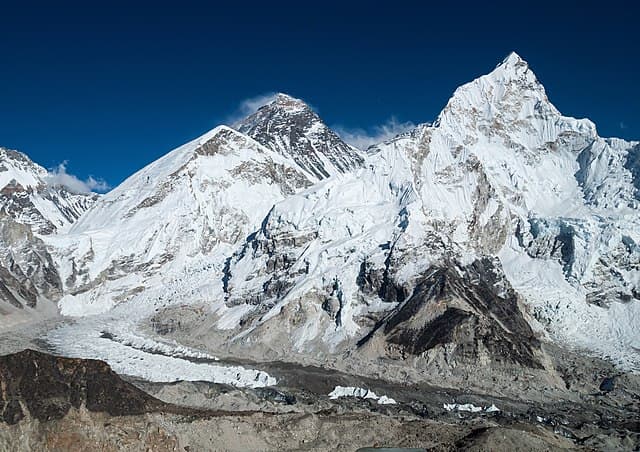
Each summit offers unique highlights and memorable landmarks that showcase the diversity of the world’s highest peaks. Mount Everest, located in the Himalayas, is famous for its iconic South Col and the challenging Hillary Step near the summit, with breathtaking views of surrounding giants like Lhotse and Nuptse. Aconcagua, the highest point outside Asia, features vast snowfields and dramatic ridges, with base camps nestled at the foothills of the Andes. Denali stands out for its massive vertical relief and subarctic wilderness, with climbers passing through glaciers, icefalls, and rugged alpine terrain. Kilimanjaro, Africa’s tallest mountain, offers a trek through multiple climatic zones, from tropical rainforest at its base to the lunar-like summit crater. Elbrus, the highest peak in Europe, is notable for its twin summits and accessibility via ski lifts, making it a popular choice for climbers of varying experience. Vinson Massif, in the icy expanse of Antarctica, impresses with its remote location and extreme cold conditions, while Carstensz Pyramid is renowned for its technical rock climbing challenges and cultural richness in the remote jungles of Papua.
Culture and History
The 7 Summits Challenge connects climbers with diverse cultures and histories across the continents. Everest lies in the heart of Nepal and Tibet, regions rich in Buddhist traditions and Sherpa mountaineering heritage. The mountain has been the site of pioneering climbs since the early 20th century, with legends like Sir Edmund Hillary and Tenzing Norgay marking its historic first ascent in 1953. Aconcagua, located in Argentina, lies near ancient Incan trade routes and embodies South American mountaineering spirit. Denali, formerly Mount McKinley, holds profound importance for Alaska Native peoples and symbolizes wilderness preservation in North America. Kilimanjaro, a dormant volcano in Tanzania, is a cultural icon of Africa and a source of inspiration in local folklore and conservation efforts. Elbrus, situated in Russia’s Caucasus Mountains, reflects a history of both local mountaineering and geopolitical significance as a border region. Vinson Massif, though rarely visited, represents human endurance in one of the planet’s harshest environments, while Carstensz Pyramid lies within indigenous Papuan territories, connecting climbers with remote tribal cultures and environmental challenges linked to tropical deforestation.
Geology
The 7 Summits span an extraordinary range of geological formations, each shaped by millions of years of natural forces. Everest is primarily composed of sedimentary and metamorphic rocks uplifted by the collision of the Indian and Eurasian tectonic plates, creating the world’s tallest peak. Aconcagua is a massive stratovolcano formed by volcanic activity along the Andean volcanic belt. Denali’s core consists of granite intrusions uplifted by tectonic forces, surrounded by glaciers and icefields sculpted during the last ice age. Kilimanjaro is a stratovolcano with three volcanic cones, representing some of the youngest volcanic activity in East Africa. Elbrus is a dormant volcano with a similar volcanic origin in the Caucasus range. Vinson Massif belongs to the Sentinel Range and features ancient metamorphic rocks covered by permanent ice and snow, reflecting Antarctica’s glaciated landscape. Carstensz Pyramid is a limestone mountain formed from coral reefs uplifted during tectonic activity, notable as the highest island peak in the world and an example of tropical high-altitude geology.
Essential Gear
Completing the 7 Summits Challenge requires specialized gear suited for a variety of climates and technical demands. For high-altitude peaks like Everest and Denali, mountaineers need insulated boots, crampons, ice axes, helmets, harnesses, and ropes for glacier travel and climbing. Layered clothing is essential to handle extreme cold and rapidly changing weather conditions, including down jackets, base layers, and waterproof shells. For less technical but still demanding climbs like Kilimanjaro and Elbrus, sturdy hiking boots, trekking poles, and lightweight, breathable clothing suffice, though altitude sickness prevention remains critical. Sun protection with high SPF sunscreen and sunglasses is vital at high elevations. Navigation tools such as GPS devices, maps, and communication equipment like satellite phones enhance safety during remote expeditions. Proper backpacking gear including tents, sleeping bags rated for cold temperatures, cooking equipment, and sufficient food supplies are necessary, especially for Vinson Massif and Carstensz Pyramid where infrastructure is minimal. Training in technical climbing skills and altitude acclimatization is strongly recommended before attempting the challenge.
Accommodation
Accommodation options vary widely across the 7 Summits due to their differing remoteness and climbing infrastructure. Everest Base Camp and Kilimanjaro routes feature a network of lodges, teahouses, and campsites providing food and shelter. Booking these in advance, particularly during peak climbing seasons (spring for Everest and summer for Kilimanjaro), is essential to secure availability. Denali and Aconcagua expeditions often involve multi-day camping on the mountain, with climbers carrying their gear or using guided services that arrange camps. Vinson Massif and Carstensz Pyramid expeditions require self-supported camping or arranged base camps, usually organized through specialized expedition operators. Elbrus has mountain huts and cable car access, allowing for a range of accommodation from camping to hotels. Advance planning for permits, guide services, and logistical support is critical due to the complexity and cost of these climbs. Many peaks have limited climbing windows, so booking months or even a year ahead is common.
Food and Water
Food and hydration are crucial components of the 7 Summits Challenge, with climbers needing high-calorie, lightweight, and easily digestible meals to maintain energy. On Everest and Denali, expeditions typically carry freeze-dried or dehydrated meals, supplemented by snacks like nuts, energy bars, and chocolate. Hydration systems with insulated water bottles or thermoses help prevent freezing in extreme cold. Kilimanjaro and Elbrus treks offer more frequent access to local food, with traditional meals available in villages or huts. Carrying water purification tablets or filters is essential when relying on natural water sources such as streams or snowmelt. Vinson Massif requires carrying all food supplies as resupply is nearly impossible during the expedition.
Navigation
Each of the 7 Summits comes with distinct navigation challenges, requiring careful preparation and reliable route-finding skills. Everest and Denali have well-established routes with fixed ropes and marked camps, but whiteout conditions and crevasse fields can complicate navigation. Kilimanjaro’s trails are well-marked and supported by guides, making navigation straightforward. Aconcagua routes vary from well-marked trails to technical climbing paths, demanding map reading and GPS use. Elbrus has clear paths and cable car access, but weather can obscure landmarks. Vinson Massif’s remote location means navigation relies heavily on GPS and radio communication due to the absence of permanent trails. Carstensz Pyramid involves technical rock climbing through dense jungle and requires expert route-finding ability and local guides familiar with the terrain. Climbers are advised to carry multiple navigation tools including physical maps, GPS devices with offline capabilities, and satellite phones or emergency beacons.
Safety and Risk Management
Safety on the 7 Summits Challenge is paramount given the extreme conditions encountered. Altitude sickness poses a significant risk on high peaks and requires gradual acclimatization and monitoring. Weather can change suddenly, with storms, avalanches, and crevasse hazards common at high elevations. Technical skills for glacier travel, rock climbing, and ice climbing are essential to manage objective dangers. Emergency evacuation options are limited, especially on Vinson Massif and Carstensz Pyramid, so careful risk assessment and contingency planning are necessary.
Permits and Fees
Most of the 7 Summits require permits and fees, which vary depending on the country and mountain regulations. Everest climbing permits from Nepal or Tibet are among the most expensive, often costing thousands of dollars per climber. Aconcagua and Denali also have permit systems with fees varying by route and season. Kilimanjaro requires climbing permits, park fees, and camping fees, all regulated by Tanzanian authorities. Elbrus climbing permits are generally affordable but mandatory. Access to Vinson Massif requires permits coordinated through the United States Antarctic Program and expedition organizers. Carstensz Pyramid climbing requires permits from the Indonesian government, as well as local tribal permissions and support. Planning and securing permits well in advance is crucial, as some mountains have limited quotas and strict climbing seasons. Budgeting for these costs is essential for a successful 7 Summits campaign.
7 Summits Challenge: common questions
How long is 7 Summits Challenge?
7 Summits Challenge covers 80 miles in total.
How long does 7 Summits Challenge take to complete?
Most people complete 7 Summits Challenge in about 2-10 years.
When is the best time to do 7 Summits Challenge?
The best season for 7 Summits Challenge is Anytime.
How many checkpoints does 7 Summits Challenge have?
7 Summits Challenge has 7 checkpoints to log on the way to finishing it.
Plan your journey.
Keep this journey for later, or share it with someone you would like to go with.