
The 14 Peaks Challenge
Himalaya, Ghandruk, Kaski, Gandaki Province, Nepal
.jpg&w=3840&q=75&dpl=dpl_BopNME9LWLsJnQ9XffUX3zkS7Twj)
About this quest
Summit all 14 of the world’s mountains over 8,000 meters in the Himalayas and Karakoram—an elite and dangerous challenge completed by fewer than 50 climbers. Requires expert alpine skills, years of preparation, and navigating extreme altitudes and terrains.
Quick facts
- peaks
- 14located
- shape
- collection
- total distance
- 1000 km
- best season
- Summer, Spring, Fall
- avg completion
- 2-10 years
Loading your progress…
Map and places
Choose a place. Visit in any order.
- PlaceHimalayas
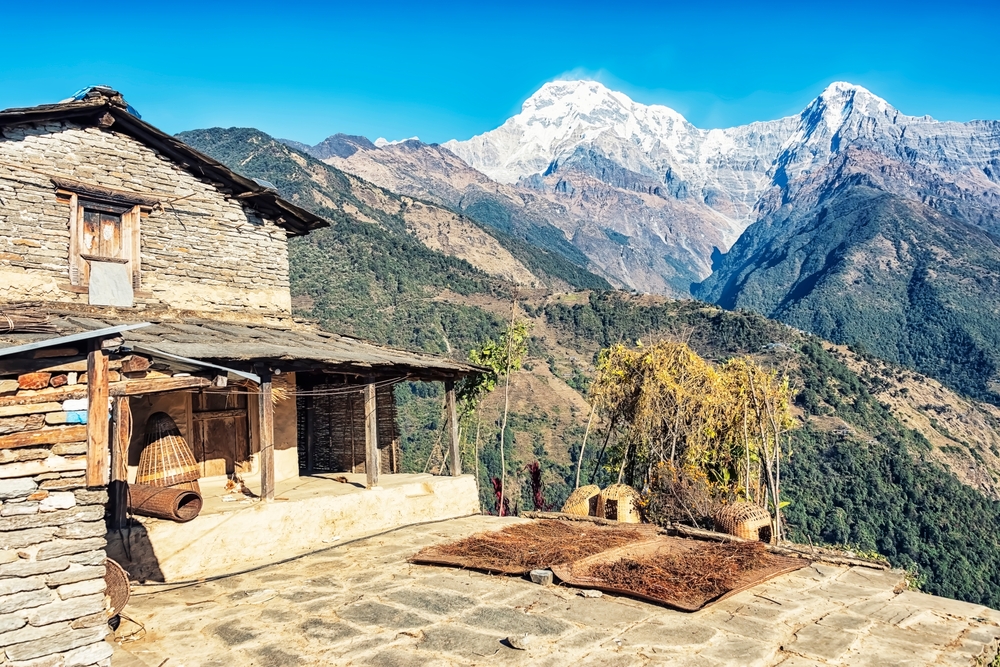
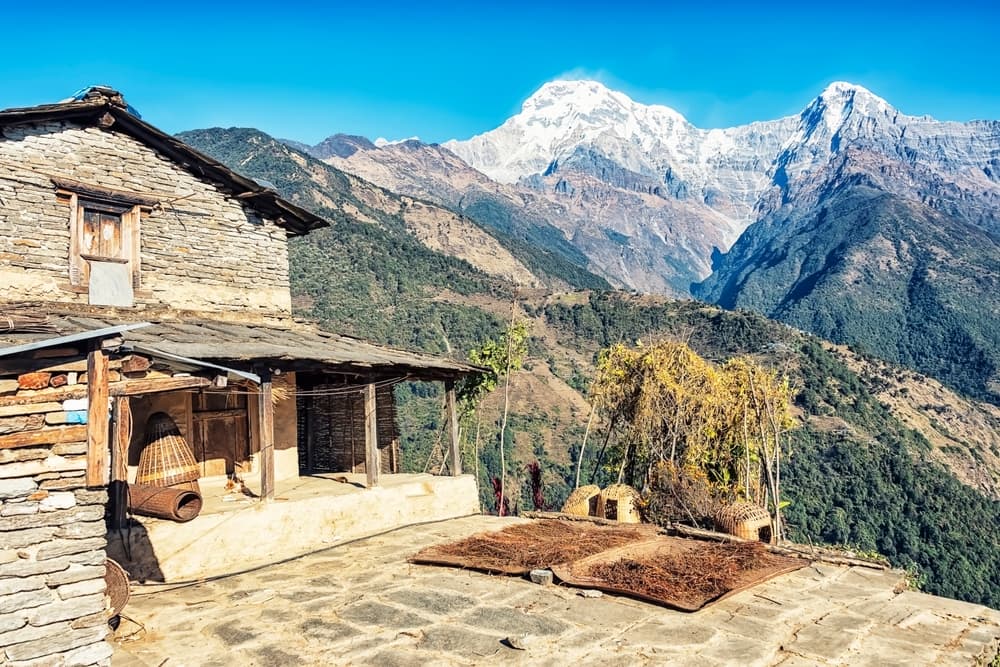
The first 8000er ever summited, Annapurna I is revered and feared. Ice cliffs and avalanche-prone terrain make this a highly dangerous climb.
- PlaceKarakoram
It is often attempted by K2 expeditions as a warm-up or standalone goal. The summit ridge can be deceiving and physically exhausting.
- PlaceHimalayas
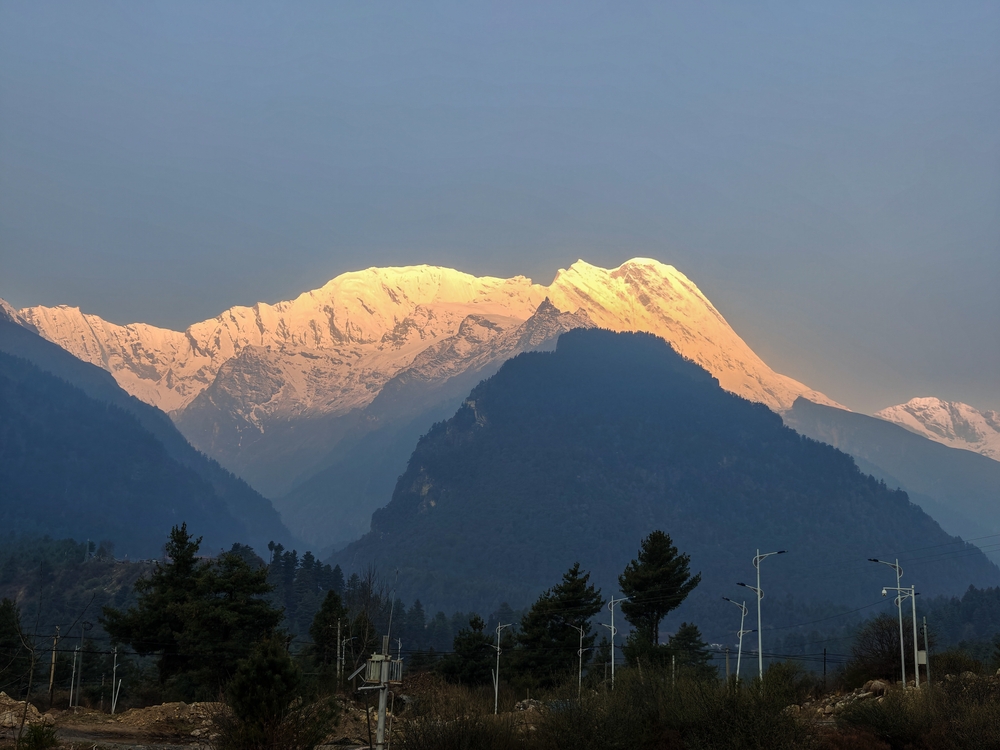
Despite its altitude, it presents a classic Himalayan climb with snowfields and plateau-style summiting. Politically sensitive, access requires Chinese permits.
- PlaceHimalayas
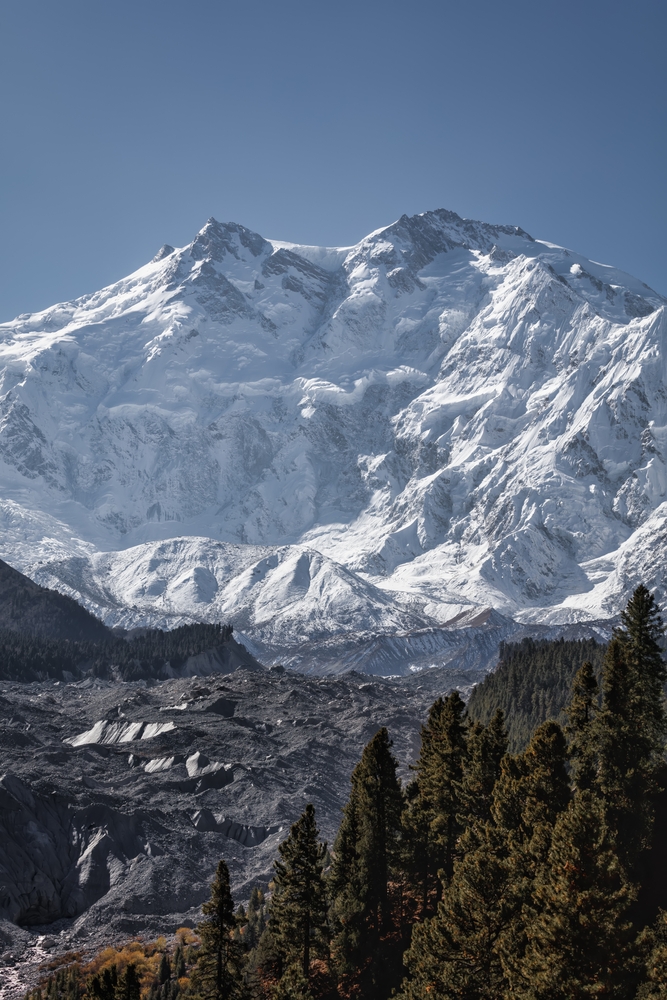
It’s one of the deadliest mountains due to steep terrain, avalanches, and limited access. Climbing routes vary from technical walls to exposed ridgelines.
- PlaceHimalayas
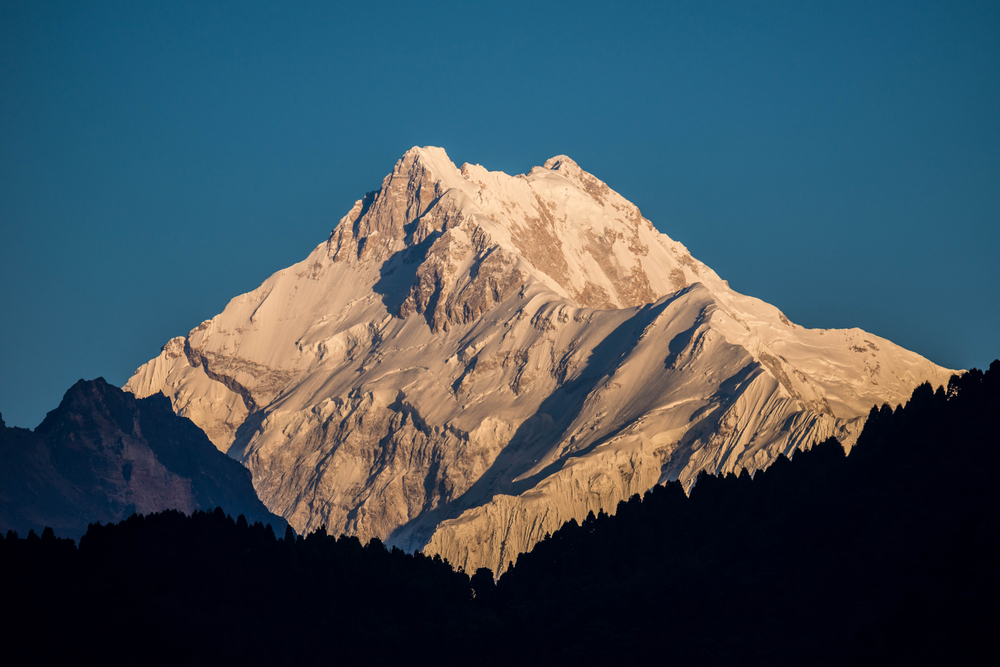
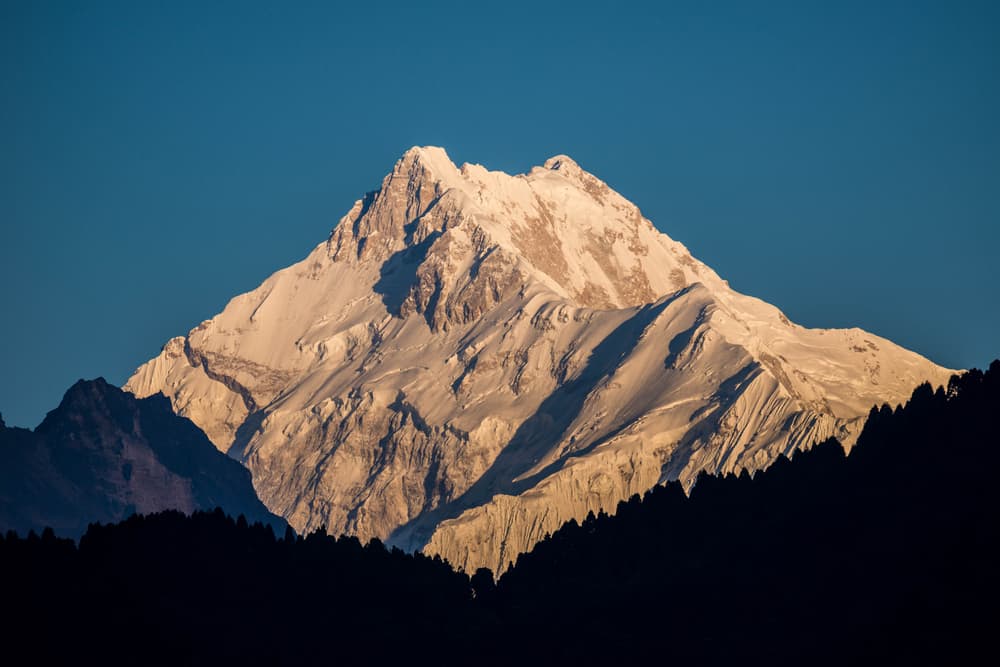
With limited commercial trekking and a commitment to preserving its sanctity, Kangchenjunga offers an untouched wilderness experience. Expect extreme conditions, glacial basins, and a diverse ecosystem.
- PlaceHimalayas
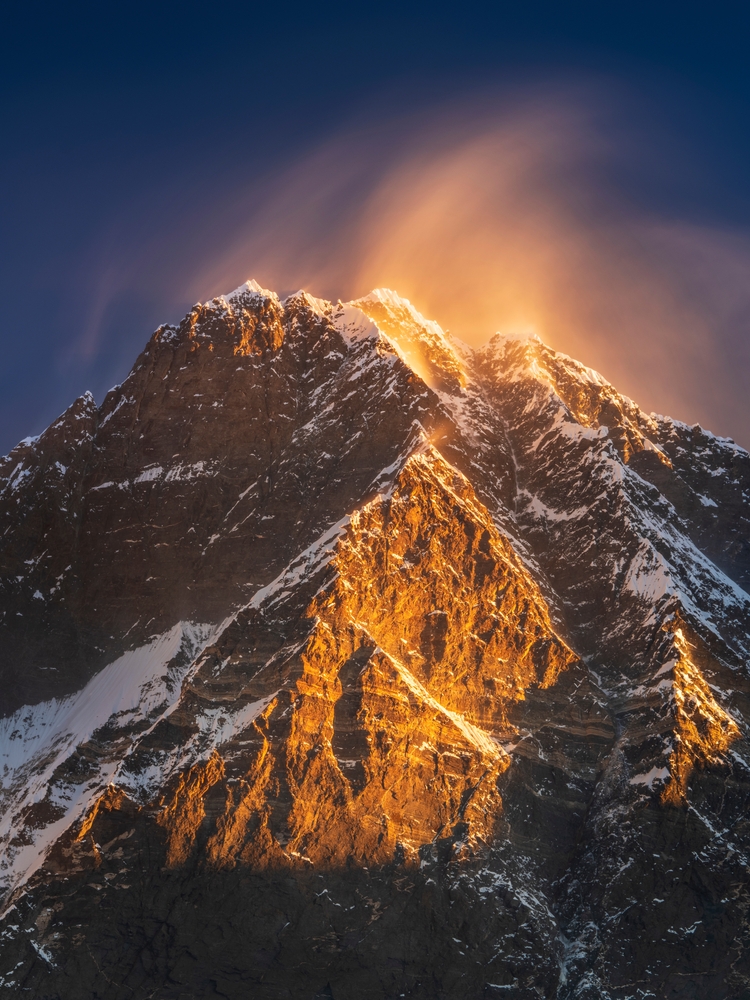
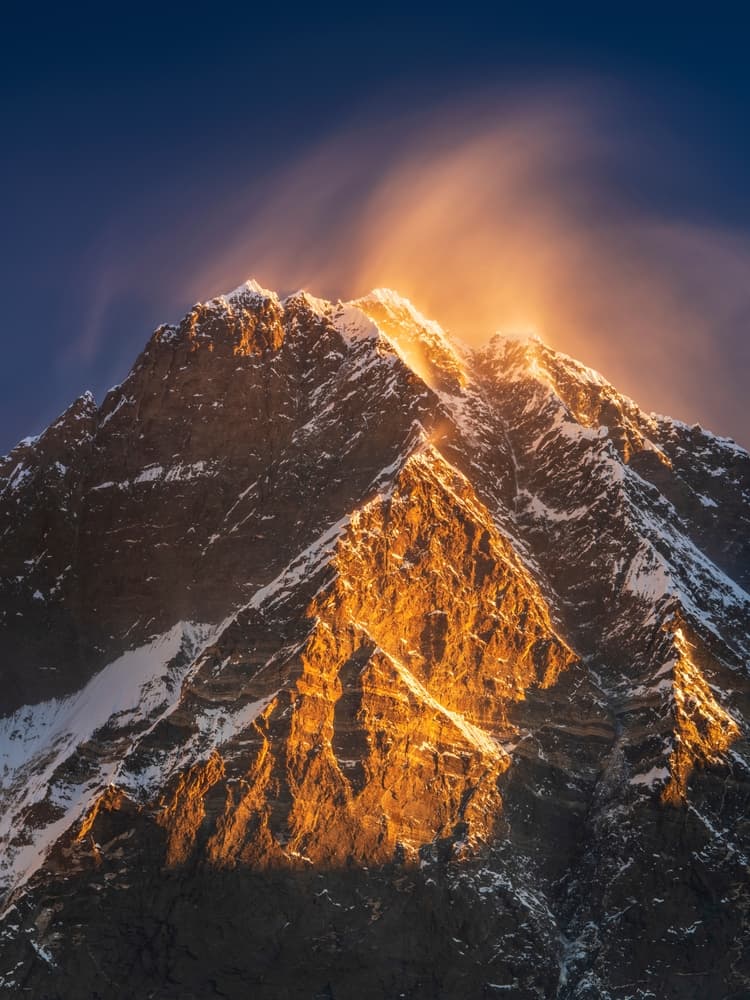
Known for the dramatic Lhotse Face, this peak offers a steep, icy ascent just south of Everest. Though physically linked, Lhotse maintains a unique identity with challenging terrain and stunning Himalayan views. Lhotse, the world’s fourth-highest mountain at 8,516 meters, forms a…
- PlaceHimalayas
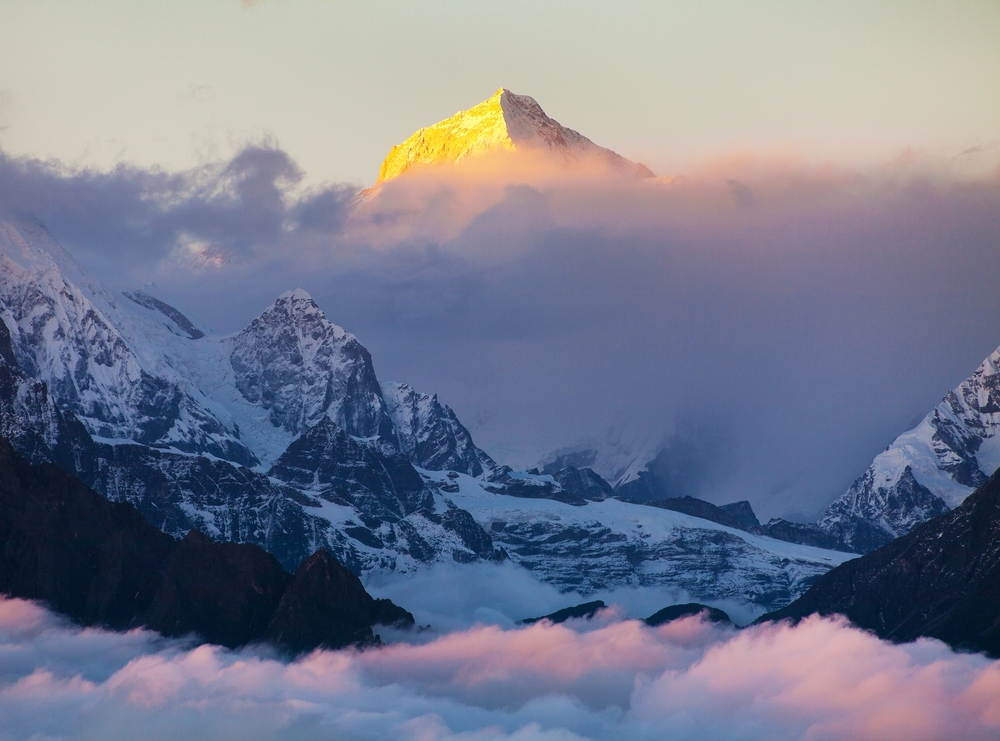
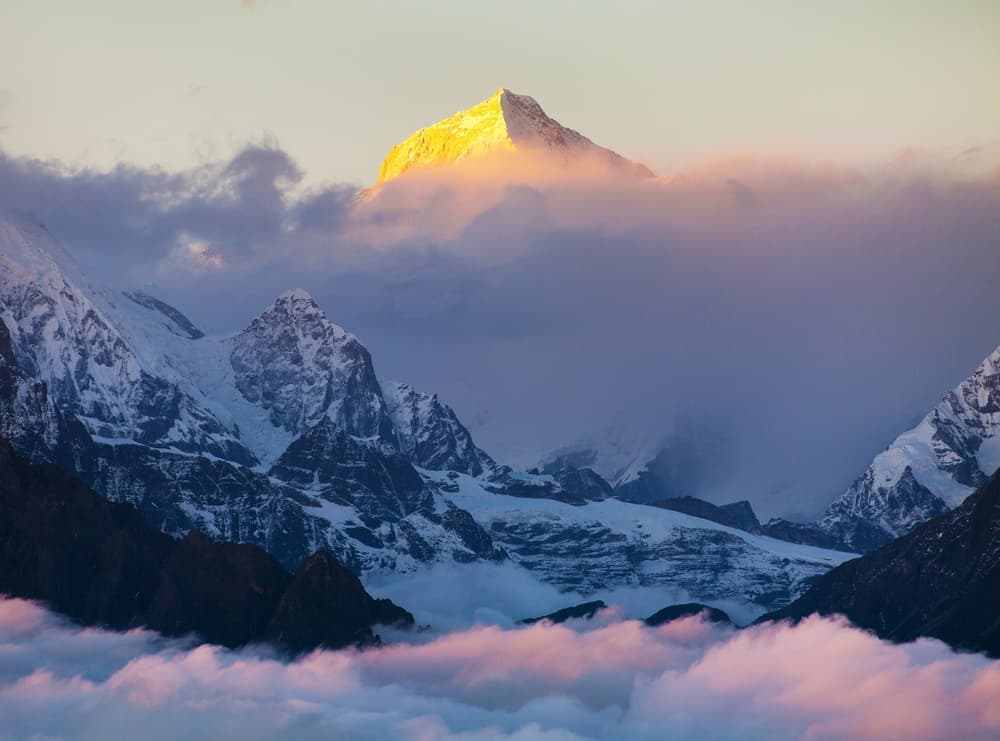
This imposing giant features steep pitches, knife-edged ridges, and isolated beauty. It's one of the most challenging climbs in the world due to its sheer walls and unpredictable weather. Makalu, the world’s fifth-highest peak at 8,485 meters, is famed for its perfect…
- PlaceKarakoram
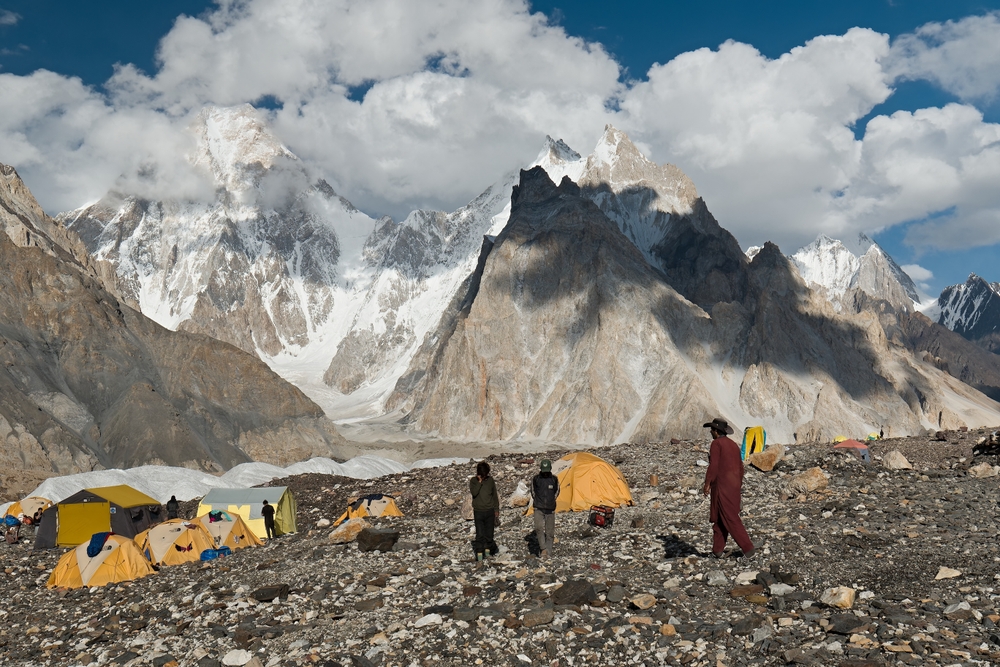
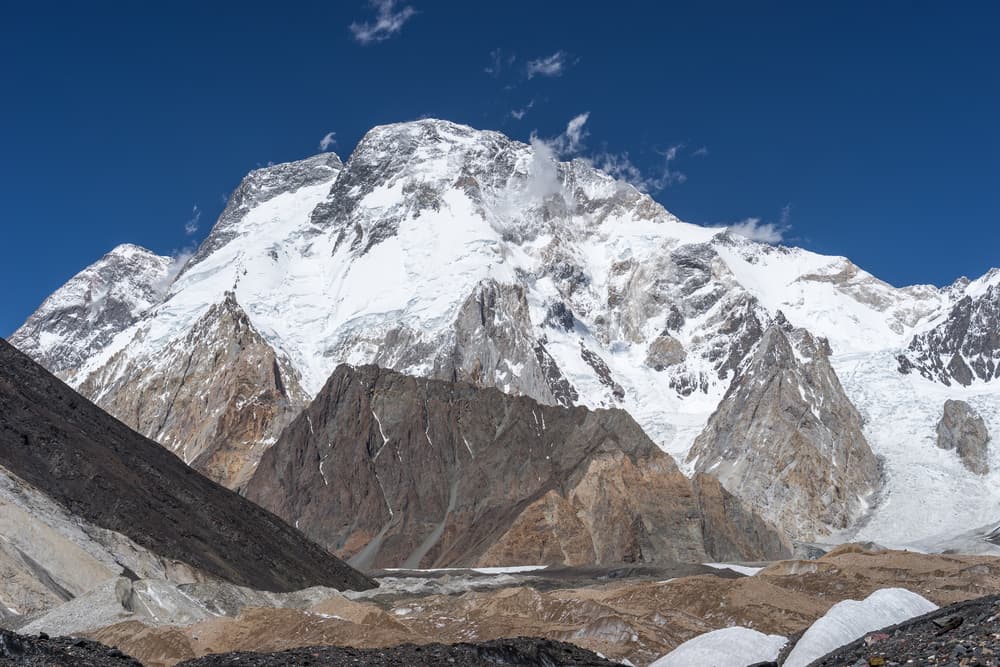
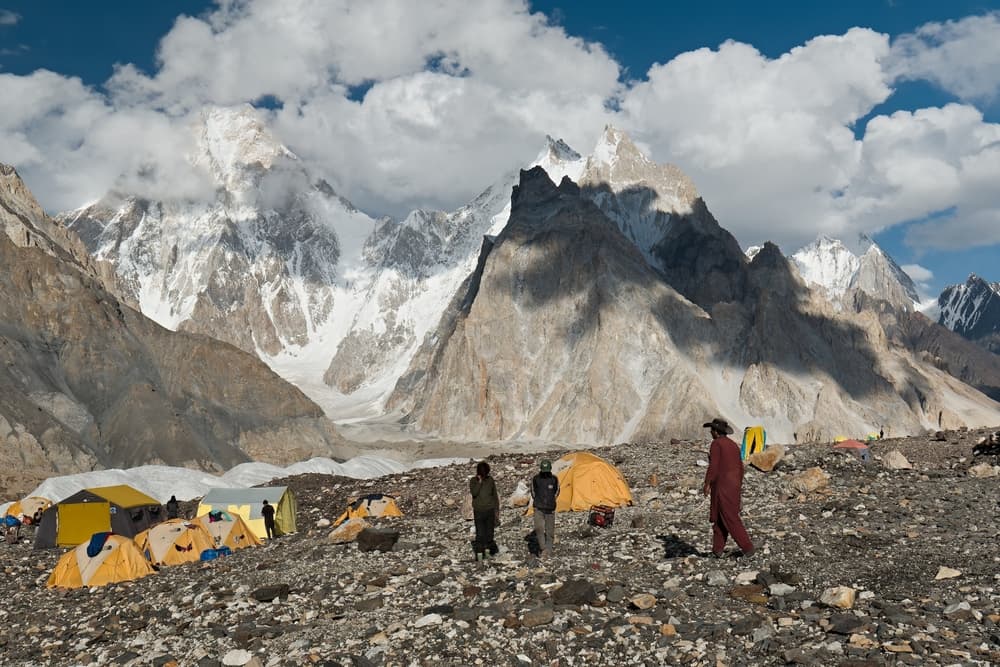
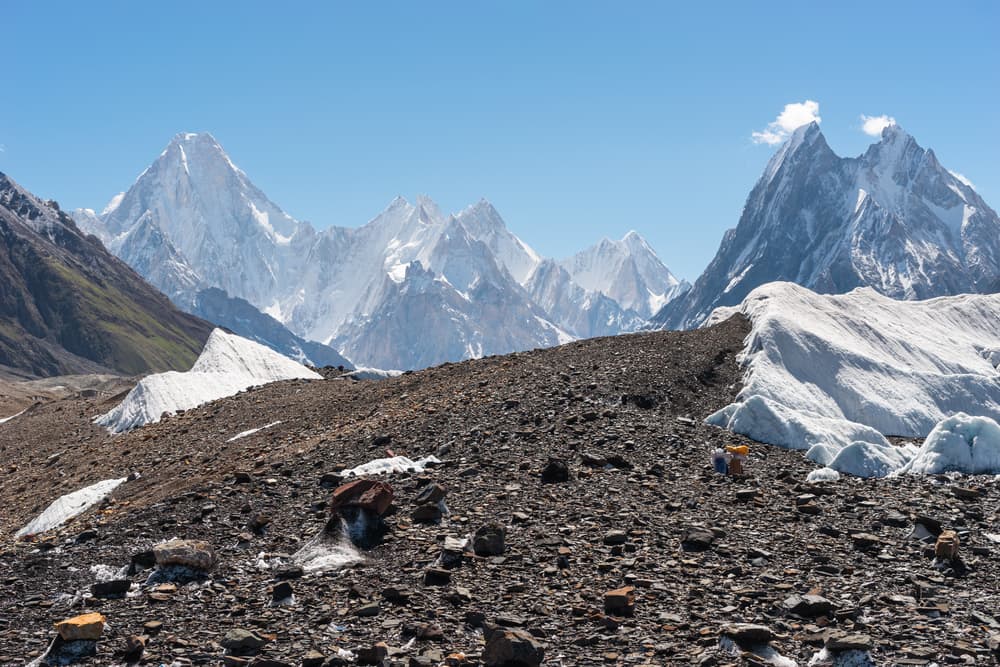
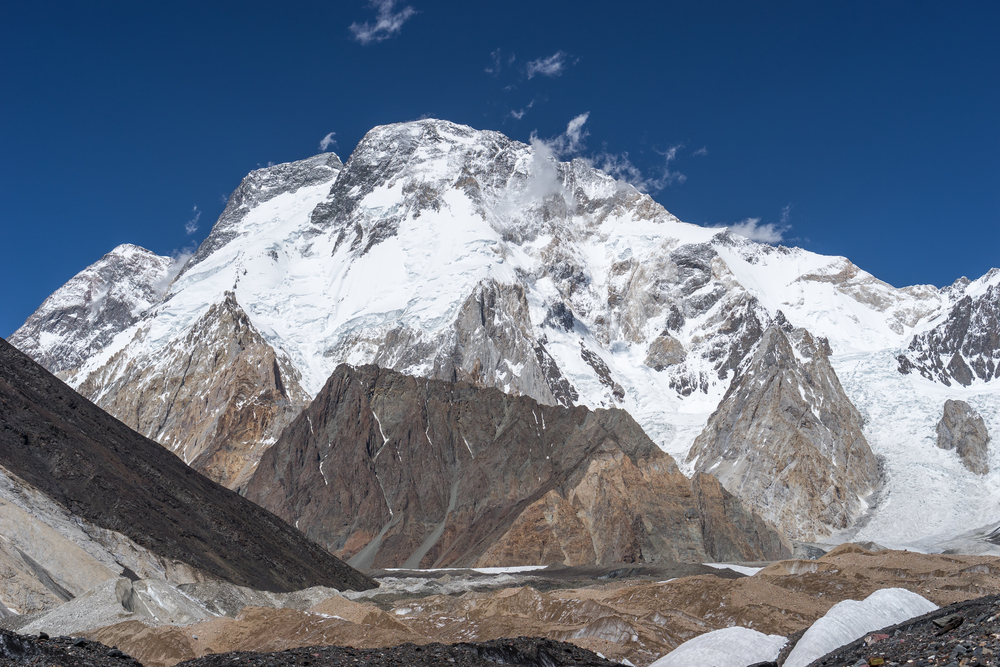
Despite being lesser-known, it’s a technical and scenic climb with towering ice formations and views across the Baltoro Glacier.
- PlaceHimalayas
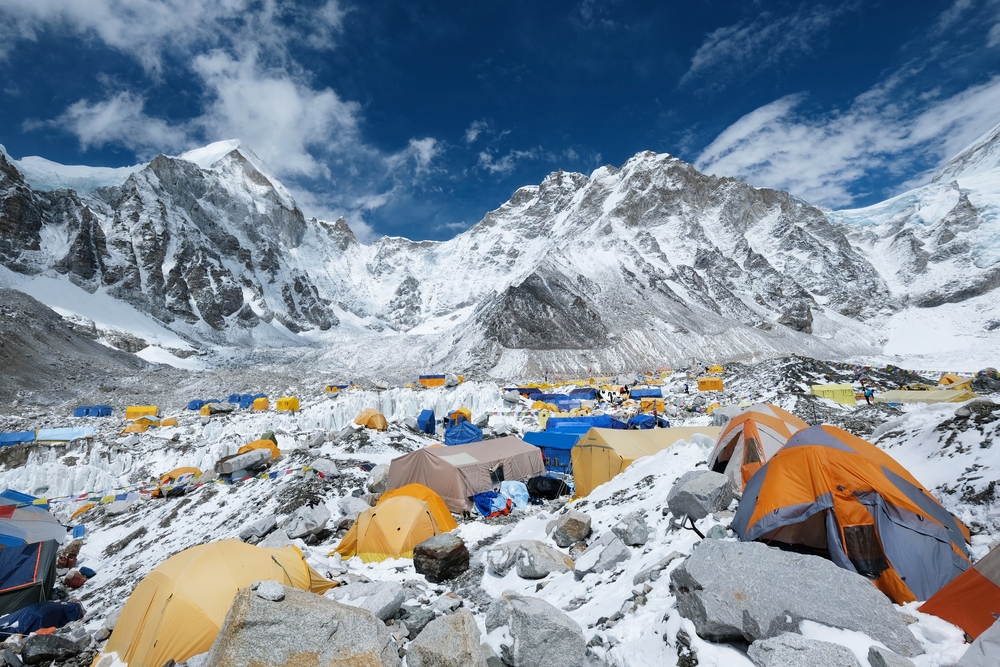
Manaslu features crevassed glaciers and technical sections. A restricted region, its circuit also offers cultural immersion among Tibetan-influenced villages.Manaslu, the world’s eighth-highest peak at 8,163 meters, is situated in the west-central Nepalese Himalayas. Known for…
- PlaceKarakoram
.jpg)
Unlike Everest, K2 lacks commercial infrastructure, making expeditions highly technical and self-reliant. With massive exposure and unpredictable weather, it remains one of the greatest challenges in high-altitude mountaineering.
- PlaceNepal/Tibet
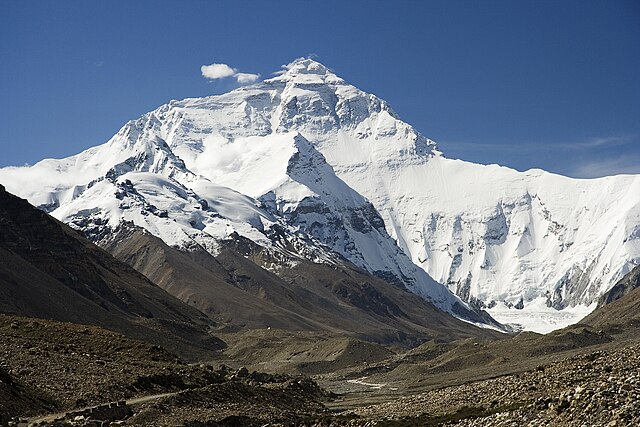
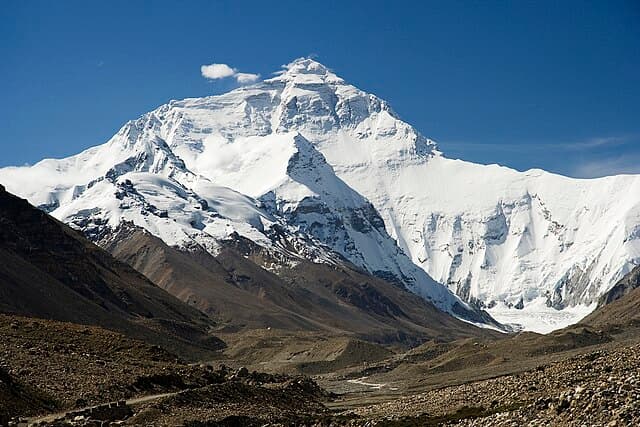
The tallest mountain on Earth, a legendary expedition.
- PlaceKarakoram
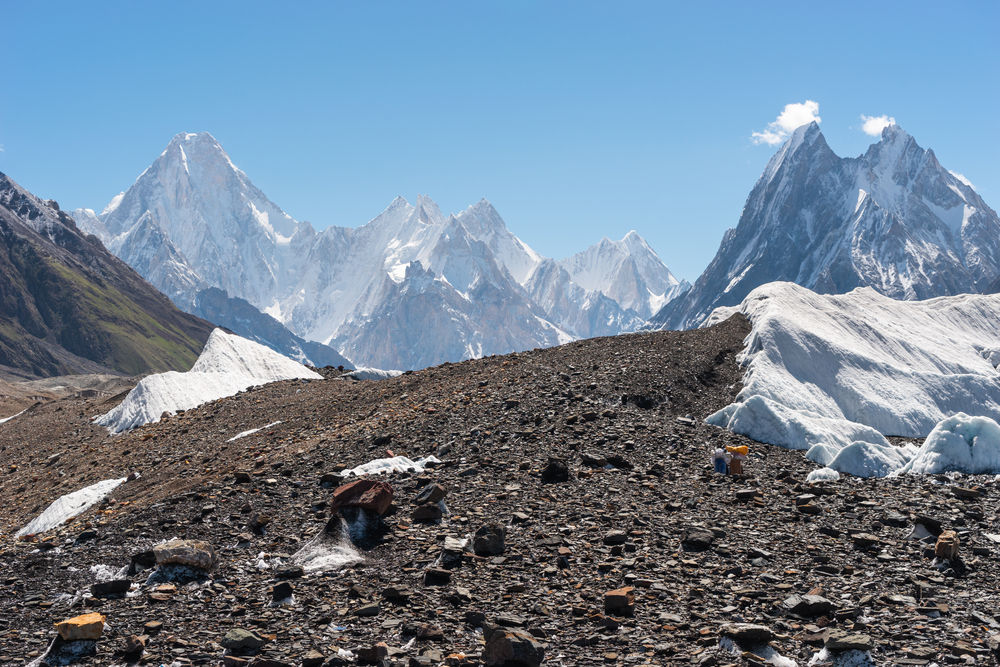
It offers a relatively straightforward but still serious expedition experience in the Karakoram. Expect crevasse navigation and unstable weather.
- PlaceHimalayas
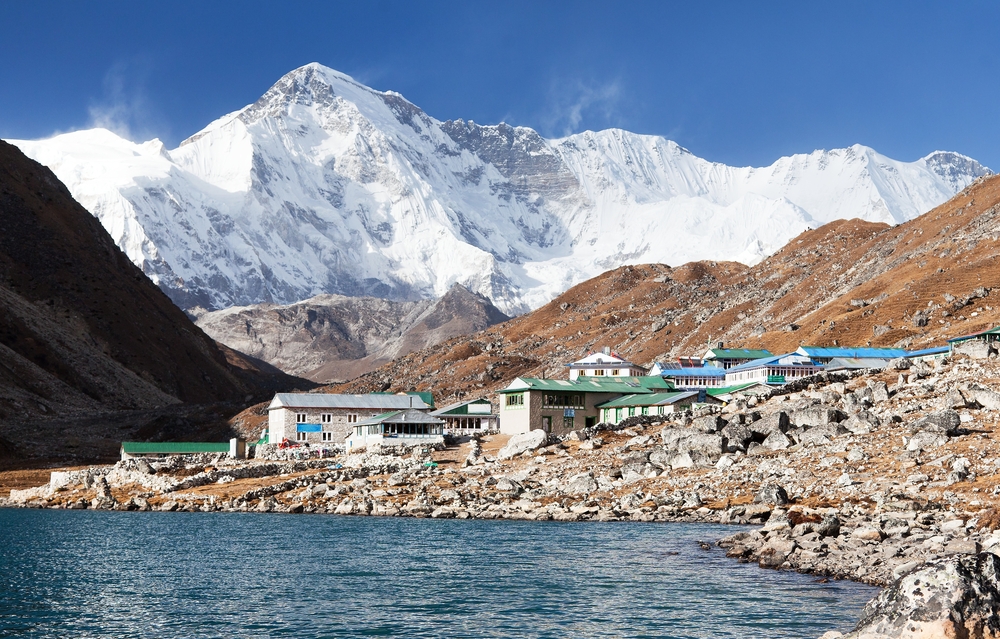
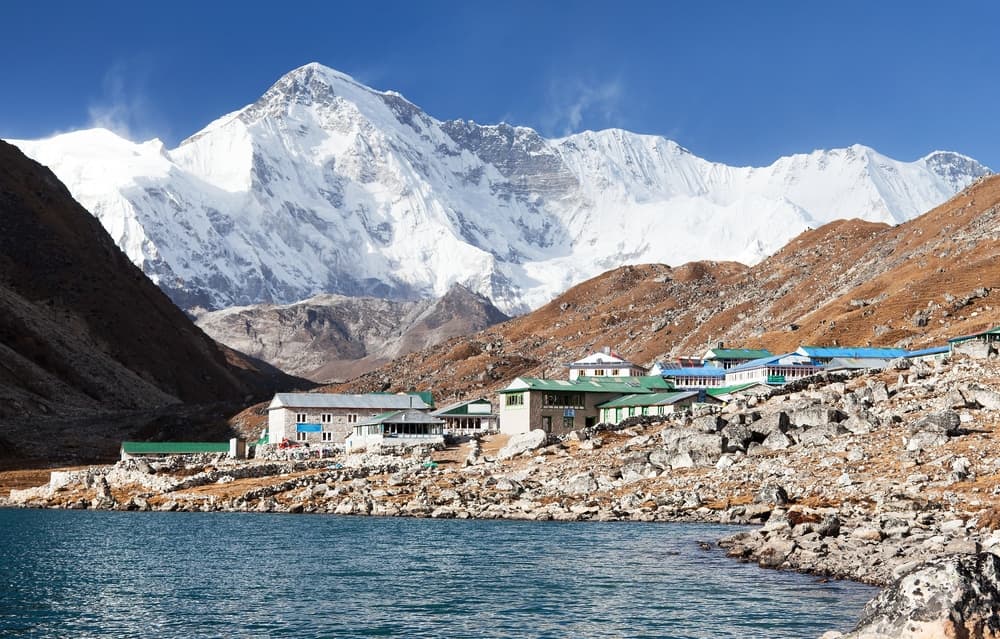
At 8,188 meters, Cho Oyu's west face offers a relatively less technical route. It shares Everest’s grandeur but with less crowd and commercial pressure. Cho Oyu, the world’s sixth-highest mountain at 8,201 meters, straddles the Nepal-Tibet border. Renowned for its relatively…
- PlaceHimalayas
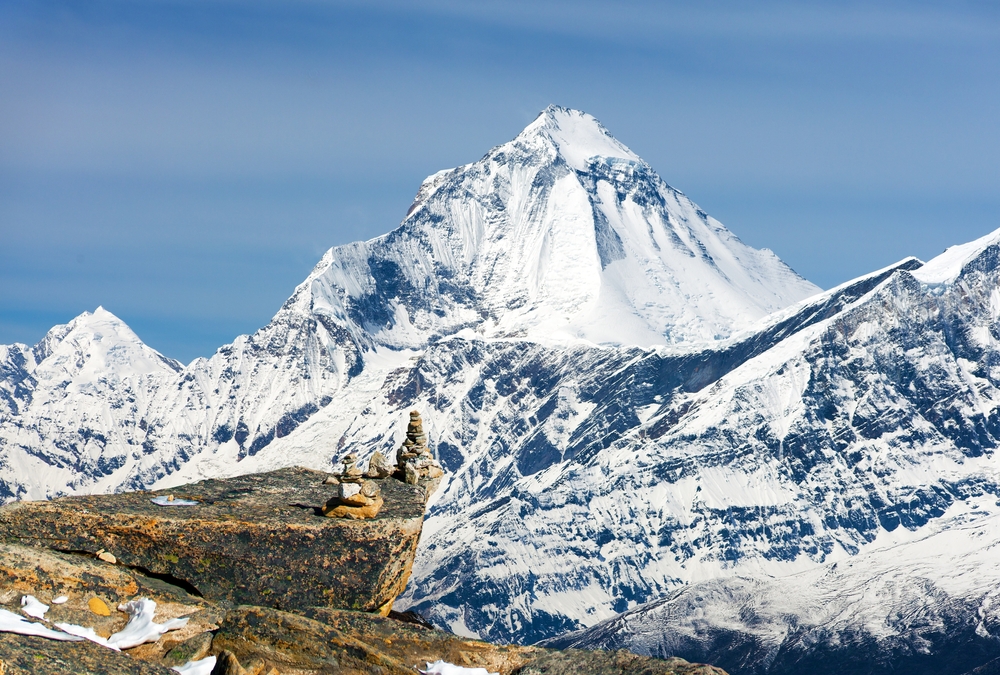
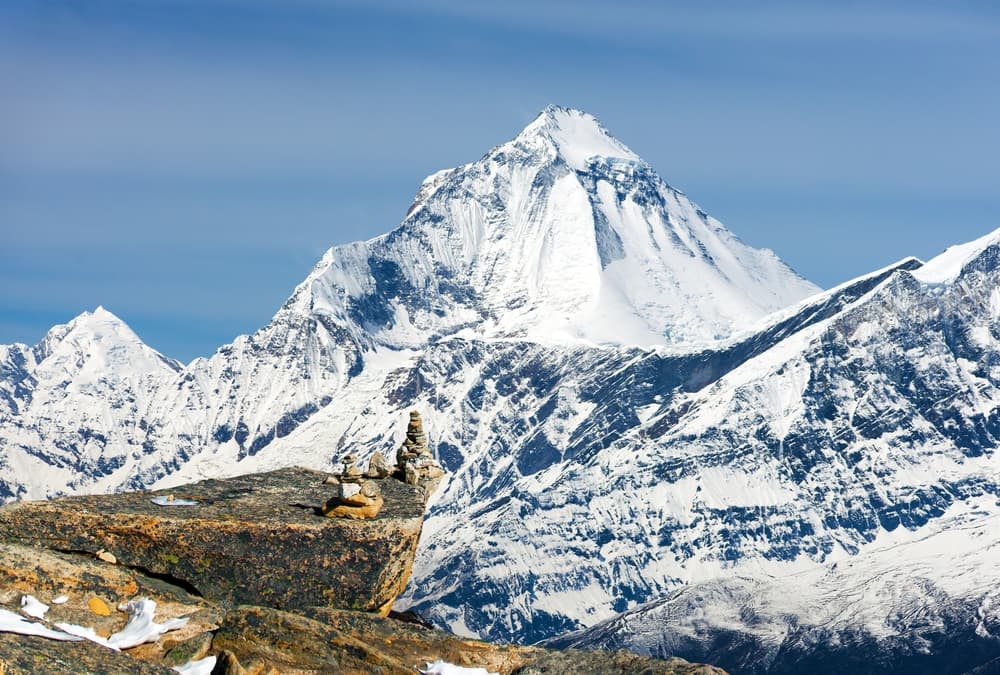
Known for its dramatic rise above the Kali Gandaki Gorge, Dhaulagiri is remote, avalanche-prone, and offers an epic, isolated Himalayan adventure. Known for its massive south face and abrupt rise from the Kali Gandaki Gorge, Dhaulagiri presents climbers with remote wilderness and…
You can explore the itinerary while it loads.
Pins show individual places; there is no route between them. Select a pin to read its place in the itinerary.
Overview
The 14 Peaks Challenge represents the ultimate mountaineering achievement, requiring climbers to summit all fourteen mountains exceeding 8,000 meters above sea level. This extraordinary undertaking spans the Himalayan and Karakoram ranges across Nepal, Pakistan, Tibet, and India, demanding exceptional technical skills, physical conditioning, and mental fortitude. The challenge encompasses Earth's most extreme climbing environments, where human survival depends entirely on preparation, experience, and respect for the mountains' deadly power. Fewer than 50 climbers have completed this legendary achievement since Reinhold Messner first accomplished it in 1986. Recent record-breakers include Nirmal "Nims" Purja, who completed all fourteen peaks in just six months and six days in 2019.
Statistics and Elevation Profile
Total Peaks: 14 mountains above 8,000 meters Lowest Peak: Shishapangma at 8,027m (26,335ft) Typical Completion Time: 2-10 years for most climbers Highest Peak: Mount Everest at 8,848 m (29,031.7ft) The challenge's difficulty cannot be overstated, with each peak presenting life-threatening conditions including extreme altitude, technical climbing sections, avalanche zones, and weather systems capable of killing climbers within hours. Success demands mastery of advanced mountaineering techniques, exceptional physical fitness, and the financial resources to support multiple major expeditions over several years.
Highlights and Characteristics
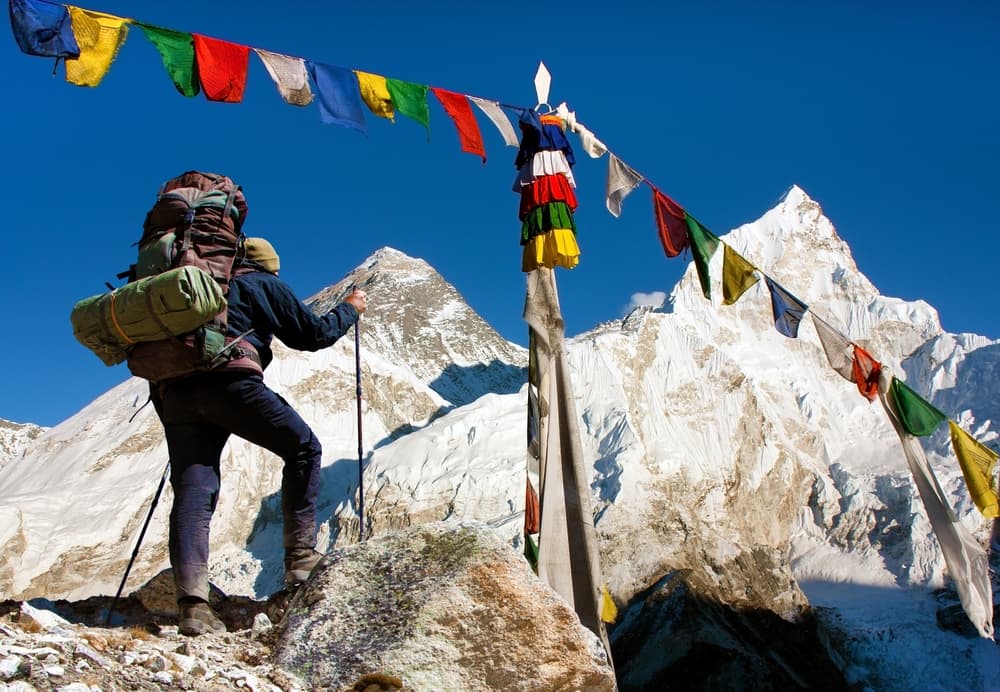
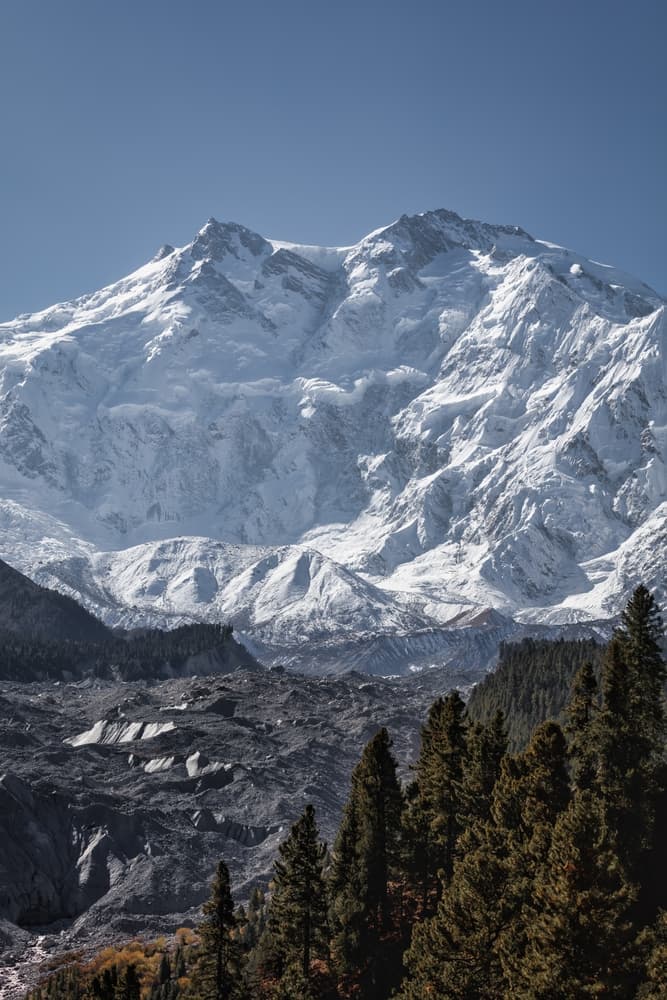
The Himalayan Giants Mount Everest (8,848.86m) – The world's highest peak offers established commercial routes but remains technically demanding with the notorious Khumbu Icefall presenting constant avalanche danger and the "Death Zone" above 8,000m testing every climber's physiological limits. Kangchenjunga (8,586m) – The world's third-highest peak presents complex route-finding challenges across multiple technical sections, with massive avalanche zones and difficult rock passages demanding advanced climbing skills throughout the ascent. Lhotse (8,516m) – Connected to Everest via the South Col, this peak challenges climbers with the steep Lhotse Face requiring sustained ice climbing at extreme altitude, culminating in technical mixed climbing above 8,400m. Makalu (8,485m) – Known for its distinctive pyramid shape, this peak demands sustained technical difficulties with multiple rock bands requiring advanced climbing skills and exposed ridges offering little storm protection. Cho Oyu (8,188m) – Often considered the most accessible eight-thousander, serving as training for more technical peaks, though altitude effects remain severe and weather conditions deteriorate rapidly at extreme elevation. Dhaulagiri I (8,167m) – Standing in magnificent isolation, this peak presents complex route-finding challenges with constant avalanche danger and unique weather patterns that can trap climbers for extended periods. Manaslu (8,163m) – Known as the "Mountain of the Spirit," offering challenging yet achievable objectives for experienced high-altitude climbers, with significant avalanche zones requiring careful timing and route selection. Annapurna I (8,091m) – With the highest fatality rate among all eight-thousanders, this peak represents mountaineering's most dangerous summit, where constant avalanche danger and severe objective hazards make every attempt a calculated risk. The Karakoram Peaks K2 (8,611m) – Widely considered the most technically challenging eight-thousander, demanding exceptional mountaineering skills across its entire profile, with the notorious Bottleneck couloir requiring navigation beneath massive hanging seracs. Nanga Parbat (8,126m) – Called the "Killer Mountain" due to its deadly climbing history, this massive mountain fortress demands long approaches across complex glacier systems leading to sustained technical climbing sections. Gasherbrum I (8,080m) – Located deep within the Karakoram's Baltoro region, demanding exceptional technical climbing skills across varied terrain with complex glacier approaches leading to steep ice and mixed climbing sections. Broad Peak (8,051m) – Distinguished by its extensive summit plateau, presenting deceptively challenging climbing with long exposure to extreme altitude testing climbers' acclimatization limits. Gasherbrum II (8,035m) – Often paired with Gasherbrum I attempts, offering relatively straightforward climbing compared to other eight-thousanders, though the long Baltoro Glacier approach creates significant logistical challenges. Shishapangma (8,027m) – The lowest of the fourteen eight-thousanders, accessible only through Tibet with special permits, making it a popular final objective for completing the ultimate mountaineering achievement.
Culture and History
The fourteen eight-thousanders rise from regions where indigenous communities maintain traditional relationships with these sacred mountains spanning centuries. Ancient trade routes crossed these mountains for millennia, connecting Asian civilizations while creating the network of high-altitude trails that modern climbers follow. Seasonal migration patterns brought herders and their livestock to extreme elevations, establishing base camps and route knowledge that proved essential for early mountaineering expeditions. The region's strategic importance for trans-Himalayan commerce created cultural exchanges between Tibetan, Indian, and Central Asian societies, while extreme geographical isolation preserved traditional ways of life that continue influencing modern expedition practices. Local communities maintain customs dating back generations, offering climbers glimpses into mountain cultures that survived where others disappeared under modern development pressures.
Geology
The Himalayan and Karakoram ranges showcase dramatic geological processes where ancient crystalline rocks create distinctive granite and gneiss formations, defining today's climbing terrain. Massive tectonic forces continue pushing these mountains skyward, creating unstable rock formations and constant seismic activity affecting climbing conditions. Glacial activity carved the deep valleys and hanging glaciers that define approach routes, while leaving moraines, cirques, and icefalls that create both climbing challenges and natural hazards. The contrast between ancient metamorphic formations and younger sedimentary rocks creates diverse climbing terrain from solid granite walls to loose scree slopes, requiring different technical approaches. Alpine ecosystems range from temperate forests at valley floors to arctic-alpine conditions above treeline, with endemic species adapted to extreme mountain environments, including rare high-altitude plants, specialized insects, and bird species found nowhere else on Earth. Protected status helps preserve these fragile ecosystems while allowing sustainable climbing access.
Gear and Equipment
The 14 Peaks Challenge demands expedition-grade mountaineering equipment capable of functioning in Earth's most extreme conditions. Double-layered mountaineering boots with removable inner boots provide essential warmth to -40°F while maintaining precise crampon compatibility for technical climbing sections. Technical climbing systems require redundancy across all safety-critical components, with multiple ice axes, mountaineering crampons, and harness systems providing backup options when primary equipment fails in life-threatening situations. Helmet protection becomes mandatory on peaks with significant rockfall and ice collapse hazards. Shelter systems must withstand winds exceeding 100mph while providing livable space during extended storms that can last for weeks. Four-season mountaineering tents with robust guy-line systems and snow-loading capacity prove essential for survival during weather delays that regularly trap climbers. Supplemental oxygen systems significantly improve safety margins and summit success rates on most eight-thousanders. Modern closed-circuit systems provide extended duration while reducing carried weight, though open-circuit systems offer simplicity and reliability advantages for less experienced users.
Accommodation
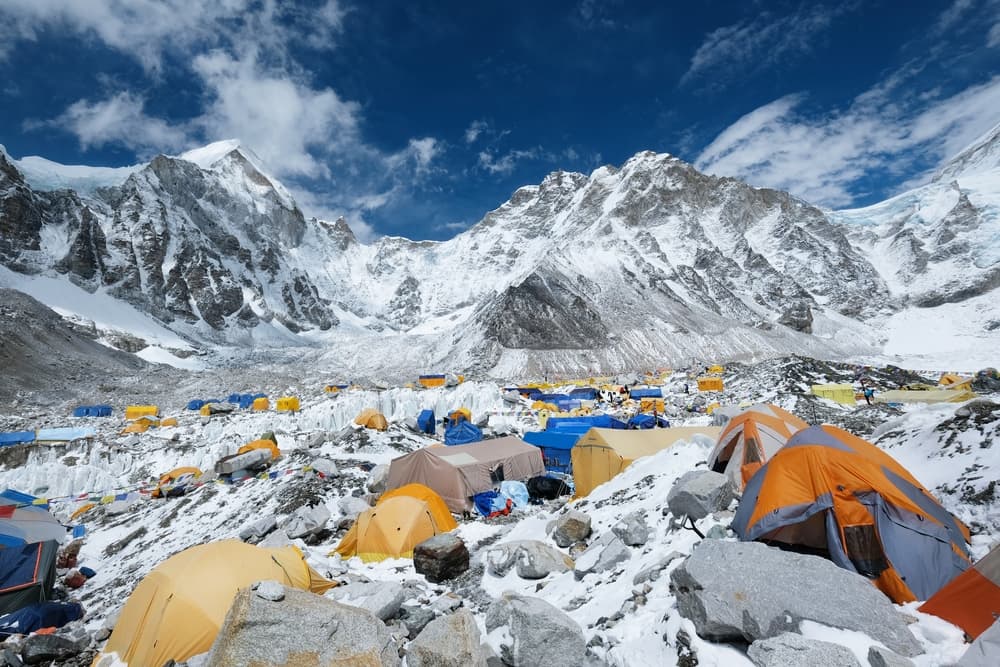
The 14 Peaks Challenge utilizes established base camp locations and high-altitude camp systems developed over decades of expedition climbing. Base camps typically operate during specific seasonal windows, with some locations accessible from April through October, depending on weather patterns and permit restrictions. Expedition logistics require advance booking for base camp services, helicopter support, and liaison officer arrangements across multiple countries. Some peaks offer commercial expedition support with established infrastructure, while others demand completely self-sufficient expedition planning and execution. High-altitude camps between base camps and summits require personal equipment and supply caches, with climbers establishing multiple camps during acclimatization rotations. Camp locations follow established sites that provide optimal protection from avalanches, rockfall, and extreme weather conditions.
Food and Water
Expedition nutrition becomes critical during extended high-altitude exposure, where appetite decreases dramatically while caloric demands increase substantially. Base camp meals typically provide 4,000–6,000 calories daily through high-energy foods including fats, proteins, and complex carbohydrates essential for maintaining body weight and energy reserves. Water management demands significant fuel supplies for melting snow and ice, with climbers requiring 4–6 liters daily at extreme altitude to prevent dehydration. Electrolyte replacement becomes essential for maintaining physiological function during extended high-altitude exposure.
Navigation
The 14 Peaks Challenge requires advanced navigation skills across multiple mountain ranges with varying route marking systems and established climbing infrastructure. Some peaks follow well-established commercial routes with fixed ropes and route markers, while others cross unmarked terrain. Detailed topographic maps covering each peak area prove essential, with GPS devices providing backup navigation during whiteout conditions. Digital mapping applications with offline capability serve as valuable redundancy, though electronic devices may fail in extreme cold and storm conditions. Weather routing becomes critical for timing summit attempts during brief stable periods, requiring interpretation of multiple forecast models and understanding of local weather patterns specific to each mountain region.
Safety and Risk Management
The 14 Peaks Challenge presents serious alpine hazards that have claimed hundreds of lives among even the most experienced mountaineers. Altitude-related illnesses, including cerebral and pulmonary edema, can prove fatal within hours, requiring immediate descent and medical evacuation when symptoms appear. Avalanche danger exists throughout most climbing routes, particularly during temperature changes and after precipitation. Climbers must understand avalanche assessment techniques and carry appropriate rescue equipment, including beacons, probes, and shovels for companion rescue. Rockfall hazards increase during freeze-thaw cycles, making timing and route selection critical for avoiding potentially fatal stone bombardment. Helmet protection and rapid movement through danger zones become essential survival techniques. Weather represents the primary killer across all eight-thousanders, with storms bringing winds exceeding 150mph, temperatures below -60°F, and visibility dropping to zero within minutes. Emergency shelter skills and weather assessment capabilities determine survival during unexpected storm encounters.
Permits
Climbing the fourteen eight-thousanders requires navigating complex permit systems across Nepal, Pakistan, Tibet, and India. Nepal issues climbing permits through the Department of Tourism, with costs ranging from $500 for smaller peaks to over $11,000 for Everest during peak season. Pakistan's permit system covers Karakoram peaks through the Alpine Club of Pakistan, requiring liaison officers, specific expedition insurance, and approved expedition structures. Processing times extend 3–6 months before intended climbing dates. Chinese permits for Tibet-side peaks demand organized expedition structures with government-approved operators, adding complexity and substantial costs to climbing attempts. Some peaks maintain restricted climbing seasons, limiting attempts to specific weather windows. Expedition insurance specifically covering eight-thousander climbing provides essential financial protection for potential rescue operations costing $50,000–200,000 per incident. Standard travel insurance typically excludes mountaineering activities above specified elevations.
The 14 Peaks Challenge: common questions
How long is The 14 Peaks Challenge?
The 14 Peaks Challenge covers 1000 km in total.
How long does The 14 Peaks Challenge take to complete?
Most people complete The 14 Peaks Challenge in about 2-10 years.
When is the best time to do The 14 Peaks Challenge?
The best season for The 14 Peaks Challenge is Summer, Spring, Fall.
How many checkpoints does The 14 Peaks Challenge have?
The 14 Peaks Challenge has 14 checkpoints to log on the way to finishing it.
Plan your journey.
Keep this journey for later, or share it with someone you would like to go with.