
Challenge
Spine of Albania
Albania

About this challenge
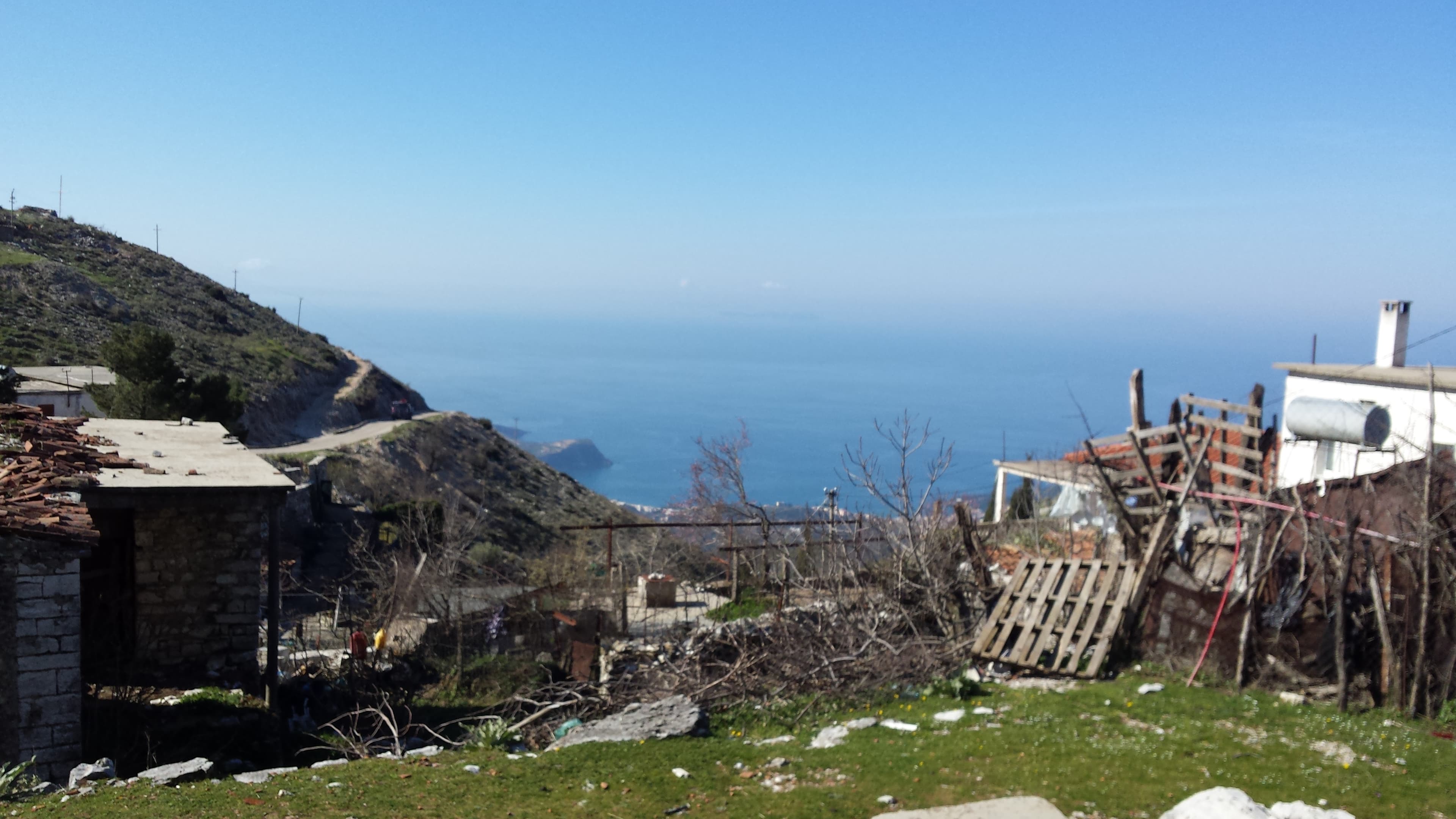
The Spine of Albania Challenge is a multi-week hiking adventure covering 14 waypoints across Albania's most spectacular landscapes. This 300-kilometer journey connects ancient UNESCO World Heritage cities like Berat and Gjirokastër with the pristine Albanian Alps, taking hikers from Mediterranean beaches at Gjipe to mountain peaks reaching 2,416 meters at Mount Tomorr. The challenge includes the famous Valbona to Theth crossing, cultural stops in traditional stone villages, and diverse terrain from coastal canyons to alpine passes. This comprehensive route showcases Albania's rich history, dramatic geology, and emerging reputation as one of Europe's premier hiking destinations for adventurous travelers seeking authentic mountain experiences.
Quick facts
- Checkpoints
- 16
- Avg Completion
- 15-30 days
- Best Season
- Summer, Spring, Fall
Overview
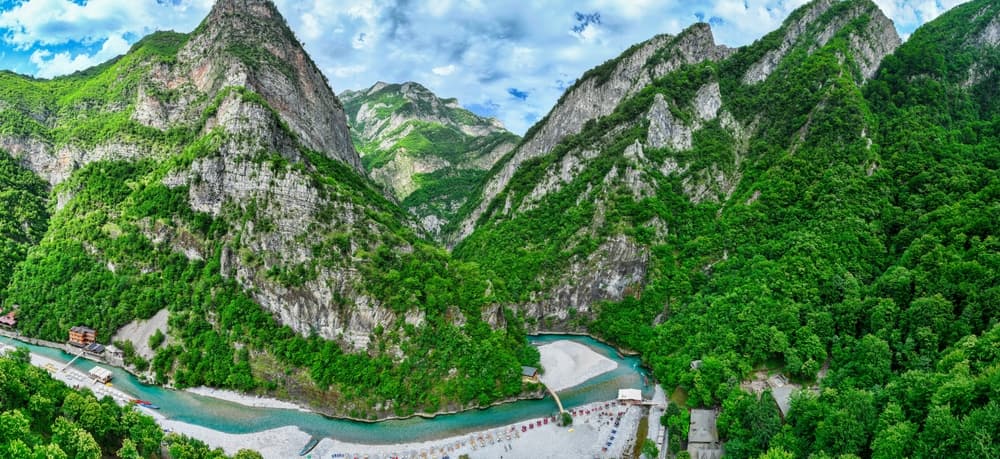
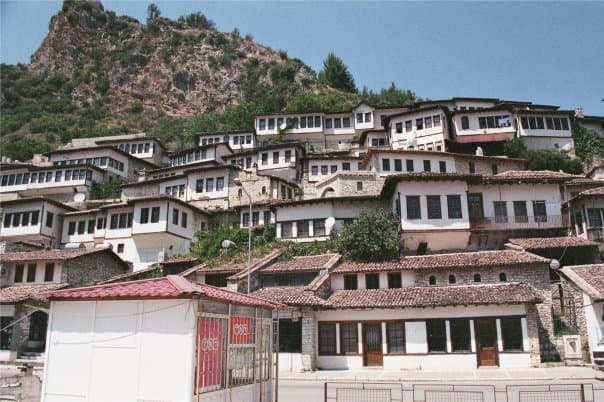
The Spine of Albania Challenge represents one of the Balkans' most comprehensive hiking adventures, taking you through 14 distinct waypoints that showcase Albania's incredible cultural and natural diversity. This multi-week journey spans from the ancient UNESCO World Heritage sites of Berat and Gjirokastër to the pristine Albanian Alps, connecting coastal beaches with mountain peaks in an unforgettable exploration of this rapidly emerging hiking destination. The challenge covers approximately 300 kilometers of varied terrain, with individual segments ranging from easy cultural walks to demanding mountain ascents. The peak elevation reaches 1,613 meters at Maja e Tujanit on Mount Dajti, while Mount Tomorr soars to 2,416 meters above sea level, making it the highest point in central Albania. The famous Valbona to Theth segment covers 17.6 kilometers with elevation gains up to 1,795 meters at Valbona Pass, requiring 7-10 hours of hiking depending on experience level. Albania's rich cultural heritage adds significant depth to this challenge, with stops in thousand-year-old stone towns, Ottoman-era architecture, and traditional mountain villages that have preserved their authentic character. The journey connects diverse ethnic and religious communities, from the Muslim heartland around Berat to the Catholic mountain regions of the north, offering insights into one of Europe's most culturally complex nations.
History and Geology
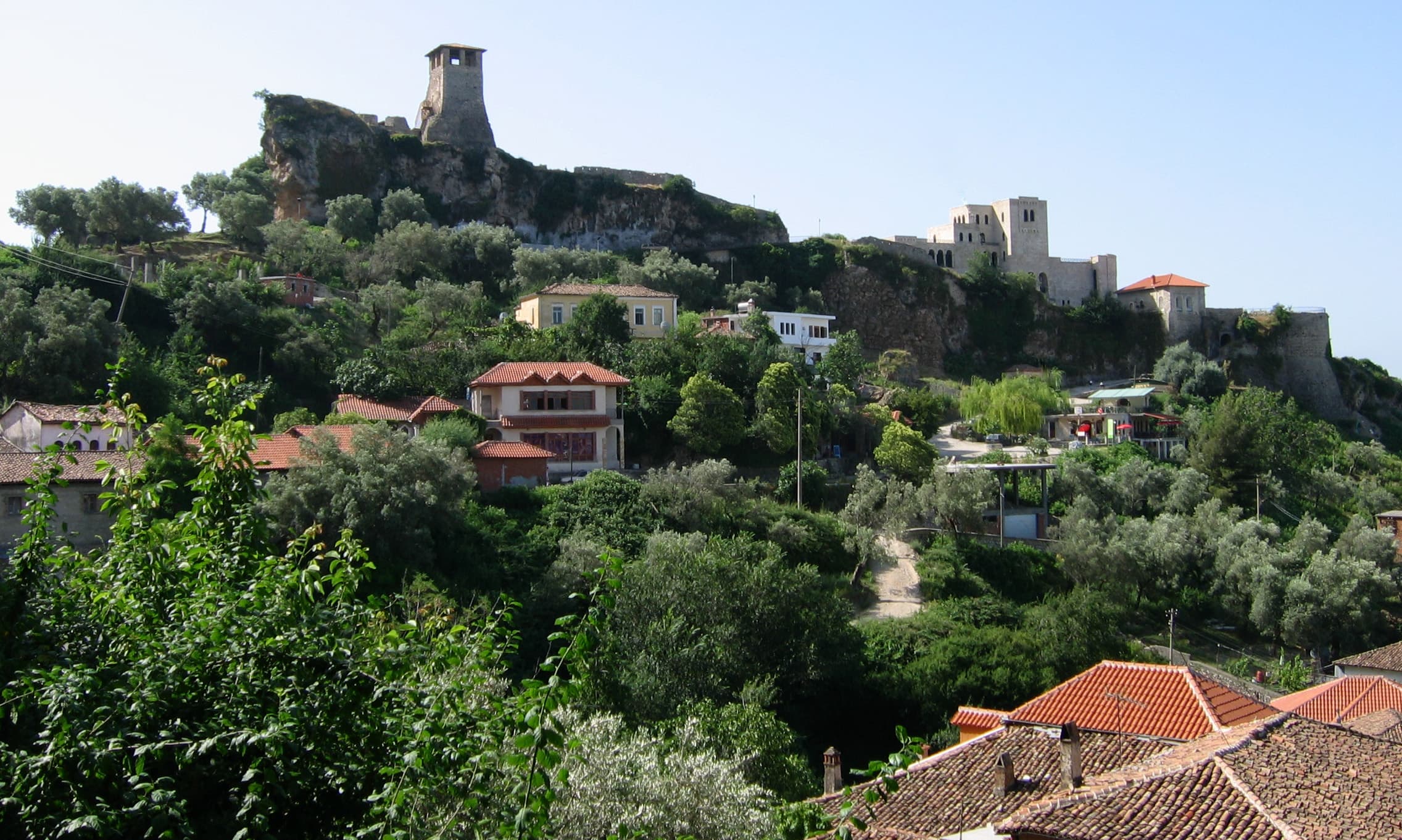
Albania's geological story unfolds dramatically along the Spine Challenge route, revealing the complex tectonic forces that shaped the Balkans over millions of years. The Albanian Alps represent the southernmost extension of the Dinaric Alps, formed through intense limestone folding and thrust faulting that created the dramatic peaks and deep valleys visible from Theth and Valbona. These Mesozoic limestone formations, carved by glacial activity during the last ice age, created the characteristic karst landscapes with underground rivers, caves, and springs that define northern Albania's hydrology. The central highlands around Mount Tomorr tell a different geological story, with ancient metamorphic rocks and volcanic intrusions creating the sacred mountain that has drawn pilgrims for centuries. Local geology here includes ophiolite complexes and serpentine formations that support unique plant communities and mineral springs considered therapeutic by traditional healers. Historically, these mountains served as natural fortresses during countless invasions, from Roman legions to Ottoman armies. The challenge route follows ancient trade paths that connected coastal ports with inland markets, including segments of the Via Egnatia, the Roman road that linked the Adriatic to Constantinople. Medieval castles at Krujë and Rozafa controlled strategic passes, while the mountain communities developed distinct cultural traditions influenced by their geographic isolation and the constant need for defense against foreign occupation.
Nutrition and Shelter
Accommodation along the Spine of Albania Challenge ranges from luxurious hotels in UNESCO World Heritage cities to basic mountain guesthouses and camping opportunities. Berat and Gjirokastër offer full-service hotels with traditional Albanian cuisine, while mountain villages like Theth and Valbona provide family-run guesthouses that include hearty meals featuring local specialties like slow-cooked lamb, fresh cheese, and mountain herbs. Food planning varies significantly between urban and remote segments. Cities provide excellent restaurants serving regional specialties, fresh seafood along the coast, and international options. Mountain segments require more planning, though village guesthouses typically provide substantial meals designed for hikers. Traditional Albanian mountain cuisine emphasizes high-calorie foods like byrek (savory pastries), roasted meats, and dairy products that provide sustained energy for long hiking days. Water sources are generally reliable in mountain areas, with numerous springs and streams, though purification systems remain recommended. Coastal segments may require carrying water between sources, particularly during summer months when temperatures can exceed 35°C. No special permits are required for the Spine of Albania Challenge, though some protected areas may charge modest entrance fees. Parking fees at popular trailheads typically range from 200-500 Albanian lek (approximately $2-5 USD). Border crossings from neighboring countries require valid passports, and hiking insurance is strongly recommended given the remote nature of several segments.
Safety
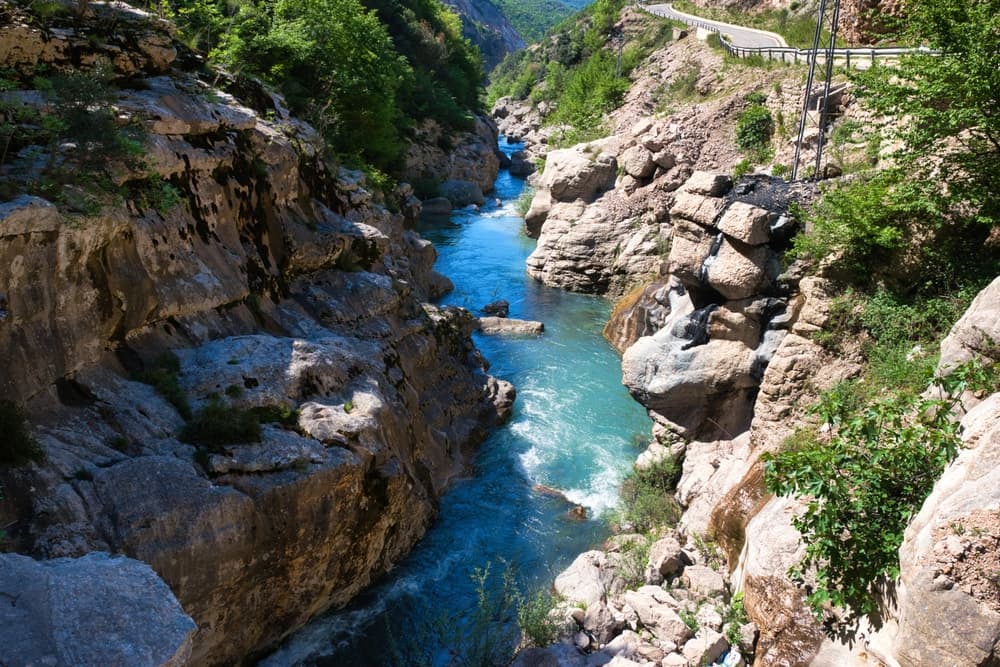
Essential gear for the Spine of Albania Challenge must address extreme weather variability, from Mediterranean coastal conditions to alpine environments above 2,000 meters. Weather protection requires comprehensive layering systems, including waterproof jackets for frequent mountain storms and insulating layers for cold nights in mountain villages. The Gjipe Beach canyon descent involves "climbing over lots of rocks" and may require rope for safety, making technical gear necessary for certain segments. Navigation equipment should include detailed topographic maps, compass, and GPS devices with offline mapping capability, as cellular coverage remains unreliable in remote mountain areas. The Valbona to Theth route covers 17.6 kilometers from trailhead to trailhead and represents one of the more challenging navigation sections, requiring careful attention to trail markers and weather conditions. Safety considerations include potential encounters with wildlife, including brown bears and wolves in the Albanian Alps, though attacks are extremely rare. More significant risks come from weather exposure, loose rock on steep trails, and flash flooding in canyon areas like Gjipe. Mount Tomorr involves "steep gravel slopes and often talus" with "more than 1450 meter elevation gain", requiring mountaineering experience for safe completion. Emergency communication devices and comprehensive first aid supplies become essential for multi-day segments in remote areas.
Featured checkpoints
Valbona Valley Trail
Valbona, Albania
Theth Heritage Loop
Theth, Albania
Lake Koman Crossing
Koman, Vau i Dejës, Shkodër, Albania
Rozafa Gate (Shkodër)
Shkodër, Albania
Ascent to Krujë
Krujë, Durrës, Albania
Bovilla Overlook Trail
Bovilla Lake, Albania
All stops on this route
- 1. Valbona Valley Trail
- 2. Theth Heritage Loop
- 3. Theth
- 4. Lake Koman Crossing
- 5. Rozafa Gate (Shkodër)
- 6. Ascent to Krujë
- 7. Bovilla Overlook Trail
- 8. Mount Dajti Overlook
- 9. Berat
- 10. Mount Tomorr Pilgrimage
- 11. Bogovë Waterfall Trail
- 12. Përmet Cultural Stop
- 13. Zagoria Trail
- 14. Gjirokastër Old Town Walk
- 15. Pilur to Gjipe Descent
- 16. Gjipe Beach
Spine of Albania: common questions
How long does Spine of Albania take to complete?
Most people complete Spine of Albania in about 15-30 days.
When is the best time to do Spine of Albania?
The best season for Spine of Albania is Summer, Spring, Fall.
How many checkpoints does Spine of Albania have?
Spine of Albania has 16 checkpoints to log on the way to finishing it.