

New England Six Pack of Peaks
Vermont, United States
About this quest
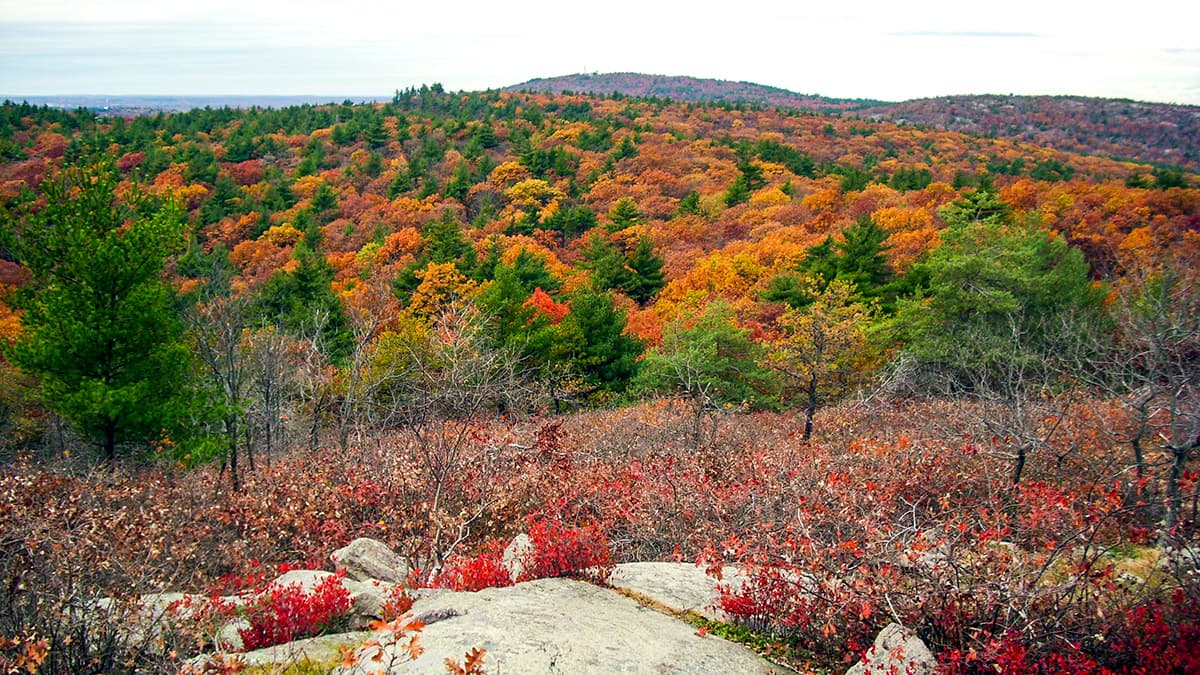
Looking for a challenge that gets you outside without requiring months of hiking? The New England Six Pack of Peaks is a fun, accessible challenge designed to introduce you to some of the regions most iconic mountains. Whether you're a beginner or an experienced hiker, this challenge will help you explore stunning landscapes around New England.Bonus - Mt. Monadnock-Mt. Laffayette
Quick facts
- peaks
- 8located
- shape
- collection
- total distance
- 50 miles
- best season
- Summer
- avg completion
- 1-6 years
Loading your progress…
Map and places
Choose a place. Visit in any order.
- PlaceWhite Mountains, NH
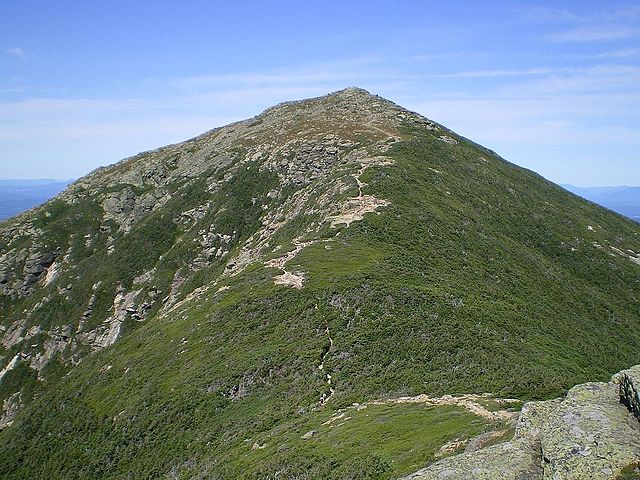
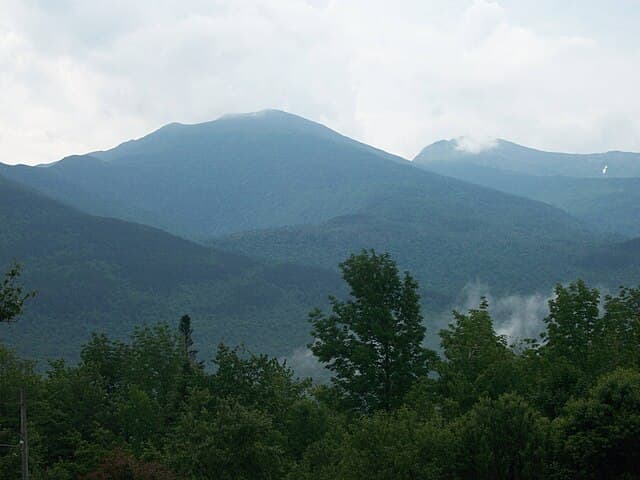
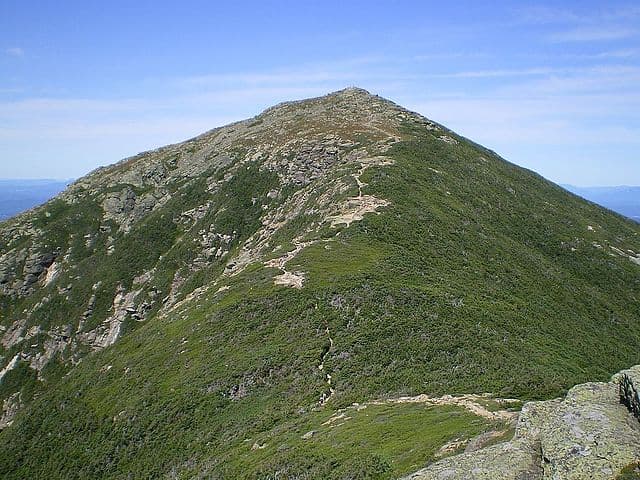
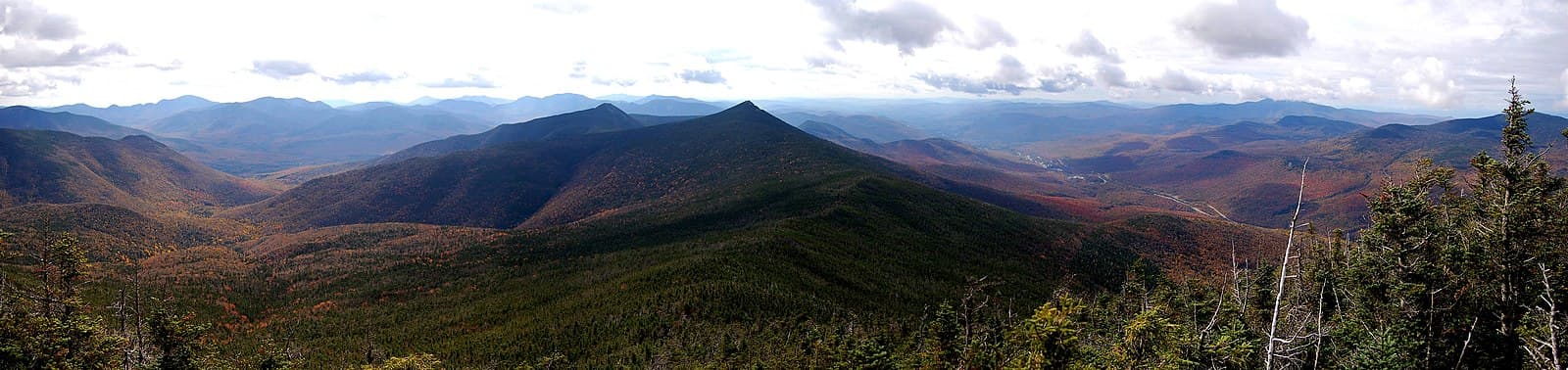
At 1,602 m, Mount Lafayette is the tallest peak outside the Presidential Range. Located in Franconia Ridge, it’s part of the Pemigewasset Wilderness and hosts alpine tundra with rare arctic plants.
- PlaceJaffrey, NH

One of the most hiked mountains in the world!
- PlaceVermont
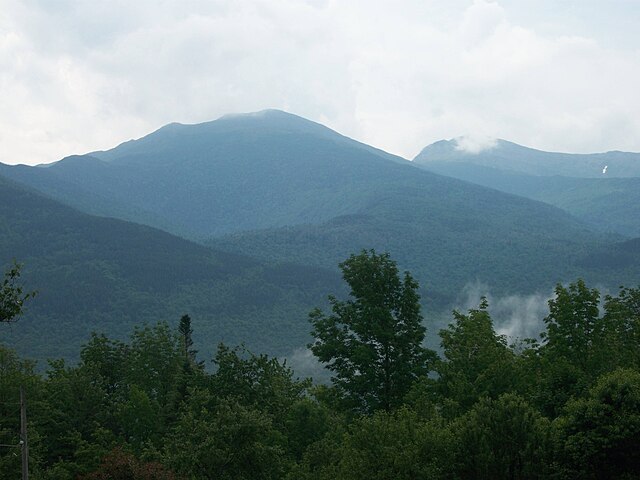
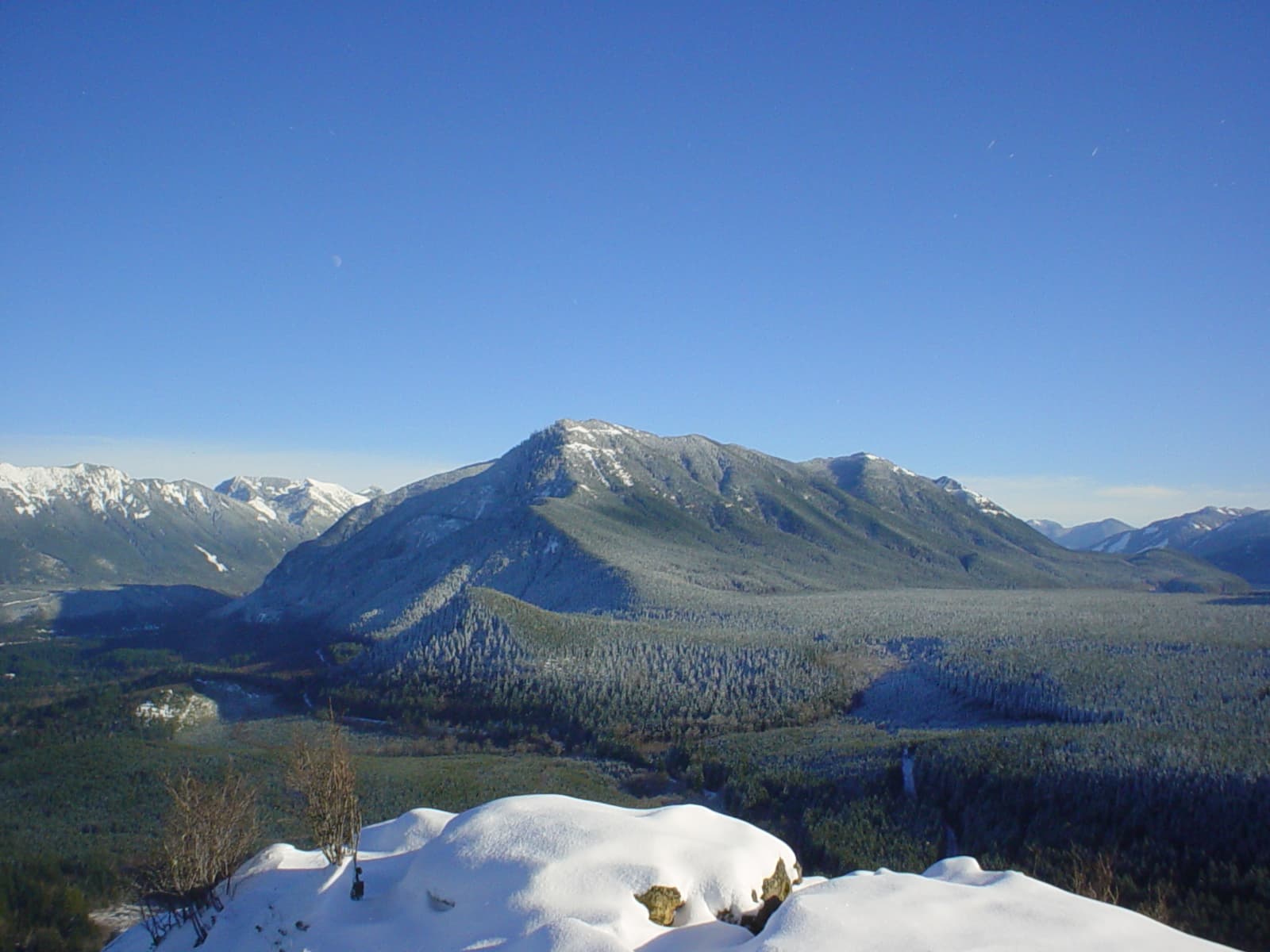
Vermont’s highest peak with dramatic ridgeline views.
- PlaceMaine
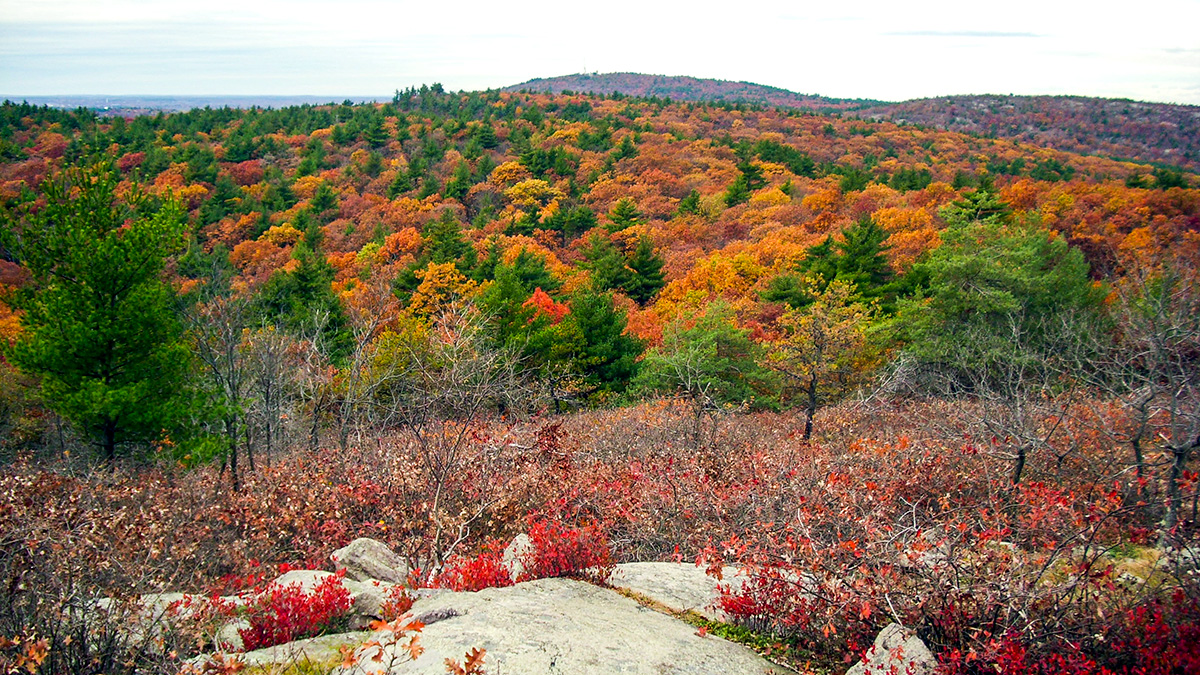
The northern terminus of the Appalachian Trail.
- PlaceMassachusetts
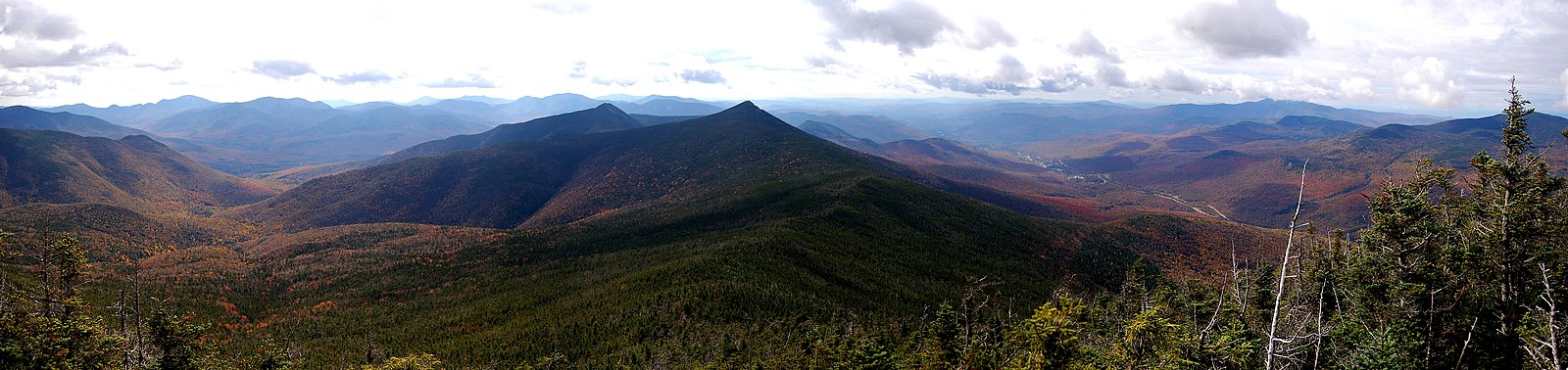
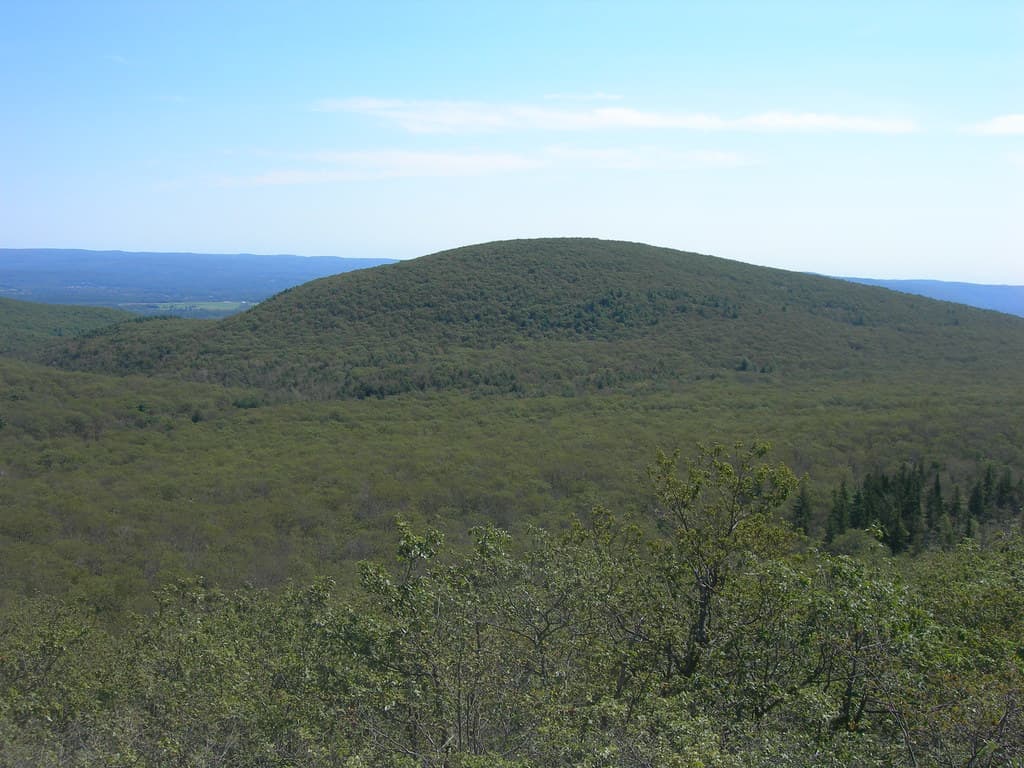
The highest peak in Massachusetts with a historic summit tower.
- PlaceSalisbury, Connecticut
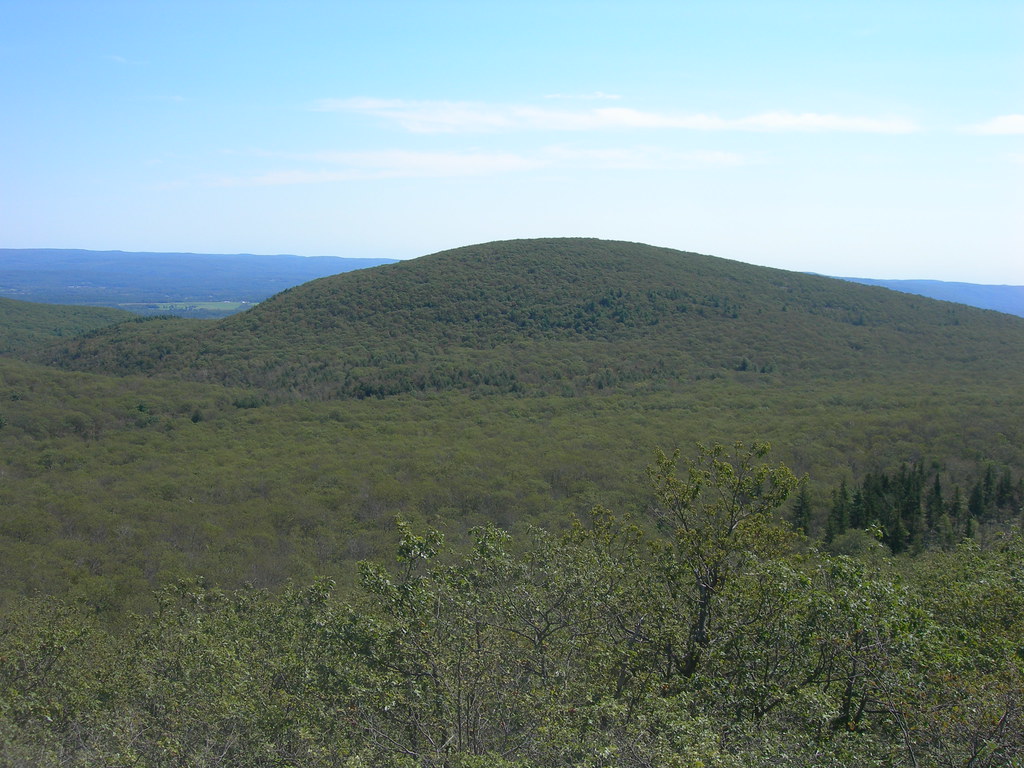
Bear Mountain is the highest peak in Connecticut at 2,316 feet , though not the highest point in the state (which is on Mount Frissell’s slope). The Appalachian Trail passes over the summit, making it a popular hike. The summit features a stone pyramid-like structure and offers…
- PlaceFostr, Rhode Island
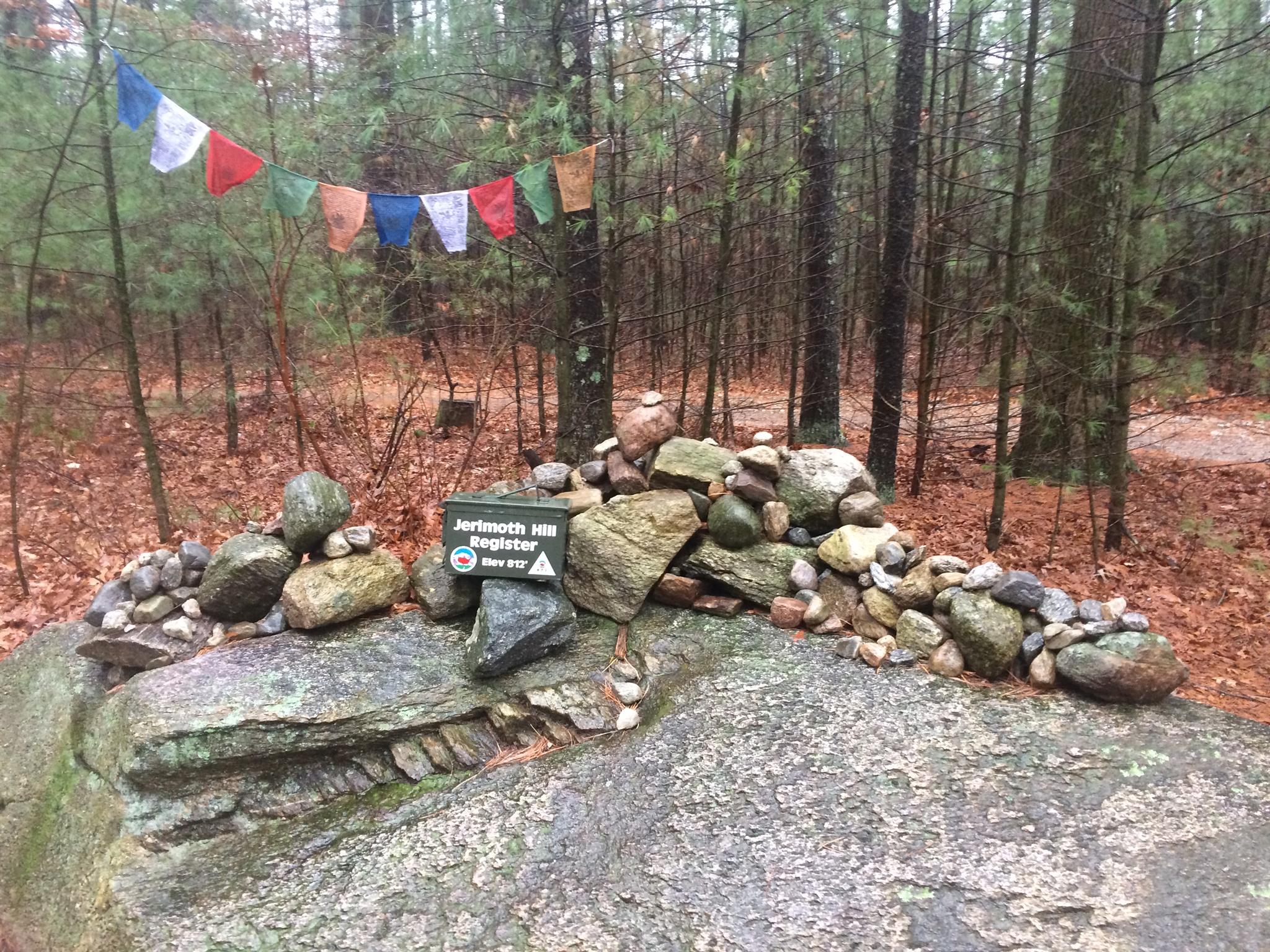
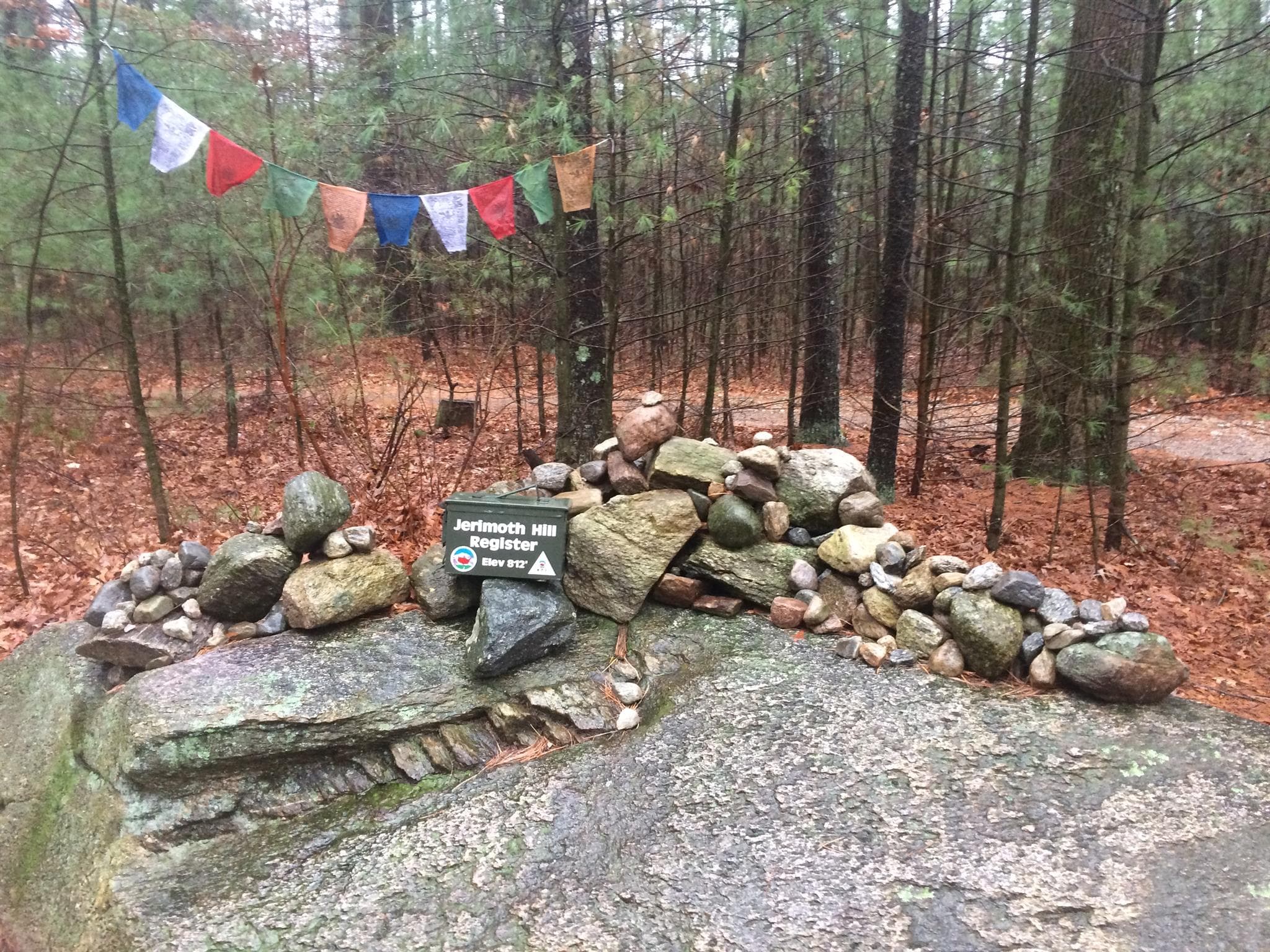
Jerimoth Hill is Rhode Island’s highest point at 812 feet . While it’s not a mountain, it is a must-visit for high-pointers . It was once difficult to access due to private land but is now open to the public. The “hike” is a short, flat walk of about 0.3 miles round trip from…
- PlaceWhite Mountains, NH
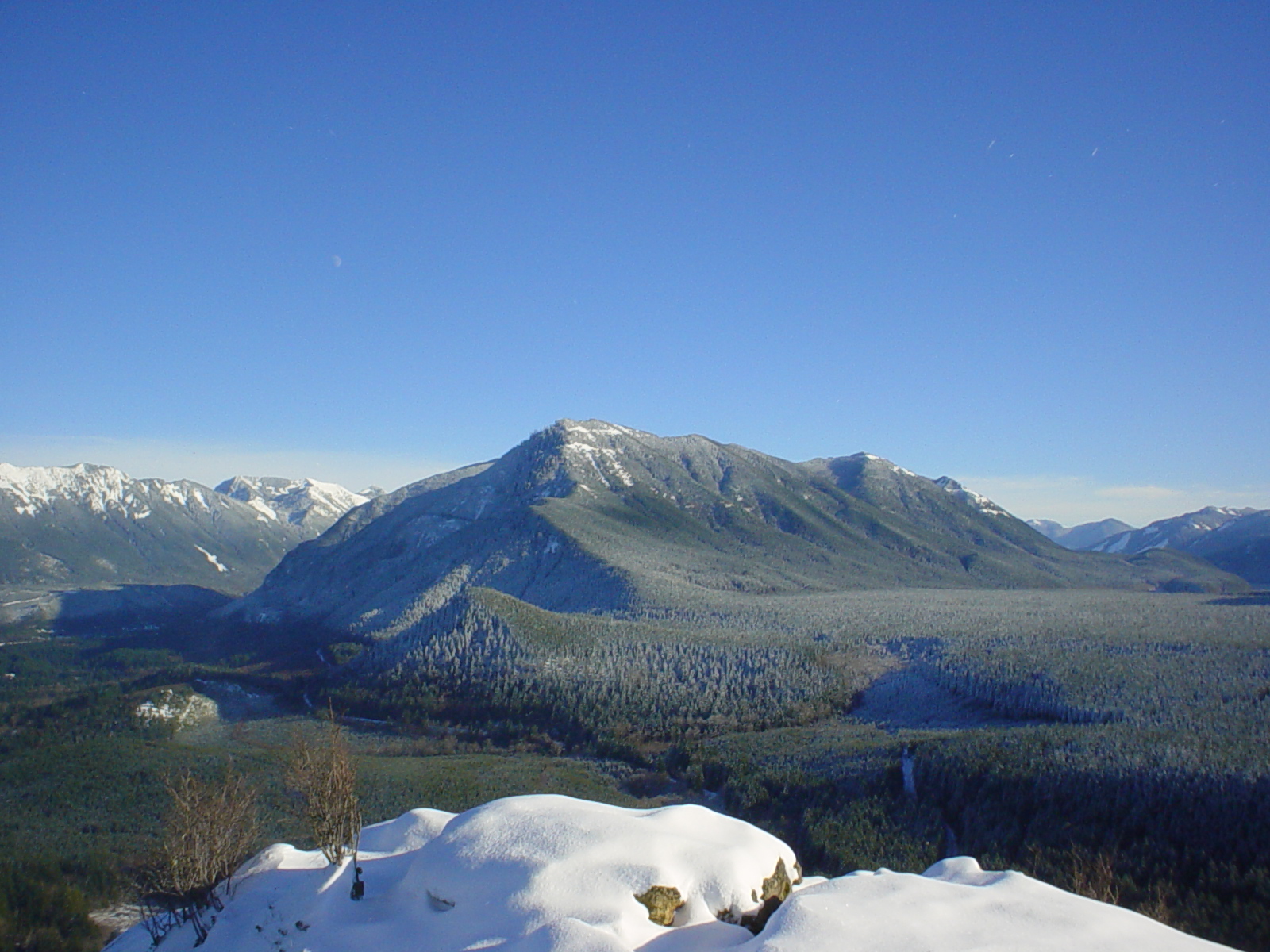
At 1,917 m, Mount Washington is the tallest peak in the Northeast and infamous for some of the world's worst weather. It features a summit observatory and auto road, but hiking up earns the full experience.
You can explore the itinerary while it loads.
Pins show individual places; there is no route between them. Select a pin to read its place in the itinerary.
Overview
The New England Six Pack of Peaks is a challenging collection of six of the highest and most iconic summits in the region, located primarily in the White Mountains of New Hampshire and nearby Vermont. This unofficial but well-known list attracts hikers who want to test their endurance and skill across some of the most rugged and scenic terrain in the Northeast. The Six Pack includes peaks that offer a mix of alpine environments, steep climbs, and rewarding panoramic views, making it a must-do for serious hikers seeking both adventure and a deep connection with New England’s mountainous landscape.
Statistics and Elevation Profile
The Six Pack of Peaks includes Mount Washington (6,288 ft), Mount Adams (5,799 ft), Mount Jefferson (5,712 ft), Mount Madison (5,367 ft), Mount Monroe (5,372 ft), and Mount Katahdin’s Baxter Peak (5,267 ft) in Maine, or sometimes Mount Mansfield (4,393 ft) in Vermont, depending on the exact list. Collectively, these peaks feature a combined elevation gain that can exceed 25,000 feet, depending on the routes chosen. Most hikes involve steep ascents of 3,000 to 4,000 feet in a single day, with distances varying widely but generally between 4 to 8 miles per summit. Weather conditions can change rapidly, especially on the higher summits, and much of the terrain lies above the tree line, exposing hikers to alpine conditions.
Highlights and Landmarks
Each peak in the Six Pack offers unique highlights. Mount Washington is famous for its notorious weather, a historic summit observatory, and views that stretch across multiple states. Mount Adams and Mount Jefferson provide rugged ridge walks and less crowded trails that showcase the Presidential Range’s wild beauty. Mount Madison and Mount Monroe, while lower in elevation, feature classic alpine zones and are often combined in loop hikes. Baxter Peak on Mount Katahdin, the northern terminus of the Appalachian Trail, is famed for its dramatic cliff faces and challenging Knife Edge traverse. Mount Mansfield in Vermont offers stunning views of Lake Champlain and the Green Mountains. Along these trails, hikers encounter alpine flora, granite outcrops, and often wildlife such as moose and peregrine falcons.
Culture and History
These peaks hold cultural and historical significance in New England’s outdoor heritage. Mount Washington’s summit observatory, established in the 19th century, symbolizes the region’s long-standing interest in mountain weather and scientific research. The Presidential Range is named for U.S. presidents, reflecting early American pride and exploration. Baxter Peak was named after James Baxter Jr., a local Maine guide who played a vital role in opening the mountain to public access. The Appalachian Trail, which crosses many of these peaks, represents a historic conservation and hiking movement in the U.S. Local indigenous peoples have historical connections to these mountains as well, with traditional names and stories tied to the landscapes long before European settlement.
Geology
The mountains in the Six Pack are part of the northern Appalachian Mountain range, composed mainly of ancient metamorphic and igneous rocks formed over 400 million years ago during the Acadian Orogeny. Glacial activity during the last Ice Age shaped much of the current terrain, carving deep valleys, cirques, and sharp ridgelines that characterize the alpine zones. The rugged granite and gneiss summits support fragile alpine ecosystems unique to the Northeastern U.S. These geological features contribute not only to the dramatic scenery but also to the challenging trail conditions, including exposed rock scrambles and narrow ridges.
Essential Gear
Hikers tackling the New England Six Pack of Peaks should be equipped with sturdy, well-broken-in hiking boots that provide good traction on rocky and sometimes slippery surfaces. Weather protection is critical; the mountains are known for sudden storms, cold winds, and rapidly dropping temperatures even in summer. Layered clothing systems allow adaptation to changing conditions from warm forested valleys to exposed alpine ridges. A detailed topographic map, compass, and GPS device with offline maps are strongly recommended due to the complexity of the terrain and often limited cell service. Trekking poles help reduce impact on knees during steep descents. Safety gear should include a first aid kit, headlamp, whistle, and emergency shelter. Sun protection and insect repellent are also important, especially at lower elevations.
Accommodation
Accommodations near the Six Pack peaks range from backcountry huts and shelters operated by the Appalachian Mountain Club (AMC) and Maine Appalachian Trail Land Trust, to campgrounds and local inns in nearby towns like Gorham, Lincoln, or Millinocket. AMC huts along the Presidential Range offer dormitory-style lodging and meals but require advance reservations, particularly in the summer. Baxter State Park near Mount Katahdin has designated campgrounds and backcountry sites that also require permits and reservations during peak seasons.
Food and Water
Water sources are generally abundant, with streams, springs, and ponds along many routes. However, all natural water should be filtered or treated before drinking to prevent illness. Hikers usually carry high-energy, lightweight food such as dehydrated meals, trail mix, nuts, and energy bars, planning resupplies in nearby towns if the route allows. Mountain huts provide meals but are spaced far apart, so self-sufficiency remains important. Packing extra food for emergencies and unexpected delays is recommended, especially in more remote areas like Baxter State Park. Staying hydrated is crucial, as the exertion and elevation can lead to dehydration quickly.
Navigation
The trails to the Six Pack peaks are well-marked with blazes, cairns, and trail signs, especially in the heavily trafficked Presidential Range and Baxter State Park. The Appalachian Trail passes over many of these summits, using white blazes as standard markers. However, fog, snow, and complex trail junctions can make navigation challenging, so carrying reliable maps and a compass is vital. GPS devices with preloaded maps or apps like Gaia GPS help keep hikers on course. Weather can limit visibility, so good route-finding skills and familiarity with the terrain are important for safety.
Safety and Risk Management
Hiking the New England Six Pack requires careful attention to weather, physical conditioning, and preparedness. The region’s mountains are notorious for sudden changes, including thunderstorms, fog, and cold temperatures that can cause hypothermia. Steep, rocky terrain increases the risk of slips and falls, and exposed ridges can be hazardous in high winds. Wildlife encounters, particularly with black bears, require proper food storage and awareness. Cell phone coverage is limited in many areas, making satellite communication devices useful for emergencies. Always let someone know your itinerary and expected return time, and be prepared to turn back if conditions deteriorate.
Permits and Fees
Most trails leading to the Six Pack peaks do not require permits for day hiking, but overnight stays in backcountry huts or campsites often require reservations and fees. Baxter State Park operates a permit system for camping and limits daily visitor numbers to protect the environment. Parking fees apply at popular trailheads, such as the Appalachia and Pinkham Notch areas in the White Mountains. Visitors should check official websites for the Appalachian Mountain Club, Baxter State Park, and local forest services for the latest information on fees, permits, and regulations to ensure compliance and a smooth hiking experience.
New England Six Pack of Peaks: common questions
How long is New England Six Pack of Peaks?
New England Six Pack of Peaks covers 50 miles in total.
How long does New England Six Pack of Peaks take to complete?
Most people complete New England Six Pack of Peaks in about 1-6 years.
When is the best time to do New England Six Pack of Peaks?
The best season for New England Six Pack of Peaks is Summer.
How many checkpoints does New England Six Pack of Peaks have?
New England Six Pack of Peaks has 8 checkpoints to log on the way to finishing it.
Plan your journey.
Keep this journey for later, or share it with someone you would like to go with.