
National Parks Passport
USA

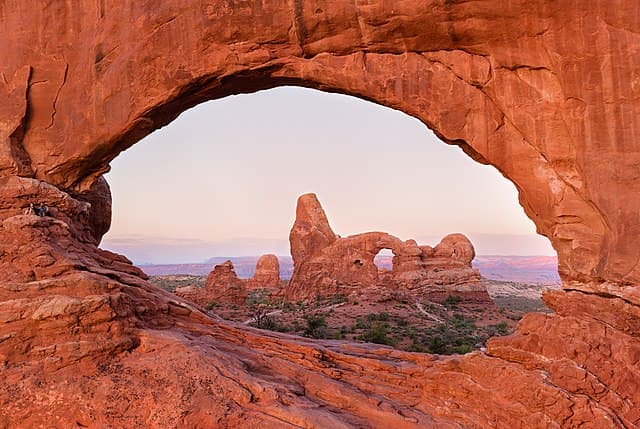
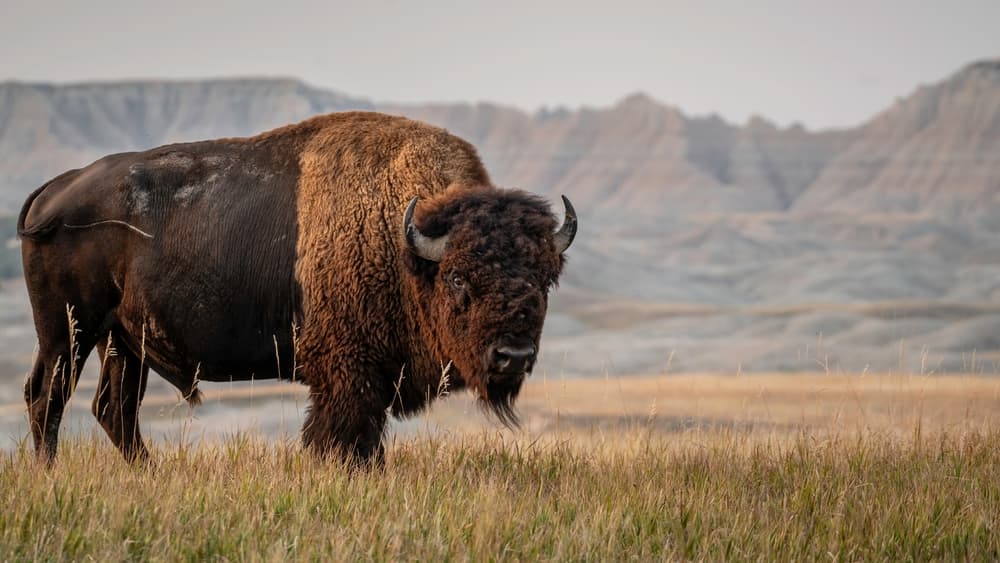
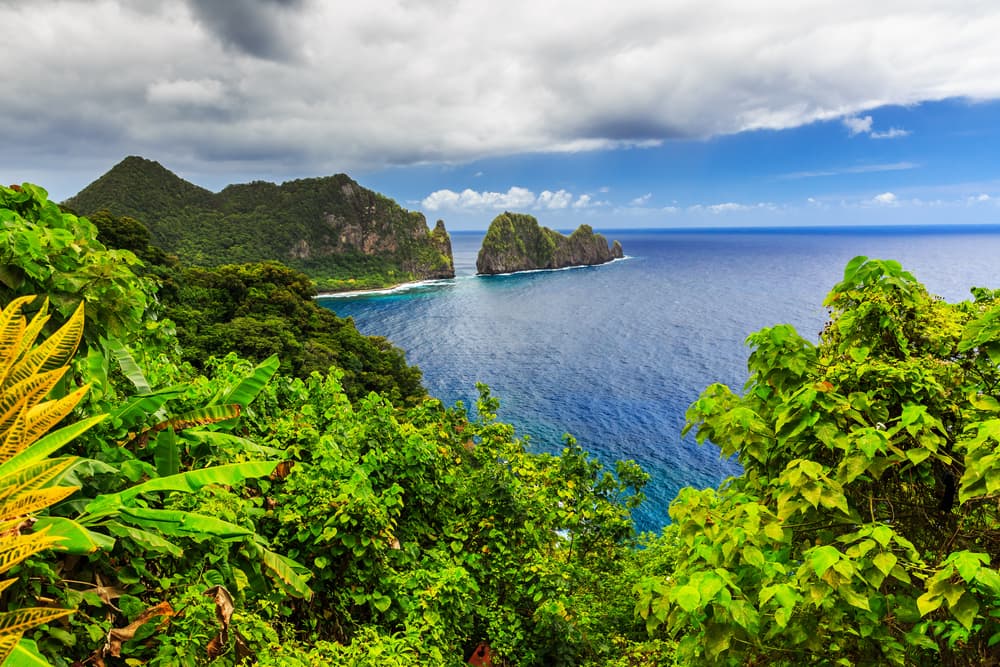
About this quest
The National Parks Passport helps you track visits to iconic U.S. National Parks, from Yosemite and Yellowstone to Acadia and Zion. Mark each park you explore, log highlights, and document your journey with photos and personal notes. Whether you're aiming to visit all 63 U.S. National Parks or just starting out, this digital passport keeps your adventure organized, inspiring, and shareable.
Quick facts
- parks
- 63located
- shape
- passport
- total distance
- 1500 km
- best season
- Anytime
- avg completion
- 5-10 years
Loading your progress…
Map and places
Choose a place. Visit in any order.
Journey overview
8 of 63 places. Open the full itinerary to explore any place.
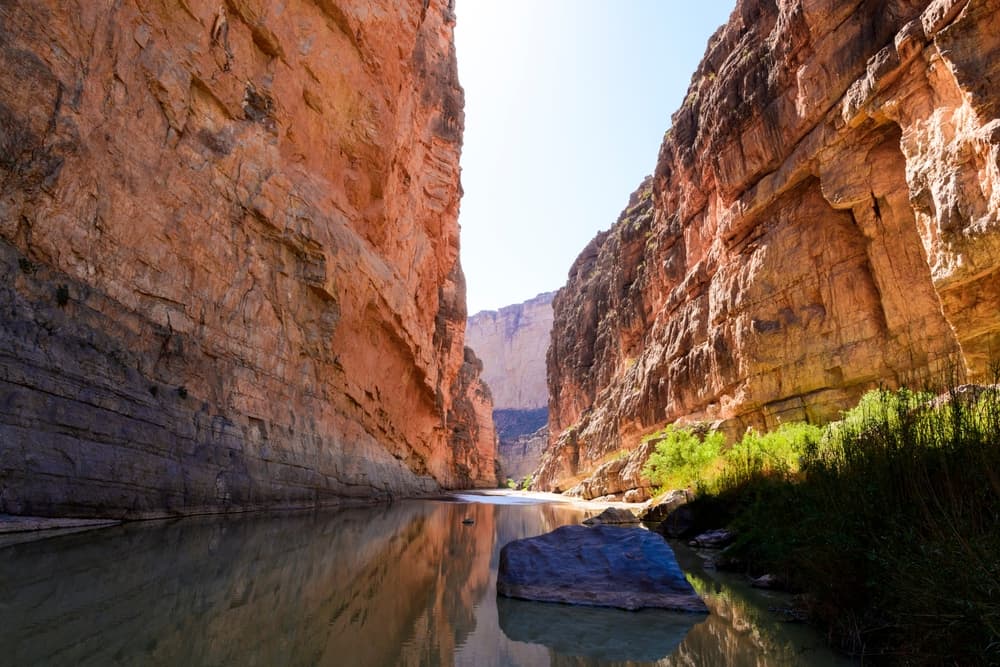
- PlaceBig Bend National Park, Texas, United States
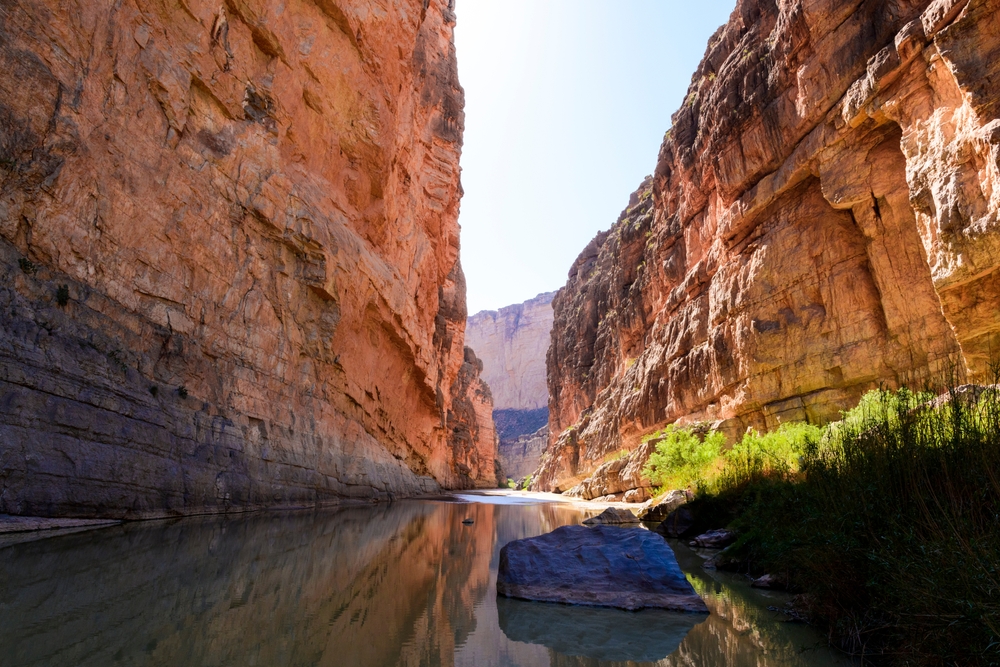
Location not mapped
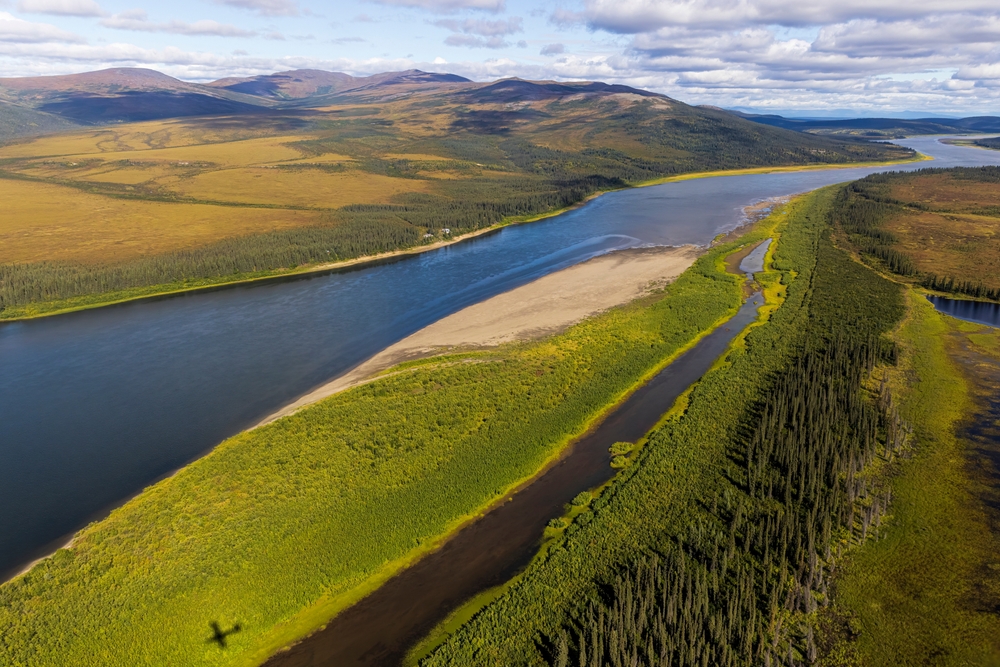
- PlaceKobuk Valley National Park, Alaska, United States
Location not mapped
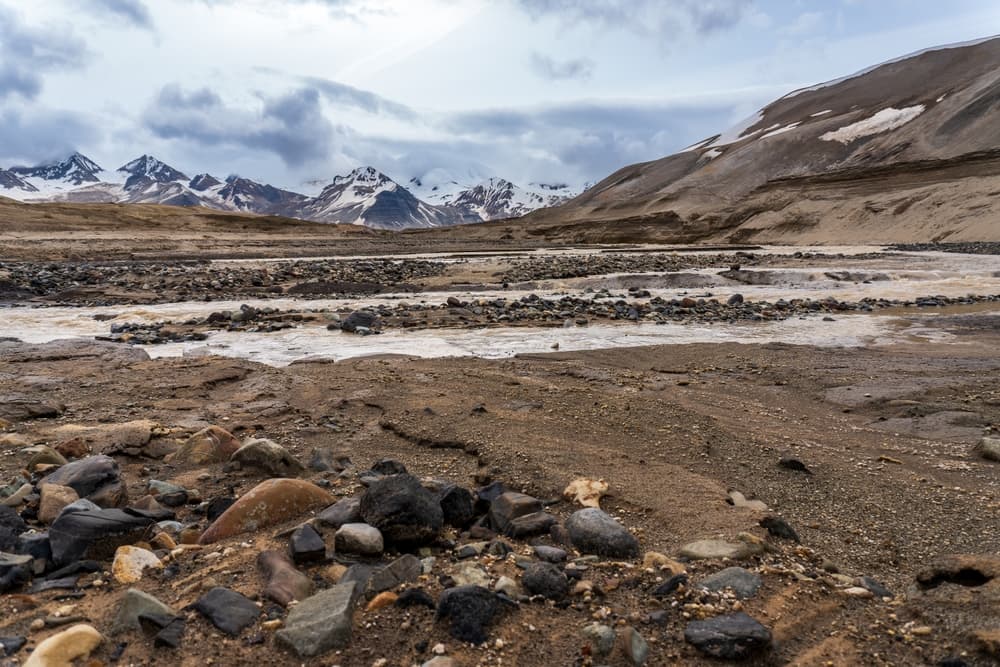
- PlaceWrangell-St. Elias National Park, Alaska, United States
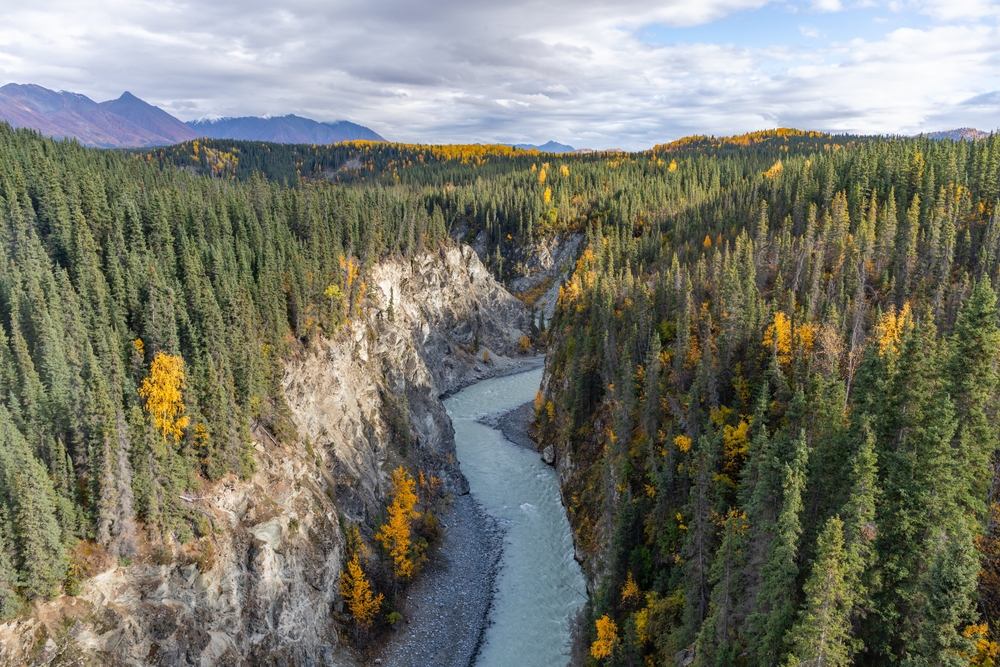
Wrangell–St. Elias in Alaska is America’s largest national park, a staggering wilderness of glaciers, volcanoes, and 16,000-foot peaks. This remote landscape features vast icefields, historic mining towns, and abundant wildlife. With few roads and endless wild terrain, the park…
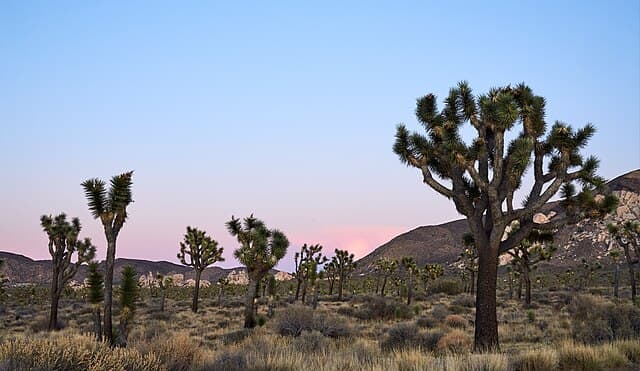
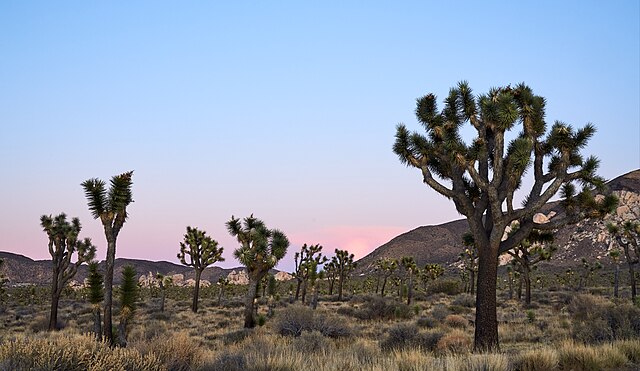
- PlaceJoshua Tree National Park, California, United States
Location not mapped
- PlaceHaleakalā National Park, Hawaii, United States
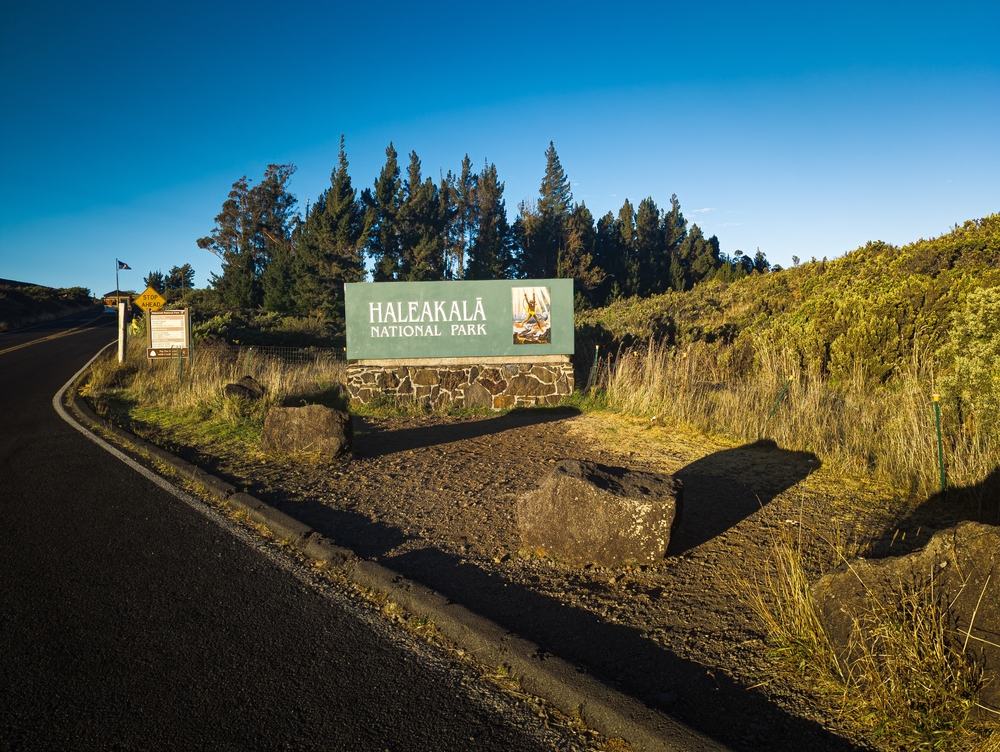
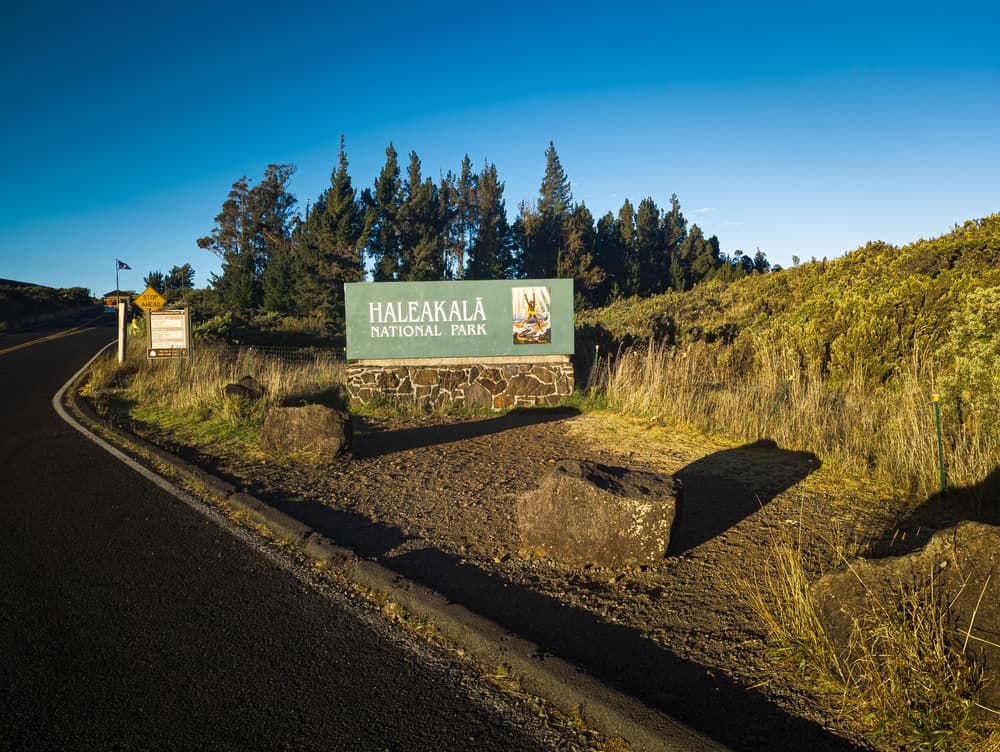
Haleakalā National Park spans volcanic landscapes, subtropical rainforests, and rugged coastlines on Maui. Its namesake crater, over 10,000 feet high, reveals a Martian-like terrain at sunrise. The park’s lower Kipahulu section features lush waterfalls and bamboo forests. It’s a…
- PlaceGateway Arch National Park, Missouri, United States
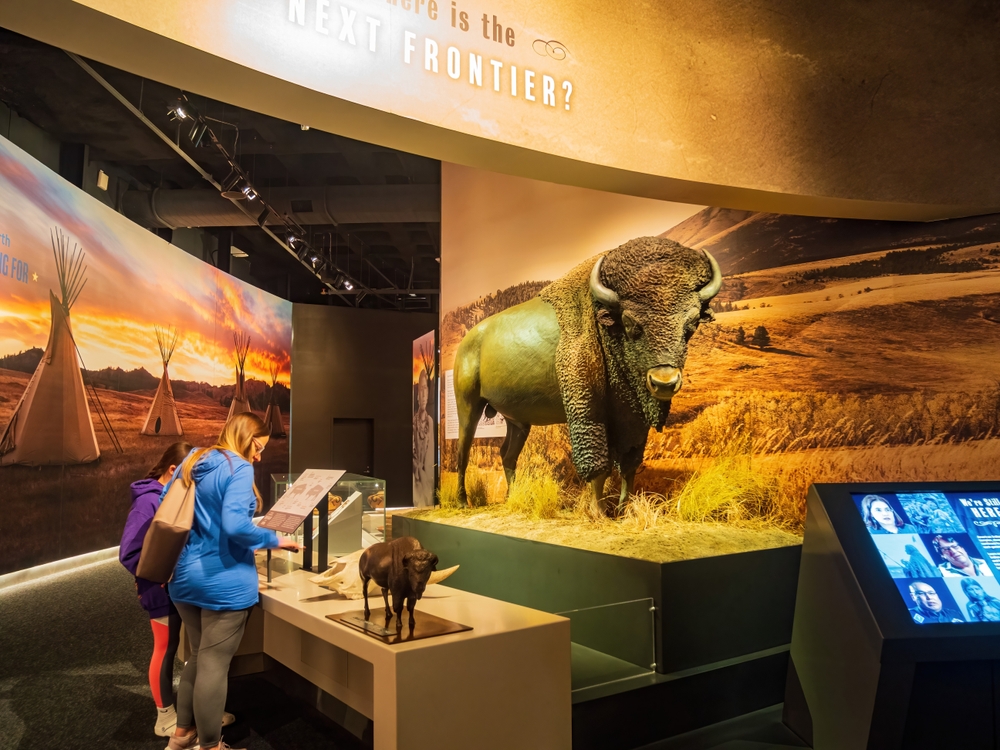
Location not mapped
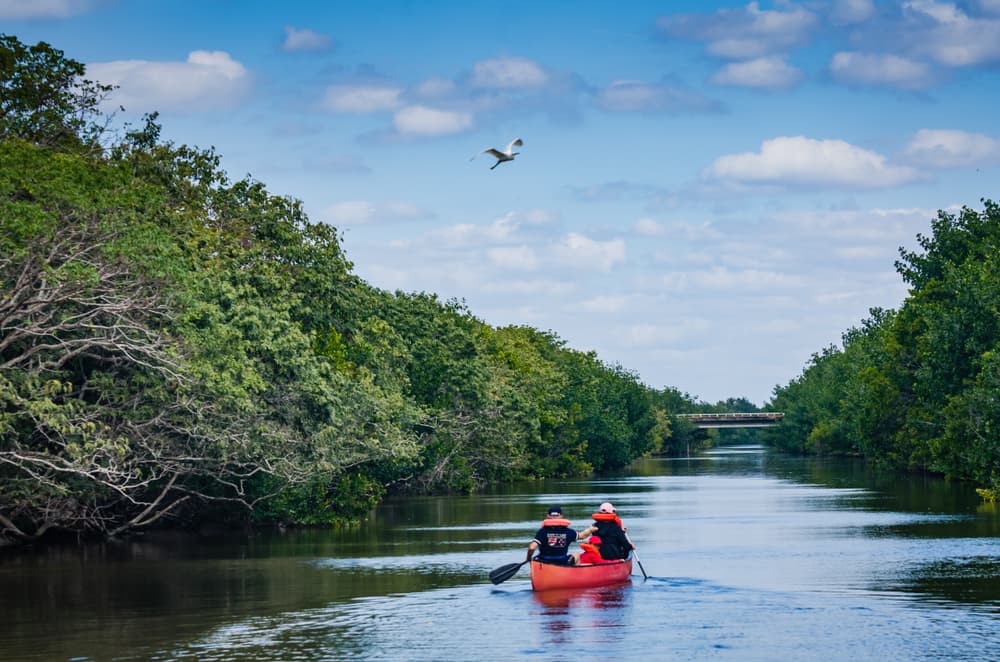
- PlaceBiscayne National Park, Florida, United States
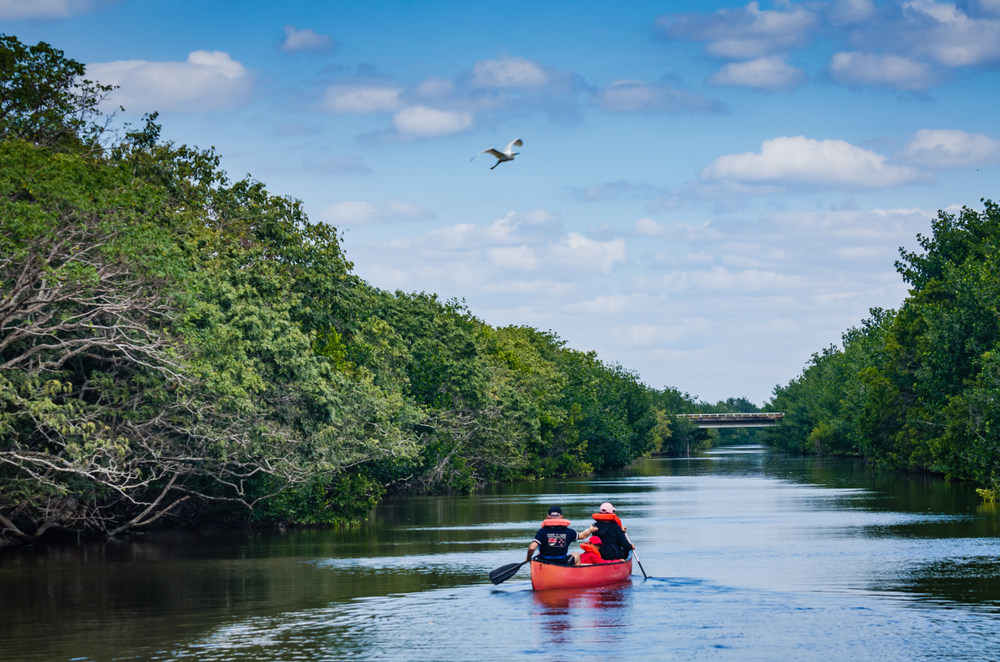
Location not mapped
- PlaceNational Park of American Samoa, Manu'a, American Samoa
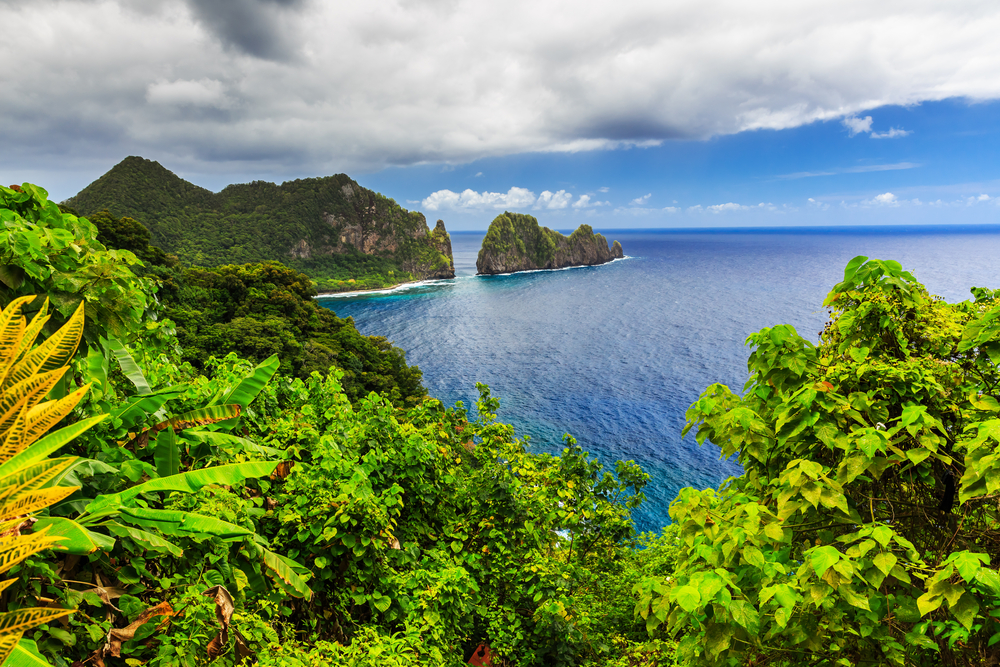
Location not mapped
You can explore the itinerary while it loads.
Pins show individual places; there is no route between them. Select a pin to read its place in the itinerary.
61 places are not mapped yet: Big Bend National Park, Katmai National Park, Mount Rainier National Park, Petrified Forest National Park, Sequoia National Park, Kobuk Valley National Park, Olympic National Park, Virgin Islands National Park, Saguaro National Park, Theodore Roosevelt National Park, White Sands National Park, Wind Cave National Park, Shenandoah National Park, Redwood National Park, Yellowstone National Park, Voyageurs National Park, Yosemite National Park, Rocky Mountain National Park, Zion National Park, Pinnacles National Park, North Cascades National Park, Mammoth Cave National Park, Kings Canyon National Park, Kenai Fjords National Park, Joshua Tree National Park, Mesa Verde National Park, Lassen Volcanic National Park, New River Gorge National Park, Lake Clark National Park, Hot Springs National Park, Isle Royale National Park, Indiana Dunes National Park, Congaree National Park, Guadalupe Mountains National Park, Canyonlands National Park, Hawai'i Volcanoes National Park, Great Smoky Mountains National Park, Grand Canyon National Park, Great Basin National Park, Great Sand Dunes National Park, Grand Teton National Park, Cuyahoga Valley National Park, Glacier National Park, Gateway Arch National Park, Everglades National Park, Denali National Park, Glacier Bay National Park, Gates of the Arctic National Park, Death Valley National Park, Dry Tortugas National Park, Carlsbad Caverns National Park, Crater Lake National Park, Channel Islands National Park, Capitol Reef National Park, Biscayne National Park, Bryce Canyon National Park, Black Canyon of the Gunnison National Park, Acadia National Park, Arches National Park, Badlands National Park, American Samoa National Park.
Overview
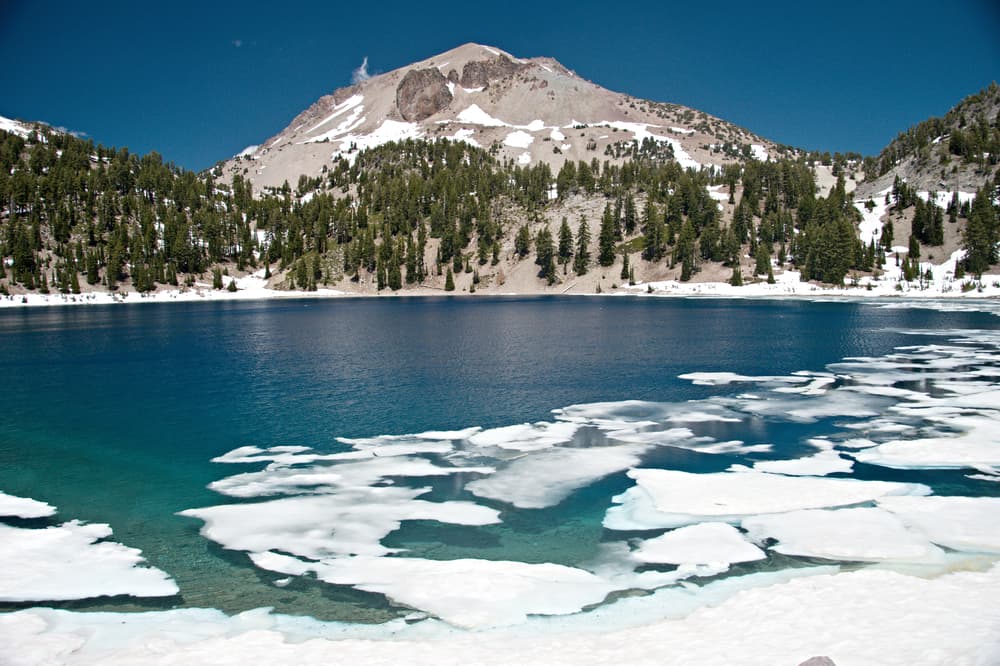
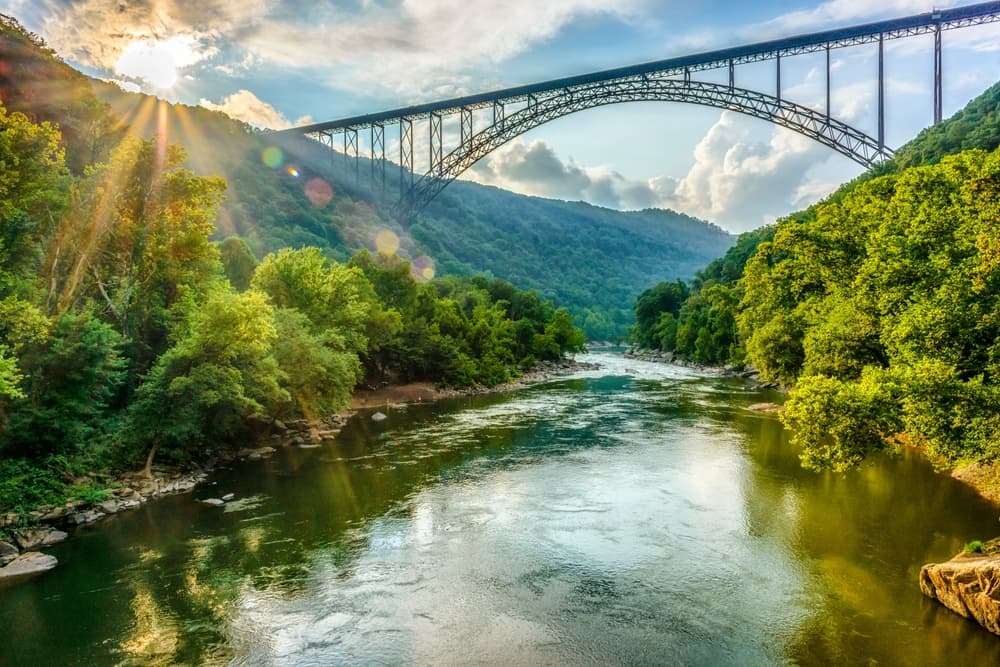
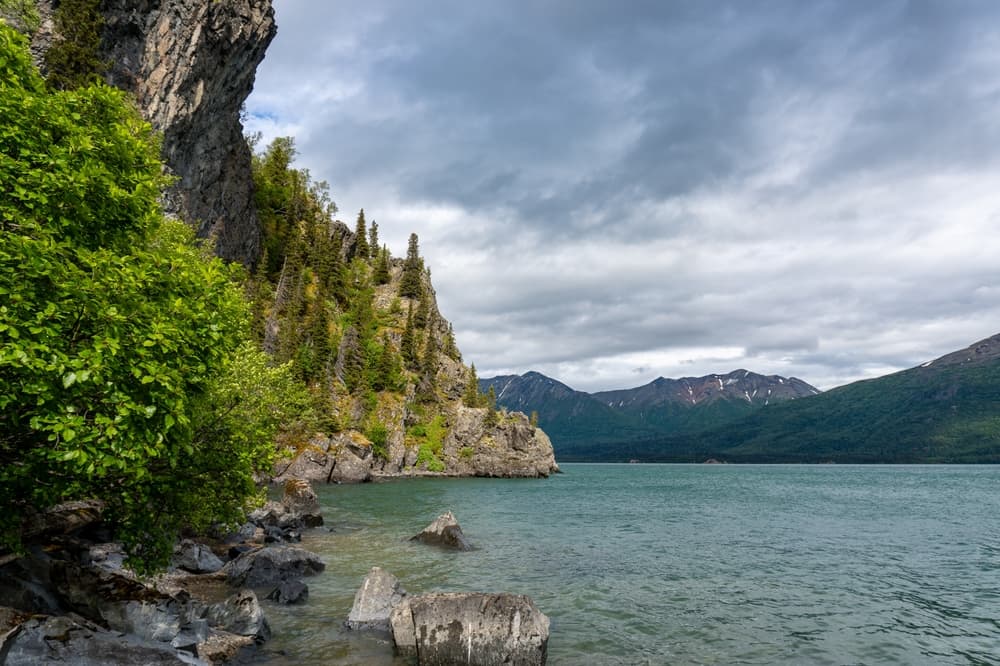
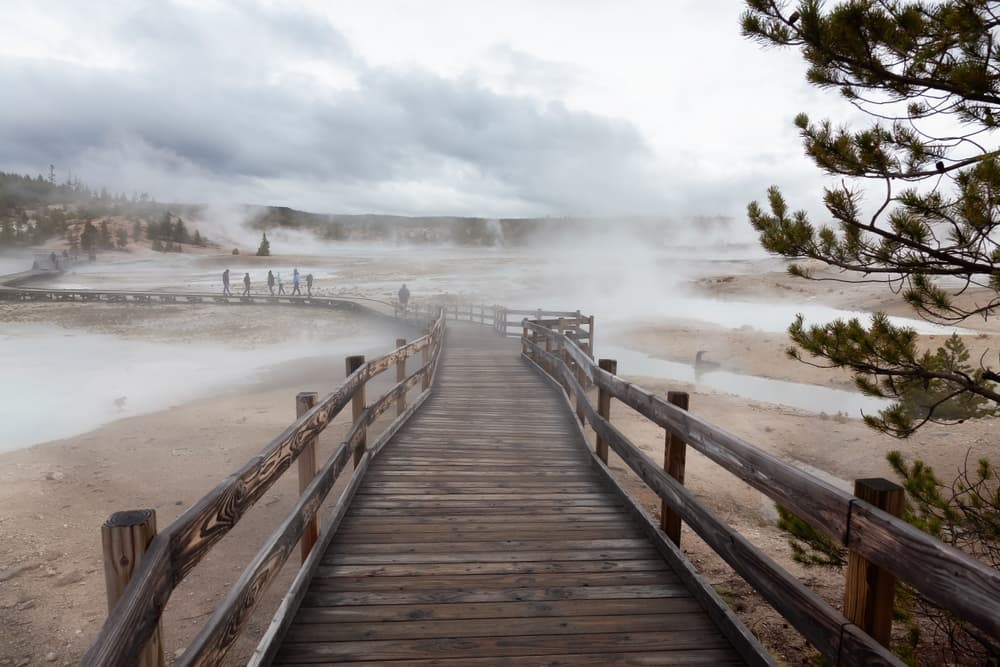
The United States National Parks Passport Challenge invites outdoor enthusiasts to explore all 63 official U.S. national parks, each offering unique landscapes, wildlife, and cultural history. From towering desert mesas to rugged coastal cliffs, these parks represent the country’s diverse natural heritage and provide countless opportunities for hiking, camping, and adventure.
Statistics and Elevation Profile
Visiting all 63 national parks requires extensive planning, travel, and time commitment, as the parks are spread across 30 states and multiple territories. The total combined acreage covers over 52 million acres, with elevation ranging from sea level in parks like Everglades and Olympic, up to 14,505 feet at Mount Whitney in Sequoia National Park. The hiking opportunities vary from short nature walks to strenuous multi-day backcountry treks. While the challenge has no fixed route, most adventurers approach it regionally, tackling clusters such as the Southwest parks like Grand Canyon and Zion, or the Alaska parks which demand more logistical preparation due to remoteness. Completion often takes years, with some aiming to visit a handful each year. The National Park Service offers a passport program where visitors can collect stamps at each park, marking their progress and making the experience more tangible.
Highlights and Landmarks
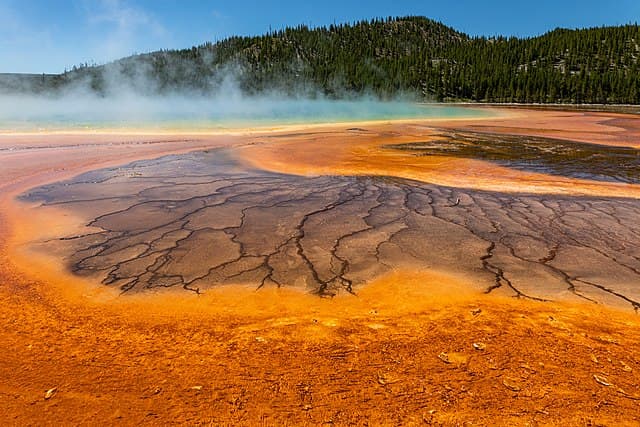
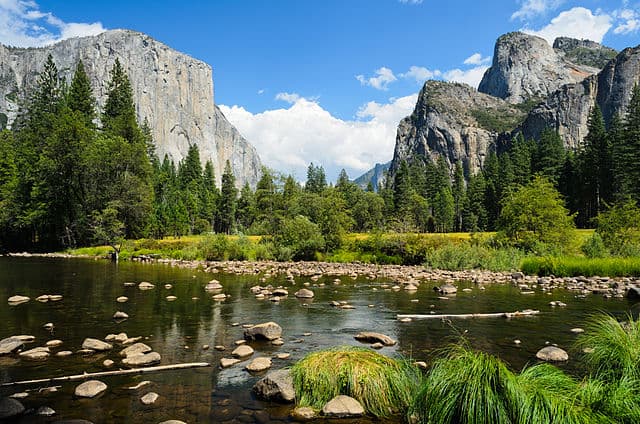
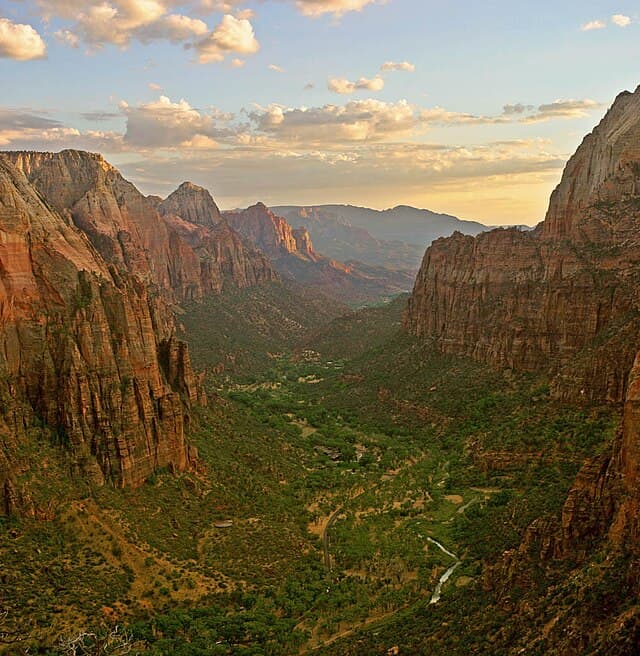
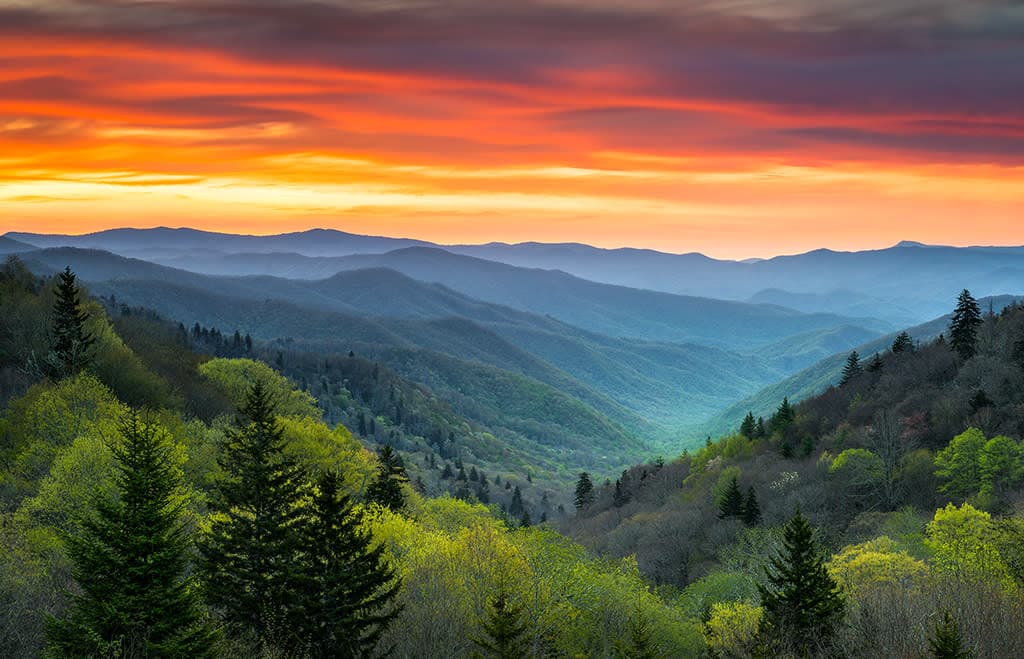
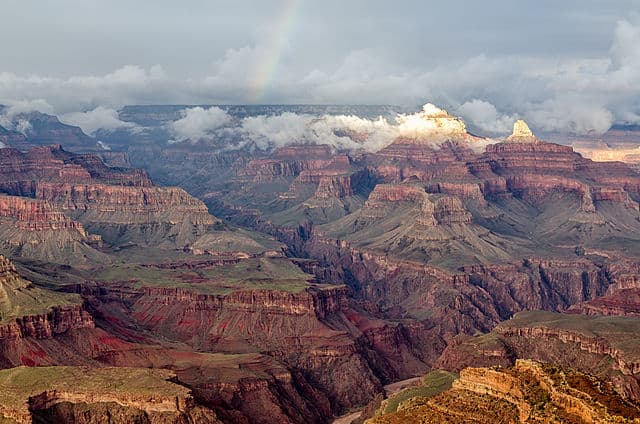
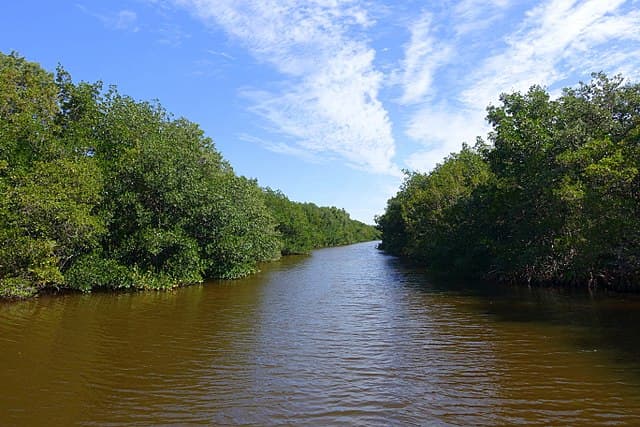
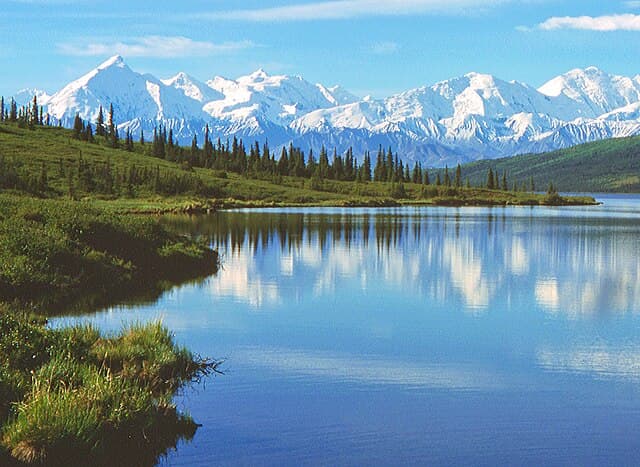
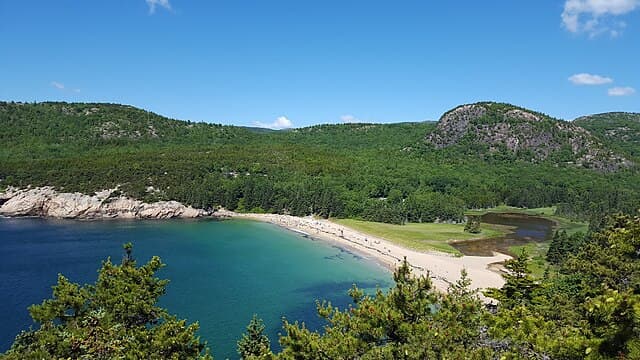
Among the most iconic parks in the challenge are Yellowstone, known for its geothermal features like Old Faithful and vast wildlife populations including bison and wolves; Yosemite, with its granite cliffs, waterfalls, and ancient giant sequoias; and the Grand Canyon, famous for its immense scale and colorful geology. Other parks offer strikingly different environments. Everglades National Park presents subtropical wetlands, mangroves, and elusive wildlife like the Florida panther and manatees. Acadia on the Maine coast is beloved for rugged shorelines, dense forests, and mountain summits with ocean views. Denali in Alaska features North America’s tallest peak and expansive tundra landscapes. Many parks boast historic or cultural significance as well. Mesa Verde preserves ancestral Puebloan cliff dwellings, while Great Smoky Mountains celebrates Appalachian biodiversity and early settler history. The challenge offers an unparalleled way to experience America’s natural and cultural heritage on foot and through exploration.
Culture and History
The U.S. National Parks system reflects a long history of conservation efforts dating back to Yellowstone’s establishment in 1872 as the world’s first national park. The parks preserve landscapes sacred to Indigenous peoples, sites of historical events, and natural wonders vital for ecological research and education. Throughout many parks, visitors will find interpretive centers and ranger-led programs that deepen understanding of the land’s cultural and natural history. Indigenous tribes have often been integral to these stories and continue to be stewards and storytellers connected to the parks.
Geology
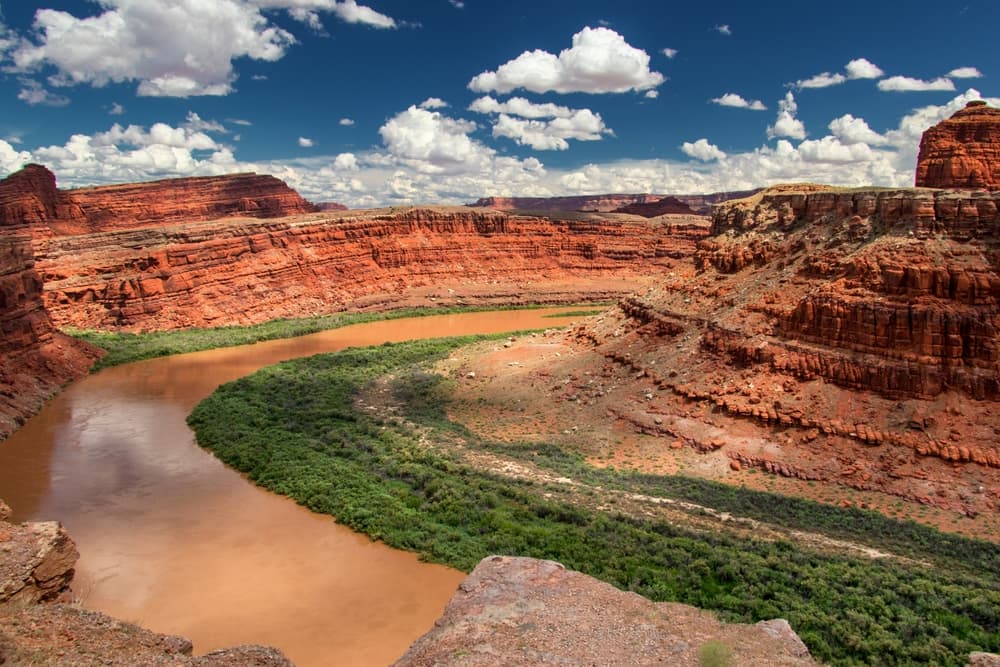
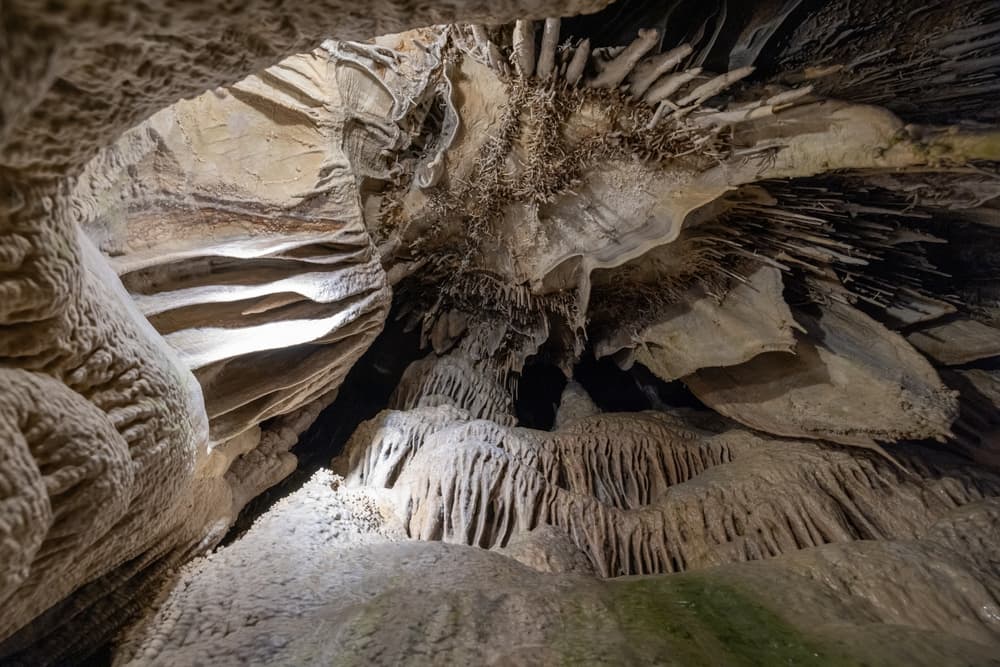
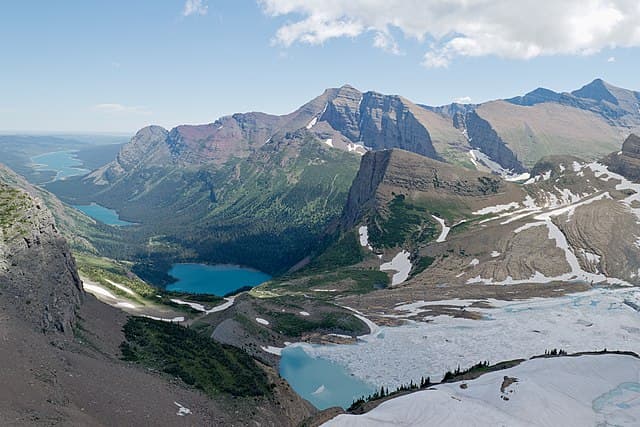
The geological diversity across the national parks is vast. The Grand Canyon offers an unmatched window into Earth’s deep past, exposing nearly two billion years of layered rock formations carved by the Colorado River. Yellowstone sits atop a volcanic hotspot, fueling geysers, hot springs, and mud pots that create a dynamic geothermal landscape. Glaciation shaped the alpine valleys of Glacier National Park and the sharp peaks of the North Cascades. Coastal erosion and tectonic uplift define the rugged beauty of Olympic and Channel Islands National Parks.
Essential Gear
Successfully exploring national parks requires gear suited to varying conditions. Good hiking boots broken in before trips are a must, as trails range from easy boardwalks to steep rocky terrain. Layered clothing systems help manage temperature swings from desert heat to mountain chill. Rain gear and sun protection are essential across all environments. Backpacks with adequate capacity for water, food, and safety gear like first aid kits, navigation tools, and emergency communication devices increase preparedness for remote or challenging areas. Depending on the park and season, camping gear including tents, sleeping bags, and cooking equipment may be required.
Accommodation
Accommodation options vary widely among the parks. Many feature campgrounds from primitive sites to those with full amenities, while others offer lodges and cabins that can be booked months in advance due to high demand. Some parks, especially in Alaska and remote areas, may have no nearby lodging, requiring careful logistics for overnight stays. During peak seasons, reservations for campsites and lodges fill quickly, so early planning is essential. Alternative lodging in nearby towns often supports park visits but involves additional travel time. Backcountry permits for overnight hikes in designated wilderness zones require separate applications and adherence to strict regulations.
Food and Water
Most parks have general stores or visitor centers selling basic supplies, but options vary greatly. Backpackers should plan resupply points carefully, especially in remote parks like Gates of the Arctic or North Cascades where amenities are limited or nonexistent. Carrying sufficient water or access to reliable water sources is critical. Many parks have potable water at trailheads and campgrounds, but hikers relying on streams or springs must treat water to prevent illness.
Navigation
Trails in national parks range from heavily trafficked and well-marked to unmaintained wilderness routes demanding advanced navigation skills. Most popular areas provide trail maps at visitor centers and online. GPS and smartphone apps can assist, but hikers should always carry physical maps and a compass as backups. Seasonal closures, wildlife activity, and weather conditions can affect trail accessibility.
Safety and Risk Management
Visiting all national parks means encountering a range of natural hazards. Sudden weather changes, wildlife encounters, challenging terrain, and altitude effects require vigilance and respect for park regulations. Wildlife safety, especially concerning bears and mountain lions, demands proper food storage and behavior awareness. Flash floods, heat exhaustion, and hypothermia are concerns in certain environments.
Permits and Fees
Entry fees apply to most national parks, typically around $30 per vehicle for a 7-day pass, though some parks are free or have lower fees. The America the Beautiful Pass offers unlimited access to federal lands, including all national parks, for an annual fee and is cost-effective for frequent visitors. Backcountry permits, special activity permits, and camping reservations often have additional fees. Some parks require shuttle services for popular trailheads to reduce congestion.
National Parks Passport: common questions
How long is National Parks Passport?
National Parks Passport covers 1500 km in total.
How long does National Parks Passport take to complete?
Most people complete National Parks Passport in about 5-10 years.
When is the best time to do National Parks Passport?
The best season for National Parks Passport is Anytime.
How many checkpoints does National Parks Passport have?
National Parks Passport has 63 checkpoints to log on the way to finishing it.
Plan your journey.
Keep this journey for later, or share it with someone you would like to go with.