
Challenge
Fishermen's Trail
Porto Covo, Setúbal, Portugal



About this challenge
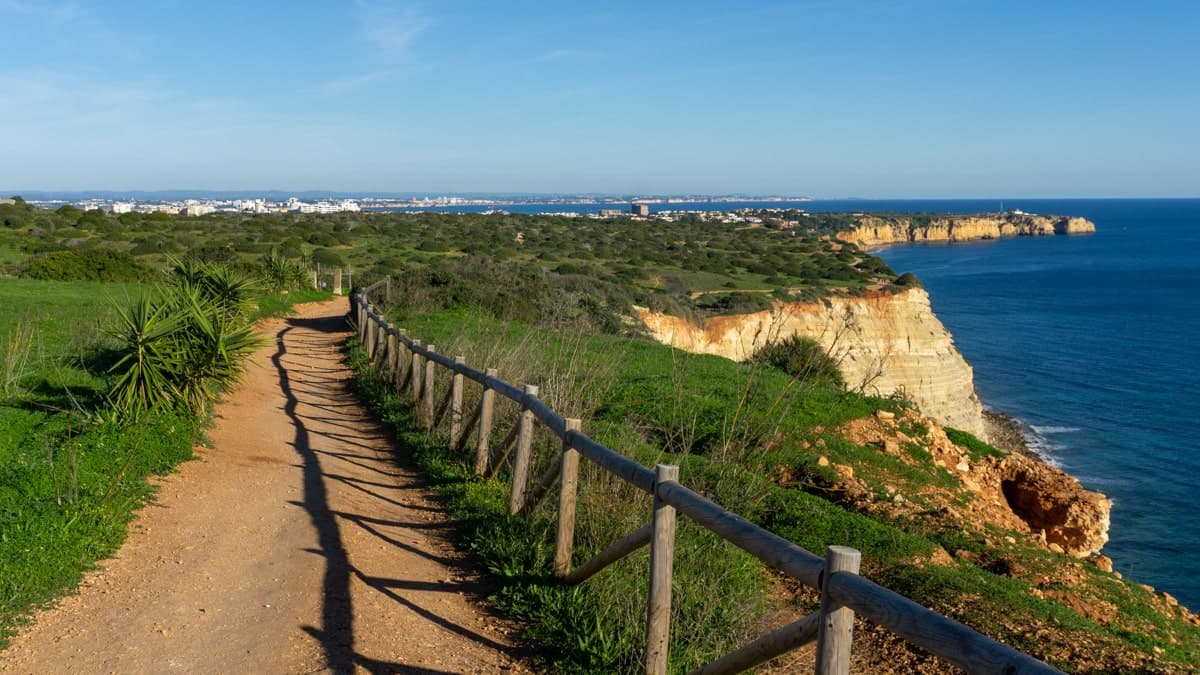
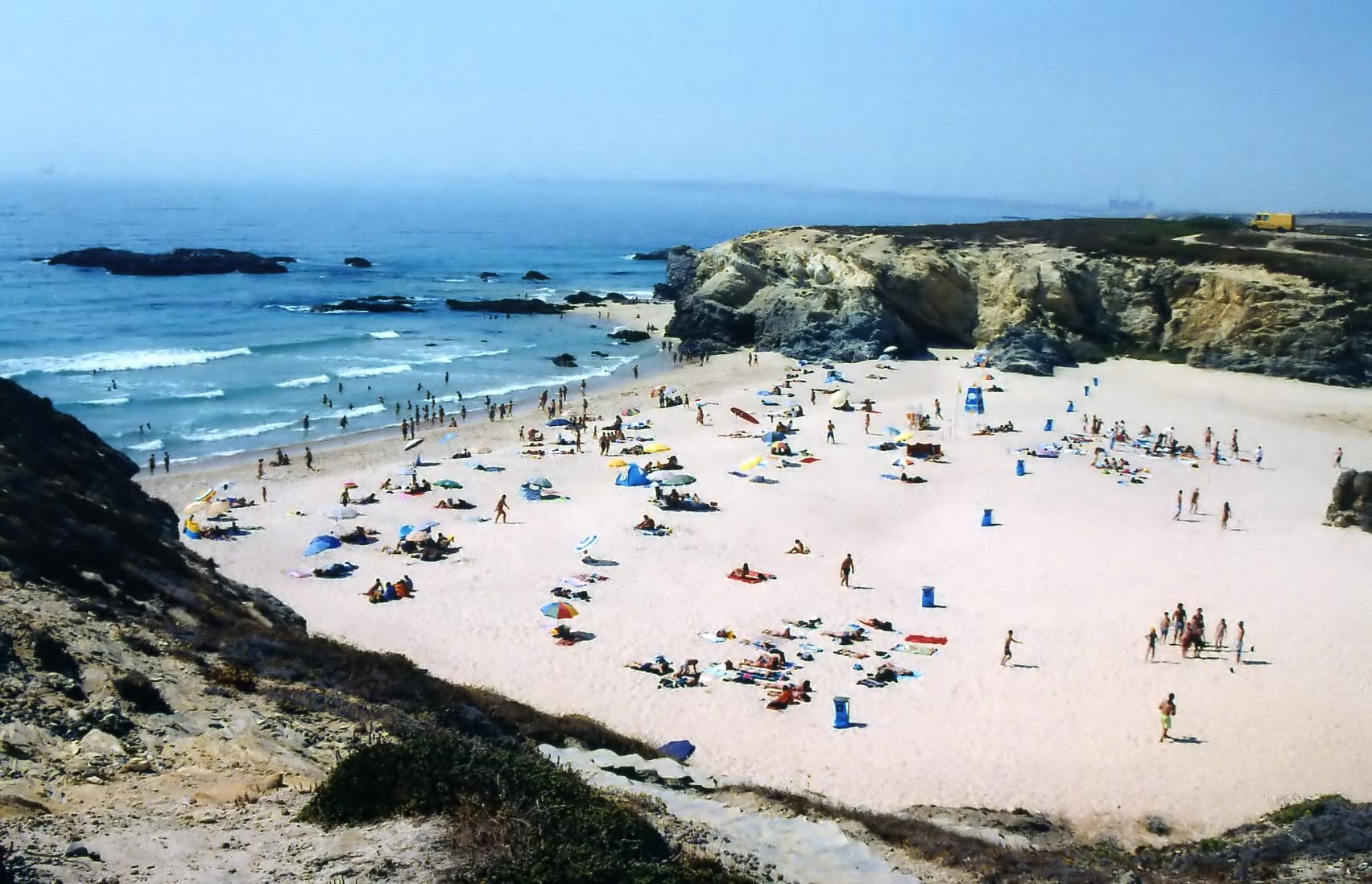
The Fishermen's Trail offers an extraordinary coastal hiking experience along Portugal's pristine Vicentine Coast, combining dramatic sea cliffs, hidden beaches, and traditional fishing villages. This 230-kilometer journey from São Torpes to Lagos traverses some of Europe's last untamed coastline, featuring minimal elevation gain but challenging sandy terrain and exposed coastal conditions. The trail showcases Portugal's maritime heritage while providing access to spectacular natural landscapes, making it ideal for hikers seeking cultural immersion alongside outstanding coastal scenery. Well-marked paths, diverse accommodation options, and excellent local cuisine create an unforgettable long-distance hiking adventure suitable for intermediate to advanced hikers willing to embrace the unique challenges of coastal trekking.
Quick facts
- Checkpoints
- 13
- Distance
- 230
- Avg Completion
- 11-14 days
- Best Season
- Anytime
Overview
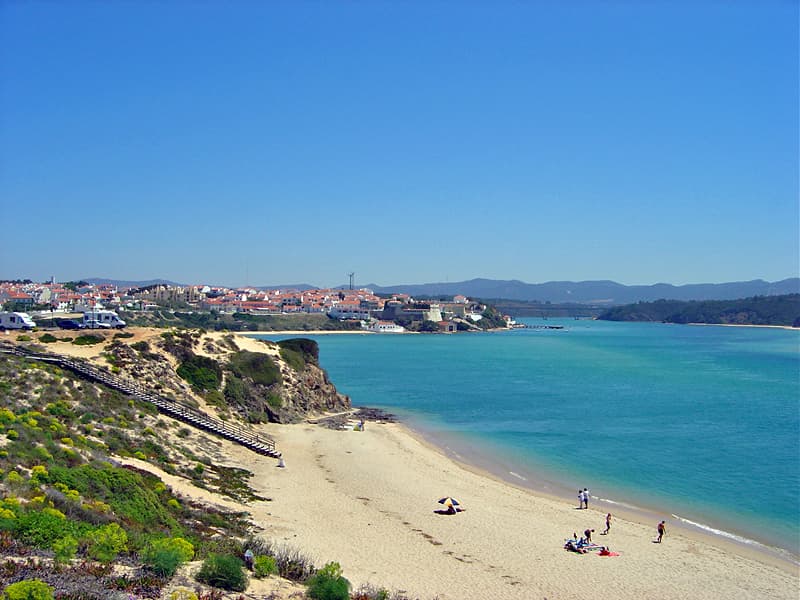
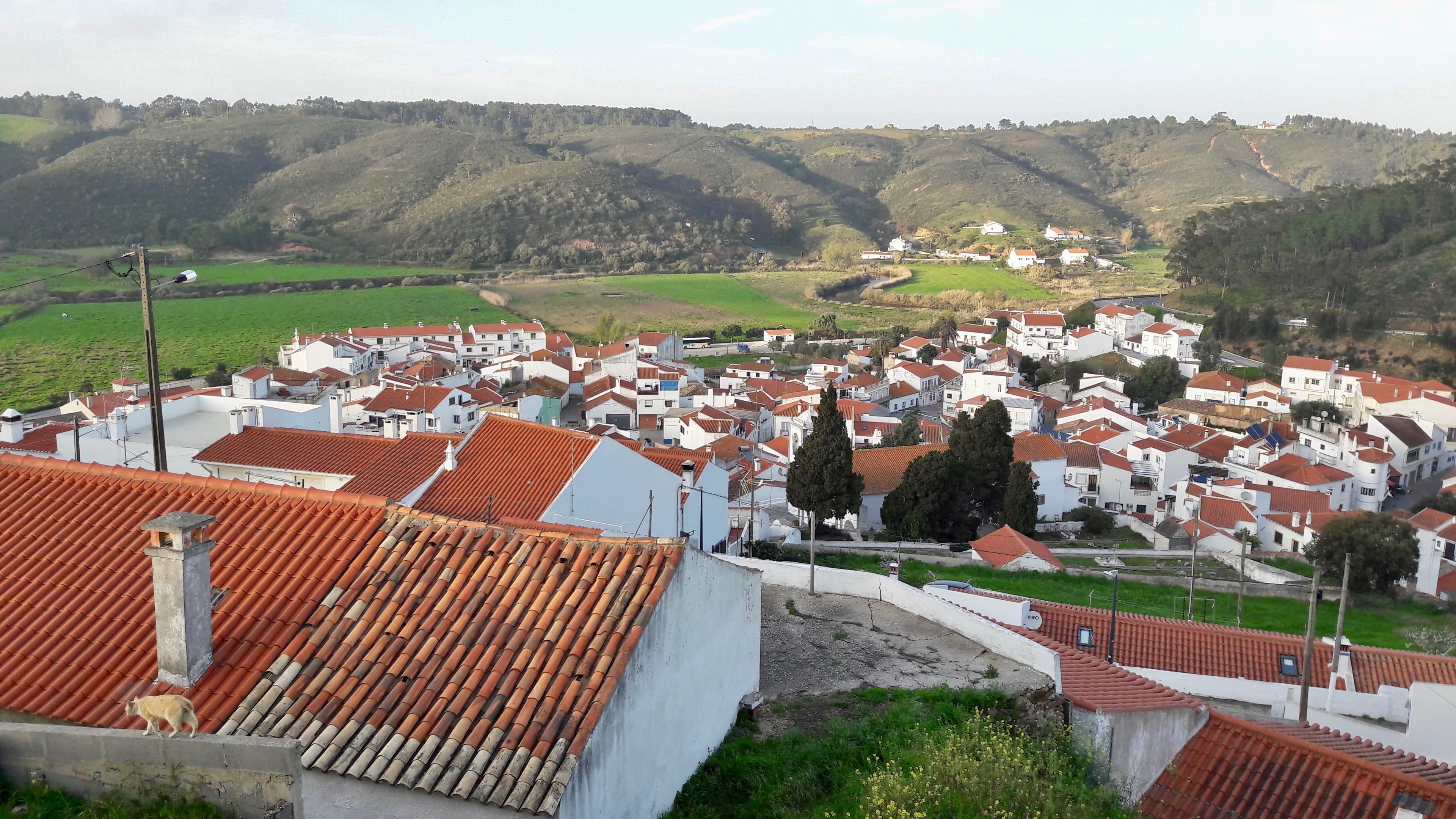
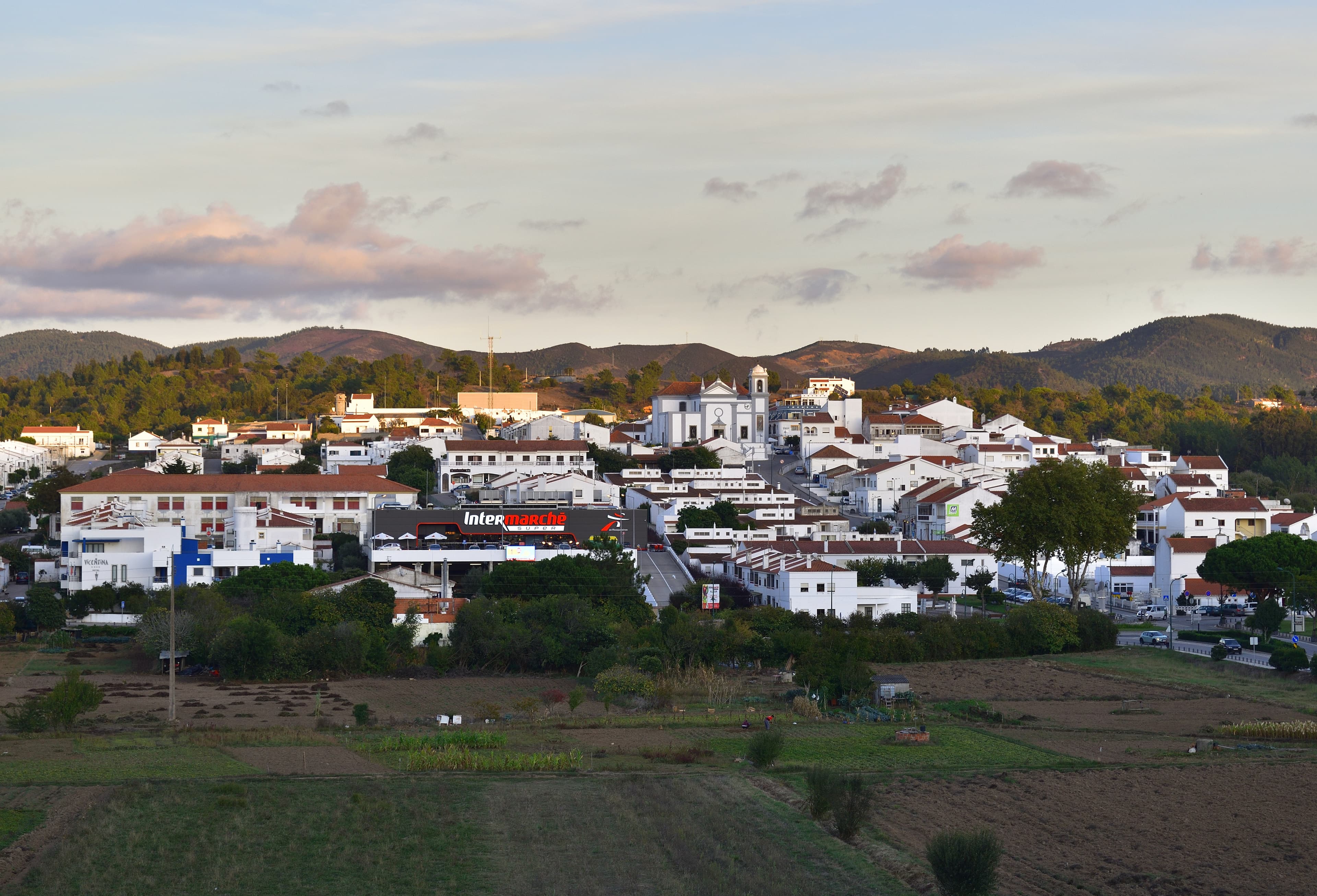
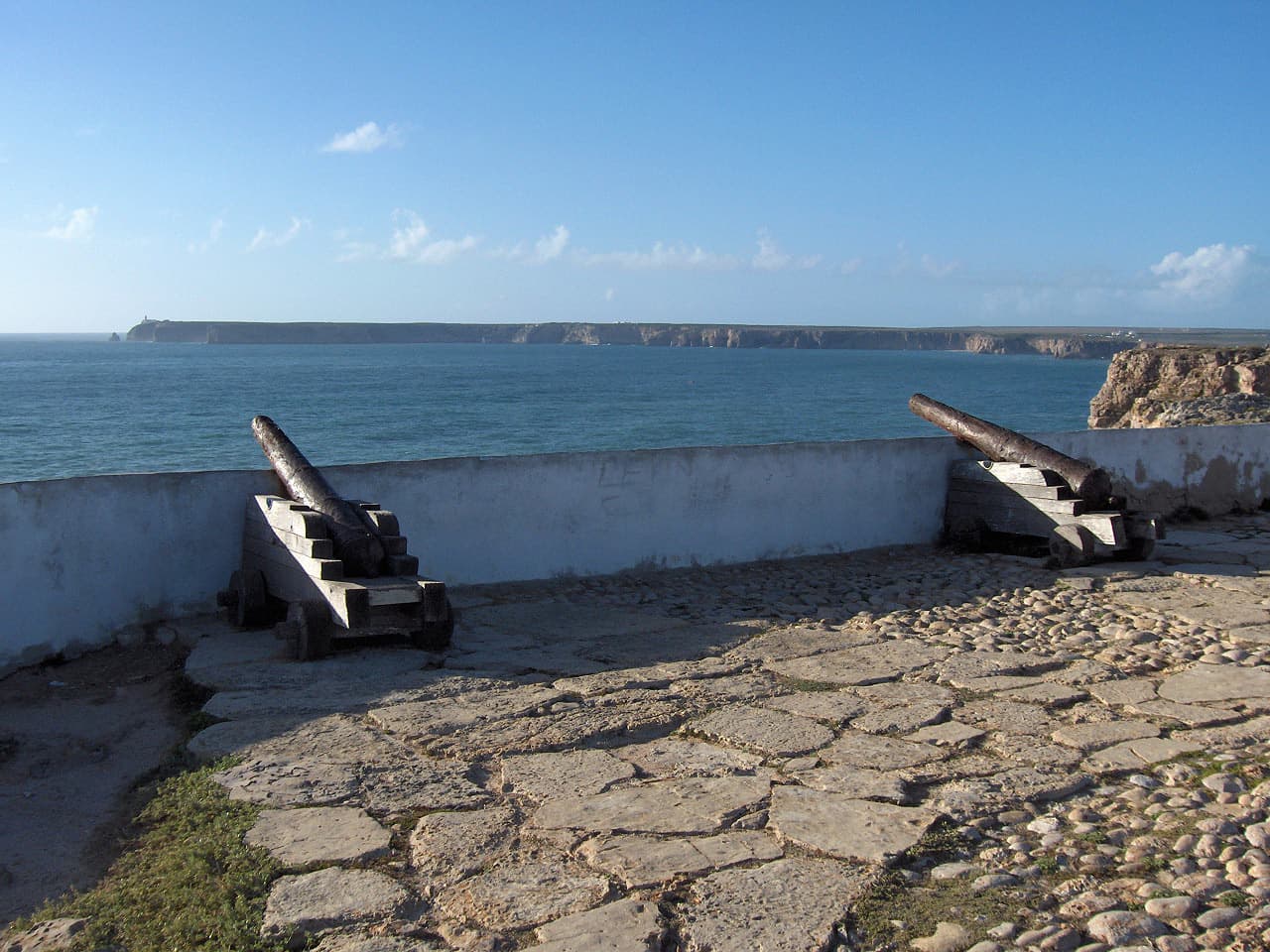
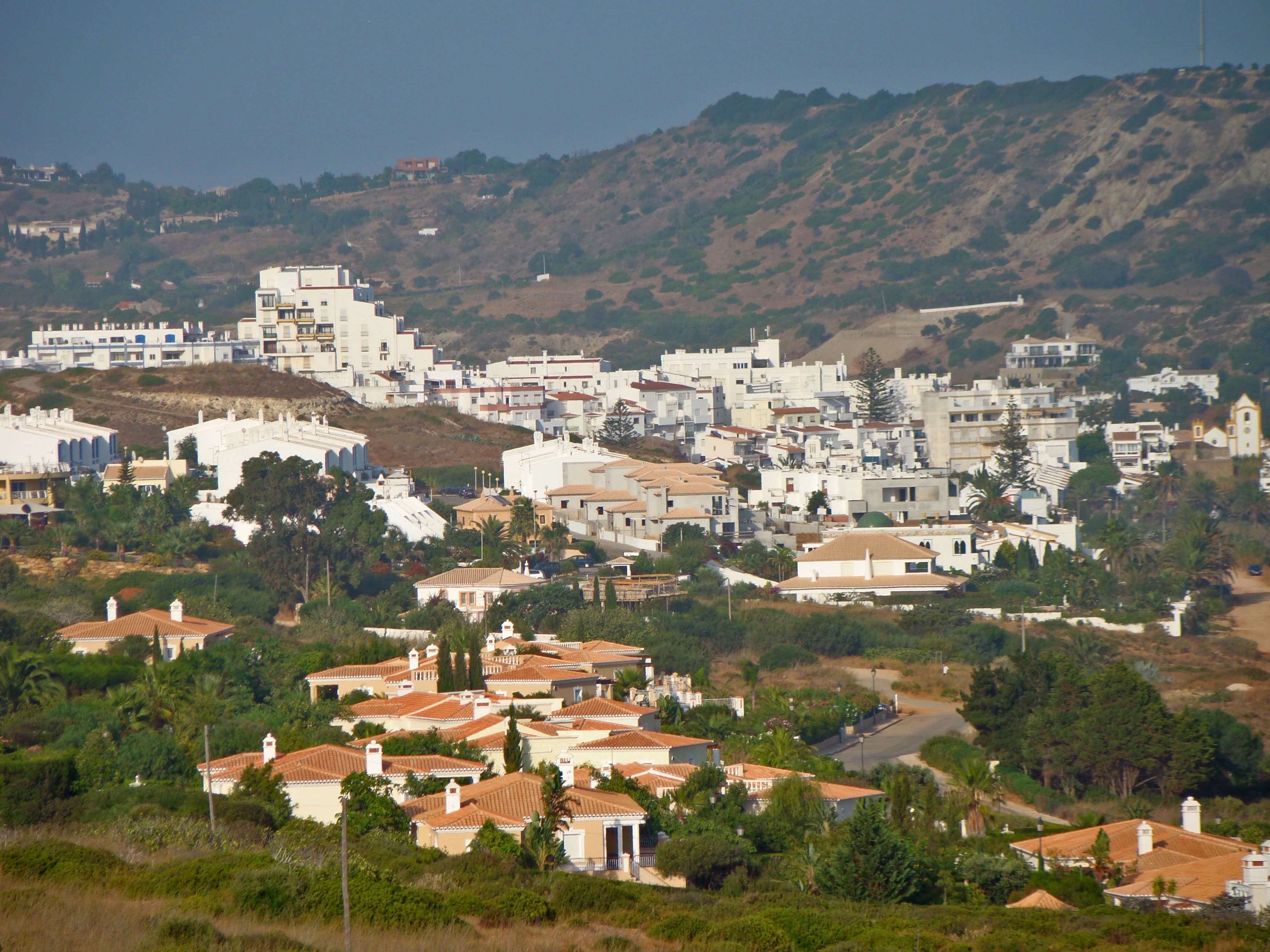
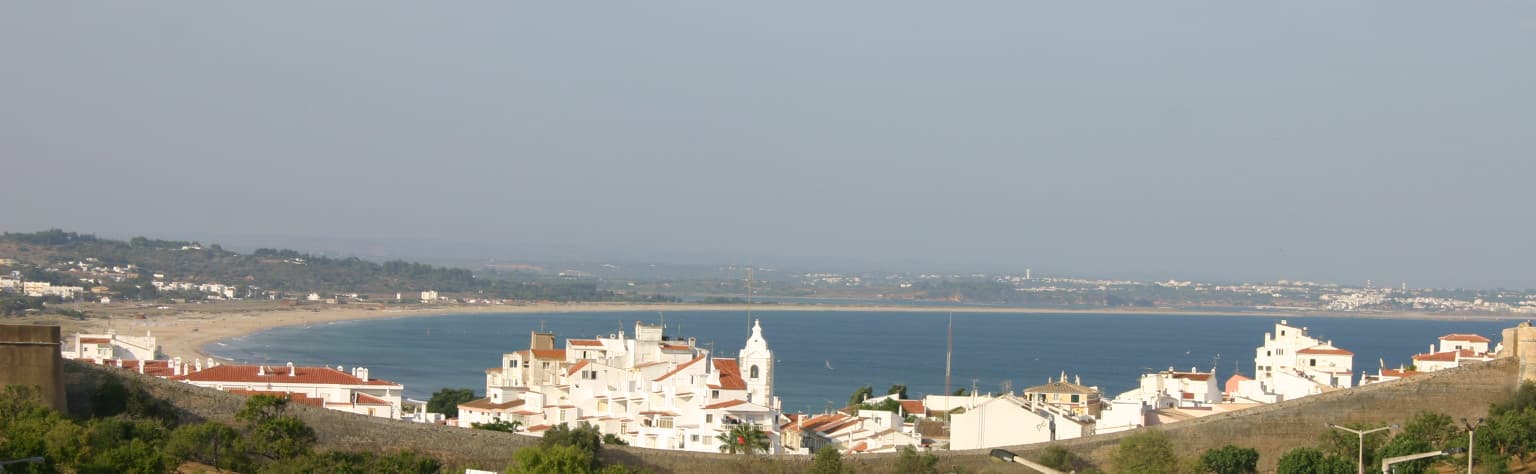
The Fishermen's Trail stands as Portugal's most spectacular coastal hiking adventure, stretching 230 kilometers along the pristine Vicentine Coast from São Torpes in Alentejo to Lagos in Algarve. This remarkable trail attracts thousands of hikers annually who come to experience dramatic sea cliffs, hidden beaches, and traditional fishing villages that define Portugal's southwestern maritime heritage. The complete trail consists of 13 stages typically completed over 11-13 days, covering 230 kilometers through the 74,000-hectare Vicentine Coast Natural Park. Individual stages range from manageable 12-kilometer coastal walks to challenging 25-kilometer adventures, with minimal elevation gains due to the trail's coastal nature. Most daily sections involve 200-400 meters of cumulative elevation change, primarily from ascending and descending coastal cliffs that reach up to 150 meters above sea level. The trail showcases Portugal's rich maritime culture, connecting hikers with centuries of Portuguese coastal tradition. Historic fishing villages maintain traditional practices that have continued for hundreds of years, with many communities still using small boats launched directly from beaches. Notable cultural stops include Porto Covo with its traditional architecture, Zambujeira do Mar perched on dramatic cliffs, and Sagres at Europe's southwestern tip.
History and Geology
The Fishermen's Trail follows ancient pathways carved by generations of Portuguese fishermen who used these routes to access remote beaches and monitor sea conditions. These traditional paths served as essential connections for coastal communities, with many trails remaining virtually unchanged for centuries. The trail's preservation represents successful collaboration between Portuguese authorities, environmental groups, and local communities working to protect this pristine coastline from overdevelopment while supporting sustainable tourism. The trail traverses one of Europe's most geologically diverse coastlines, showcasing millions of years of geological history through dramatic rock formations and ongoing coastal processes. Northern sections feature primarily schist and granite formations creating dark, angular cliffs and rocky platforms, while southern regions display spectacular sedimentary rock formations with distinctive red sandstone cliffs and limestone karst features characteristic of the Algarve region. The Vicentine Coast's unique geological composition creates the dramatic sea stacks, hidden caves, and natural arches that define this coastline's character. Ongoing coastal erosion processes continually reshape these formations, creating an ever-changing landscape where powerful Atlantic storms carve new features while revealing ancient geological layers that tell the story of Portugal's geological evolution over millions of years.
Safety
Essential gear for the Fishermen's Trail requires comprehensive coastal layering systems capable of handling everything from summer heat and Atlantic winds to winter storms with strong gusts and salt spray. Waterproof jackets and pants become essential during frequent coastal weather changes, while wind-resistant layers allow adaptation to constant sea breezes and exposed clifftop conditions throughout the multi-day trail completion. Navigation equipment should include detailed topographic maps for each stage, compass, and GPS devices with offline mapping capability for remote coastal sections with limited cellular coverage. The Fishermen's Trail is well-marked with distinctive wooden posts featuring blue and green markings, though coastal erosion and storm damage occasionally require temporary route modifications that make backup navigation essential. Coastal hiking presents unique safety challenges combining standard hiking risks with specific maritime hazards. Weather exposure increases significantly on exposed clifftops, where Atlantic storms can create dangerous conditions with high winds, lightning, and sudden temperature changes. Coastal erosion and unstable cliff edges require constant vigilance, particularly during wet conditions when surfaces become slippery. Maintaining safe distances from cliff edges and avoiding shortcuts through unstable areas prevents serious accidents in these dynamic coastal environments.
Nutrition and Other
Accommodation options along the Fishermen's Trail offer diverse choices allowing hikers to select from camping, guesthouses, hotels, or vacation rentals based on personal preferences and budget considerations. Coastal campgrounds throughout both regions provide affordable base camps for multi-day adventures, with facilities offering convenient access to trail stages and essential services. Private accommodations include coastal pousadas, quintas, and bed-and-breakfasts that provide comfort after challenging hiking days. Food and water planning requires careful consideration of stage distances and limited resupply opportunities in remote coastal areas. Daily stages typically require standard trail nutrition, including energy bars, trail mix, sandwiches, and adequate water for 6-10 hour hiking days. Regular resupply opportunities occur in larger towns like Porto Covo, Vila Nova de Milfontes, Zambujeira do Mar, and Sagres, where local markets, restaurants, and cafes provide convenient services and authentic Portuguese culinary experiences. Water sources are limited along most coastal sections, requiring hikers to carry sufficient water for each stage or rely on village resupply points. The Fishermen's Trail requires no special permits for hiking, though some accommodation areas and parking locations may charge modest fees ranging from €2-5 daily at popular trailheads and beach access points.
Featured checkpoints
S. Torpes - Porto Covo
Rua De São Torpes, 2820-330 Charneca de Caparica, Setúbal, Portugal
Porto Covo - Vila Nova de Milfontes
Porto Covo, Setúbal, Portugal
Vila Nova de Milfontes - Almograve
Vila Nova de Milfontes, Beja, Portugal
Almograve - Zambujeira do Mar
Caminho Pedestre Almograve - Vila Nova De Milfontes, 7630-017 Longueira/Almograve, Beja, Portugal
Zambujeira do Mar - Odeceixe
Zambujeira do Mar, Beja, Portugal
Odeceixe - Aljezur
Odeceixe, Faro, Portugal
All stops on this route
- 1. S. Torpes - Porto Covo
- 2. Porto Covo - Vila Nova de Milfontes
- 3. Vila Nova de Milfontes - Almograve
- 4. Almograve - Zambujeira do Mar
- 5. Zambujeira do Mar - Odeceixe
- 6. Odeceixe - Aljezur
- 7. Aljezur - Arrifana
- 8. Arrifana -Carrapateira
- 9. Carrapateira - Vila do Bispo
- 10. Vila do Bispo - Sagres
- 11. Sagres - Salema
- 12. Salema - Luz
- 13. Luz - Lagos
Fishermen's Trail: common questions
How long is Fishermen's Trail?
Fishermen's Trail covers 230 in total.
How long does Fishermen's Trail take to complete?
Most people complete Fishermen's Trail in about 11-14 days.
When is the best time to do Fishermen's Trail?
The best season for Fishermen's Trail is Anytime.
How many checkpoints does Fishermen's Trail have?
Fishermen's Trail has 13 checkpoints to log on the way to finishing it.