
Europe National Parks Passport
Europe
.jpg&w=3840&q=75&dpl=dpl_BopNME9LWLsJnQ9XffUX3zkS7Twj)
.jpg&w=3840&q=75&dpl=dpl_BopNME9LWLsJnQ9XffUX3zkS7Twj)
.jpg&w=3840&q=75&dpl=dpl_BopNME9LWLsJnQ9XffUX3zkS7Twj)
.jpg&w=3840&q=75&dpl=dpl_BopNME9LWLsJnQ9XffUX3zkS7Twj)
.jpg&w=3840&q=75&dpl=dpl_BopNME9LWLsJnQ9XffUX3zkS7Twj)
About this quest
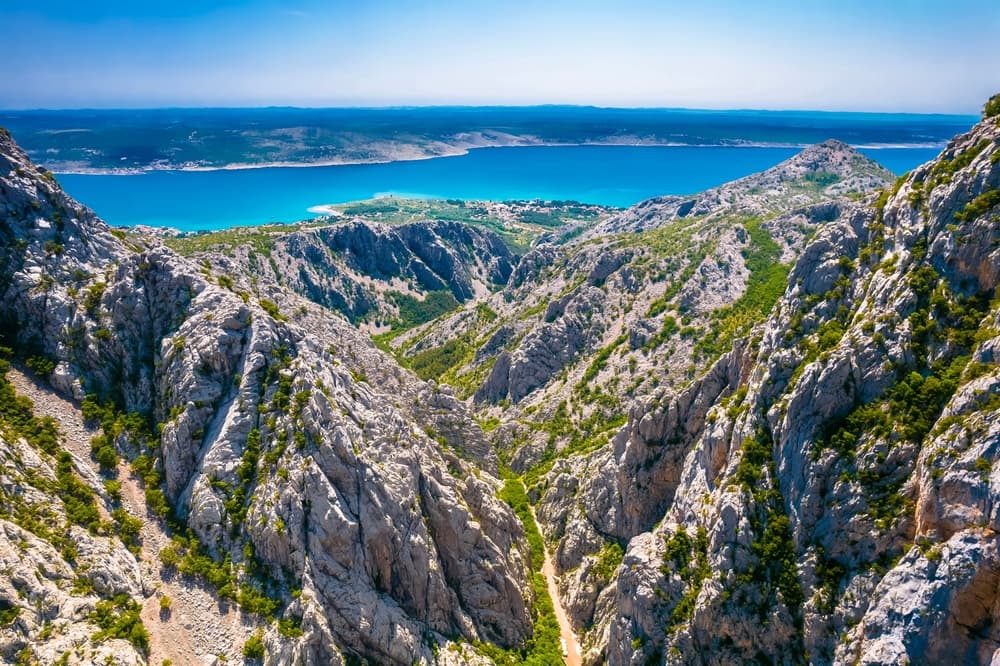
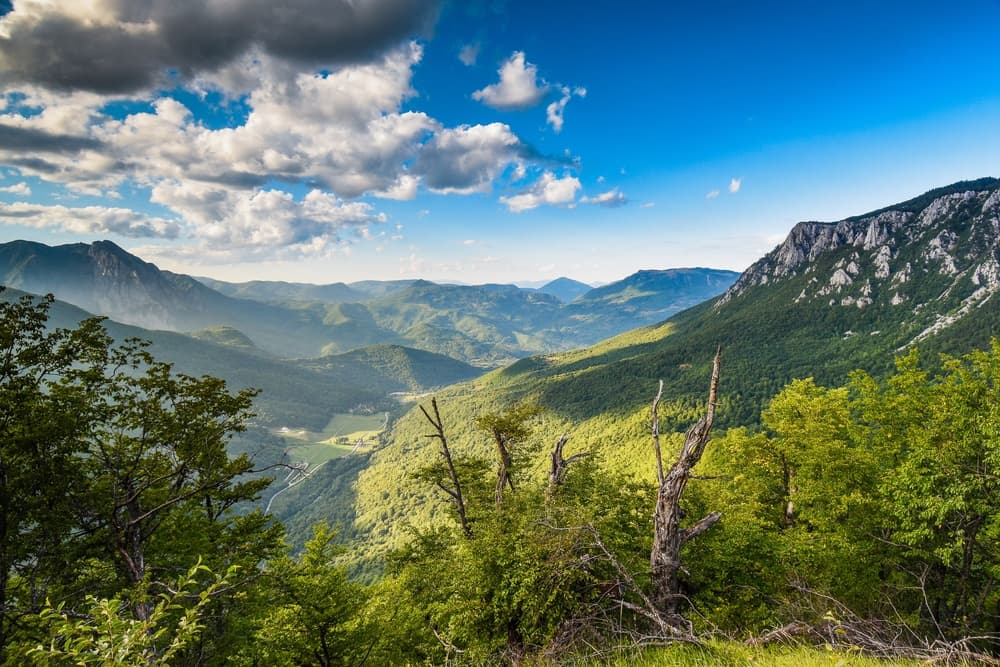
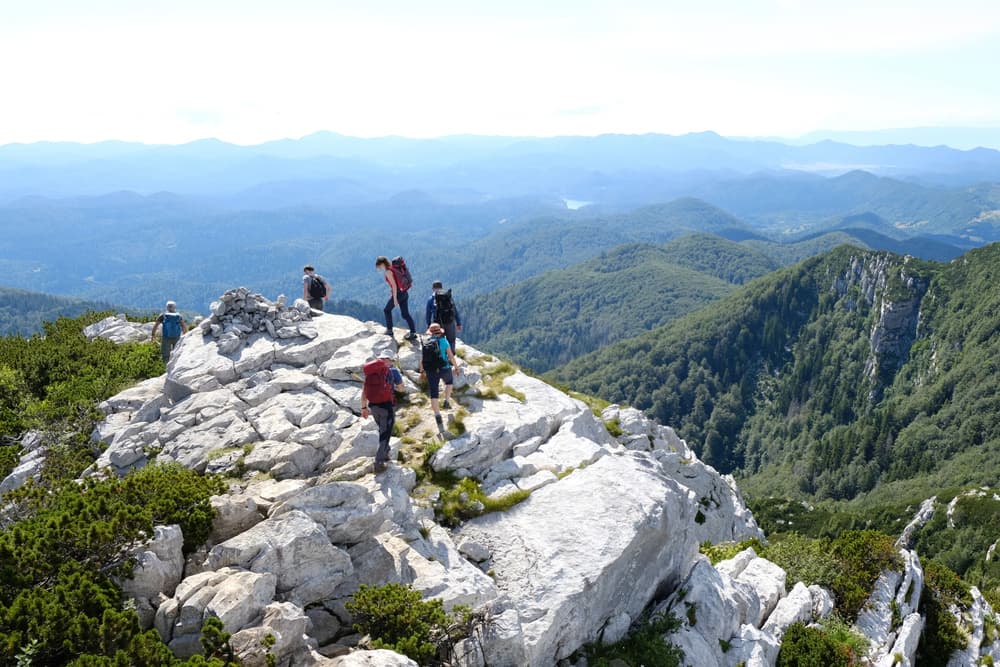
The European NP Passport is a flexible hiking challenge that invites adventurers to explore Europe's diverse national parks at their own pace. Unlike traditional long-distance trails, this challenge allows hikers to create personalized journeys visiting iconic protected areas across the continent, from the dramatic fjords of Norway to the volcanic landscapes of Italy. Participants collect stamps or photos as proof of completion, building their own unique "passport" of European wilderness experiences.
Quick facts
- parks
- 21located
- shape
- passport
- total distance
- 15000 km
- best season
- Anytime
- avg completion
- 1-5 years
Loading your progress…
Map and places
Choose a place. Visit in any order.
Journey overview
8 of 21 places. Open the full itinerary to explore any place.
- PlaceCroatia
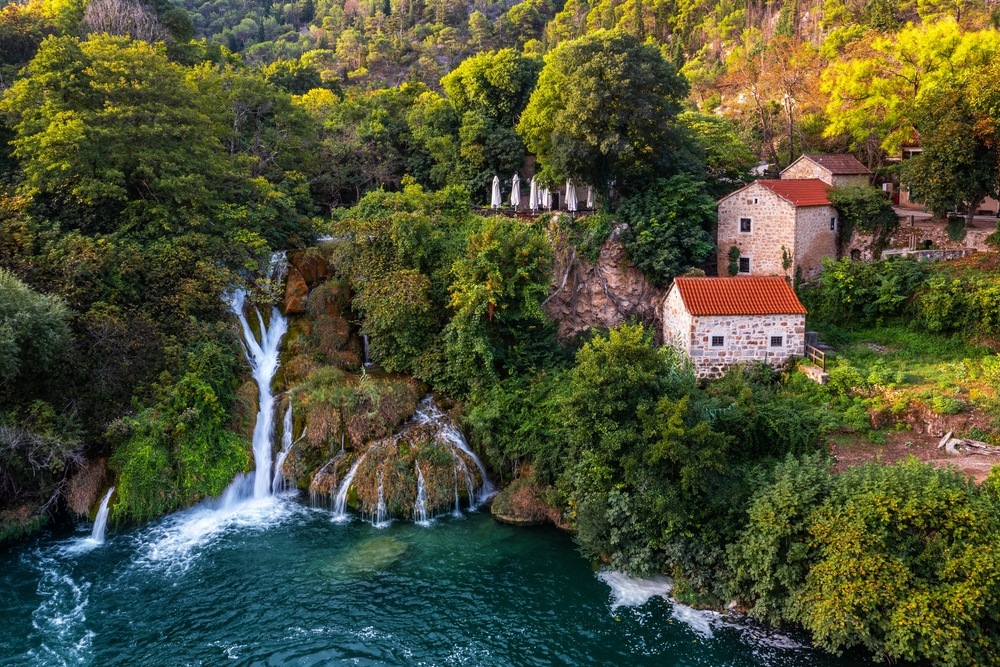
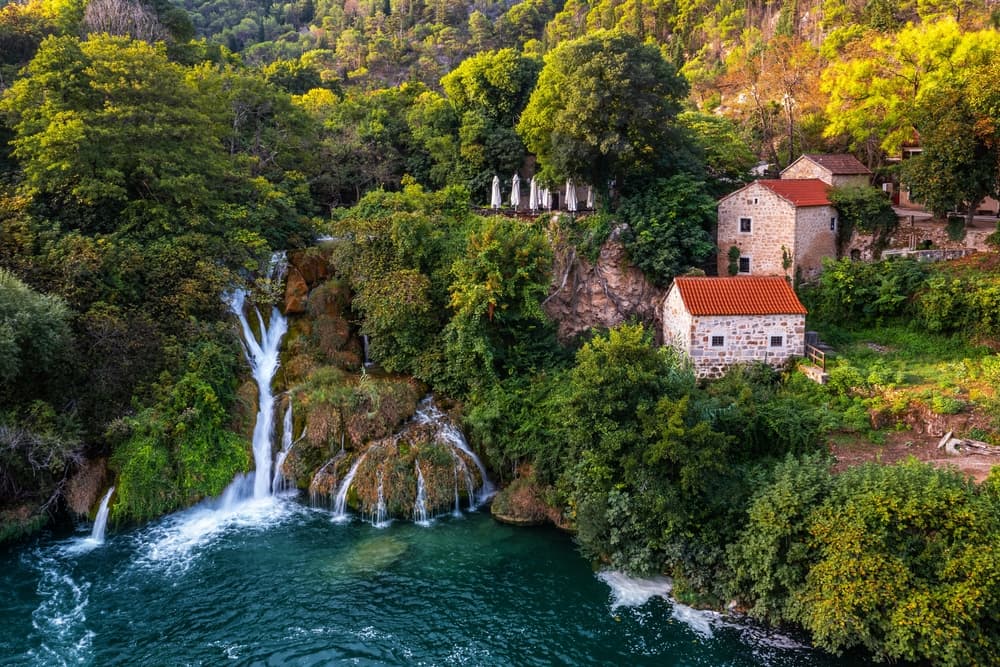
Krka National Park is famous for its stunning waterfalls, turquoise pools, and lush vegetation along the Krka River. The park offers easy walks, boat tours, and cultural sites, including old mills and monasteries. It’s a paradise for photographers and families wanting a gentle…
- PlaceLake District National Park, Cumbria, England, United Kingdom
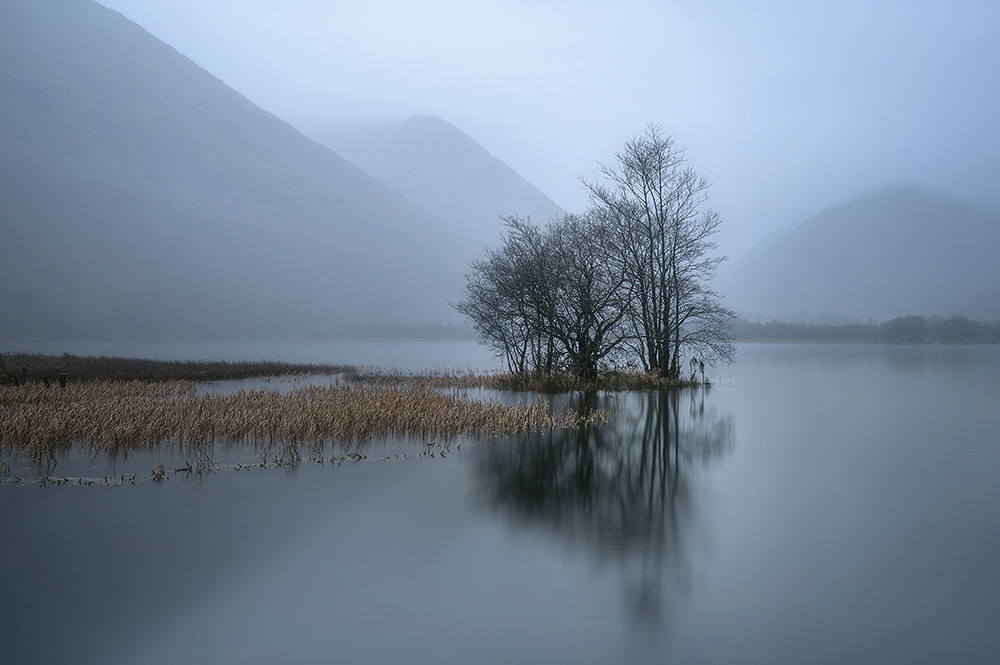
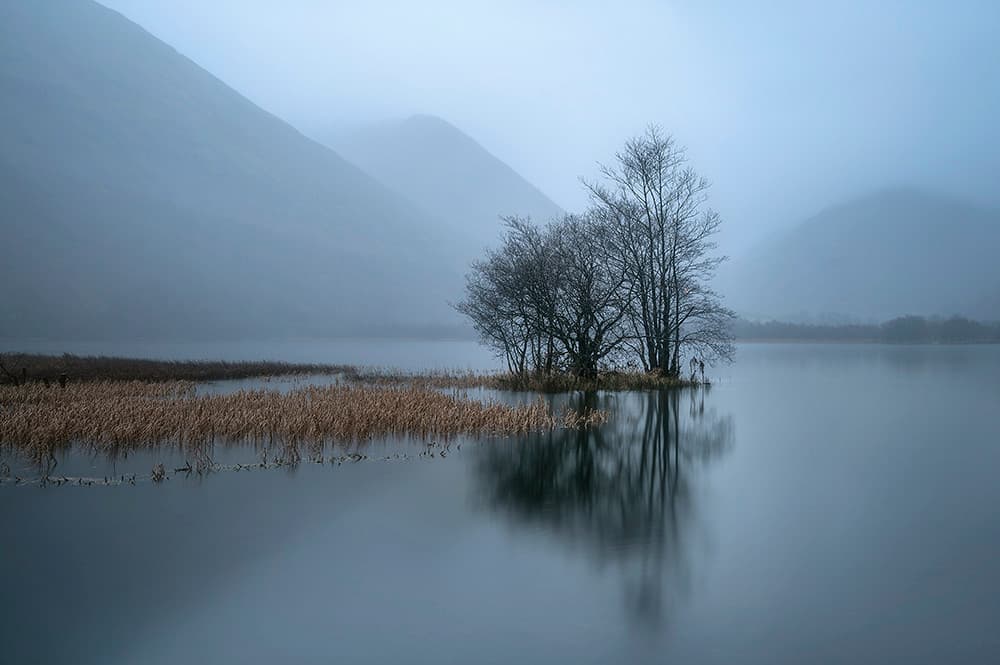
England’s Lake District National Park covers 2,362 km² of lakes, fells, and traditional villages. Designated a UNESCO World Heritage Site, it's a beloved destination for walkers, poets, and nature lovers. Visitors come to climb Scafell Pike, cruise scenic lakes, and explore the…
- PlaceKlapparstígur 25, 101 Reykjavík, Iceland
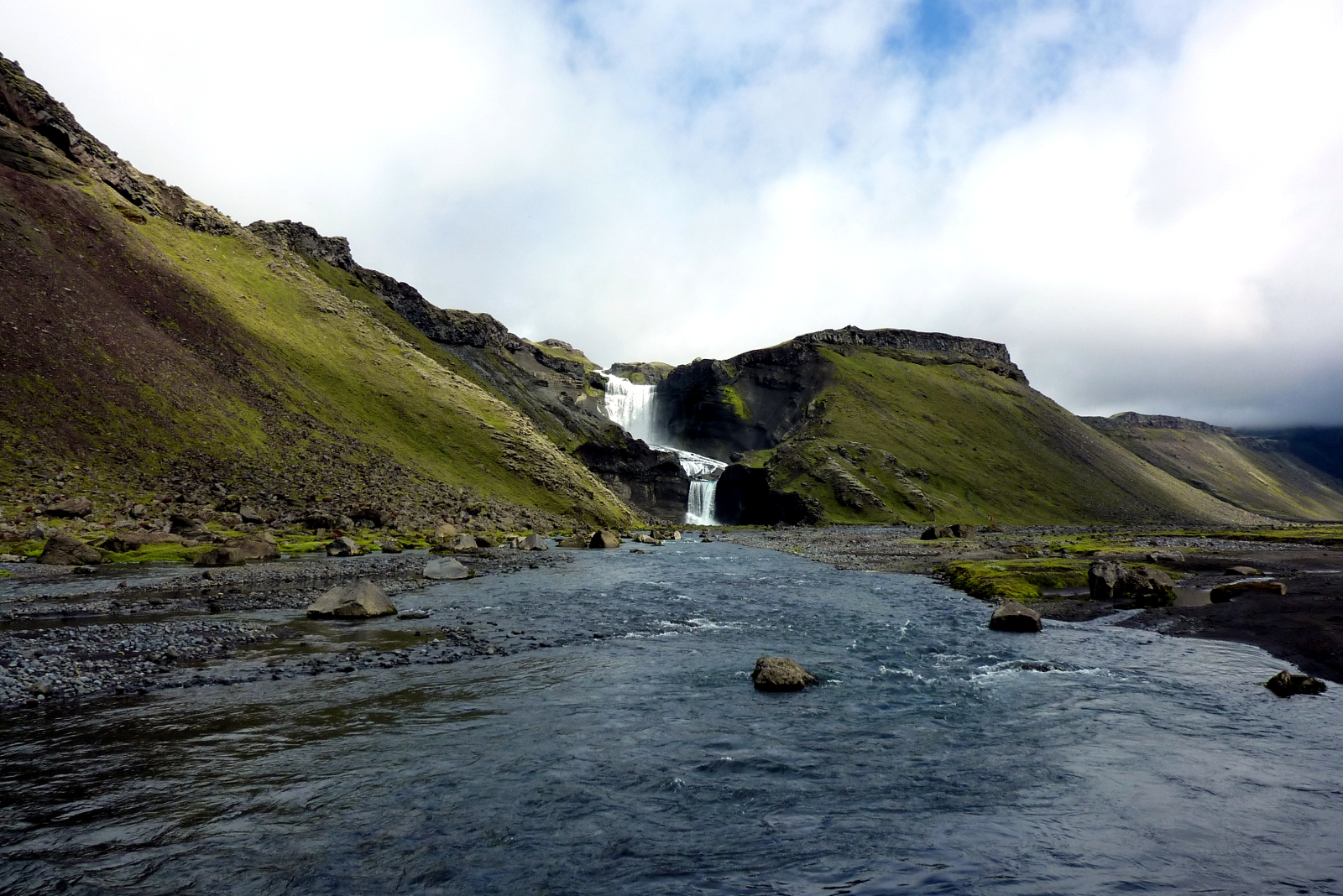
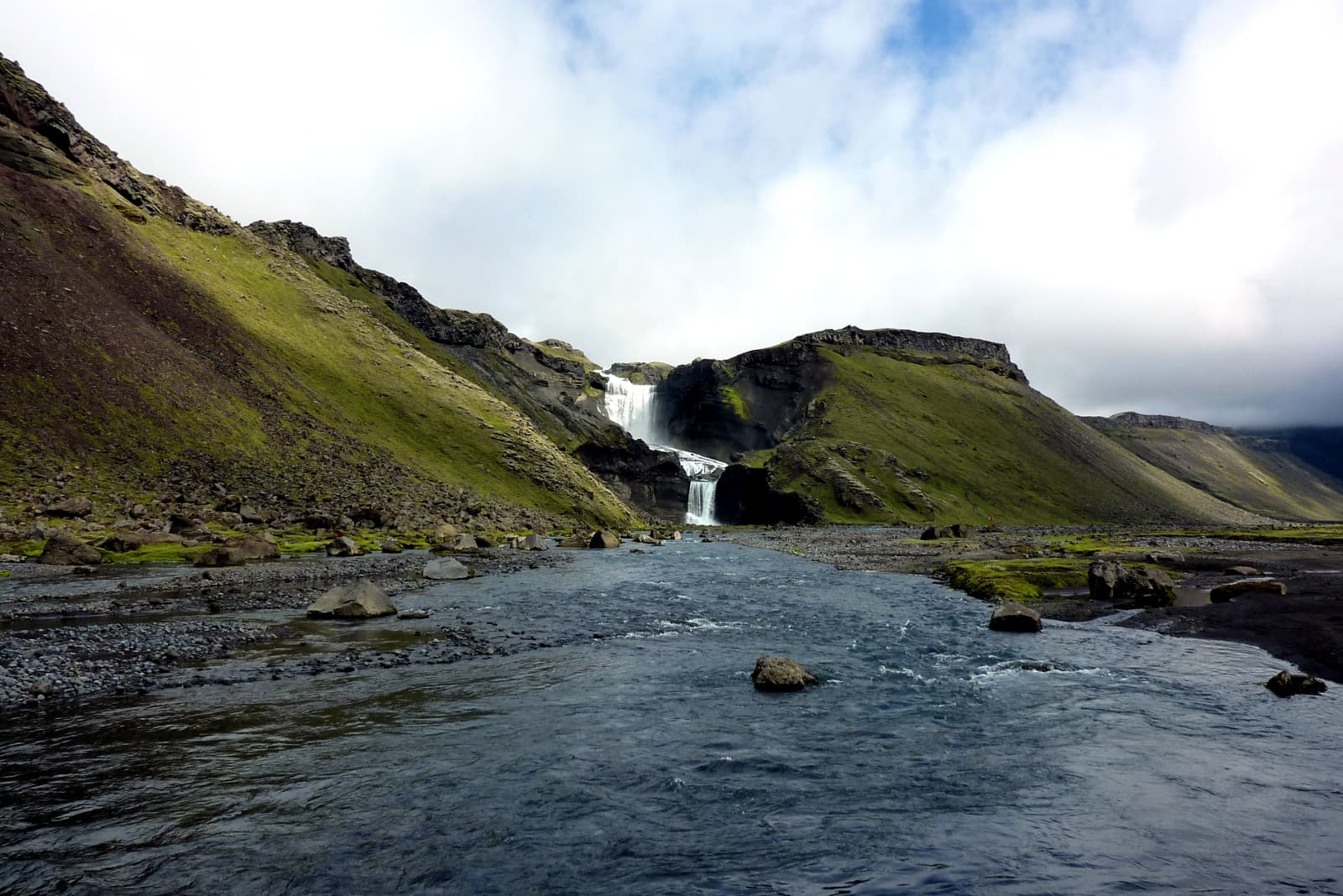
Vatnajökull National Park spans an immense 14,141 km², making it Europe’s largest national park. It encompasses glaciers, volcanoes, lava fields, and waterfalls—including the powerful Dettifoss. This ever-changing landscape offers otherworldly beauty and a glimpse into Iceland’s…
- PlaceDresden, Saxony, Germany
.jpg)
Saxon Switzerland National Park covers 93.5 km² of sandstone cliffs, gorges, and dense forests along the Elbe River. Famous for its rock formations and the Bastei Bridge, the park offers scenic hikes, climbing routes, and panoramic views in one of Germany’s most photogenic…
- PlacePlitvice, 53220 Vrhovine, Croatia
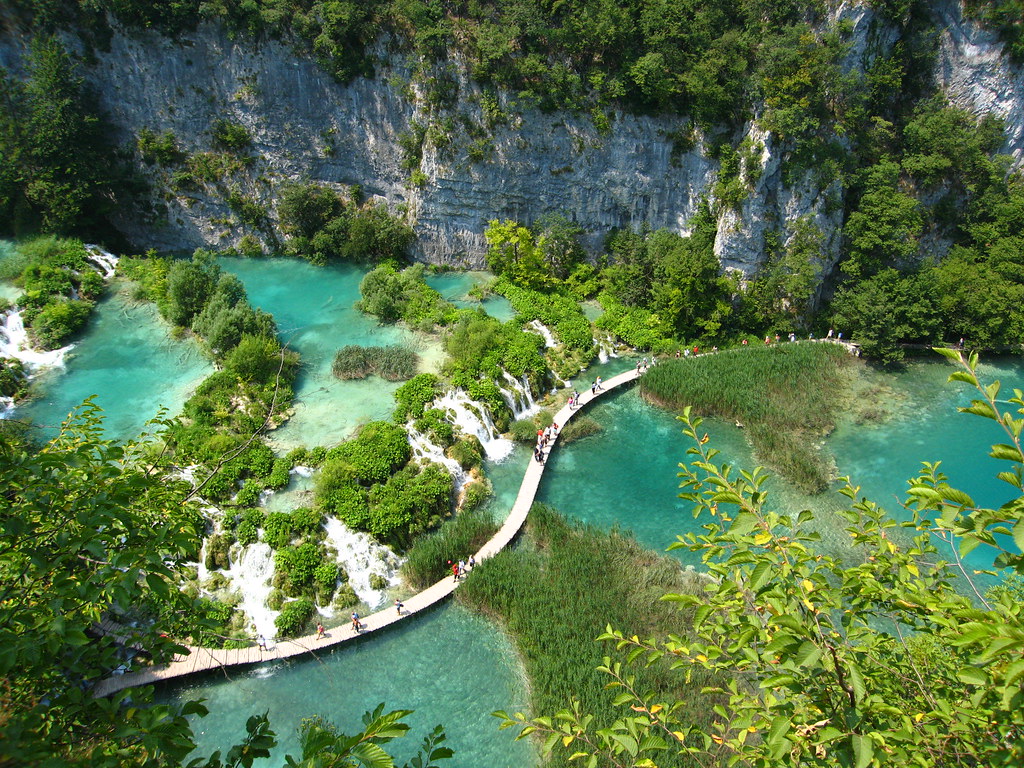
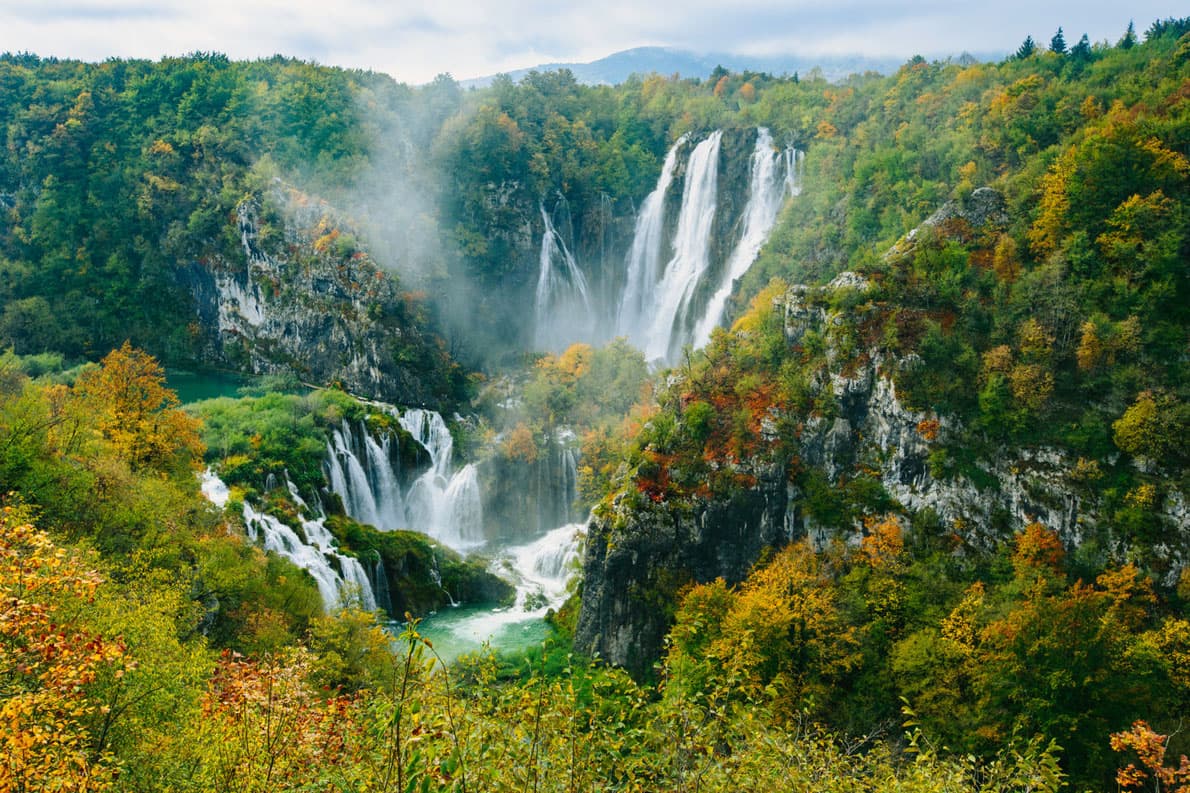
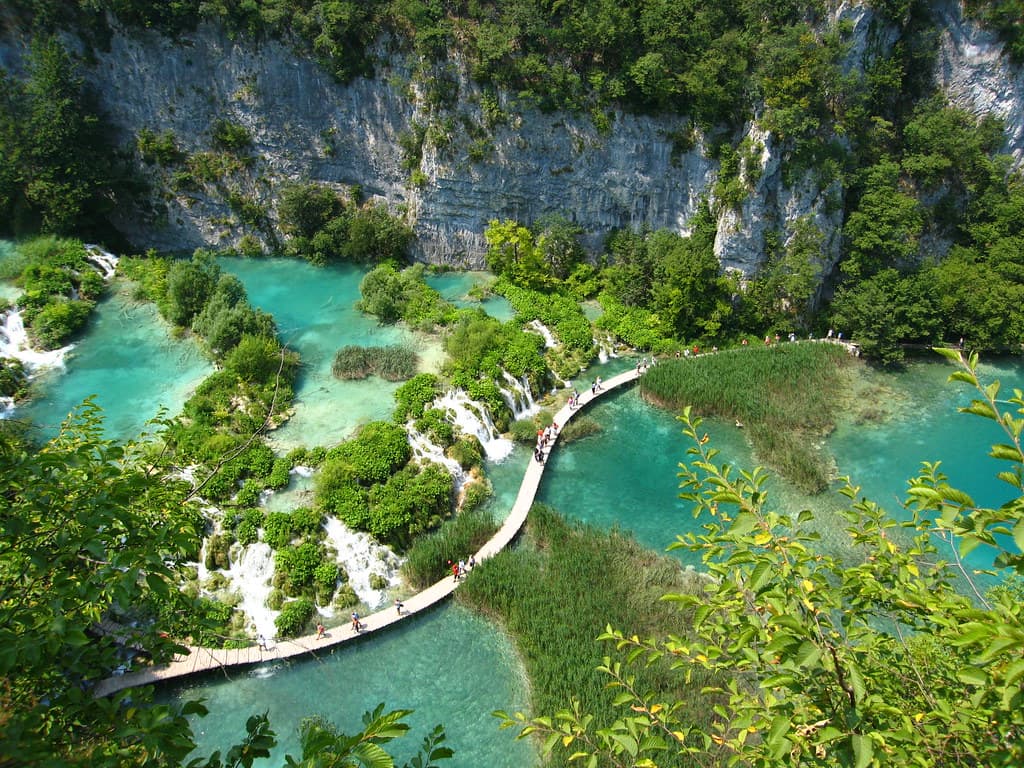
A UNESCO World Heritage Site, Plitvice Lakes National Park spans 296.8 km². It's famed for cascading lakes, turquoise waters, and lush forests. Wooden boardwalks weave through travertine terraces and waterfalls, offering an immersive nature experience year-round in one of…
- PlaceBosnia and Herzegovina
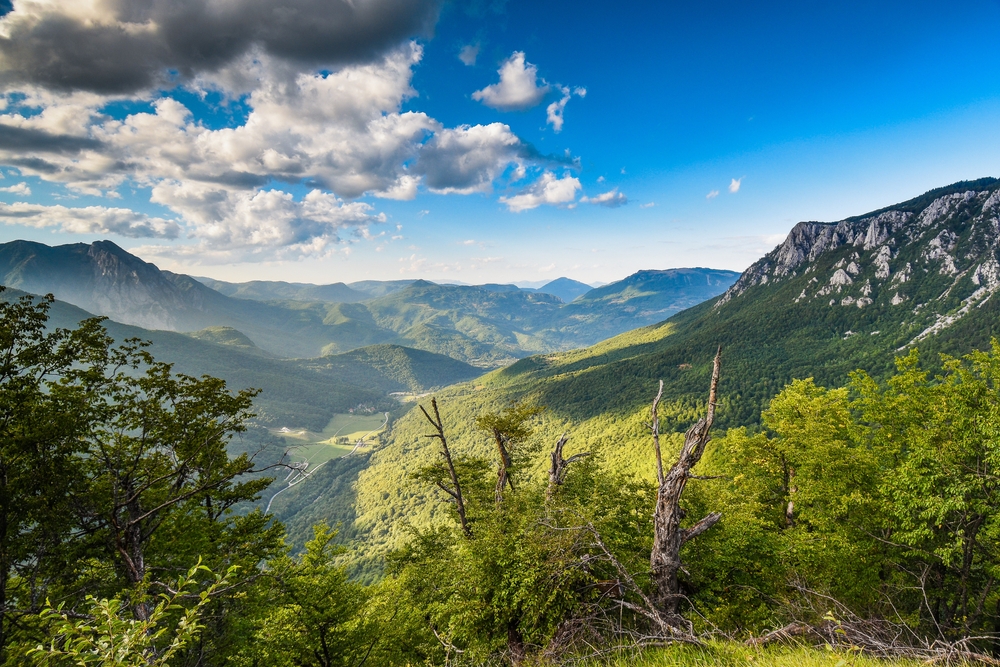
Established in 1962, Sutjeska National Park is the oldest in Bosnia and Herzegovina and home to the country’s highest peak (Maglić), the primeval forest Perućica, and deep canyons. It's a paradise for hikers, offering high mountain terrain, dramatic views, historical landmarks,…
- PlaceMontenegro
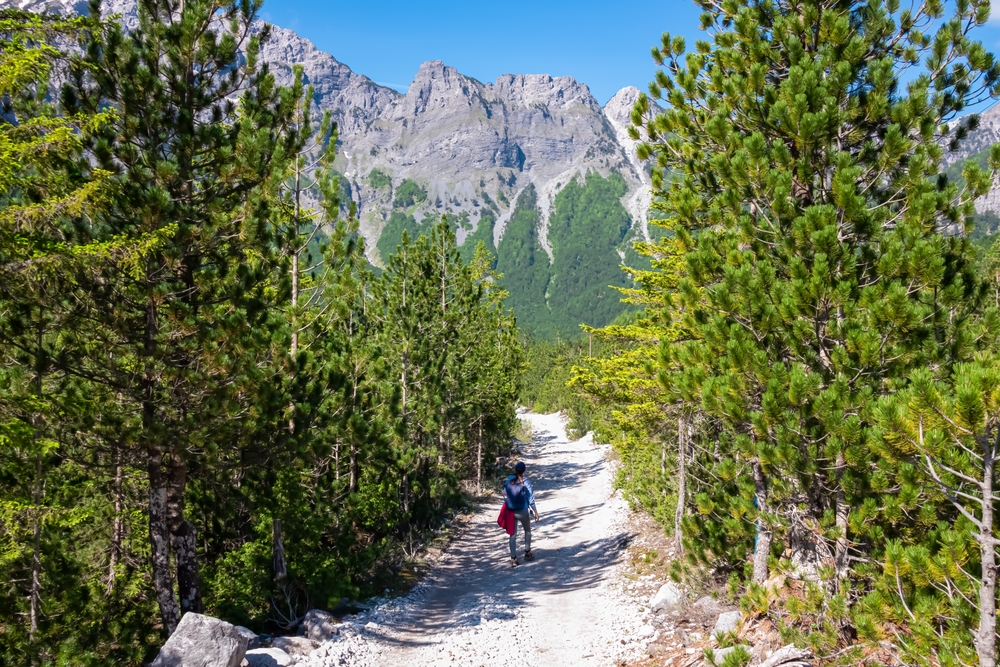
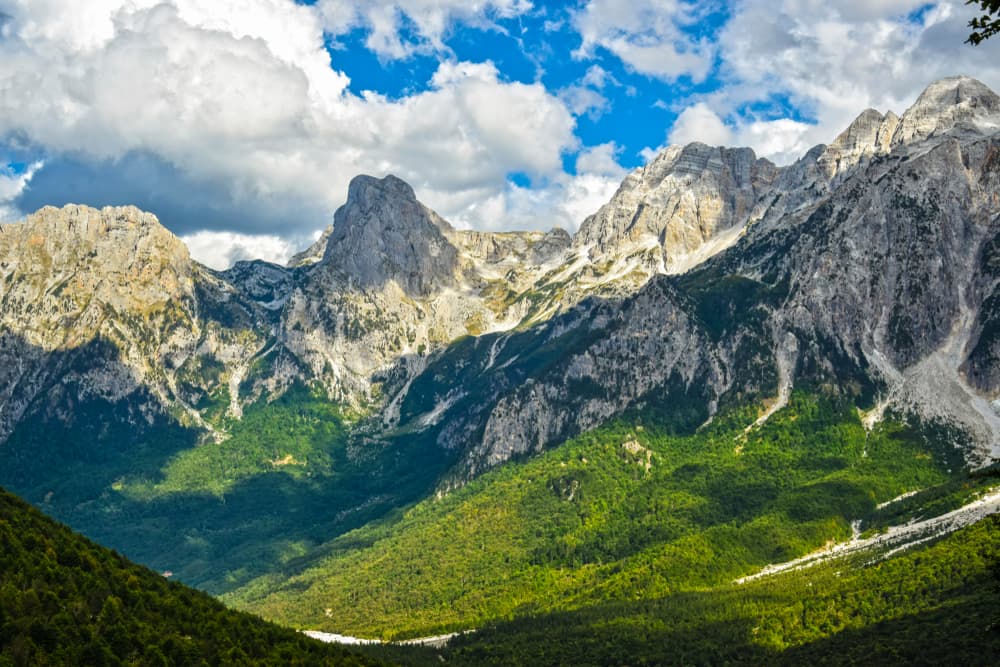
Prokletije National Park, straddling the border between Montenegro and Albania, is a rugged, wild landscape featuring dramatic peaks, deep valleys, and pristine rivers. Known for its alpine meadows, dense forests, and remote beauty, it offers some of the most breathtaking hiking…
- PlaceAlbania
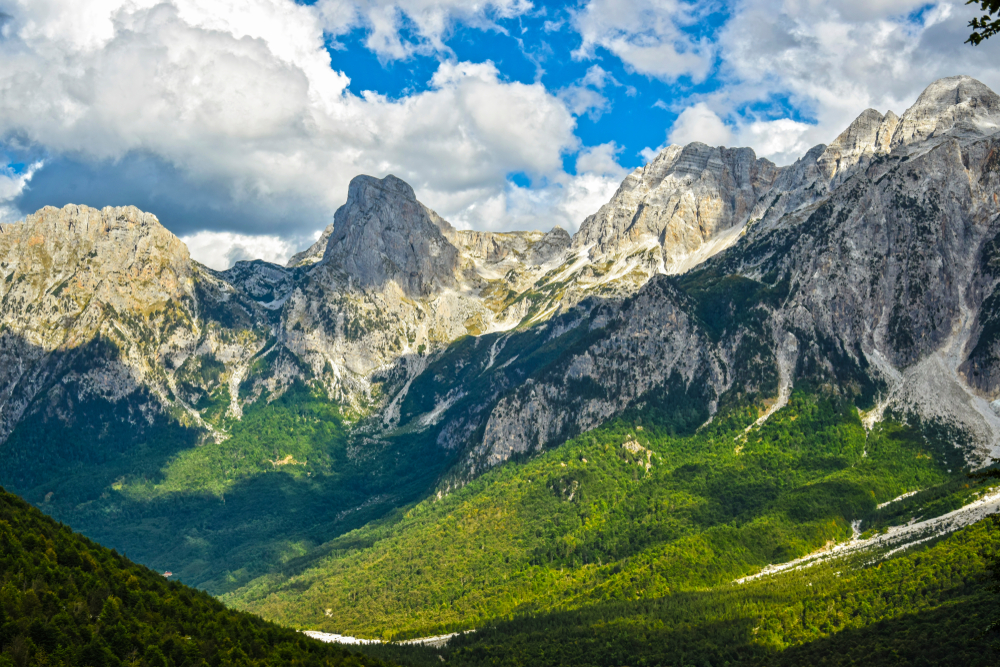
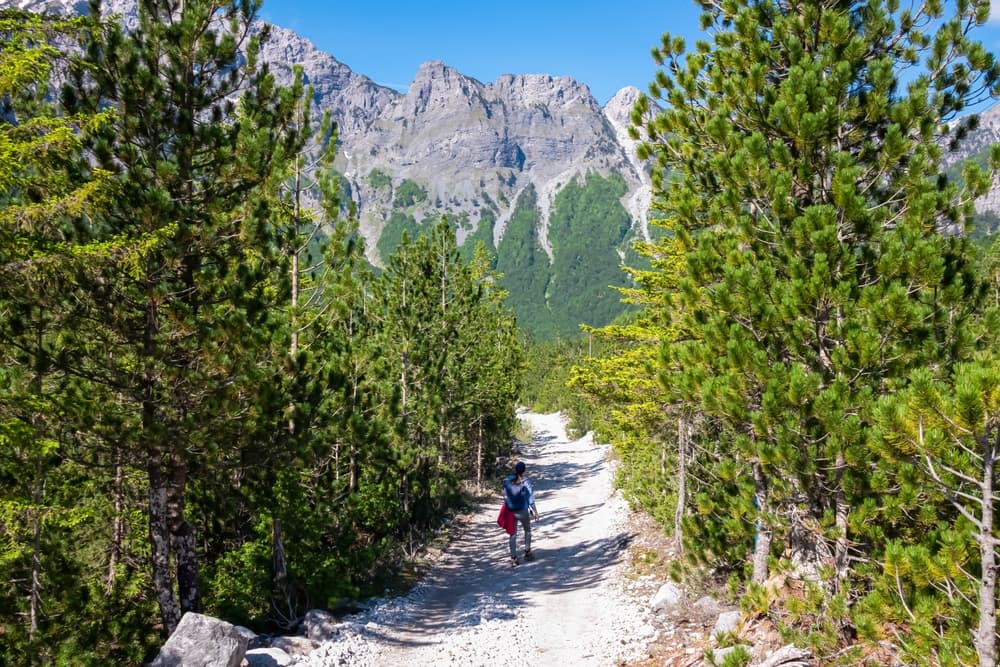
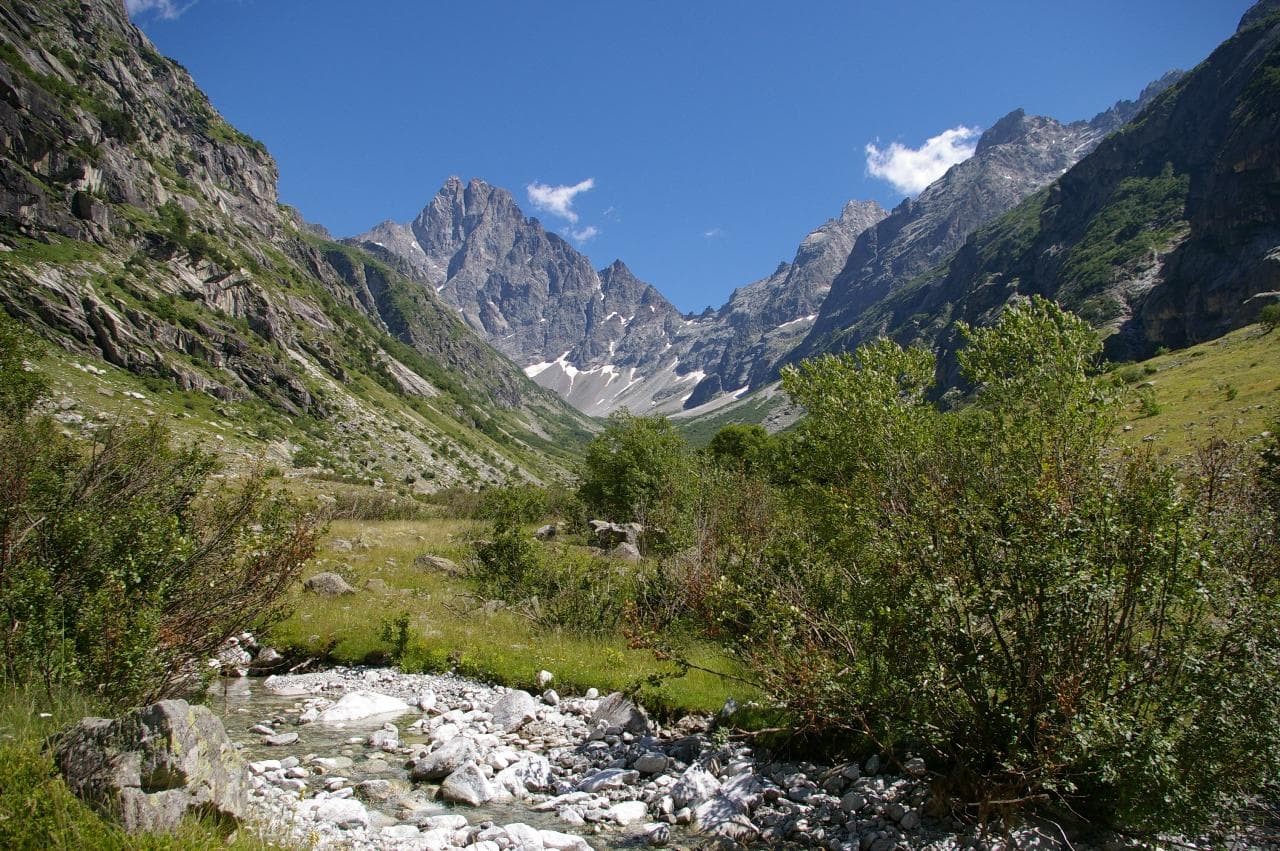
Valbona Valley is a stunning glacial valley located in northern Albania, surrounded by towering peaks and lush green meadows. It’s a top hiking destination, offering picturesque landscapes and rich biodiversity.
You can explore the itinerary while it loads.
Pins show individual places; there is no route between them. Select a pin to read its place in the itinerary.
Overview
The European NP Passport represents an ambitious hiking challenge connecting the continent's most spectacular protected wilderness areas. Europe boasts hundreds of stunning national parks, ranging from Arctic tundra in Norway's Jotunheimen to volcanic landscapes in Spain's Teide National Park. This challenge involves visiting major national parks across multiple countries, covering thousands of kilometers of diverse terrain and ecosystems. The passport route spans iconic destinations including Croatia's Plitvice Lakes, Germany's Saxon Switzerland, Italy's Belluno Dolomites, and Turkey's Goreme National Park. Each park offers unique cultural experiences, from Alpine hut traditions in Switzerland to shepherd cultures in Romania's Carpathians. The complete challenge typically takes several months depending on pace and season, with individual park visits ranging from day hikes to week-long adventures. The extensive trail network covers more than 65,000 kilometres, crisscrossing the continent through established European long-distance paths. The challenge accommodates various skill levels, with routes suitable for beginners in gentle landscapes like England's Lake District, progressing to advanced alpine terrain in the Dolomites and Pyrenees. Participants can customize their journey based on personal interests, available time, and hiking experience.
History and Geology
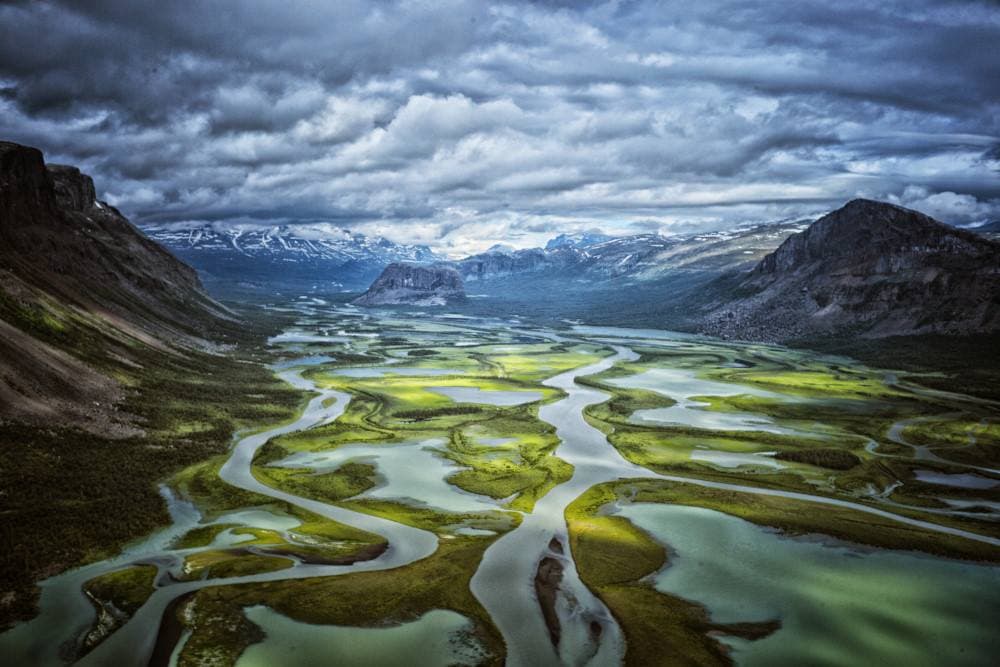
European national parks represent diverse geological formations shaped by millions of years of tectonic activity, glaciation, and volcanic processes. The Alps showcase dramatic mountain building from African and European plate collision, creating the spectacular peaks found in parks like Mont Blanc and the Austrian Alps. Scandinavia's parks reveal ancient Precambrian shield geology, with fjords carved by massive ice sheets during multiple glacial periods. Volcanic activity created unique landscapes in parks like Iceland's Vatnajokull and Italy's Vesuvius National Park, while limestone karst processes formed the stunning waterfalls and lakes of Plitvice and the cave systems of Slovenia's Triglav National Park. Glacial activity dominates northern European parks, creating the dramatic valleys, cirques, and moraines visible throughout Norway's Jotunheimen and Sweden's Sarek National Parks. The establishment of European national parks began in the early 20th century, with Sweden creating the world's first national parks in 1909. The movement spread across Europe as conservation awareness grew, with each country developing unique management approaches reflecting local cultures and environmental challenges. Many parks preserve not only natural landscapes but also traditional land uses like transhumance farming and historic settlements.
Safety
Essential gear varies significantly across Europe's diverse national park environments, requiring adaptable equipment systems. Alpine parks demand mountaineering equipment including crampons, ice axes, and avalanche safety gear during winter months, while summer hiking requires sturdy boots rated for rocky terrain and variable weather protection. Waterproof and windproof layers become critical in exposed mountain environments and coastal parks subject to sudden weather changes. Navigation equipment should include detailed topographic maps for each park, GPS devices with offline capability, and compass skills for areas with limited cell coverage. Many European parks use standardized trail marking systems, with white-red-white blazes common in Alpine regions and colored waymarks throughout Scandinavia. Emergency communication devices like satellite messengers provide crucial backup in remote wilderness areas. Weather represents the primary safety challenge, with conditions changing rapidly in mountain environments and northern latitudes. Summer temperatures can exceed 35°C in southern parks while dropping below freezing at elevation, requiring careful clothing systems. Winter conditions in northern and high-altitude parks demand specialized cold-weather gear and avalanche awareness. Emergency shelters and extended food supplies become essential for multi-day remote sections. Park-specific hazards include rockfall in alpine areas, river crossings during snowmelt, and wildlife encounters with bears in Carpathian and Scandinavian parks.
Nutrition and Other
Accommodation options across European national parks range from luxury mountain huts in the Alps to wild camping in Scandinavia's right-to-roam areas. Alpine hut systems provide comfortable lodging with meals included, typically costing 25-60 euros per night depending on location and amenities. Camping facilities are widely available in most parks, with designated campgrounds offering showers, cooking facilities, and waste disposal for 10-25 euros nightly. Food planning requires consideration of resupply opportunities and local regulations. Many Alpine parks feature well-stocked mountain huts serving traditional regional cuisine, reducing the need to carry extended food supplies. Scandinavian parks often require complete self-sufficiency for multi-day trips, with limited resupply options between major towns. Weight-efficient foods like dehydrated meals, nuts, and energy bars become essential for longer wilderness sections. Water availability varies dramatically across European parks. Alpine regions typically offer abundant clean mountain streams and springs, though purification remains recommended. Mediterranean parks may have limited water sources during summer months, requiring careful planning and additional carrying capacity. Treatment options include lightweight filters, purification tablets, or UV sterilization systems. Permits and fees structure differs significantly between countries. Many parks charge entrance fees ranging from 5-25 euros daily, with annual passes available for frequent visitors. Wild camping regulations vary from completely prohibited to freely allowed, requiring careful research for each destination.
Europe National Parks Passport: common questions
How long is Europe National Parks Passport?
Europe National Parks Passport covers 15000 km in total.
How long does Europe National Parks Passport take to complete?
Most people complete Europe National Parks Passport in about 1-5 years.
When is the best time to do Europe National Parks Passport?
The best season for Europe National Parks Passport is Anytime.
How many checkpoints does Europe National Parks Passport have?
Europe National Parks Passport has 21 checkpoints to log on the way to finishing it.
Plan your journey.
Keep this journey for later, or share it with someone you would like to go with.