Statistics and Elevation Profile
The complete Shikoku 88 Temples Pilgrimage requires visiting all 88 official temples in numerical order, creating a substantial multi-week undertaking for dedicated pilgrims walking the traditional route.
Area: Shikoku Island (four prefectures: Tokushima, Kochi, Ehime, and Kagawa)
Total Distance: 1,200 kilometers (750 miles)
Total Elevation Gain: 10,000 meters (32,800 feet)
Route Type: Circular pilgrimage connecting 88 temples
Additional Sites: 20 bekkaku temples (optional associated temples)
The pilgrimage is considered a hard route with significant elevation gain, requiring sustained physical effort over multiple weeks. Individual temple visits range from easy walks through urban areas to challenging mountain climbs exceeding 1,000 meters elevation.
Daily distances vary dramatically based on temple spacing, with some segments requiring 30+ kilometers between temples while others allow multiple temple visits within short distances. The diverse terrain includes coastal paths, mountain ridges, rural farmland, and urban areas, making this pilgrimage accessible to various fitness levels while still providing substantial challenges for experienced hikers.
Highlights and Landmarks
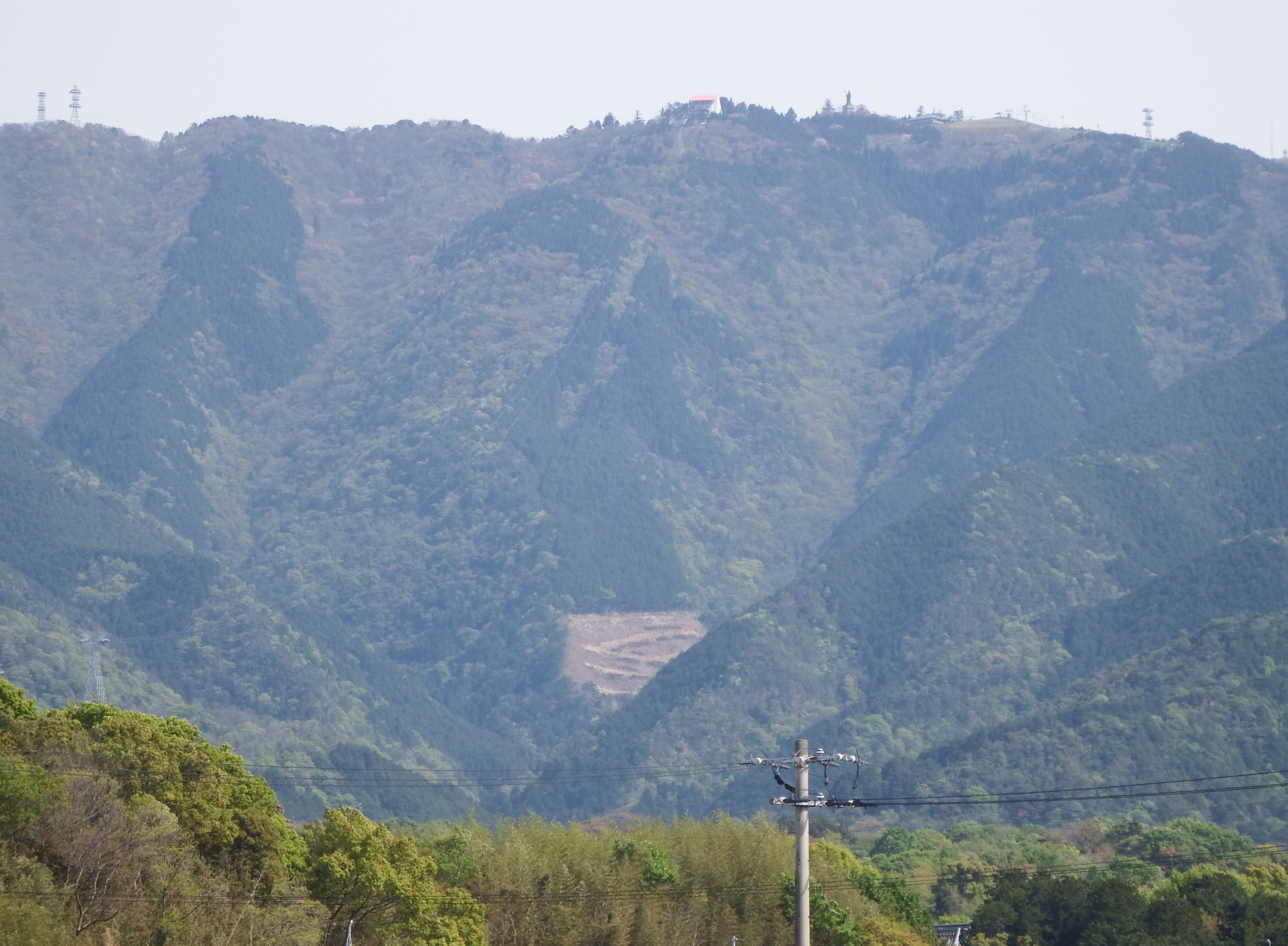
The Shikoku 88 Temples Pilgrimage showcases Japan's most spectacular and diverse landscapes across four distinct prefectures, each representing different stages of spiritual development. Tokushima Prefecture (temples 1-23) represents awakening and spiritual birth, featuring dramatic mountain valleys and ancient forests. Kochi Prefecture (temples 24-39) symbolizes spiritual training and discipline, offering rugged coastal scenery and Japan's most challenging temple approaches. Ehime Prefecture (temples 40-65) embodies enlightenment and reflection, providing serene mountain vistas and hot spring communities. Kagawa Prefecture (temples 66-88) represents spiritual completion and rebirth, featuring gentle rolling hills and sacred Mount Zentsuji.
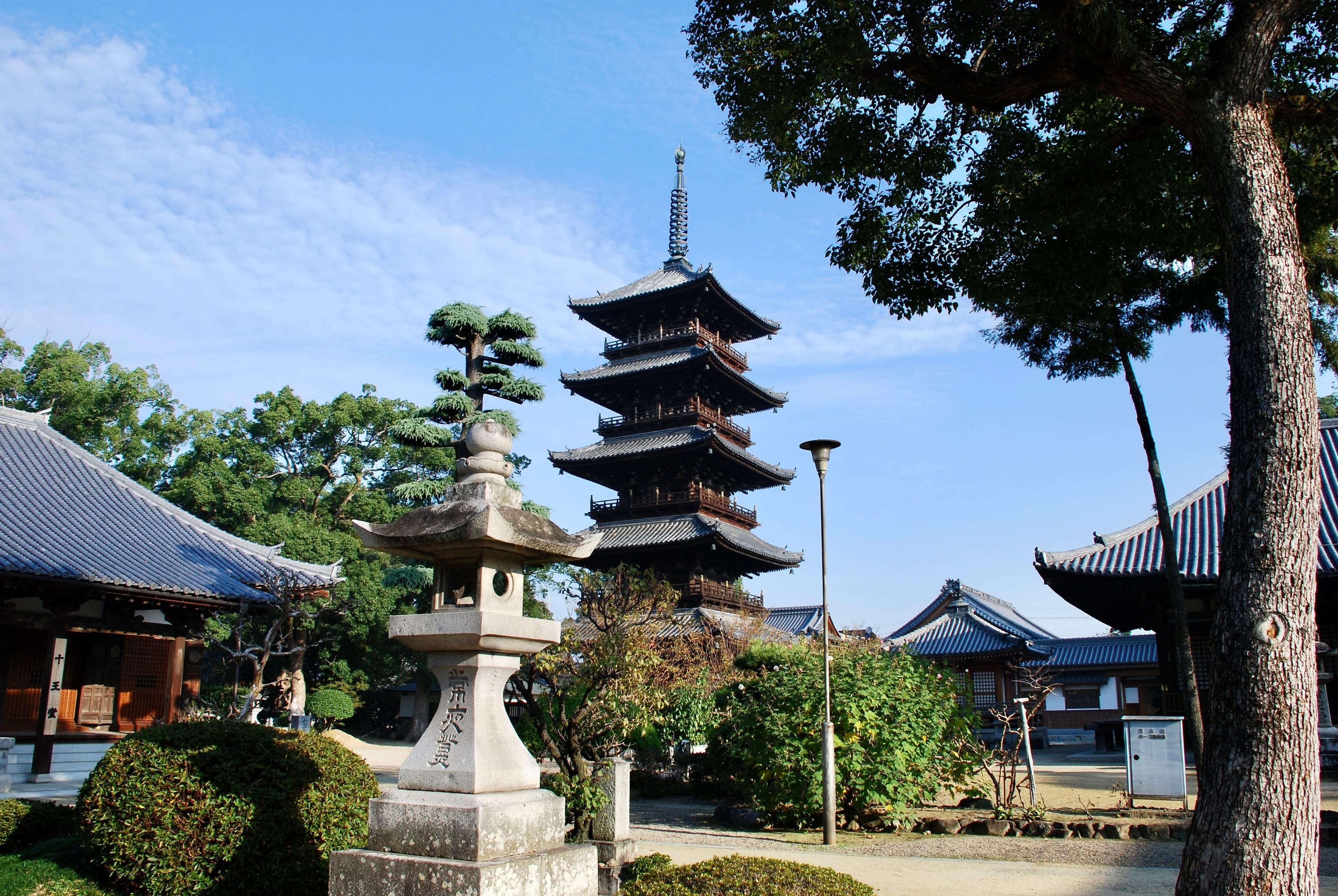
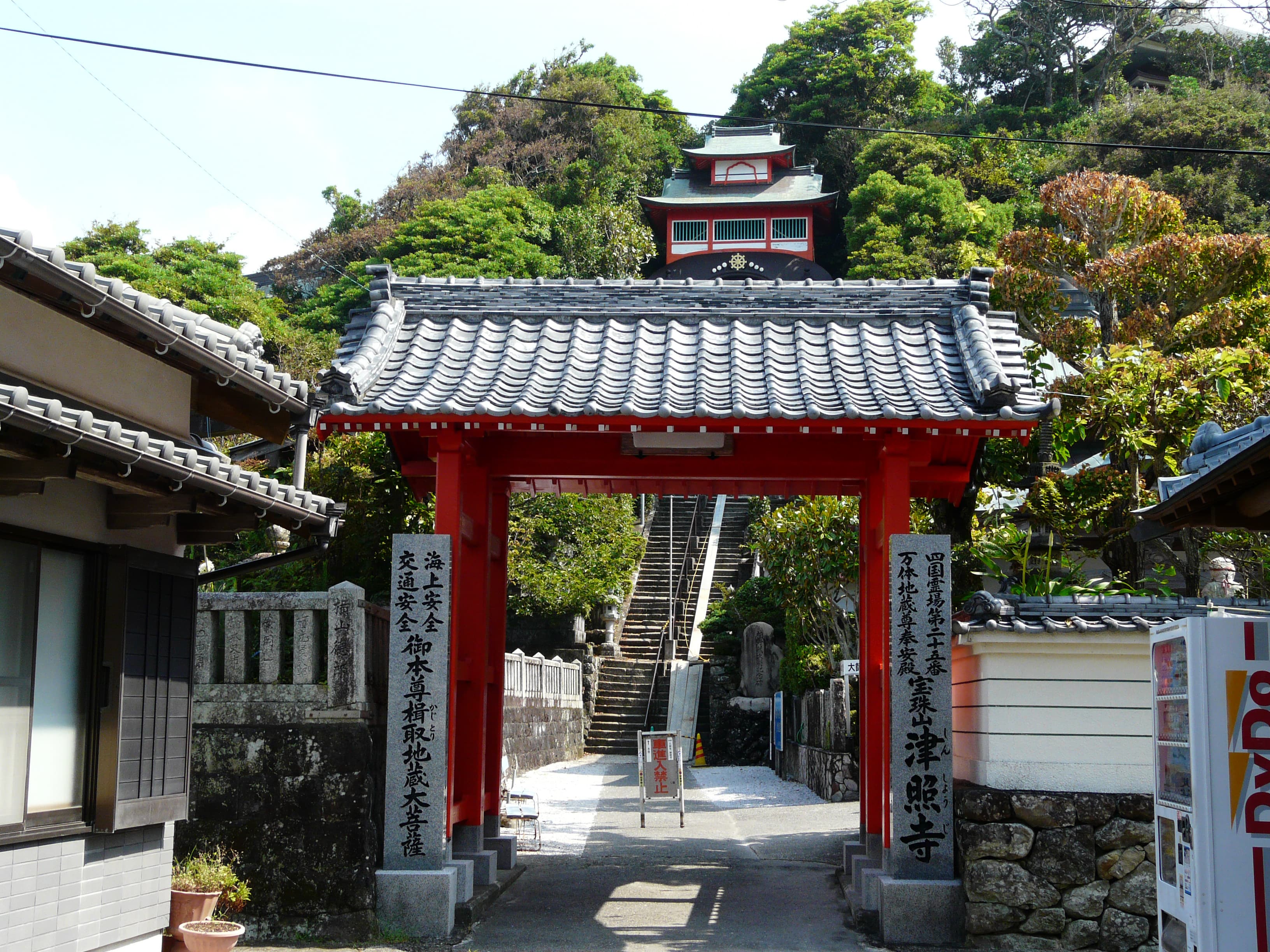
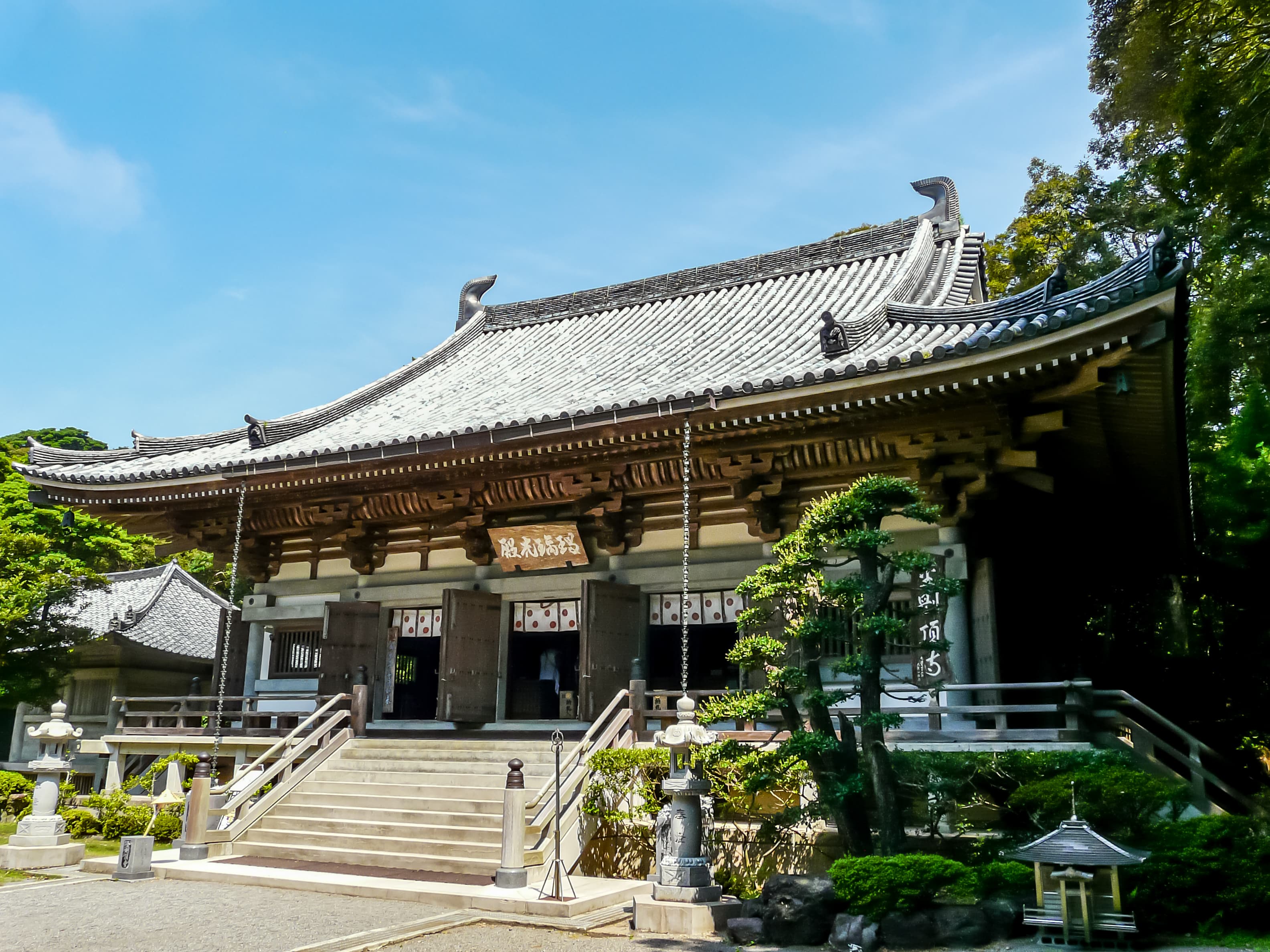
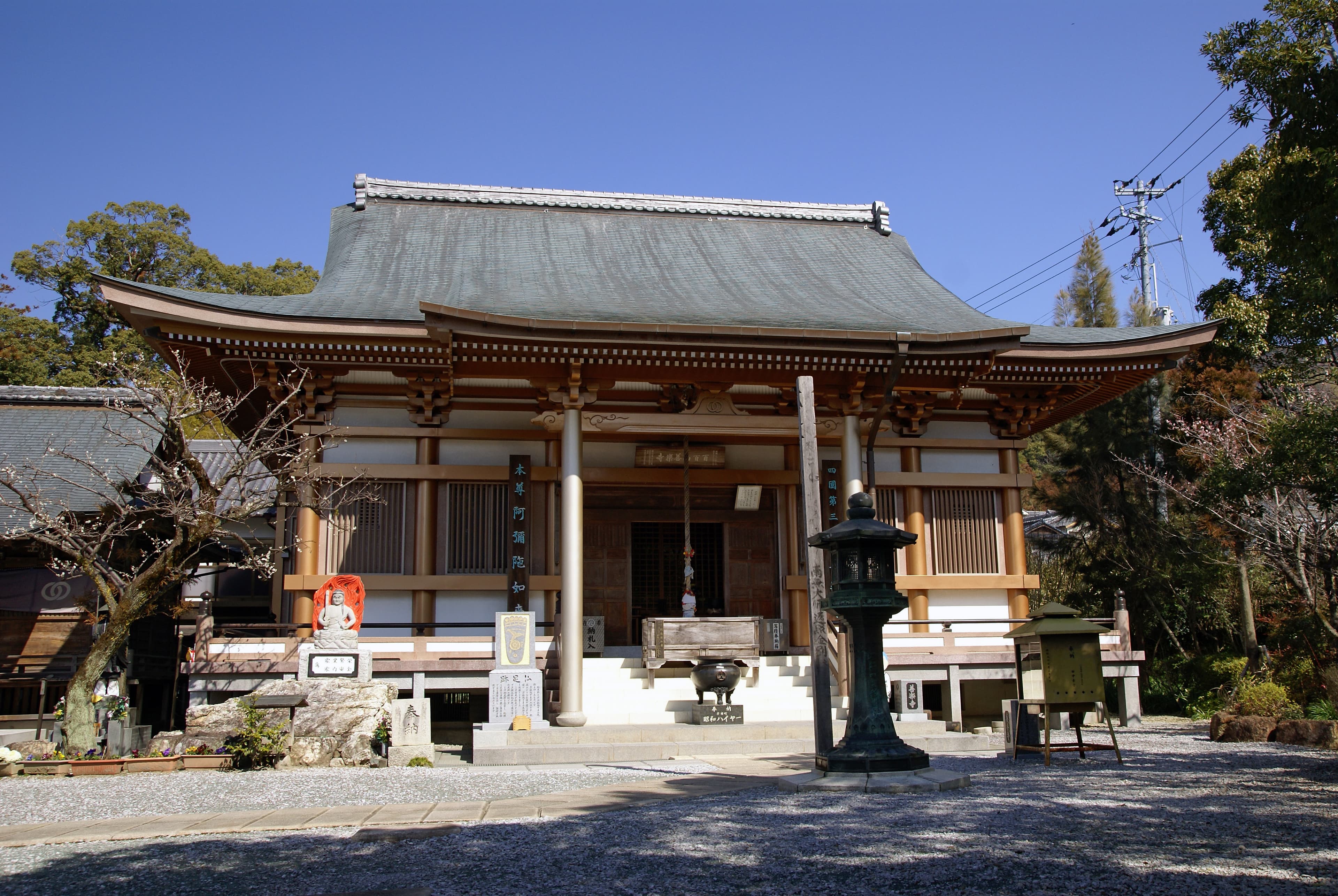
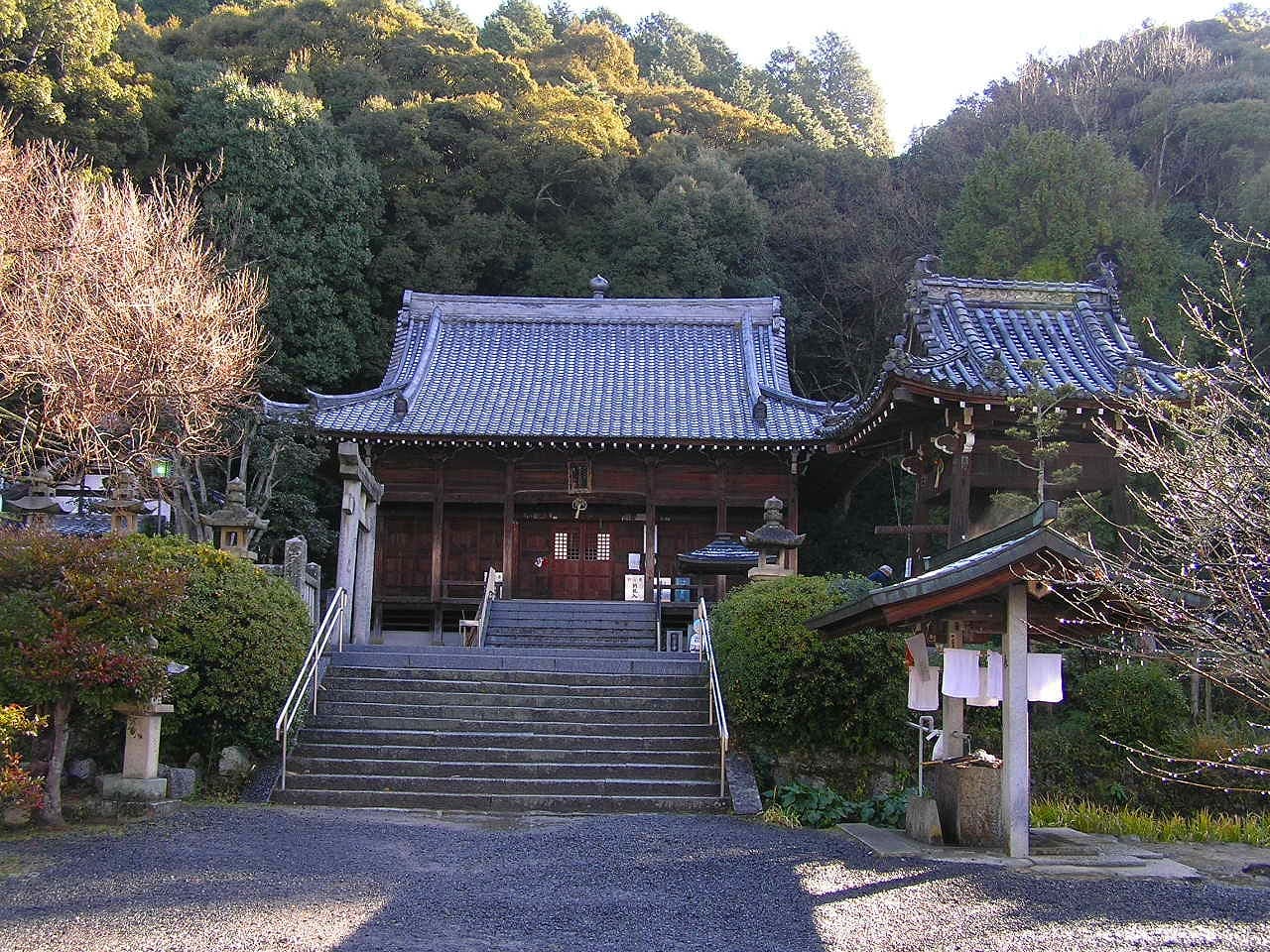
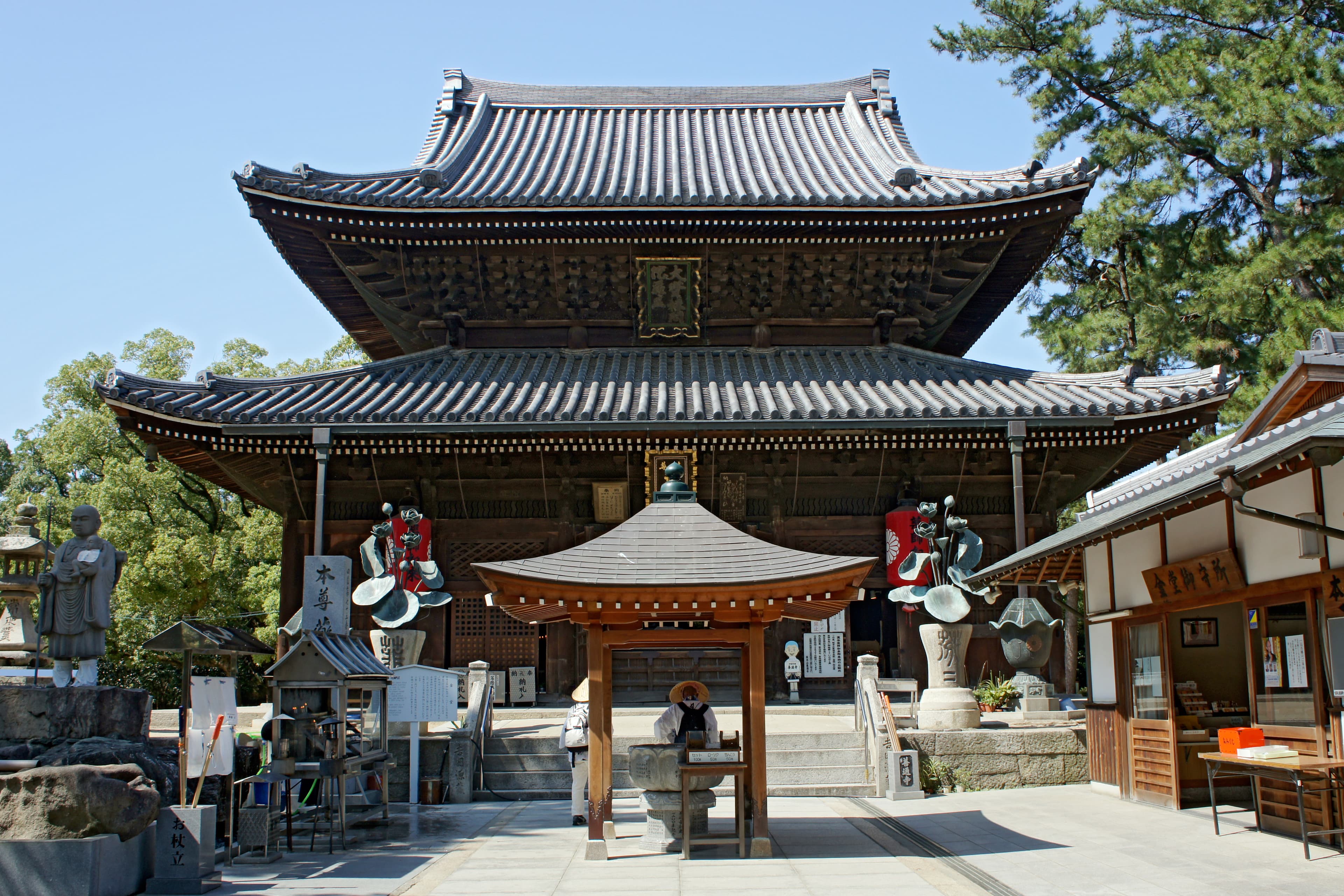
Notable temples include Temple 1 Ryozenji, the traditional starting point where pilgrims receive their first temple stamp, and Temple 88 Okuboji, marking the journey's completion high in the Sanuki Mountains. Temple 12 Shosanji requires a challenging mountain ascent with breathtaking valley views, while Temple 21 Tairyuji offers spectacular sunrise vistas from its 600-meter elevation. Temple 51 Ishiteji features stunning traditional architecture and important cultural artifacts, while Temple 75 Zentsuji stands as Kukai's birthplace and the pilgrimage's most sacred site.
Culture and History
The Shikoku 88 Temples Pilgrimage connects modern pilgrims with over 1,200 years of Buddhist tradition and Japanese cultural heritage. This sacred journey follows the path of Kukai, who founded the Shingon sect of Buddhism and established these temples during the 9th century. Kukai's teachings emphasized direct spiritual experience through meditation, ritual, and pilgrimage, making the Henro a living embodiment of Buddhist philosophy and practice.
The pilgrimage tradition demonstrates Japan's unique approach to spiritual development, combining physical endurance with mental discipline and cultural immersion. Pilgrims, known as henro, wear traditional white clothing symbolizing spiritual purity and carry wooden staffs representing Kukai's spiritual presence. Local communities along the route provide osettai (charitable offerings) to pilgrims, creating bonds between travelers and residents that have endured for centuries. This grassroots hospitality represents one of Japan's most remarkable cultural traditions, where supporting pilgrims is considered spiritually beneficial for both giver and receiver.
Geology
The Shikoku 88 Temples Pilgrimage traverses diverse geological formations that showcase millions of years of tectonic activity and erosion across Japan's fourth-largest island. The northern regions feature granite and metamorphic rocks from ancient mountain-building processes, creating the dramatic peaks and valleys visible from elevated temples like Shosanji and Tairyuji. These formations provide stable foundations for temple construction while offering spectacular panoramic views across multiple prefectures.
The southern coastal areas consist primarily of sedimentary rocks and marine formations, reflecting Shikoku's complex geological history as oceanic plates collided with the Japanese archipelago. The Yoshino River valley, crossed multiple times during the pilgrimage, represents one of Japan's most significant geological features, with alluvial deposits creating fertile agricultural lands that support local communities. The island's diverse geology creates varied landscapes from rugged mountain peaks to gentle coastal plains, with temples strategically positioned to take advantage of naturally defensible and spiritually significant locations.
Essential Gear
Weather protection requires comprehensive preparation for Japan's variable climate conditions, from summer heat and humidity exceeding 35°C to winter temperatures dropping below freezing in mountain areas. Waterproof rain gear becomes essential during tsuyu (rainy season) from June to July, while layered clothing systems allow adaptation to elevation changes and seasonal variations throughout the multi-week journey. Traditional white henro clothing provides cultural authenticity and practical sun protection, though modern hiking attire is equally acceptable.
Navigation equipment should include detailed temple maps, GPS devices with offline capability, and the essential temple logbook (nokyocho) for collecting sacred stamps and calligraphy at each temple. While the pilgrimage route is well-marked with directional arrows and signs, backup navigation prevents problems in urban areas or during construction detours. Many pilgrims carry temple guidebooks with historical information and practical details for each location.
Safety equipment includes comprehensive first aid supplies, emergency whistle, and reliable headlamp for early morning starts or evening temple visits. Comfortable hiking boots with good ankle support prove essential for sustained daily walking on varied terrain. Sun protection becomes critical during summer months, while insect repellent helps manage mosquitoes and other pests in rural areas. A sturdy backpack with proper weight distribution prevents injury during long daily distances.
Accommodation
The Shikoku 88 Temples Pilgrimage offers diverse accommodation options reflecting traditional Japanese hospitality and modern convenience. Temple lodgings (shukubo) provide authentic cultural experiences with vegetarian meals, morning prayer services, and interaction with resident monks. These accommodations range from basic dormitory-style rooms to comfortable private quarters, typically costing 5,000-8,000 yen per night including meals.
Traditional ryokan inns offer premium comfort with tatami floors, futon bedding, and elaborate kaiseki meals featuring local specialties. Business hotels in larger cities provide modern amenities and convenient locations near multiple temples, while minshuku (family-run guesthouses) offer affordable accommodation with home-cooked meals and personal hospitality. Youth hostels and pilgrim lodges cater specifically to henro with dormitory-style accommodation and communal facilities.
Many pilgrims combine different accommodation types throughout their journey, staying in temple lodgings for spiritual experiences and hotels for rest and resupply. Advanced booking becomes essential during peak seasons (spring and autumn) and around major temples, while shoulder seasons offer more flexibility and lower prices.
Food and Water
Food and water planning for the Shikoku 88 Temples Pilgrimage takes advantage of Japan's excellent convenience store network and local culinary traditions. Convenience stores (konbini) provide 24-hour access to nutritious meals, snacks, and beverages at regular intervals along the route, eliminating the need for extensive food carrying. Local restaurants offer regional specialties including Sanuki udon noodles, Kochi bonito dishes, and Ehime citrus products that enhance the cultural experience.
Temple lodgings typically provide traditional Buddhist vegetarian meals (shojin ryori) that offer balanced nutrition and spiritual significance. These meals feature seasonal vegetables, tofu, rice, and pickled foods prepared according to Buddhist dietary principles. Many temples also offer simple refreshments for day visitors, while vending machines provide beverages at regular intervals throughout the route.
Water sources are readily available from temples, convenience stores, and public facilities, though many pilgrims carry water bottles for convenience during long segments between temples. Japan's excellent water quality eliminates the need for purification systems, while the dense population ensures regular resupply opportunities even in rural areas.
Navigation
Navigation on the Shikoku 88 Temples Pilgrimage follows well-established marking systems developed over centuries of pilgrim travel. Red arrows (henro michi) painted on roads, signs, and utility poles guide pilgrims along traditional routes, while modern signage provides distance and direction information in Japanese and English. The standardized numbering system allows easy temple identification and route planning.
Detailed guidebooks like "The Shikoku Pilgrimage: An 1,100-Year-Old Buddhist Walking Trail" provide comprehensive route descriptions, temple information, and practical advice for each stage of the journey. Digital mapping applications designed specifically for the pilgrimage offer real-time navigation and points of interest, though traditional paper maps remain valuable for backup navigation and cultural authenticity.
Route finding becomes more complex in urban areas where modern development may obscure traditional paths, requiring careful attention to henro markings and local signage. Some sections offer alternative routes for different travel modes (walking, cycling, or driving), with walking routes prioritizing spiritual significance over efficiency.
Safety and Risk Management
Shikoku pilgrimage safety combines standard hiking precautions with unique cultural and environmental considerations. Japan's low crime rate makes personal security concerns minimal, though pilgrims should maintain standard travel precautions and carry identification at all times. Language barriers may complicate emergency situations, making basic Japanese phrases and emergency contact information essential.
Weather-related risks include summer heat exhaustion, winter hypothermia in mountain areas, and flooding during heavy rains. Typhoon season (June through October) may require route modifications or temporary shelter, while winter conditions can make mountain temples dangerous without proper equipment and experience. Traffic safety requires constant attention, as many route sections follow narrow rural roads with limited sidewalks.
Medical facilities are readily available in cities but may be limited in rural areas, making comprehensive first aid knowledge valuable for minor injuries. Japan's excellent emergency services (dial 119) provide rapid response, though communication barriers may complicate medical emergencies for non-Japanese speakers.
Permits and Fees
The Shikoku 88 Temples Pilgrimage requires no special permits or advance registration, allowing maximum flexibility in timing and route planning. Individual temple visits typically cost 200-500 yen for stamp collection (goshuin) and temple book entries, with total temple fees ranging from 20,000-40,000 yen for the complete pilgrimage. Some temples charge additional fees for special services like prayer ceremonies or cultural activities.
Accommodation costs vary widely based on chosen lodging types, from 2,000-3,000 yen for basic pilgrim hostels to 15,000+ yen for premium ryokan experiences. Transportation costs apply only if using public transit between temples or for resupply trips, while parking fees may apply at some temple locations for those completing the pilgrimage by vehicle.
The Japan Rail Pass provides economical transportation access for international visitors, though most pilgrims rely on walking, cycling, or local transportation. Travel insurance is highly recommended for international pilgrims, covering medical emergencies and trip interruption.