

Challenge
NH Presidential Traverse
New Hampshire, United States
About this challenge
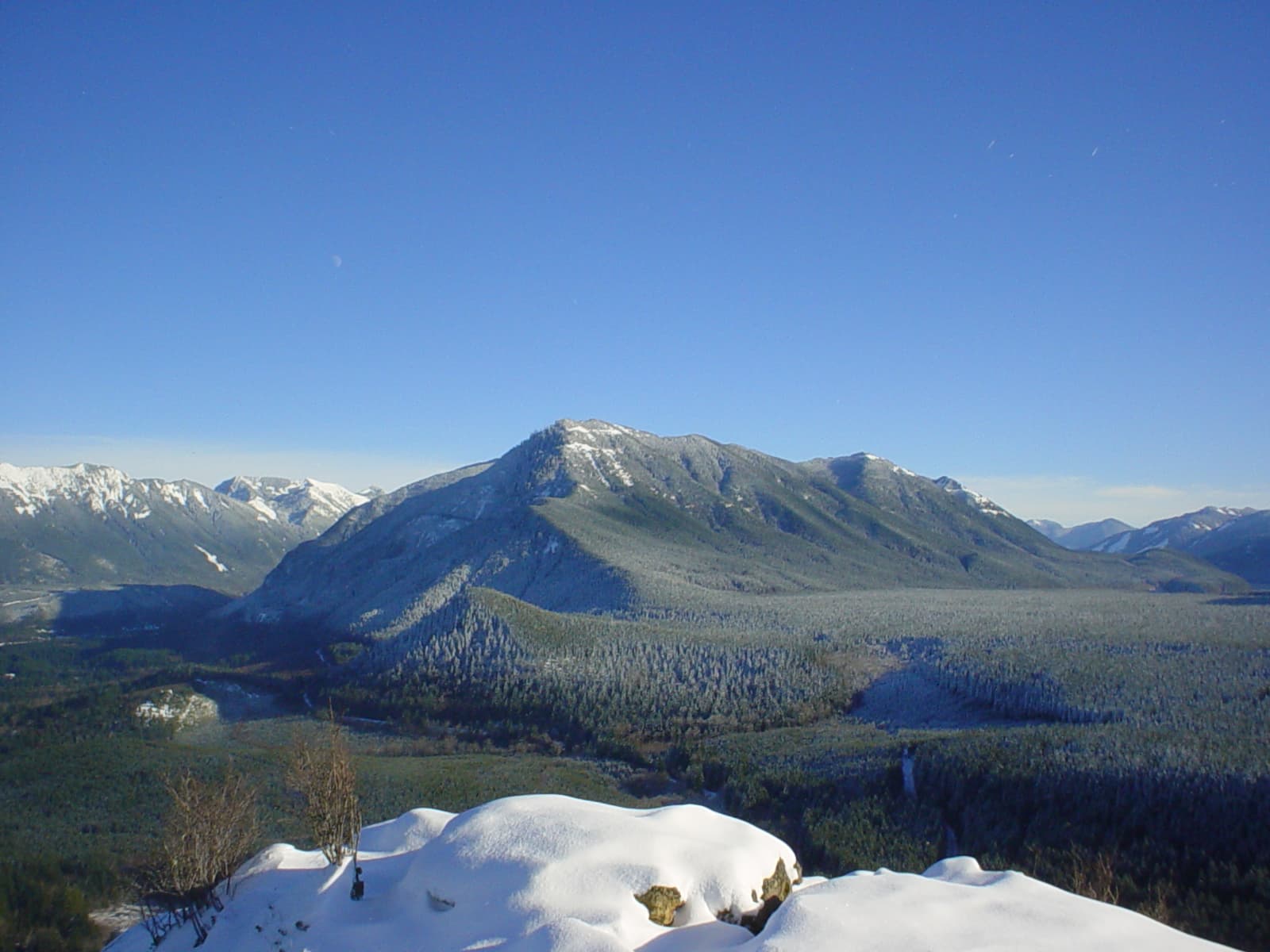
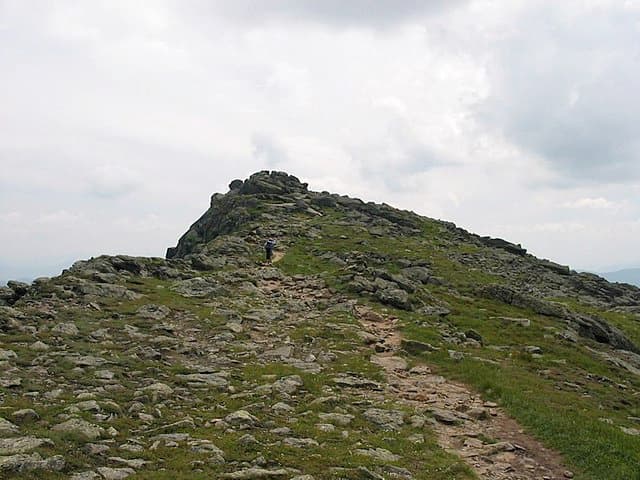
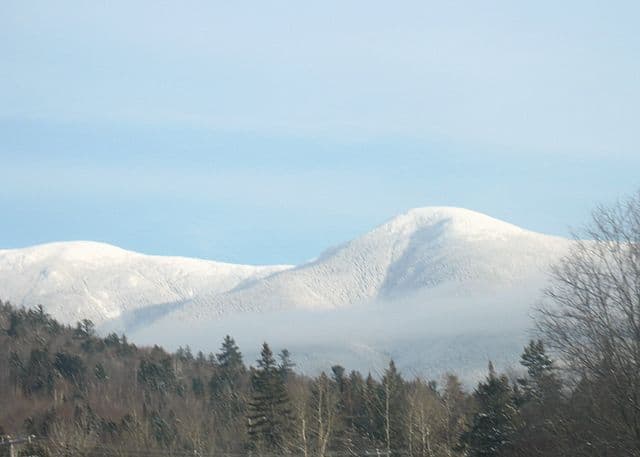
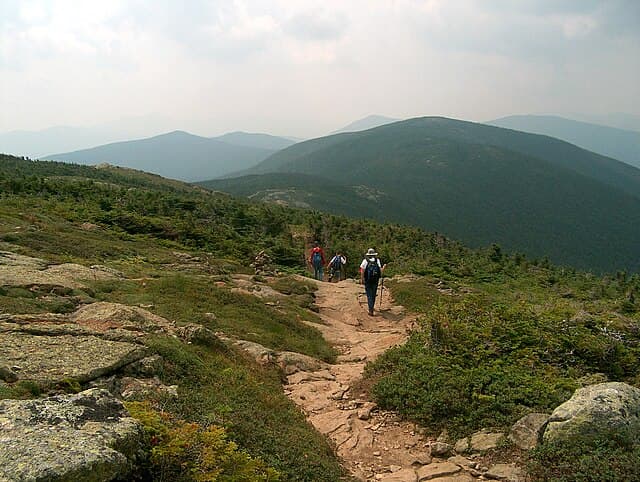
Hiking the “Presi” may be demanding, but the rewards are bountiful. Enjoy uninterrupted miles above treeline and the opportunity to summit five peaks on the New Hampshire Four Thousand Footers list, including the AMC region’s highest, Mount Washington. Along the way stay at the Appalachian Mountain Club’s conveniently spaced High Mountain Huts. Experience rugged wilderness by day, then a bed and a homecooked meal from the famed Hut “Croos” by night.
Quick facts
- Checkpoints
- 8
- Avg Completion
- 1-5 days
- Best Season
- Summer, Spring, Fall
Overview
The Presidential Traverse stands as New England's most legendary and challenging long-distance hiking adventure. One hikes across the spine of New Hampshire's White Mountains through some of the most dramatic alpine terrain east of the Mississippi River. This epic traverse connects the peaks named after U.S. Presidents, offering experienced hikers an unforgettable journey through diverse ecosystems.
Statistics and Elevation Profile
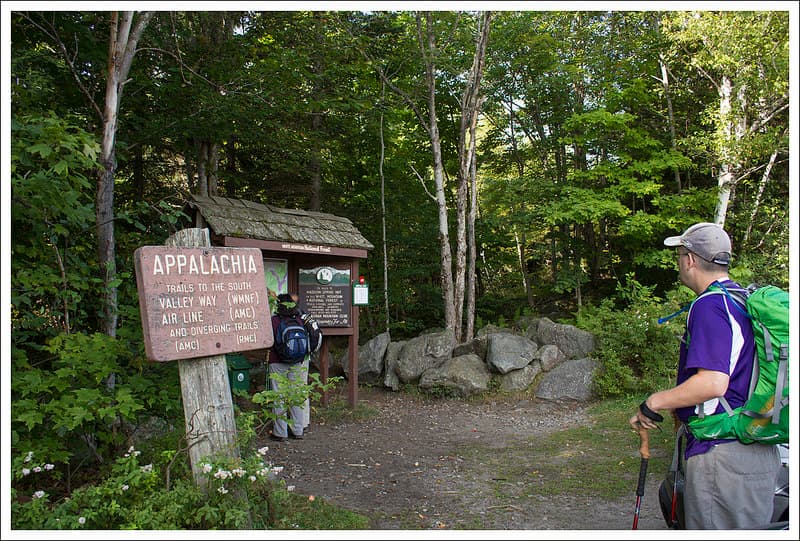
The classic Presidential Traverse route covers 20-24 miles with 9,000-10,000 feet of elevation gain, making it one of the most demanding single-day hikes in the Northeast. Hikers will summit at least seven 4,000-footers, including New Hampshire's five tallest peaks, with the majority of the trail running above treeline. The Presidential Range contains the largest single expanse of alpine area east of the Mississippi River, roughly 8 square miles in size. Most hikers complete the traverse in 12-18 hours of hiking time, though conditions and fitness levels create significant variation in completion times. Start South to North: Appalachia Trailhead, Randolph (1,200 ft) End Options: Highland Center, Crawford Notch (1,900 ft), or various trailheads depending on the route chosen Highest Point: Mount Washington (6,288 ft) - the Northeast's tallest peak and home to some of the world's most severe weather
Highlights and Landmarks
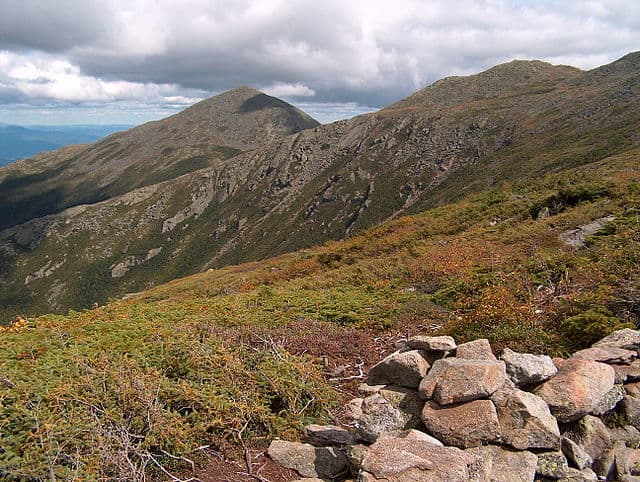
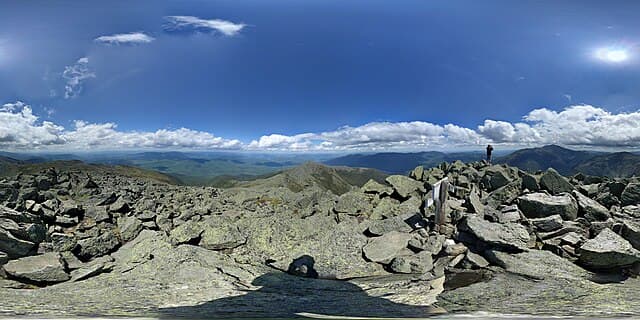
The Presidential Traverse showcases the White Mountains' most spectacular alpine scenery and geological features. The majority of the trail is above the tree line and offers breathtaking views of the surrounding landscape. Hikers experience dramatic elevation changes from hardwood forests through spruce-fir zones to true alpine conditions above 4,800 feet. Mount Washington serves as the centerpiece of the traverse, featuring the famous Mount Washington Observatory and weather station that records some of Earth's most extreme conditions. The summit offers 360-degree views extending to the Atlantic Ocean on clear days, with the distinctive alpine zone supporting rare plant species found nowhere else in New England. The Northern Presidential peaks - Madison, Adams, and Jefferson - provide the most technical and exposed hiking, with steep scrambles over loose rock and extended above-treeline exposure. Mount Adams offers particularly dramatic views down into the Great Gulf Wilderness, while Mount Jefferson's sharp ridges create stunning photographic opportunities. The Southern Presidentials - Monroe, Eisenhower, and Pierce - offer gentler terrain but equally impressive vistas across the Pemigewasset Wilderness and southern White Mountains. These peaks connect via the famous Appalachian Trail, providing well-maintained footpaths and clear trail markers.
Culture and History
The Presidential Range holds deep significance in American mountaineering history, with early explorers and scientists establishing weather monitoring stations and hiking trails that remain in use today. Mount Washington's summit has housed weather observers since the 1870s, contributing crucial meteorological data and establishing the mountain's reputation for extreme conditions. The Appalachian Mountain Club (AMC) has maintained an extensive hut system throughout the Presidential Range since the early 1900s, providing shelter and meals for generations of hikers. These historic stone and timber structures represent some of America's oldest mountain accommodations, preserving traditional alpine hospitality while serving modern adventurers. Local communities in the Mount Washington Valley have supported hiking and mountaineering for over 150 years.
Geology
The route begins in hardwood forests typical of the region's lower elevations (birch, beech, and maple). By 3,000 ft, red spruce and balsam fir dominate the slopes. As treeline nears and average temperatures drop, black spruce join the mix and tree height steadily shrinks. The Presidential Range showcases classic New England mountain geology, with ancient metamorphic rocks dating back over 400 million years. Glacial activity during the last ice age carved the distinctive U-shaped valleys and sharp ridges that define today's landscape. Massive granite intrusions create the solid rock foundations that support the region's tallest peaks. Above treeline, exposed bedrock reveals the mountain-building processes that created the White Mountains. Freeze-thaw cycles continuously shape the landscape, creating the loose rock and scree fields that challenge hikers throughout the alpine zones. These harsh conditions support specialized plant communities adapted to extreme temperature variations and constant wind exposure. Alpine wetlands and rare plant communities thrive in protected areas between peaks, supporting species found nowhere else in the eastern United States. The krummholz (dwarf tree) formations near treeline demonstrate nature's adaptation to extreme growing conditions, with centuries-old trees remaining only inches tall due to constant wind pruning.
Essential Gear
Waterproof jacket and pants (not water-resistant - true waterproof) Insulating layers including down or synthetic puffy jacket Warm hat and insulated gloves Emergency bivy or space blanket Headlamp with extra batteries First aid kit and emergency whistle Mount Washington Observatory records some of the world's most extreme weather conditions, with winter winds regularly exceeding 100 mph and temperatures dropping below -40°F. Summer conditions can shift from sunny and warm to freezing rain and high winds within minutes, making proper gear selection crucial for survival.
Accommodation
The Presidential Traverse offers several accommodation strategies depending on hiking approach and personal preferences. The AMC hut system provides the most convenient option for multi-day traverses, with full-service mountain accommodations offering meals and bunks in spectacular alpine settings. Madison Spring Hut: Located between Mount Madison and Mount Adams Lakes of the Clouds Hut: Near Mount Washington summit Mizpah Spring Hut: Below Mount Pierce in the southern range Hut accommodations include dinner and breakfast with dormitory-style bunking, typically costing $150-200 per person per night during peak season. Advanced reservations prove essential, especially for summer weekends when demand far exceeds capacity. The AMC operates a reservation system requiring booking several months in advance for popular dates. Base camping in North Conway, Jackson, or Gorham provides hotel comfort with easy trailhead access. These towns offer full services including gear shops, restaurants, and transportation options. Costs range from budget motels at $80-120 per night to luxury mountain resorts exceeding $300 nightly during peak foliage season. The White Mountain National Forest permits dispersed camping below treeline with proper setbacks from trails and water sources. Several established campgrounds near trailheads provide car camping with facilities. Dolly Copp Campground offers the closest access to northern trailheads, while Crawford Notch Campground serves southern approaches.
Food and Water
Presidential Traverse nutrition requires careful planning due to high caloric demands and limited resupply opportunities. Carry enough food and water, warm clothing and a decent sleeping bag. You should do this even on a day hike due to the potential for weather delays or emergency situations. Natural water sources exist throughout the range, including springs near most AMC huts and seasonal streams in various locations. All natural water requires treatment due to potential contamination from wildlife and human activity. Water availability can decrease significantly during dry periods, making backup water capacity essential for safety. AMC huts offer the most convenient dining option for multi-day traverses, providing hearty mountain meals designed for hungry hikers. Family-style dinners feature substantial portions with vegetarian options available. Packed lunches from huts provide trail-ready nutrition for summit days.
Navigation
Presidential Traverse navigation requires advanced mountain skills due to above-treeline exposure and frequent poor visibility conditions. The majority of the trail is above the tree line, where fog, clouds, and precipitation can eliminate visibility within minutes. Compass and map navigation become essential when visibility drops below 50 feet, a common occurrence above treeline. GPS devices provide valuable backup but shouldn't replace traditional navigation skills. Battery life decreases rapidly in cold conditions, making paper maps and compass the most reliable navigation tools. White blazes mark the Appalachian Trail through southern sections Yellow blazes identify various connecting trails and approaches Cairns (stone piles) mark routes above treeline where painted blazes aren't practical AMC trail signs provide mileage and destination information at major junctions
Permits and Fees
The Presidential Traverse crosses White Mountain National Forest lands, requiring no special hiking permits for day use or overnight camping in designated areas. Standard National Forest regulations apply throughout the range, with specific restrictions in designated Wilderness Areas and Research Natural Areas. The AMC Hiker Shuttle provides seasonal transportation between major trailheads and town accommodations, typically operating from June through October. Shuttle fares range from $10-25 depending on distance and destination. Advance reservations are recommended during peak hiking season when demand exceeds capacity. Daily parking passes: $5 at most trailheads Weekly parking passes: $20 for multiple trailhead access Annual White Mountain National Forest pass: $30 for unlimited parking America the Beautiful Annual Pass: $80 for all National Parks and Forests
Featured checkpoints
Appalachia Trailhead Parking
Appalachia Trailhead
Mount Madison
White Mountains, NH
Mount Adams
White Mountains, NH
Mount Jefferson
White Mountains, NH
Mt.Washington
White Mountains, NH
Mount Monroe
White Mountains, NH
All stops on this route
NH Presidential Traverse: common questions
How long does NH Presidential Traverse take to complete?
Most people complete NH Presidential Traverse in about 1-5 days.
When is the best time to do NH Presidential Traverse?
The best season for NH Presidential Traverse is Summer, Spring, Fall.
How many checkpoints does NH Presidential Traverse have?
NH Presidential Traverse has 8 checkpoints to log on the way to finishing it.