
Challenge
Inca Trail to Machu Picchu
Peru
About this challenge
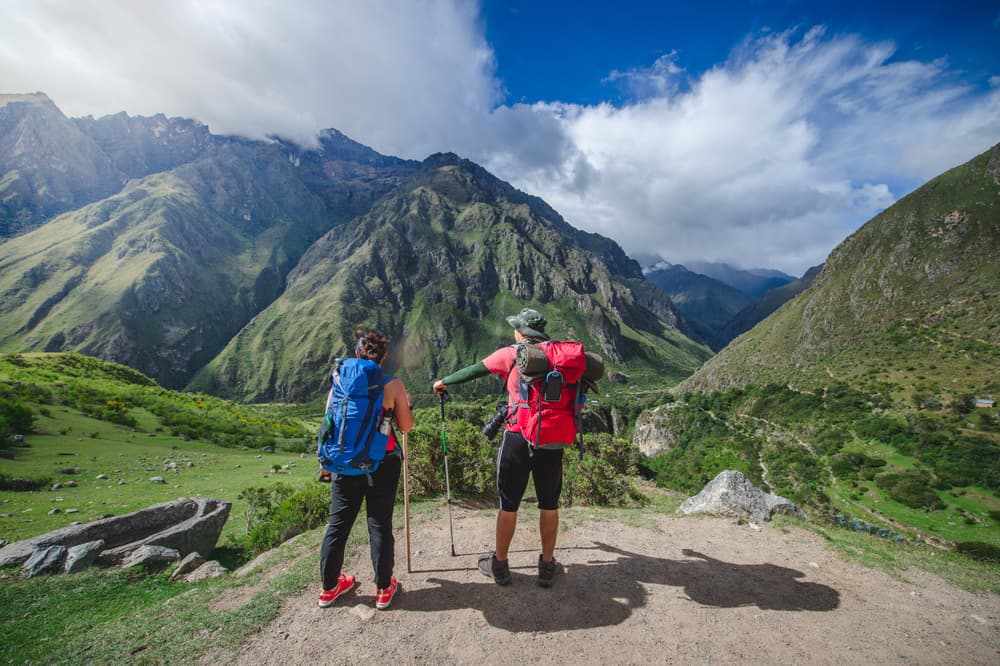
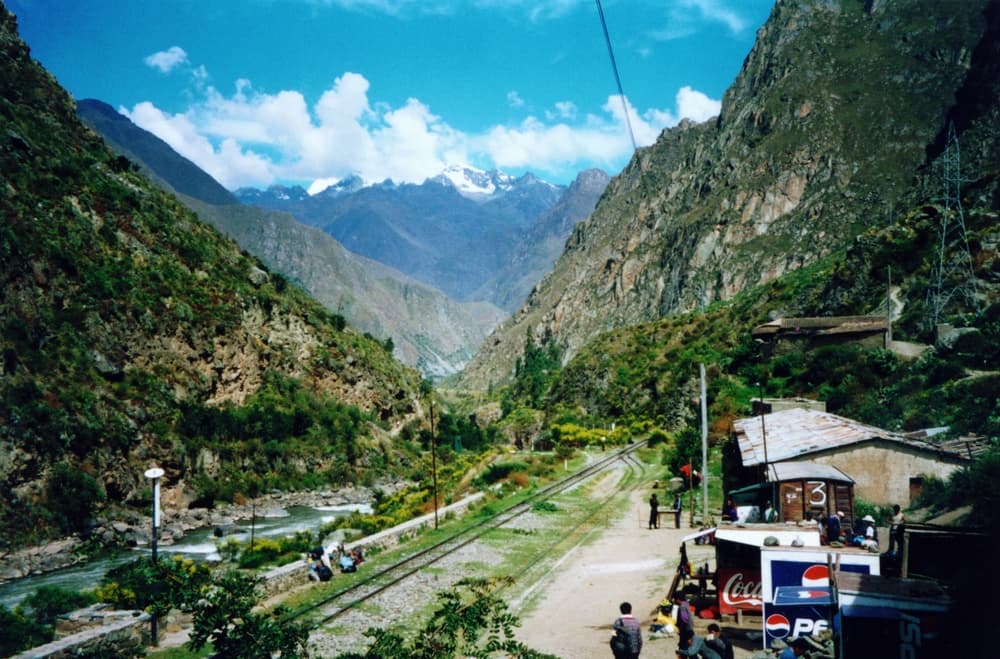
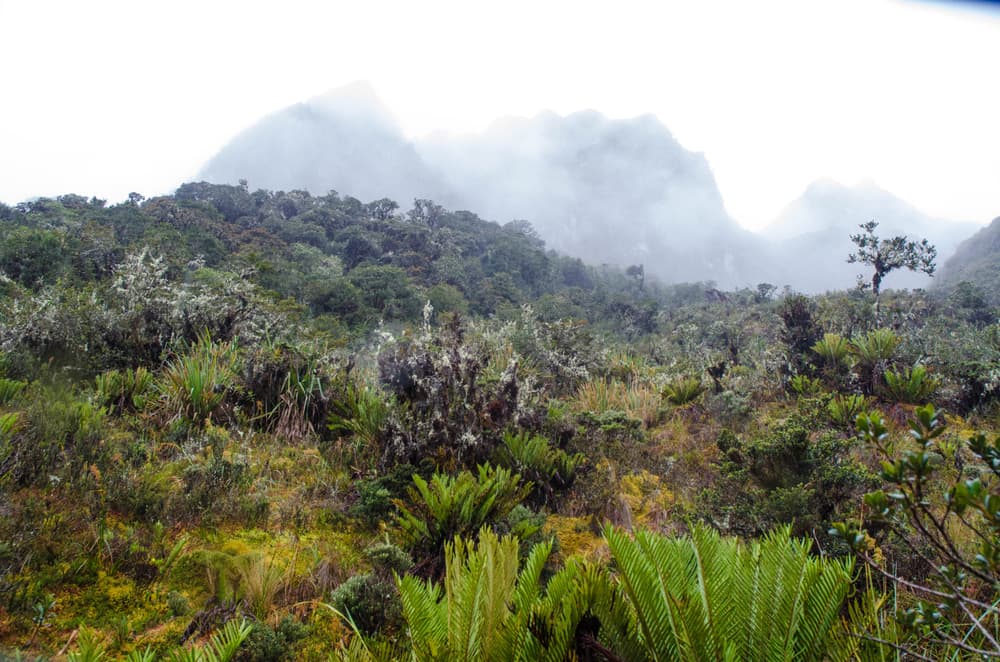
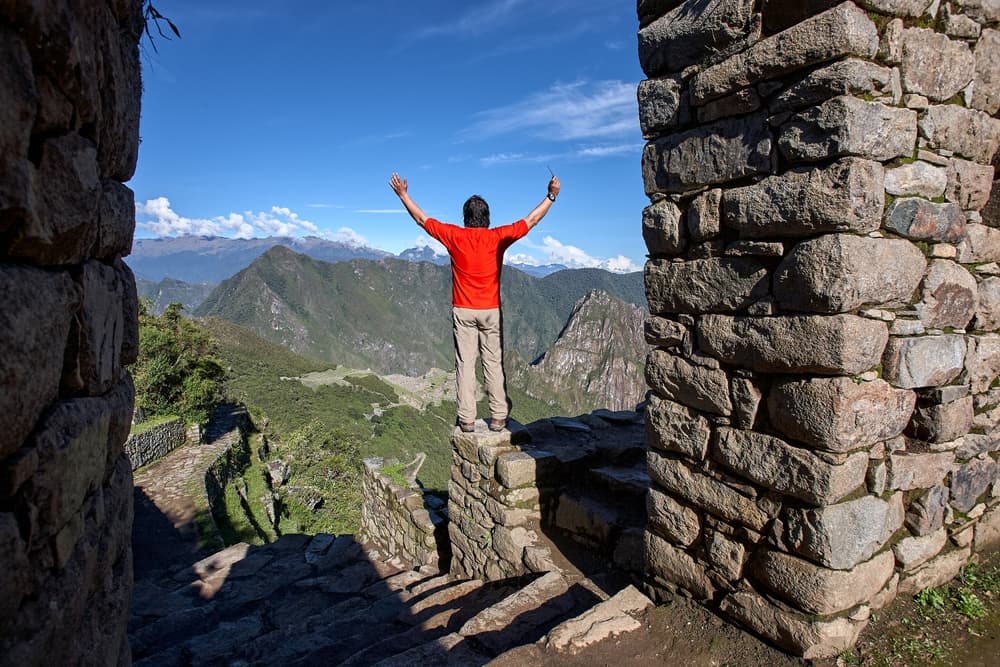
The Inca Trail to Machu Picchu is one of the world’s most iconic multi-day treks, weaving through the heart of the Peruvian Andes. This 42-kilometer trail begins at KM 82 near Ollantaytambo and leads hikers on a breathtaking journey through diverse landscapes, ranging from lush cloud forests and alpine tundra to ancient stone pathways and well-preserved Inca ruins. Notable checkpoints include Wayllabamba, Dead Woman’s Pass, Pacaymayo, and Wiñay Wayna. The trail offers a rich combination of natural beauty and cultural heritage, culminating at the Sun Gate (Inti Punku) with a stunning panoramic view of Machu Picchu at sunrise. Typically completed in 4 to 5 days, the trek is physically demanding due to high altitude and steep climbs, but incredibly rewarding. The best time to hike is during the dry season, from April to October, when the skies are clear and trail conditions are optimal. Permits are required and limited.
Quick facts
- Checkpoints
- 10
- Distance
- 42 km
- Avg Completion
- 4-5 days
- Best Season
- Summer, Spring, Fall
Overview
The Inca Trail stands as the world's most famous archaeological hiking trail, offering adventurous trekkers an unforgettable journey through Peru's Sacred Valley to the legendary citadel of Machu Picchu. This ancient stone pathway, built over 500 years ago by the Inca Empire, represents one of the best-preserved sections of the extensive road network that once connected the vast Andean civilization. The trail attracts thousands of international hikers annually who seek to experience dramatic cloud forest landscapes, ancient Inca ruins, and the sunrise arrival at one of the New Seven Wonders of the World.
Statistics and Elevation Profile
Start: Wayllabamba (3,000m / 9,843ft) accessed via train from Cusco Highest point: Dead Woman's Pass (Warmiwañusca) at 4,215m (13,828ft), providing spectacular but challenging views across the Andes End: Machu Picchu (2,430m / 7,972ft) The classic 4-day Inca Trail route covers approximately 43 kilometers (26 miles) with significant elevation changes, making it a challenging undertaking that requires good physical fitness and proper acclimatization. The trek involves substantial daily elevation gains and losses, with the second day featuring the most challenging ascent to Dead Woman's Pass. This highest point sits nearly 1,800 meters (5,905 feet) higher than Machu Picchu itself, requiring excellent cardiovascular fitness and altitude acclimatization. Daily hiking typically ranges from 5-8 hours, with the final day beginning around 3:30 AM for the approach to Machu Picchu's Sun Gate.
Highlights and Landmarks
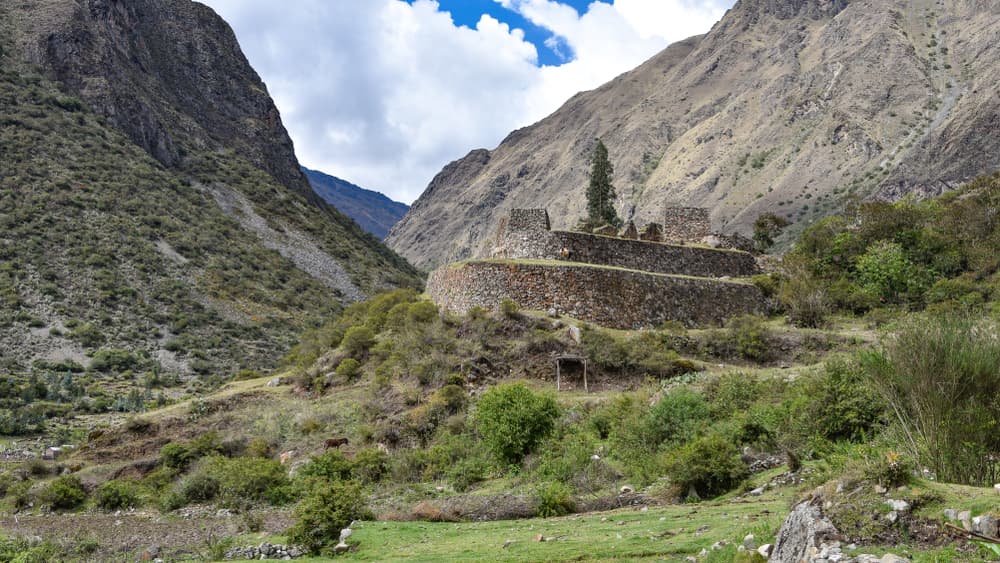
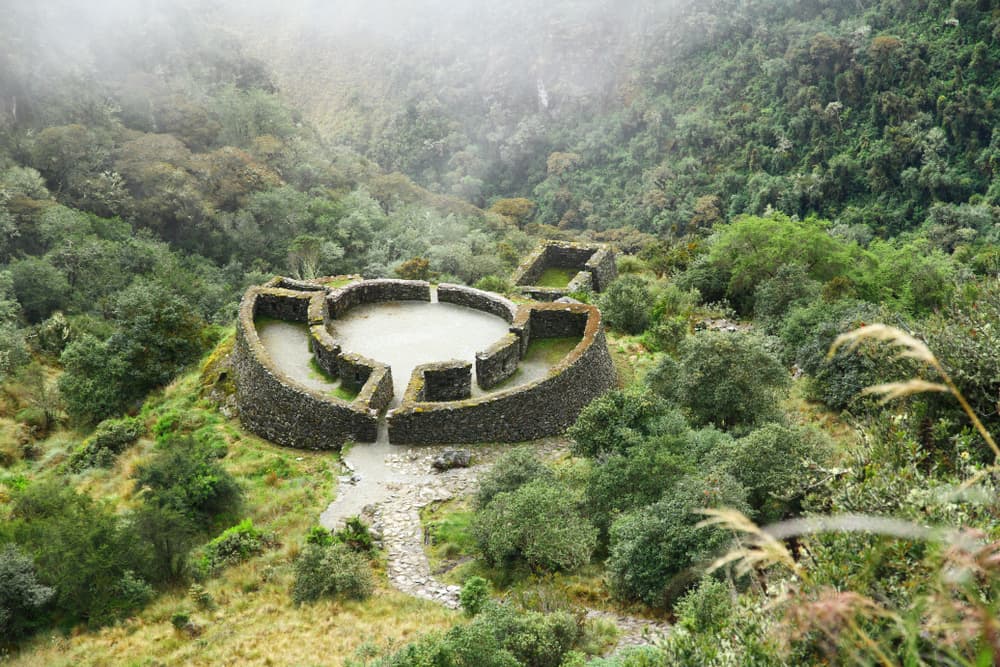
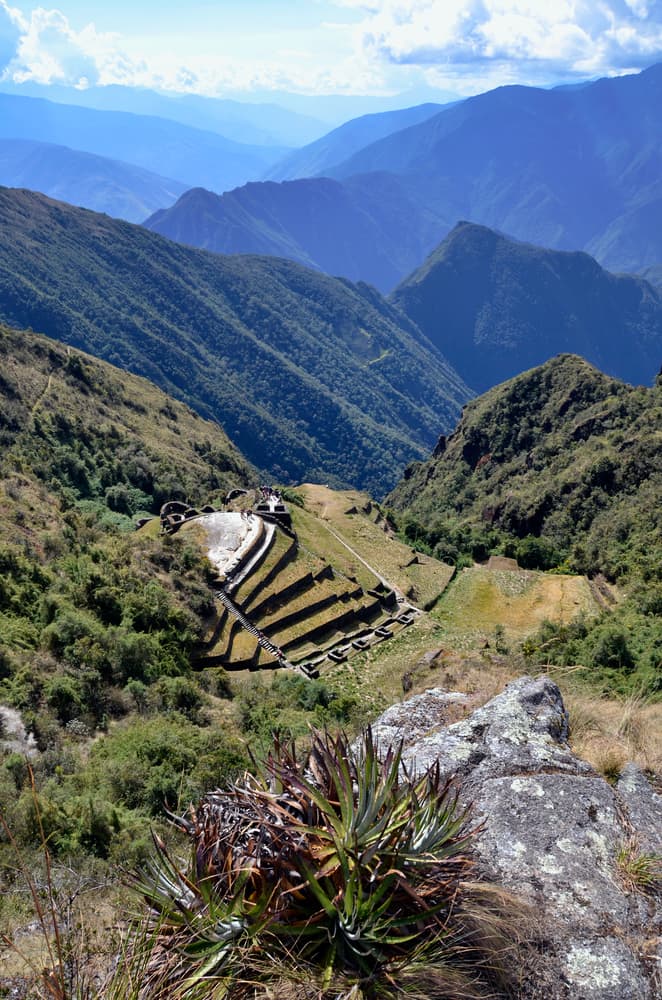
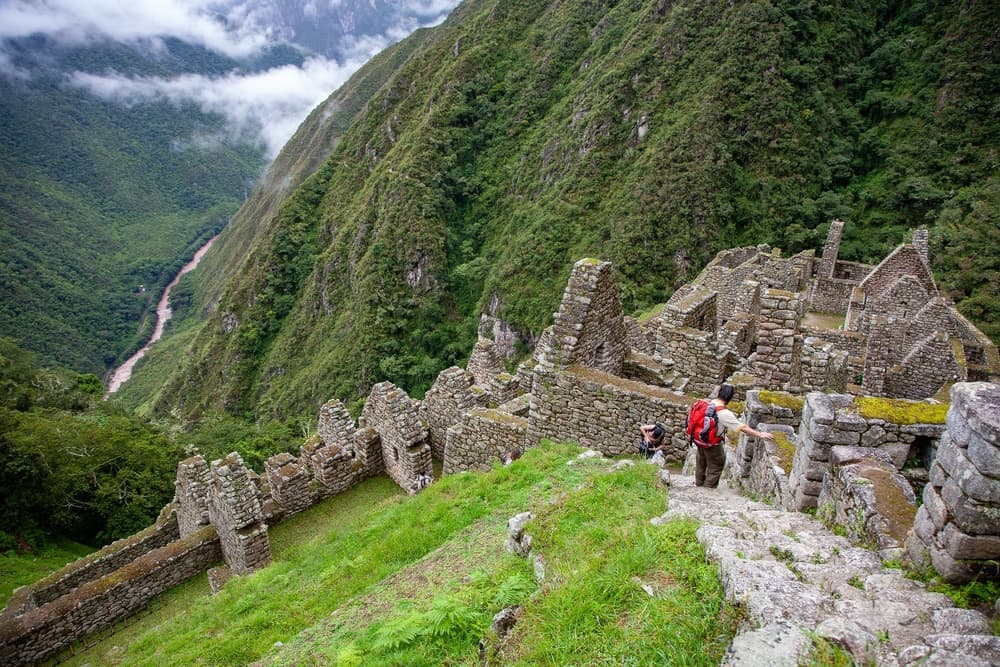
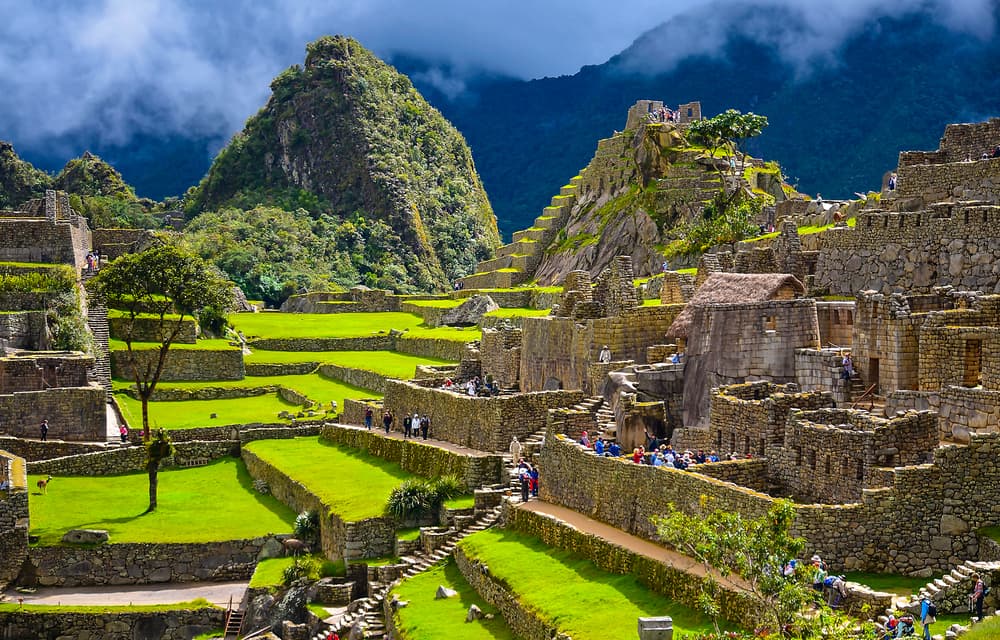
The Inca Trail showcases Peru's most spectacular combination of natural beauty and archaeological wonders. The route passes multiple well-preserved Inca ruins including Llactapata, Runkurakay, Sayacmarca, and Phuyupatamarca. The famous Sun Gate (Inti Punku) provides the dramatic first glimpse of Machu Picchu, with most trekkers timing their arrival for sunrise illumination of the ancient citadel. Cloud forests harbor diverse wildlife, including spectacled bears, mountain cats, and over 400 bird species.
Culture and History
The Inca Trail represents far more than just a hiking path – it formed part of the Qhapaq Ñan, the extensive road network spanning over 40,000 kilometers that connected the vast Inca Empire from Colombia to Chile. This particular section served as a pilgrimage route to Machu Picchu, likely reserved for Inca nobility and high-ranking officials traveling to this sacred royal estate. Machu Picchu itself remains one of archaeology's greatest mysteries, built around 1450 CE during the reign of Inca emperor Pachacuti and mysteriously abandoned during the Spanish conquest. The site's function continues to be debated, with theories ranging from royal retreat to astronomical observatory to spiritual center. The precision of its construction, using massive granite blocks fitted without mortar, demonstrates technological achievements that continue to astound engineers today. Local Quechua communities maintain strong connections to their Inca heritage, with traditional farming techniques, textile production, and spiritual practices continuing in remote mountain villages. The trail passes through territories where ancient customs persist, including reverence for mountain spirits (apus) and traditional agricultural cycles tied to celestial observations.
Geology
The Inca Trail traverses one of the world's most geologically dramatic regions, crossing the eastern slopes of the Andes Mountains where ancient granite intrusions create the spectacular peaks surrounding Machu Picchu. The distinctive granite formations of Machu Picchu and surrounding peaks formed deep beneath the Earth's surface millions of years ago, later exposed through erosion and tectonic uplift. This granite provided the massive building blocks that Inca stonemasons carved with remarkable precision, creating structures that have withstood centuries of earthquakes and weathering. Glacial activity carved the dramatic valleys and cirques visible throughout the trek, while ongoing erosion continues to shape the landscape through seasonal rainfall patterns. The area's geological instability occasionally manifests in landslides and rockfall, particularly during the rainy season, reminding trekkers of the dynamic forces that created this spectacular but challenging terrain.
Essential Gear
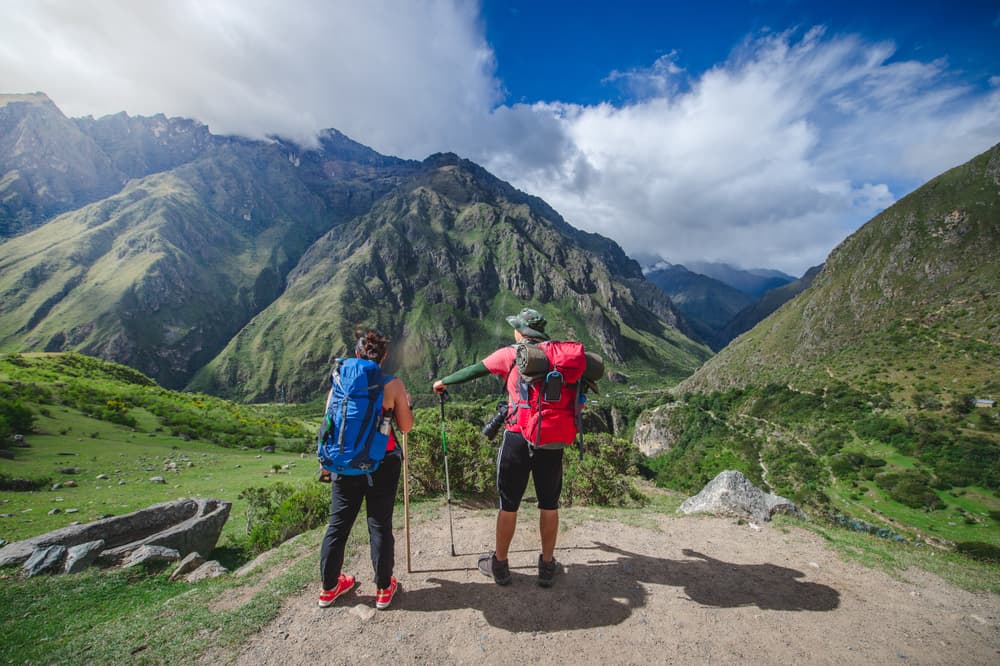
Essential gear for the Inca Trail must account for highly variable weather conditions and challenging terrain. Sturdy, waterproof hiking boots with excellent ankle support prove crucial for ancient stone steps that can become slippery when wet, especially during the frequent afternoon rain showers. Breaking in boots thoroughly before the trek prevents painful blisters during long hiking days. Weather protection requires comprehensive rain gear, including a waterproof jacket and pants, as afternoon thunderstorms occur regularly during both dry and wet seasons. A four-season sleeping bag rated to at least -5°C (23°F) proves essential, as temperatures can drop significantly at high-altitude campsites, particularly at Pacaymayu (3,600m) after crossing Dead Woman's Pass. Layering systems must accommodate dramatic temperature variations from tropical conditions in cloud forests to near-freezing temperatures at high passes. Quick-dry hiking pants, moisture-wicking base layers, and insulating mid-layers allow adaptation to changing conditions throughout each day. Trekking poles prove invaluable for the steep stone steps and challenging descents, particularly the long descent from Dead Woman's Pass. A reliable headlamp with extra batteries becomes essential for the pre-dawn start on day four, while backup lighting prevents dangerous situations if delays occur after dark.
Accommodation
The Inca Trail operates under strict permit limitations, with only 500 people allowed per day including tourists, guides, and porters. This means approximately 200 permits are allocated for tourists daily, making advance booking absolutely essential for securing spots on this world-famous trek. Accommodation consists of designated camping areas at Wayllabamba (3,000m), Pacaymayu (3,600m), and Wiñay Wayna (2,650m), where trekkers sleep in personal tents provided by tour operators. These campsites offer basic facilities, including pit toilets and sometimes basic shelters, but no running water or electricity. Most operators provide dining tents where meals are served communally. All trekkers must book through licensed operators – independent hiking is prohibited. Tour operators handle permits, provide camping equipment, meals, guides, and porters, with costs typically ranging from $400-800 USD depending on group size and service level.
Food and Water
All meals on the Inca Trail are provided by tour operators, with skilled camp cooks preparing surprisingly elaborate meals using portable kitchens. Typical menus include traditional Peruvian dishes adapted for trekking, featuring quinoa soups, fresh vegetables, rice dishes, and local specialties that provide necessary energy for challenging hiking days. Breakfast typically includes porridge, eggs, bread, and hot beverages, while lunches feature hearty soups and sandwiches. Dinners often surprise trekkers with multi-course meals including soup, main course, and sometimes dessert, all prepared at remote campsites using basic equipment. Vegetarian and dietary restrictions can usually be accommodated with advance notice. Water sources include natural springs and streams, though all water must be purified before consumption. Most tour operators provide boiled water at meals, while trekkers should carry water purification tablets or filtration systems for refilling bottles between stops. Staying well-hydrated proves crucial at high altitude, where dehydration accelerates altitude sickness symptoms.
Navigation
The Inca Trail follows well-established stone pathways, and route-finding is handled primarily by licensed guides who must accompany all groups. The ancient trail remains clearly defined throughout most sections, though some areas require careful navigation where multiple paths converge or weather conditions reduce visibility. Licensed guides possess extensive knowledge of trail conditions, safety protocols, and emergency procedures, making independent navigation unnecessary for most trekkers. However, understanding the general route proves valuable for planning and appreciating the journey's progression through different ecological zones and archaeological sites.
Safety and Risk Management
High-altitude trekking presents significant risks requiring constant awareness and proper preparation. Altitude sickness becomes a real risk on the Inca Trail, especially on day two when reaching the highest altitude of 4,215 meters. Proper acclimatization in Cusco (3,400m) for at least 2-3 days before starting the trek helps reduce altitude-related complications. The ancient stone steps become treacherous when wet, requiring careful foot placement and concentration throughout the trek. Trekking poles prove essential for maintaining balance and reducing stress on knees during steep descents. Emergency evacuation from remote sections can be extremely difficult and expensive, making comprehensive travel insurance mandatory. Licensed guides carry first aid equipment and maintain radio communication with base operators for emergency situations. However, serious injuries or altitude sickness may require helicopter evacuation at costs exceeding $10,000 USD, emphasizing the importance of proper preparation and insurance coverage.
Permits and Fees
The Inca Trail requires advance permits with only 500 people allowed daily, including all staff, making this one of the world's most regulated hiking trails. Permits cannot be purchased directly by individuals – all bookings must be made through government-licensed tour operators who handle the complex permitting process. Booking should be done 5+ months ahead, or even a year ahead for peak season dates. Permit costs are included in tour operator packages, which typically range from $400-800 USD depending on group size, service level, and included amenities. These packages include permits, camping equipment, meals, guides, and porters. Additional costs include train transportation from Cusco to the trailhead, return bus tickets from Machu Picchu to Aguas Calientes, and the train back to Cusco. Machu Picchu entrance fees are typically included in tour packages, but should be confirmed when booking. The trail closes annually during February for maintenance and environmental protection, with no permits issued during this period. Peak season demand (May-September) requires earlier booking, while shoulder seasons (April and October) offer slightly better availability but variable weather conditions.
Featured checkpoints
Piscacucho
Peru
Wayllabamba
Peru
Abra de Warmiwañusca (Dead Woman’s Pass)
Peru
Runkurakay
Peru
Valley of Pacaymayu
Peru
Phuyupatamarca
Peru
All stops on this route
Inca Trail to Machu Picchu: common questions
How long is Inca Trail to Machu Picchu?
Inca Trail to Machu Picchu covers 42 km in total.
How long does Inca Trail to Machu Picchu take to complete?
Most people complete Inca Trail to Machu Picchu in about 4-5 days.
When is the best time to do Inca Trail to Machu Picchu?
The best season for Inca Trail to Machu Picchu is Summer, Spring, Fall.
How many checkpoints does Inca Trail to Machu Picchu have?
Inca Trail to Machu Picchu has 10 checkpoints to log on the way to finishing it.