
Challenge
Epirus hiking itinerary: Zagori to the Vjosa
Epirus, Greece and southern Albania
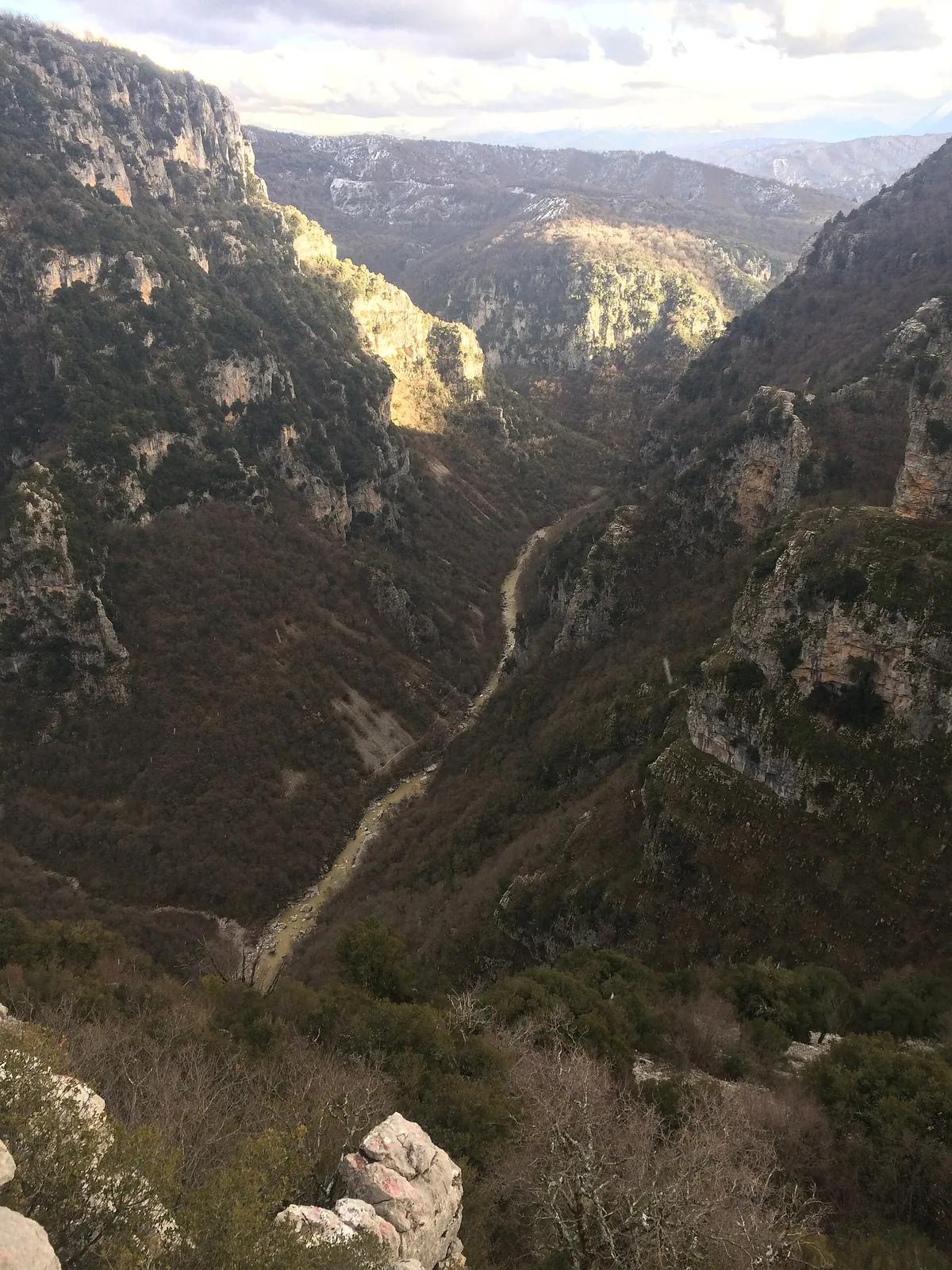
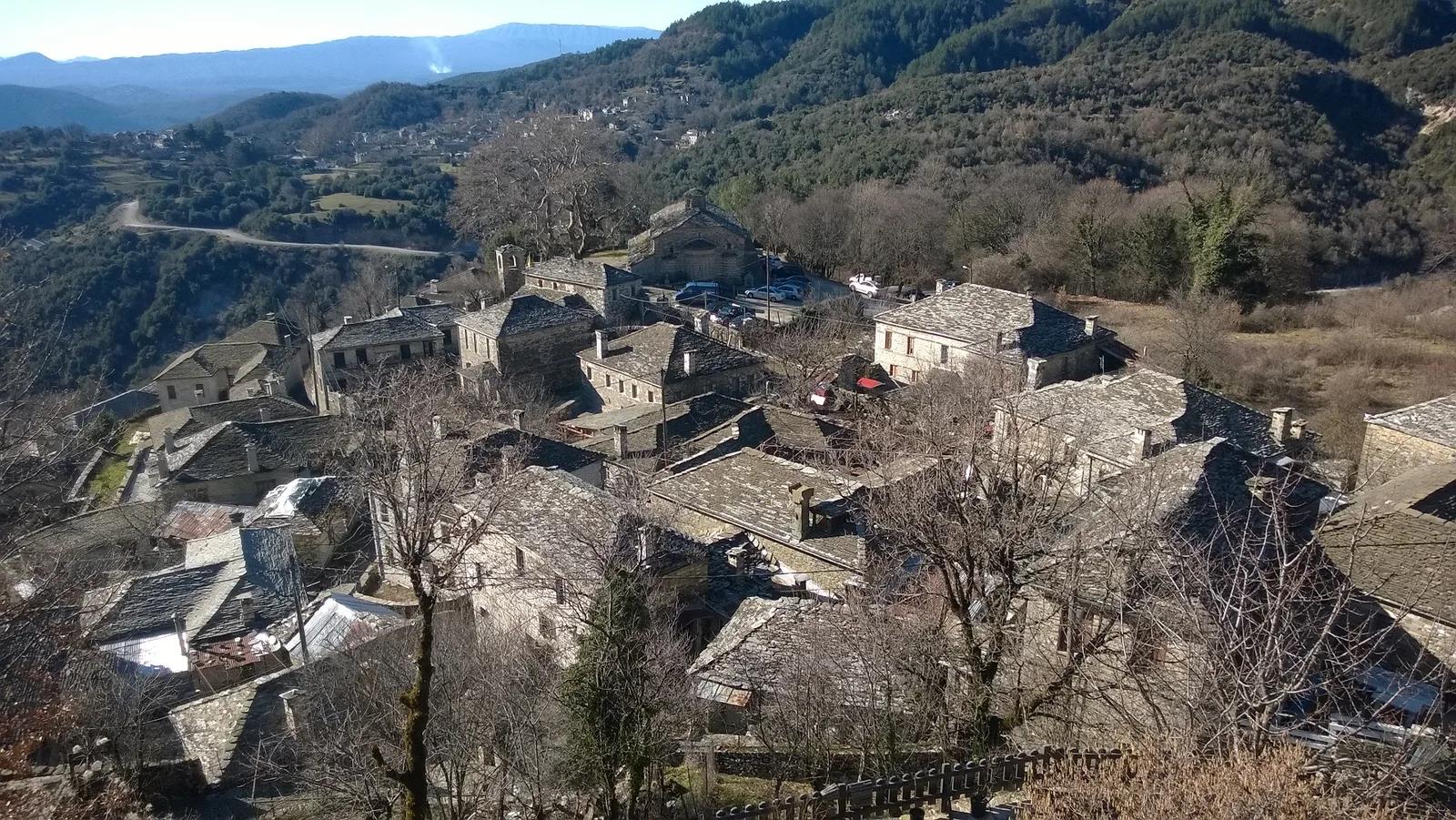
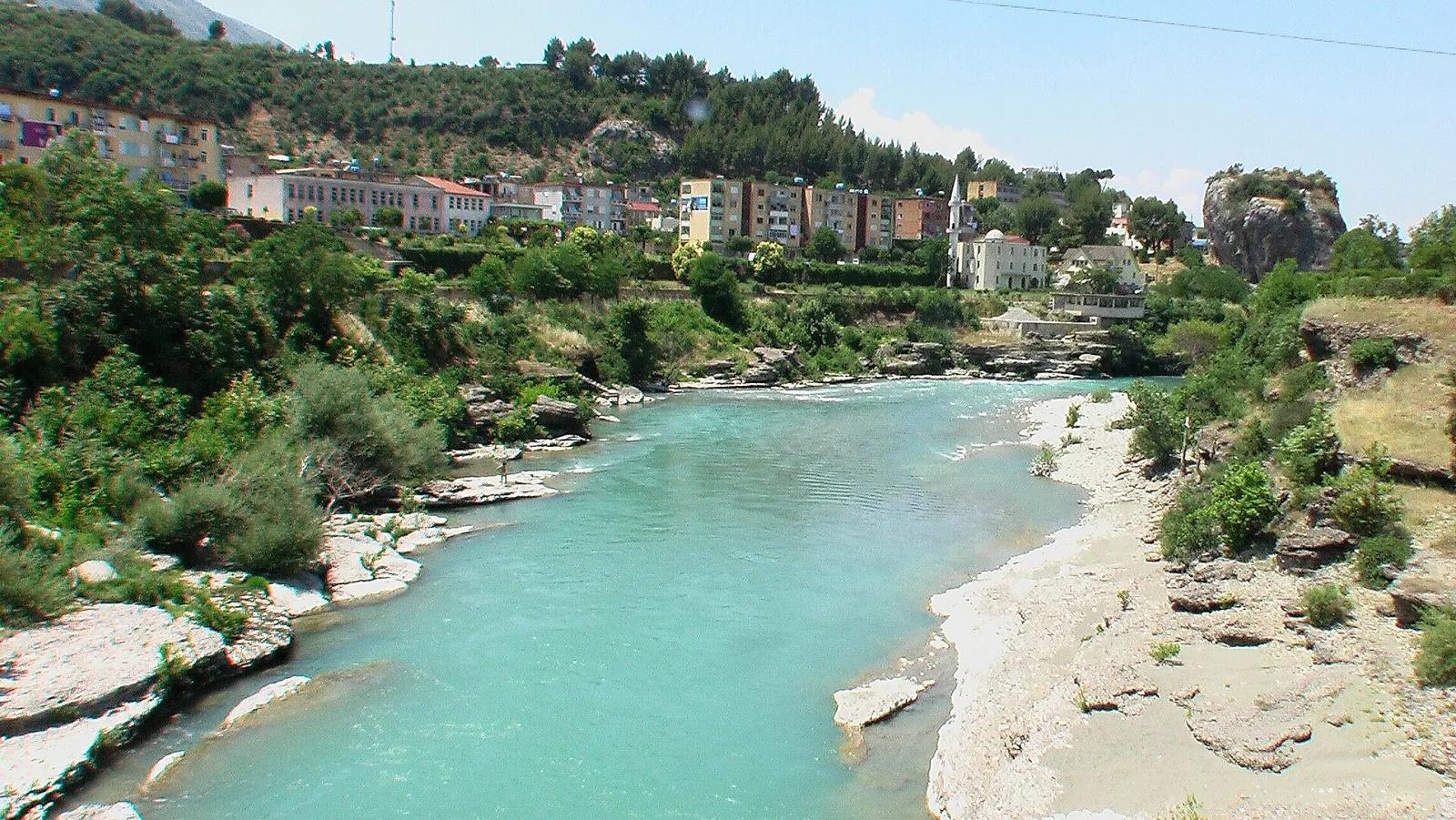
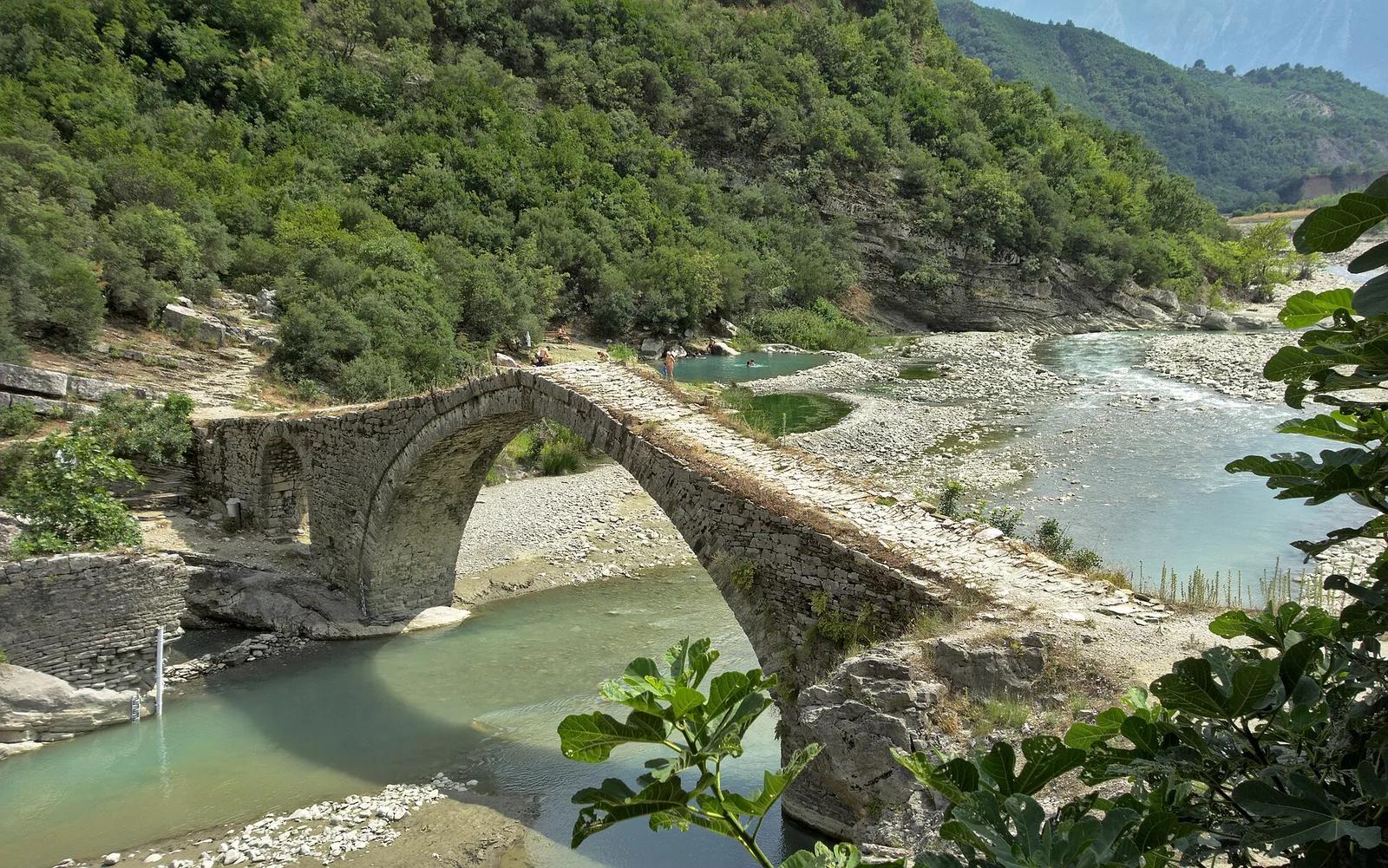
About this challenge
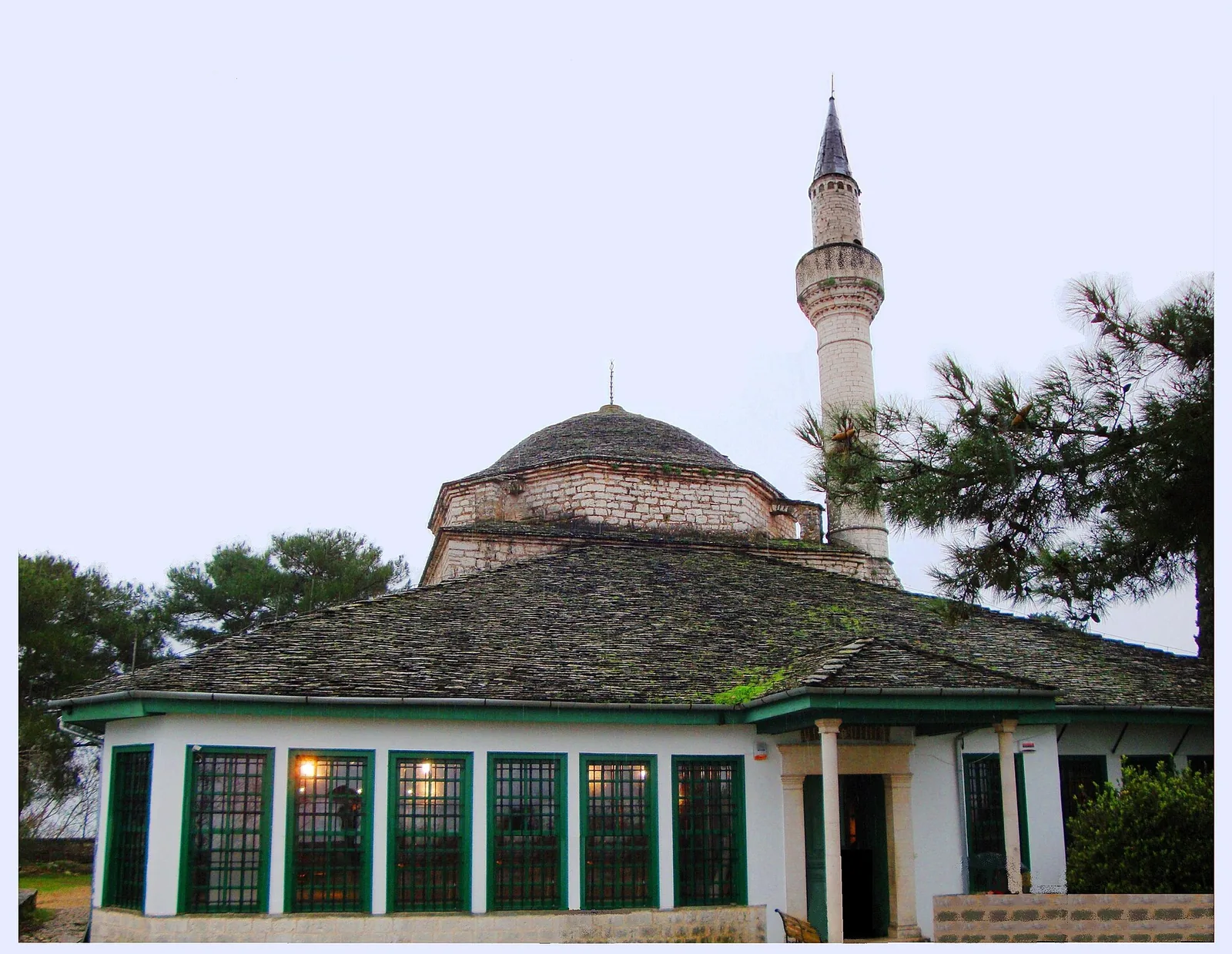
Plan a 10–12-day Greece–Albania hiking itinerary: Zagori, Vikos Gorge, Përmet and Bënjë thermal baths, with road transfers and optional Vjosa rafting. The full quest visits eight places, from Ioannina to Bënjë. Walk between Zagori’s villages, spend a full day in Vikos Gorge and choose whether to add an Astraka refuge overnight. Then travel through Konitsa to three nights beside the Vjosa in Përmet. The gorge needs a full hiking day; the optional mountain outing adds sustained ascent. Plan stays, luggage and road connections before setting off. The map gives place references and the order of the journey; use the linked walking guides and current local advice to navigate. Its connecting lines do not verify a walkable trail. Rafting, the refuge and local excursions are optional when recording your visits. The 7–8-day Greek chapter ends in Konitsa; completing the full quest also includes Përmet and Bënjë.
Quick facts
- Checkpoints
- 8
Overview
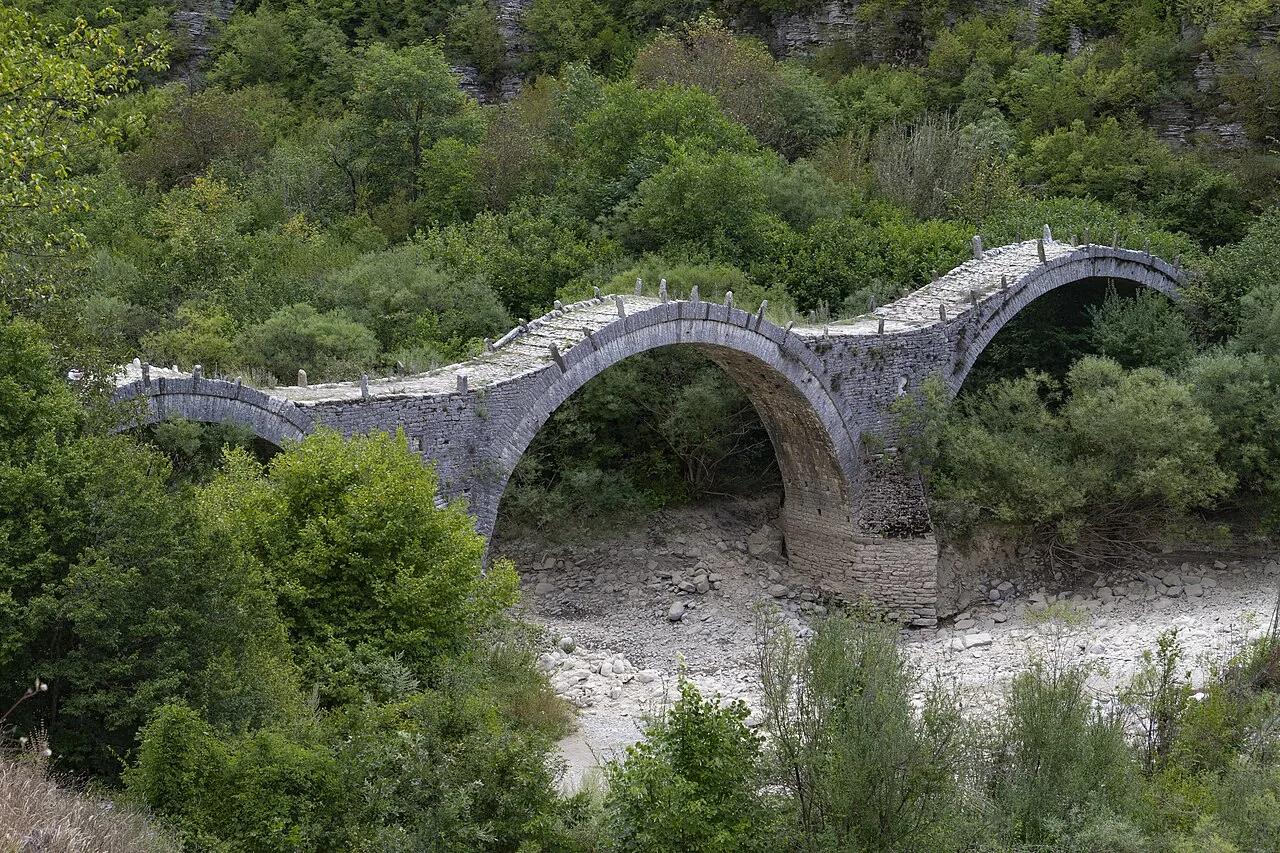
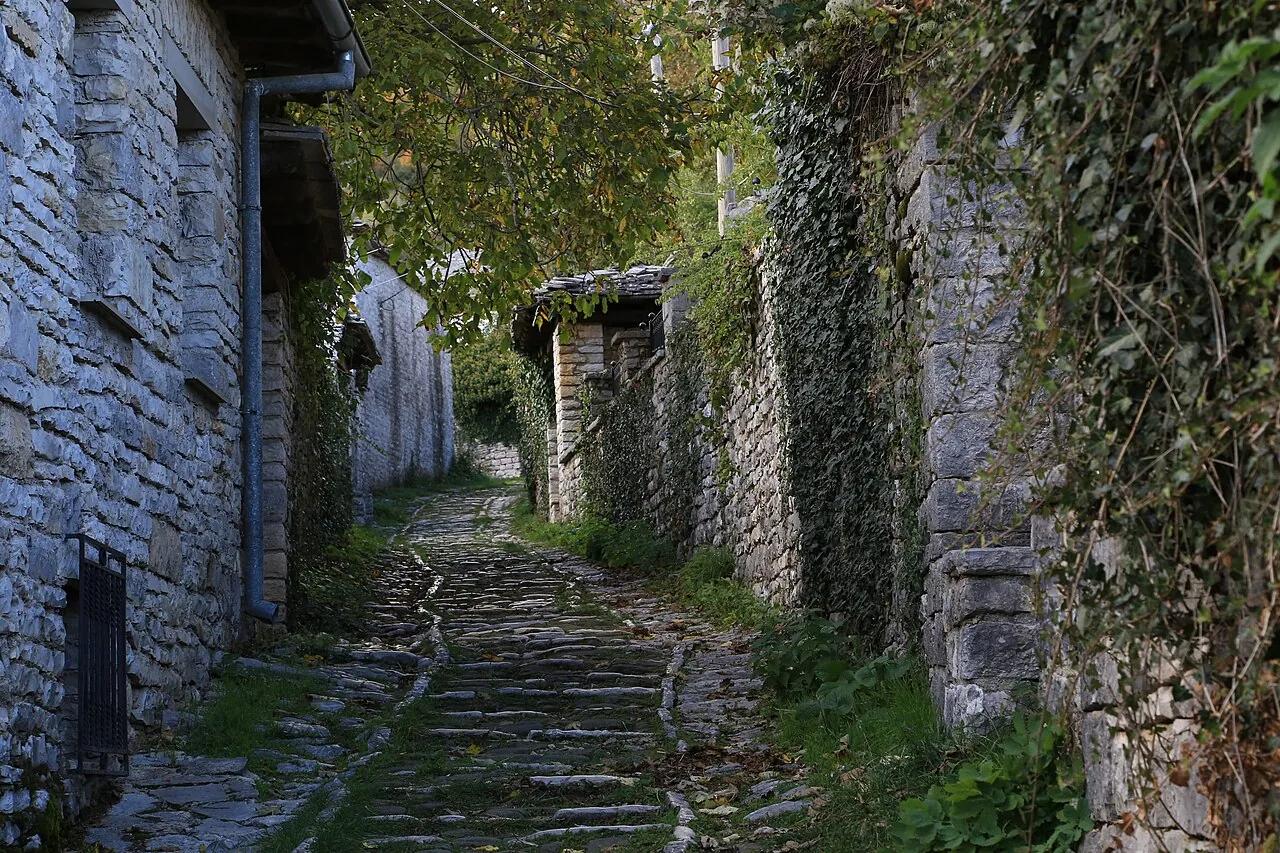
Walk between Zagori’s stone villages, descend into Vikos Gorge and spend time beneath the mountains of Tymfi. Then follow the journey north through Konitsa into southern Albania, where Përmet offers a river stay, guided Vjosa rafting and Bënjë’s thermal baths. The thread is the relationship between stone, water and the people who live here: paths and bridges between communities, a mountain refuge, a river town and one final Ottoman arch above the Lëngarica. UNESCO describes Zagori’s bridges, staircases and village squares as parts of a living cultural landscape. Give the places between the famous views time of their own. This is a Wyld Quest itinerary assembled from published walking routes and road connections. The map shows eight place references and the order of the journey. Connecting lines are planning links, not navigation tracks. Use the linked route guides and current local advice for the walking days.
Who it is for
For walkers who want village stays, cultural detail and substantial days outside, with a change of pace on the river at the end. The gorge is a full hiking day. The Astraka and Dragon Lake option adds sustained mountain walking; you can keep those days in Papigo instead. You can also replace a walking leg with an arranged transfer when conditions or energy call for it. Rafting is a separate guided activity whose suitability depends on your group and the river that day. Choose it with the operator, rather than treating it as a compulsory checkpoint.
Choose your trip and dates
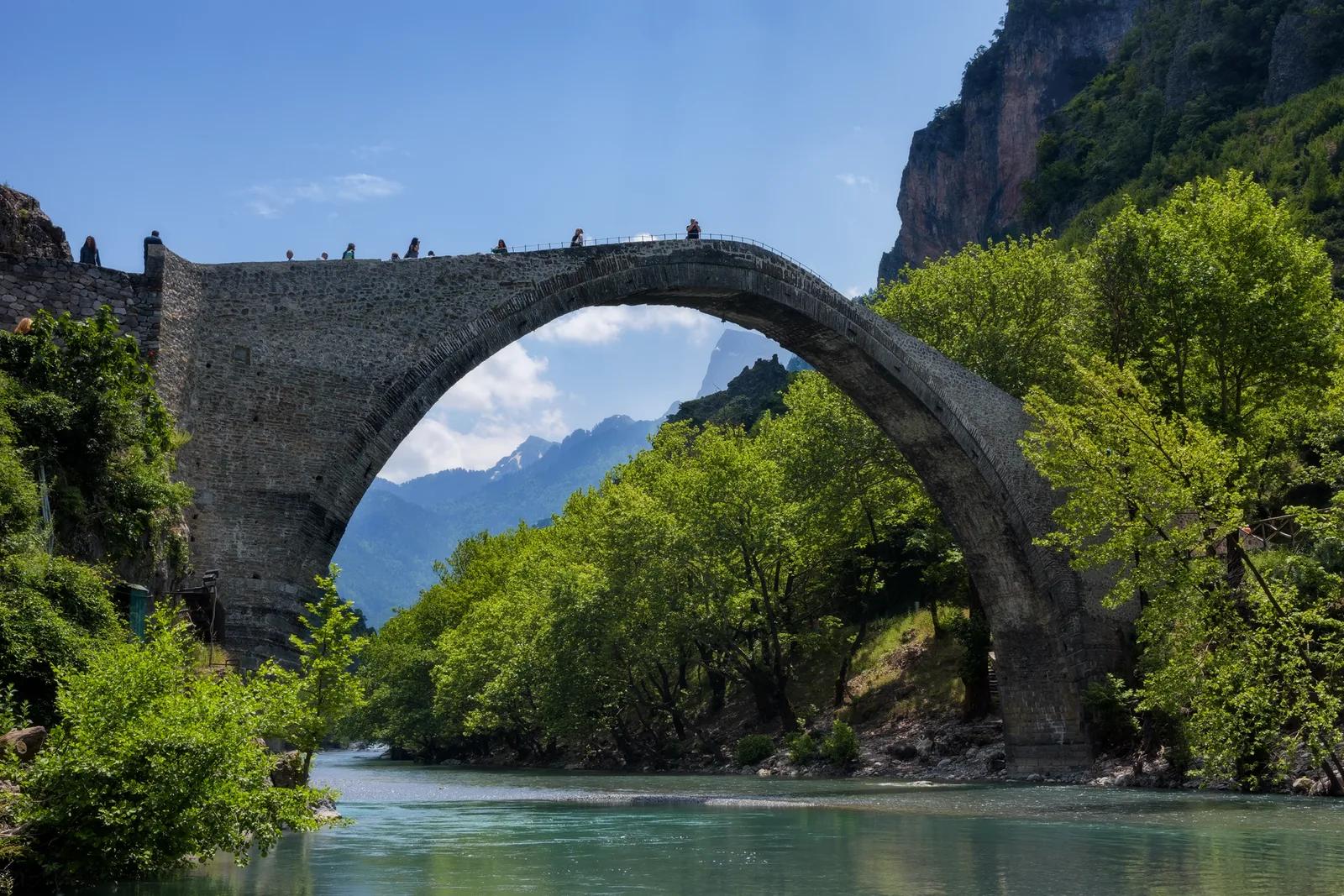
Allow 10–12 days for the full Greece–Albania journey. The twelve-day example includes an Astraka refuge overnight; omit the two mountain days for a ten-day version, or use them for shorter outings in Papigo. Both versions visit the same eight places. The 7–8-day Greek chapter follows the first six places and finishes in Konitsa. You can use it as a shorter travel plan and keep that progress; the full quest is completed after visiting all eight places in order. Rafting, bathing, Vradeto, the refuge and Dragon Lake are choices within the stops. Choose dates around the highest part you want to walk, then check accommodation and any hut reservation. Confirm the international road transfer and luggage plan before committing to the complete journey. Reserve rafting with your chosen operator once the Përmet dates are settled. Leave room in the plan for weather and onward travel.
Zagori to Përmet: a 12 day hiking itinerary
Allow 7–8 days for the Greek chapter, or 10–12 days for the journey through Përmet. These are suggested trip allocations. The example below is twelve days and eleven nights, with a mountain overnight; stays, guides and transport are arranged separately. Day 1: arrive through Ioannina, transfer to Kipi and stay in Kipi. Stay in Ioannina instead if your arrival is late, adding a day as needed. Day 2: walk the village paths from Kipi toward Monodendri through the Koukouli and Vitsa area. Stay in Monodendri. Day 3: an outing to the Vradeto steps and Beloi, returning to Monodendri. Choose the shorter approach from Vradeto if preferred. Day 4: walk Monodendri–Vikos through the gorge. Stay in Vikos village or use a pre-arranged pickup. Day 5: continue toward Mikro Papigo, with time in the Papigo villages. Stay in your chosen Papigo village. Days 6–7: optional climb to Astraka refuge, one night at the hut, a Dragon Lake outing when suitable, and descent to Papigo. Allow enough daylight for the lake’s return walk and the descent. Stay in Papigo on the second night. Day 8: road transfer to Konitsa, with time for the bridge and an Aoos walk. Stay in Konitsa. Day 9: arranged road transfer across the Greece–Albania border to Përmet. Settle in for three nights. Day 10: optional guided rafting on the Vjosa, or time in Përmet. Stay in Përmet. Day 11: Bënjë’s thermal baths and Kadiu Bridge as a road outing from Përmet. Return to the same base. Day 12: onward travel, arranged separately. For a ten-day version, omit the two mountain days. For a Greek-only visit, finish in Konitsa and arrange your return connection. Add a further night for Gjirokastër rather than squeezing it into the river days.
Getting around Zagori: walks, transfers and luggage
The walking sequence is Kipi → Monodendri, Monodendri → Vikos village, and Vikos village → Mikro Papigo. Vradeto and Beloi are an excursion from the Monodendri stay. The refuge and Dragon Lake are an optional return outing from Mikro Papigo. Use road transfers from Ioannina to Kipi, from Papigo to Konitsa, from Konitsa to Përmet, and for the Bënjë day trip. Our Papigo–Konitsa connection is by road even if you choose the mountain overnight. Arrange the Vradeto transfers and each rafting pickup separately. Reserve your overnight bases before agreeing the luggage plan. Ask for an itemised quote identifying the people, bags, pickup and finish for each road leg. If using a rental car, resolve its collection at the end of a walking stage and obtain the company’s written cross-border permission where applicable. No through-transfer or luggage service is included in this itinerary.
Crossing from Greece to Albania: Konitsa to Përmet
Arrange the international road leg in advance. Mertzani, also written Mertzanis, and Tre Urat are the proposed crossing pair for this journey. Confirm that your carrier can use the passenger crossing on your date, the opening hours, the required travel documents and any vehicle or insurance conditions. A border office listing does not establish those details for your trip. The official office reference is https://itdb.un.org/public/officeShow/3303?lang=en The Aoos continues in Albania as the Vjosa, but this itinerary does not trace a continuous riverbank path over the border. Read the Vjosa–Aoos River Ecomuseum for the shared natural and cultural context: https://med-ina.org/project/vjosa-aoos-river-ecomuseum/
Përmet: Vjosa rafting and Bënjë thermal baths
Keep at least two full days around Përmet after the border day. Give guided Vjosa rafting its own place in the plan, and visit Bënjë on a separate day with time for the bridge and thermal baths. Bënjë is on the Lëngarica, a different outing from your operator’s Vjosa rafting course. Two local operators to contact are Vjosa Explorer and Rafting Vjosa Albania. Their websites advertise guided trips; choose and book directly after discussing your group, water conditions, the exact meeting point, river equipment, transfers and cancellation arrangements. Bring the kit your operator requests, usually swimwear, a towel, dry clothes and suitable water shoes. https://vjosaexplorer.com/tour/vjosa-rafting-tour/ https://raftingvjosa.al/contact-us/ Before the Bënjë outing, check current road, bridge and pool access locally in Përmet. Follow the arrangements and signs in place at the springs. A canyon excursion takes separate planning around river and weather conditions. Leave space for Përmet itself: a river walk, a meal and local gliko. With extra time, Leusë and its painted Church of Saint Mary make an optional cultural outing. Check church access locally: https://bashkiapermet.gov.al/kisha-leuse/
When to hike Zagori and visit Astraka refuge
Choose your dates around the highest part you want to walk. Late spring and early autumn are starting points for planning the village-and-gorge journey, with the final choice guided by local weather and conditions. The high mountain option depends on snow, daylight and the refuge’s actual announced season. Astraka refuge describes a general May–October operating period, with exact opening and closing dates announced each year. Its approach from Mikro Papigo involves roughly 1,000 m of ascent over almost 6 km uphill; Dragon Lake is another roughly 1½ hours away, one way. Confirm the overnight reservation and the day’s conditions before setting out. Carry enough water for your plan instead of relying on the springs. https://www.astrakarefuge.com/en/faq.html For the gorge, check current access and weather, carry your navigation and water, and leave time for the climb to Vikos village. A published route description gives orientation, not a live trail report. https://vikosaoosgeopark.com/en/route/monodendri-vikos/ The Northern Pindos National Park prohibits swimming in its rivers and lakes and highlights the vulnerability of the dragon lakes. Enjoy these places from the paths and shore. Bënjë’s thermal baths are a separate Albanian stop with their own local access arrangements. https://www.pindosnationalpark.gr/en/activities/swimming/
Walking guides and booking contacts
Choose a current navigation source for each walking day, and check conditions with your accommodation, guide or the relevant local service. These links open the published route descriptions and direct operator contacts. Kipi–Monodendri: Topoguide describes the route from Monodendri to Kipi; use it with a suitable navigation source for walking in reverse. https://www.topoguide.gr/Epirus_Trail/routes/EpirusTrail_Monodendri_Kipi_en.php Kapesovo–Vradeto Steps–Beloi: the Geopark’s longer excursion description. https://vikosaoosgeopark.com/en/route/rock-of-the-cave-of-the-well/ Monodendri–Vikos Gorge–Vikos village: the Geopark’s walking description. https://vikosaoosgeopark.com/en/route/monodendri-vikos/ Vikos village–Mikro Papigo: Topoguide describes the opposite direction. https://www.topoguide.gr/mountains/epirus/advs_zagori/routes/Zagori_Papigo_Vikos_en.php Astraka refuge: opening dates, approach and reservation information. https://www.astrakarefuge.com/en/faq.html Vjosa rafting: discuss the trip and suitability directly with a local operator. https://vjosaexplorer.com/tour/vjosa-rafting-tour/ https://raftingvjosa.al/contact-us/
An extra day in Gjirokastër
Add Gjirokastër as a separate road extension after the Përmet stay. Give its bazaar, stone-roofed houses and castle setting an additional day and night. It lies in the Drinos valley, so treat it as a new cultural chapter with its own transfer. UNESCO introduces the historic centre: https://whc.unesco.org/en/list/569/ The Gjirokastra Foundation explains its architecture: https://gjirokastra.org/gjirokastra/architecture/
Featured checkpoints
Ioannina
Greece
Kipi
Greece
Monodendri
Greece
Vikos village
Greece
Mikro Papigo
Greece
Konitsa
Greece
All stops on this route
- 1. Ioannina
- 2. Kipi
- 3. Monodendri
- 4. Vikos village
- 5. Mikro Papigo
- 6. Konitsa
- 7. Përmet
- 8. Bënjë thermal baths and Kadiu Bridge