
Camino Portugués
Portugal, Spain
About this journey
The Camino de Santiago, also known as the Way of St. James, is a legendary pilgrimage trail leading to the shrine of the apostle St. James in Santiago de Compostela, Spain. The most popular route, the Camino Francés, begins in Saint-Jean-Pied-de-Port, France, and stretches across the north of Spain. Pilgrims pass through stunning landscapes, medieval towns, and spiritual landmarks. It’s not just a physical journey but also an emotional and cultural one, offering community, solitude, and insight. People walk for religious reasons, personal growth, or simply to enjoy one of Europe’s most iconic long-distance treks.
Quick facts
- stops
- 31located
- shape
- crossing
- high point
- 400meters
- total distance
- 643 km
- best season
- Summer, Spring, Fall
- avg completion
- 1-2 months
Loading your progress…
Map and itinerary
Journey overview
8 of 31 stops. Open the full itinerary to explore any stop.
- Stop 01Portugal
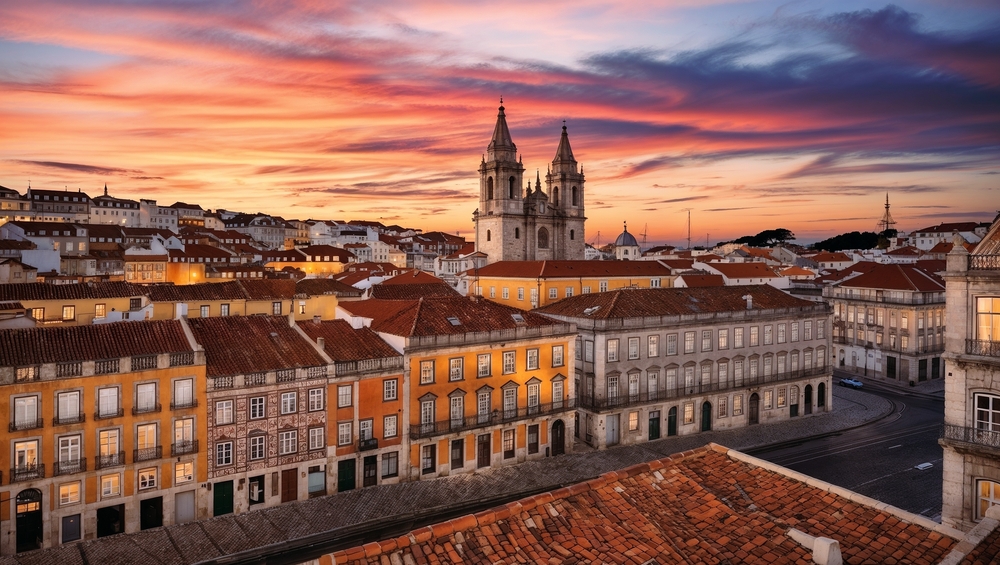
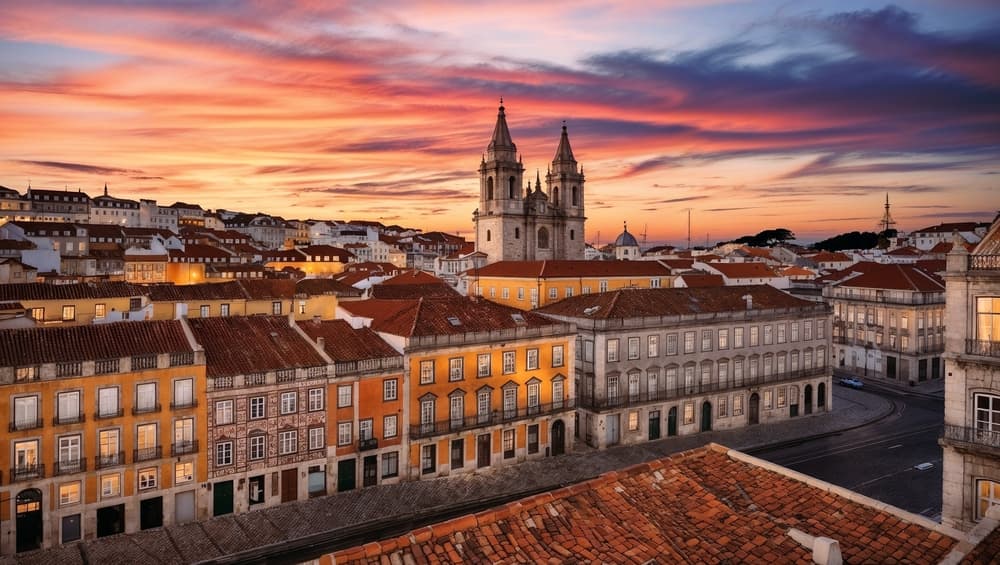
Departing from Lisbon, pilgrims traverse urban landscapes, historical sites, and the scenic banks of the Tagus River. The initial stages provide a mix of city life and natural beauty, setting the tone for the journey ahead.
- Stop 03Portugal
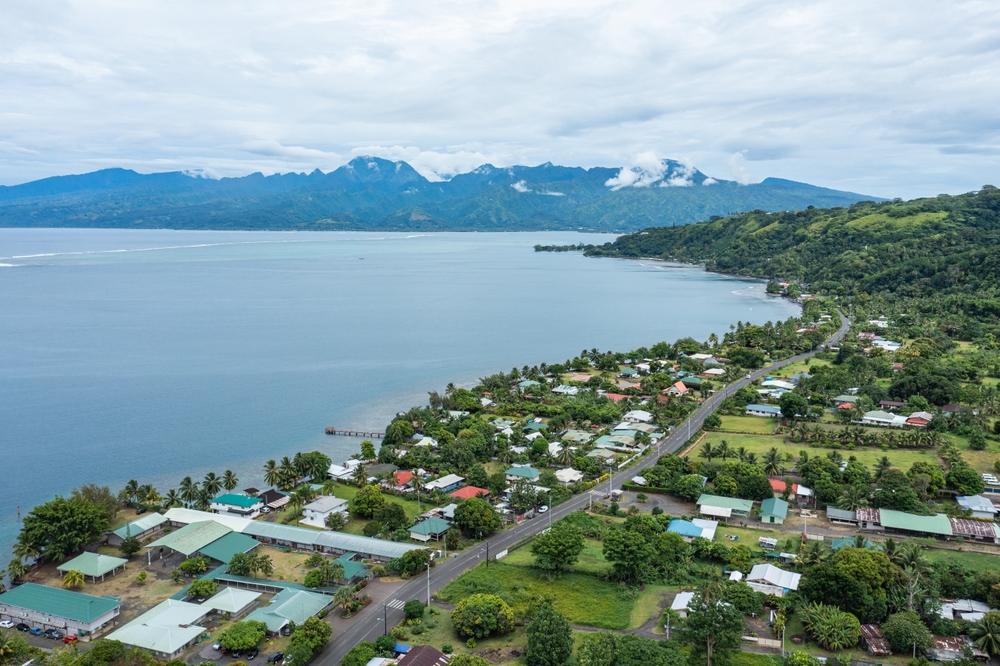
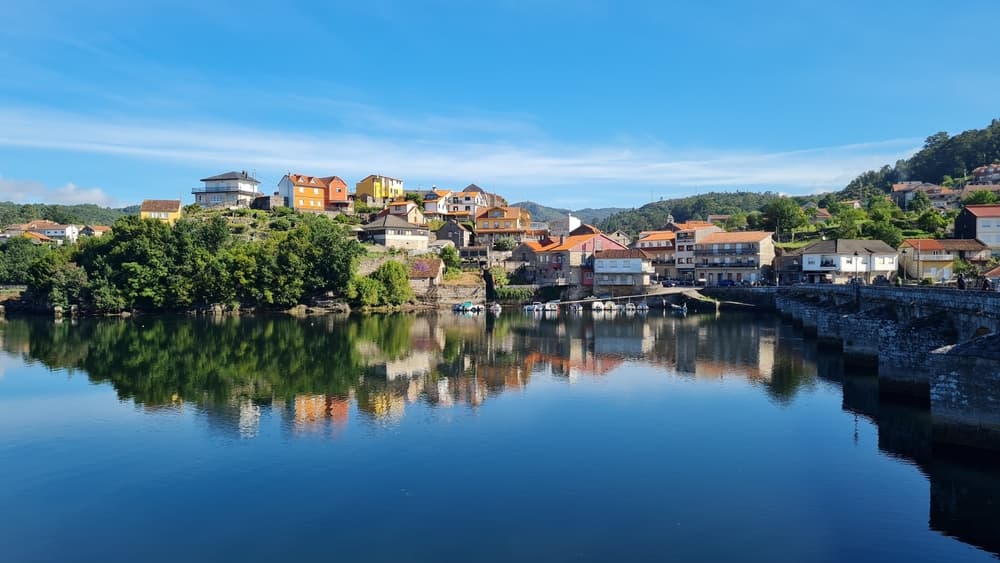
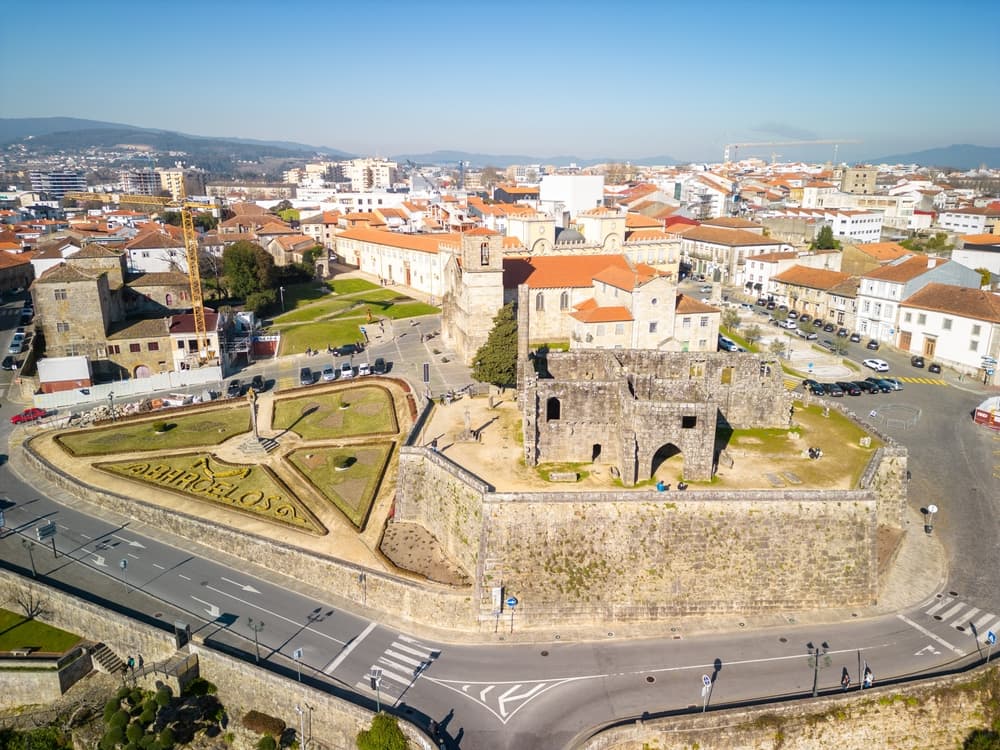
Vairão is a peaceful rural town in northern Portugal known for its quiet roads and historic Benedictine Monastery. It’s a serene and spiritual resting point for pilgrims, offering accommodations and a chance to reflect amidst vineyards and traditional architecture.
- Stop 08Portugal
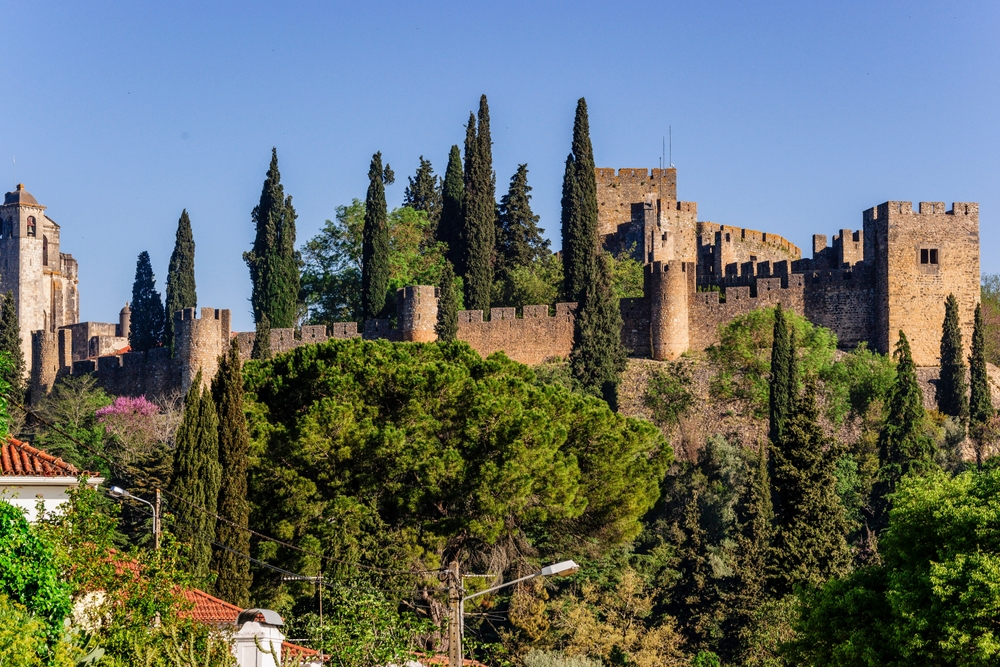
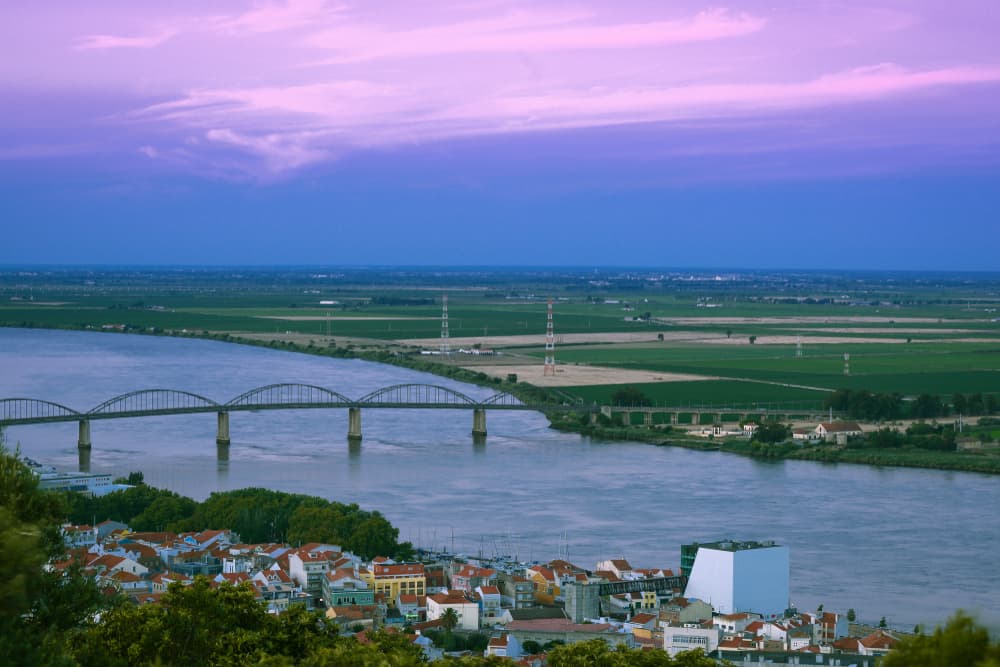
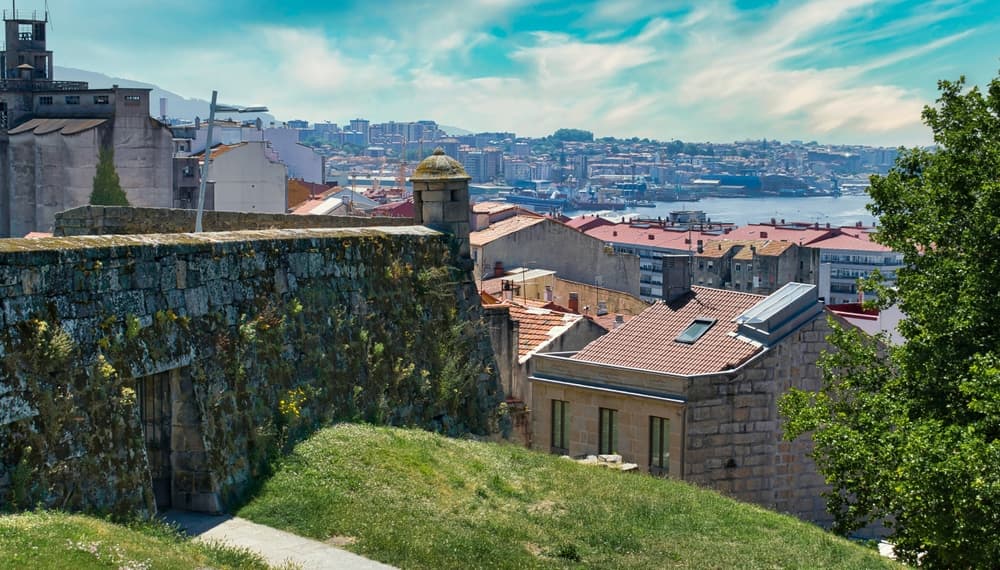
Perched on a plateau overlooking the Tagus River, Santarém is renowned for its Gothic architecture and historical significance. The city offers panoramic views and a wealth of cultural landmarks.
- Stop 13Portugal
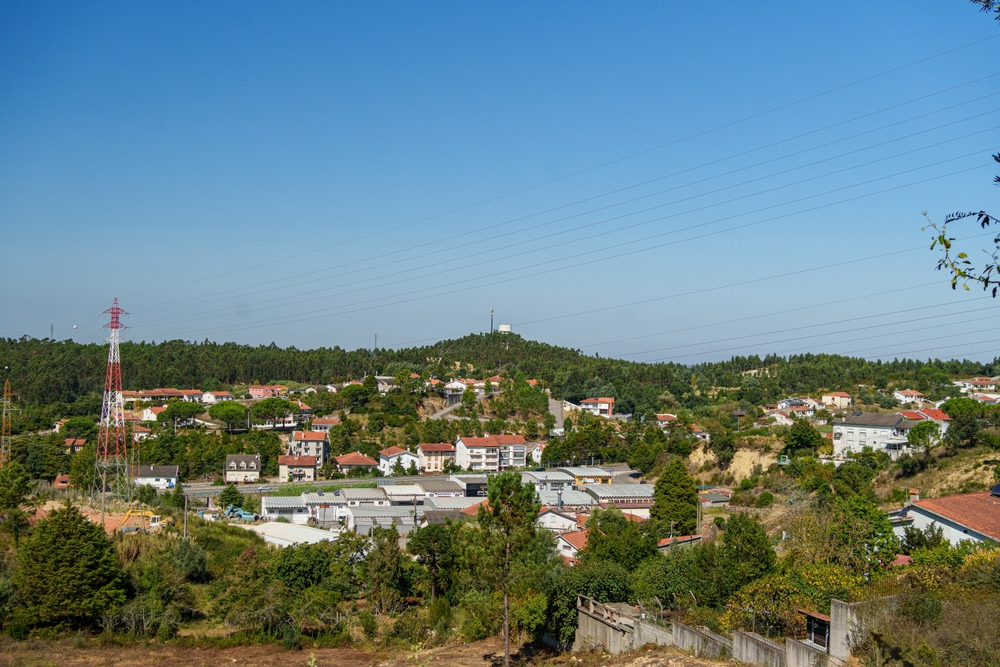
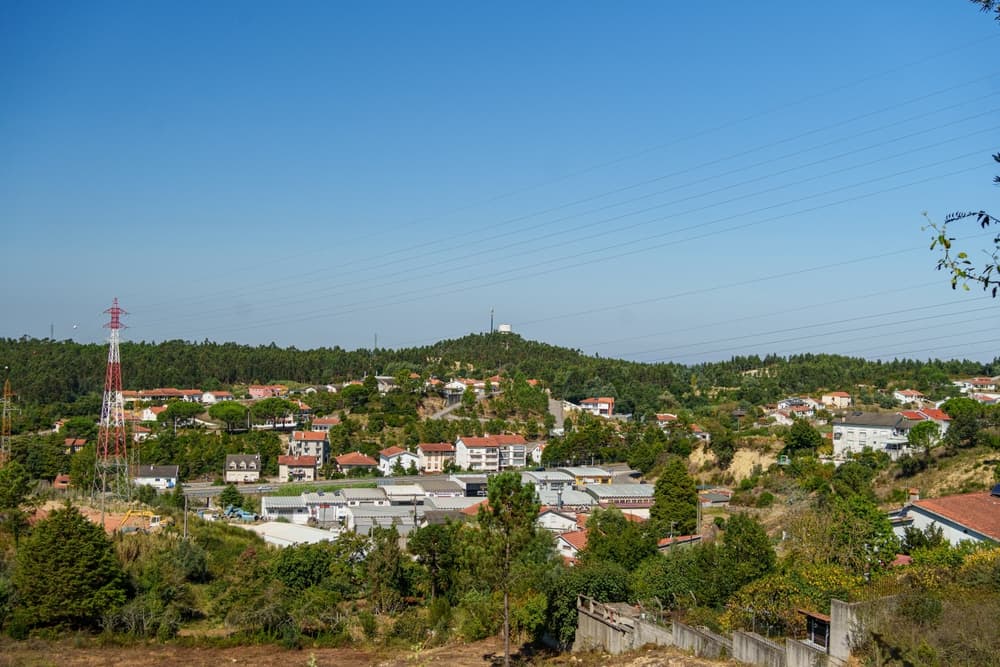
Alvaiázere is a quaint town nestled in the Leiria District of central Portugal. Known for its rolling hills and olive groves, it offers pilgrims a serene environment to rest and reflect. The town's traditional architecture and local cuisine provide a glimpse into rural Portuguese…
- Stop 18Portugal
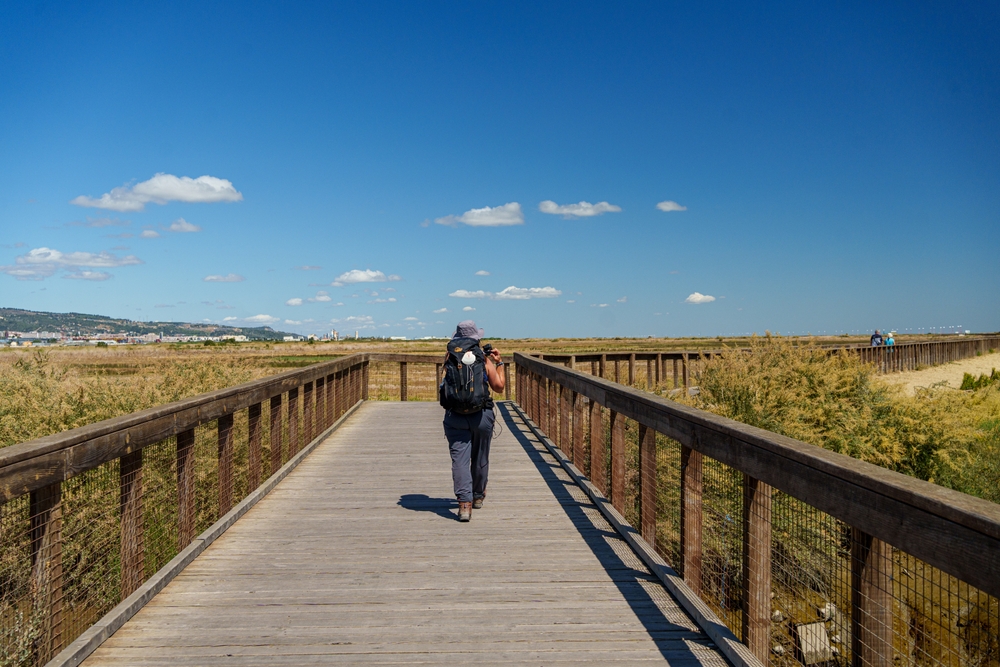
Albergaria-a-Velha is a town with deep historical roots, often associated with the early support systems for pilgrims, as "Albergaria" suggests a place of lodging. The town offers a mix of historical sites and natural beauty.
- Stop 23Portugal
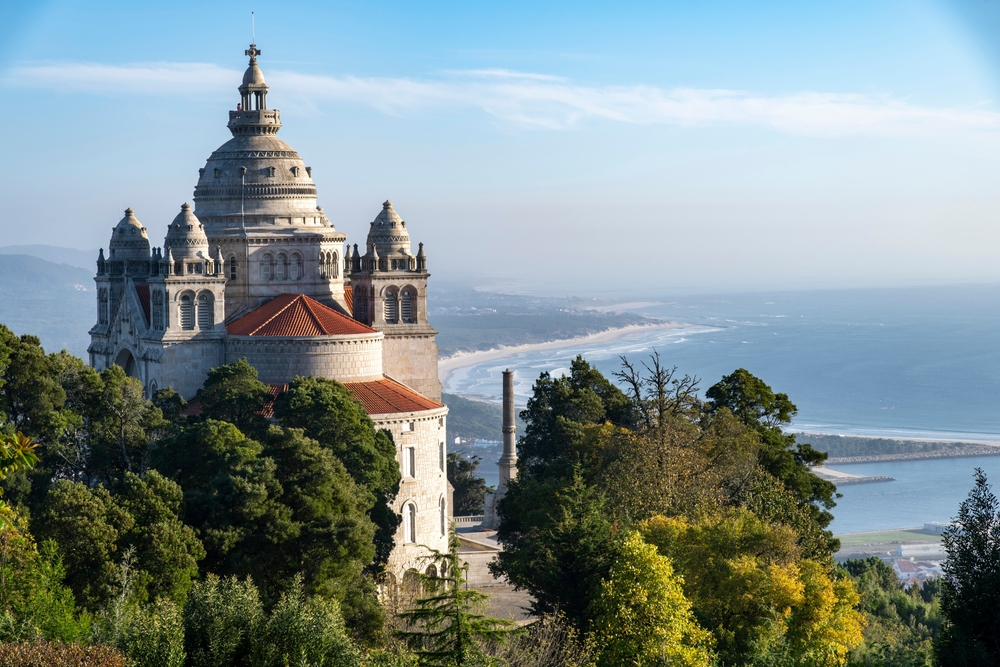
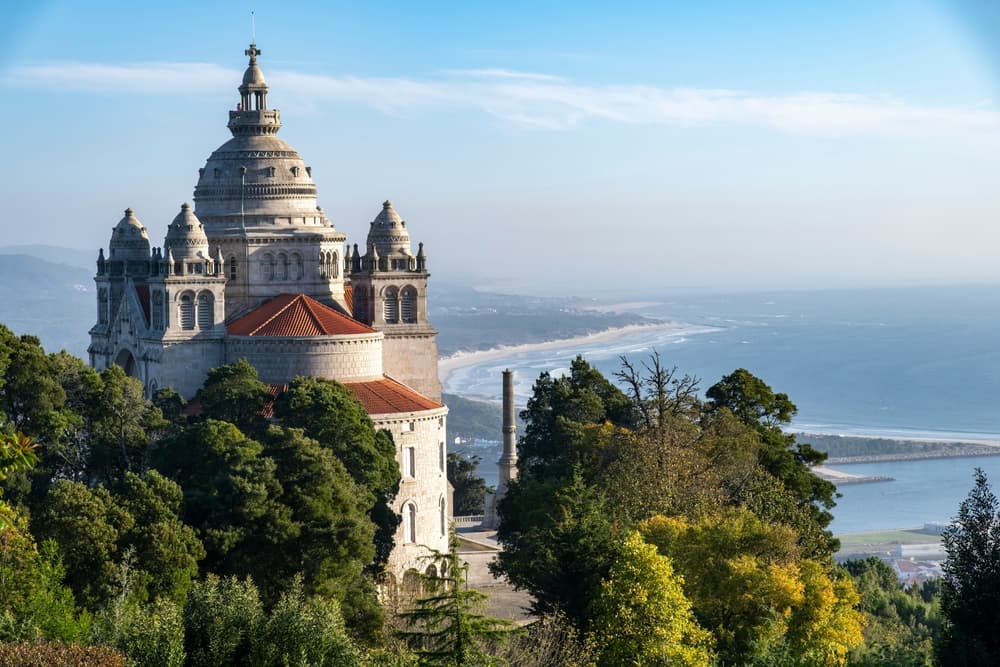
Viana do Castelo is a picturesque city known for its rich maritime history, ornate architecture, and the stunning Basilica of Santa Luzia perched atop a hill, offering panoramic views of the region.
- Stop 28Spain
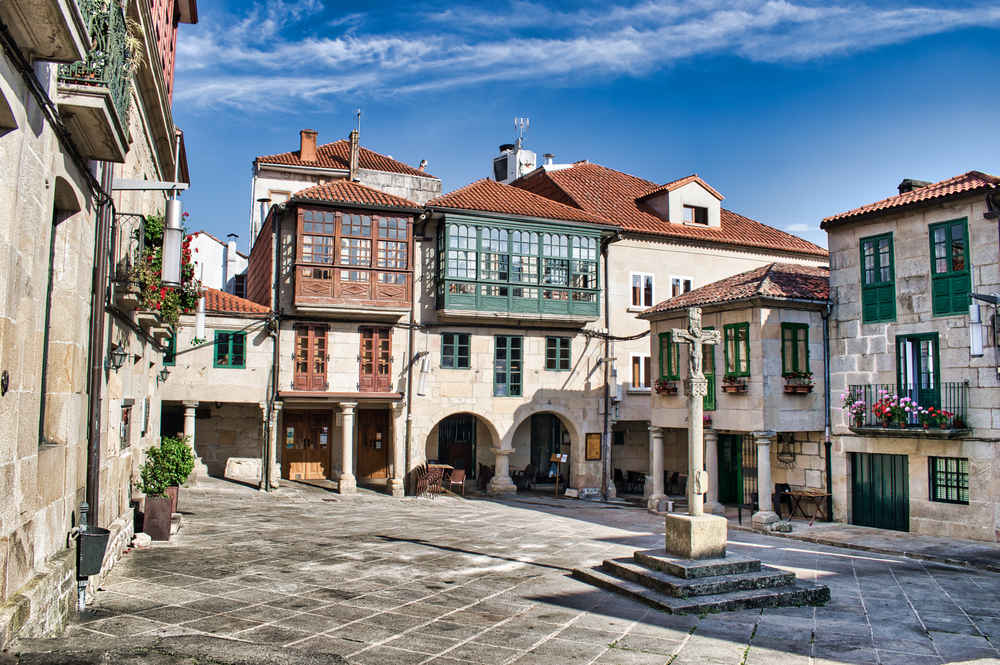
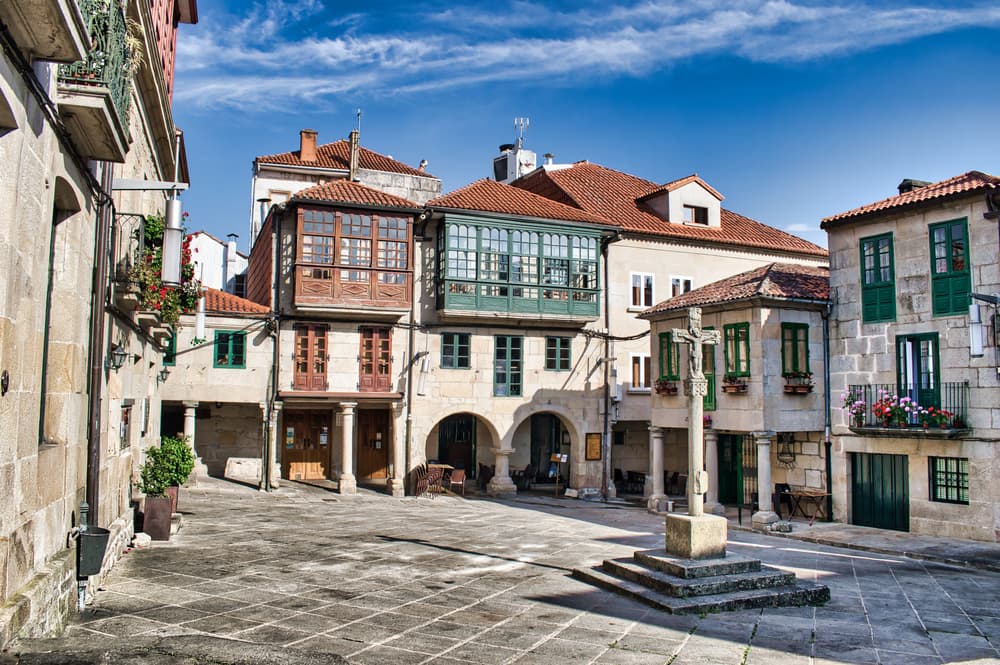
Pontevedra is a city celebrated for its well-preserved old town, pedestrian-friendly streets, and vibrant squares. The city's commitment to sustainability and urban planning makes it a pleasant stop for pilgrims.
- Stop 31Spain
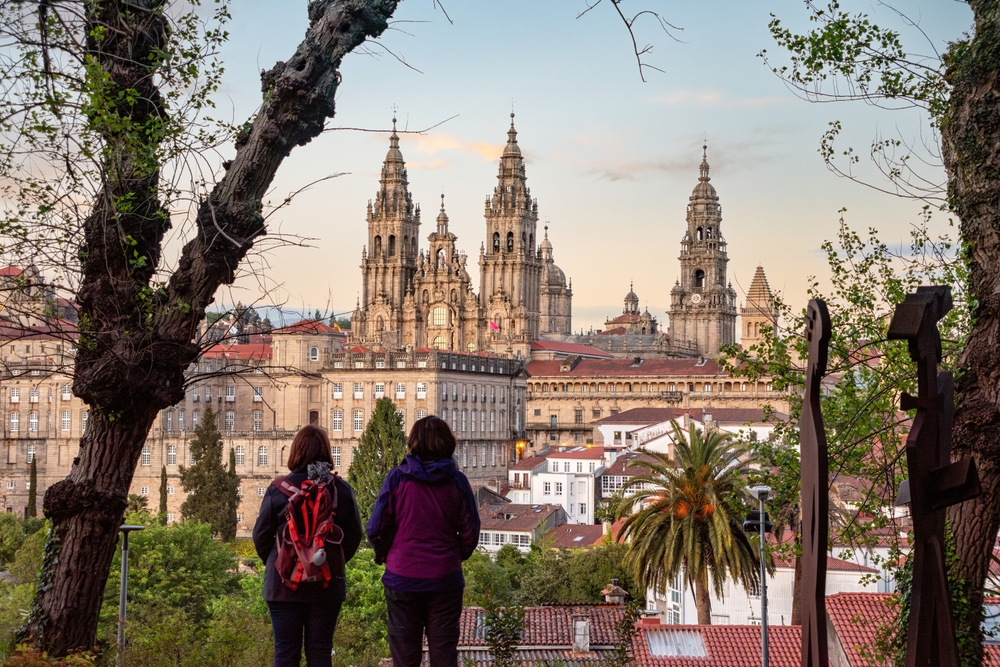
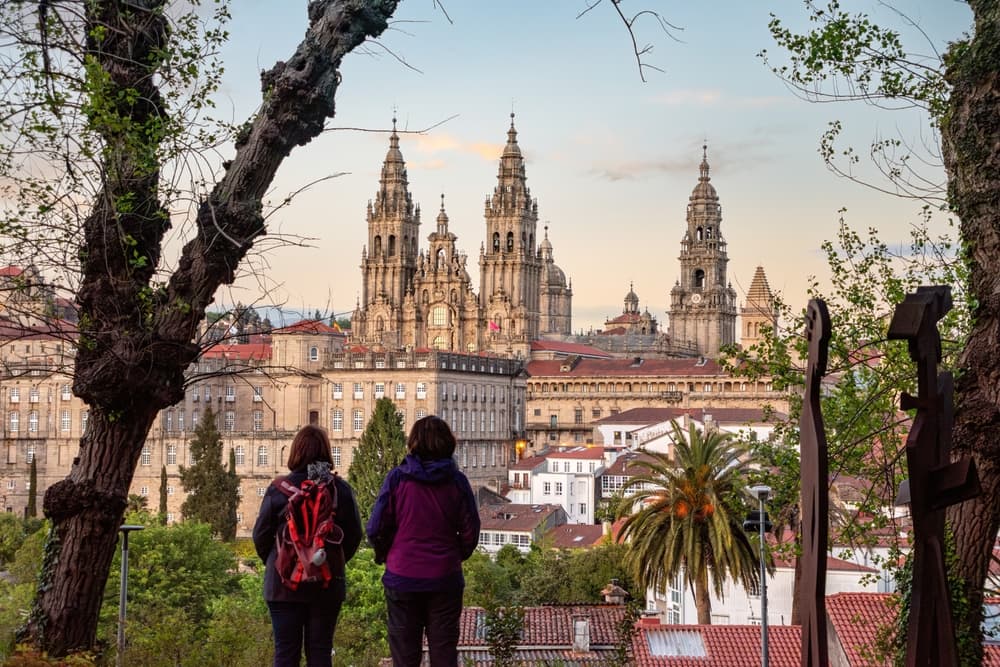
Santiago de Compostela is the ultimate destination of the Camino de Santiago and the resting place of St. James the Apostle. A UNESCO World Heritage Site, it blends medieval grandeur with spiritual significance. The city’s historic center, dominated by the magnificent cathedral,…
You can explore the itinerary while it loads.
Dotted lines show itinerary order, not a trail or driving route. Select a pin to read its place in the itinerary.
Statistics and Elevation Profile
End: Santiago de Compostela Cathedral (260m / 853ft) Highest point: Alto de Portela Grande (400m / 1,312ft) on the Central Route Popular section: Porto to Santiago - 242km / 150 mi over 10-12 days The complete Camino Portugués route spans 620km / 385mi from Lisbon to Santiago de Compostela, with approximately 8,300m / 27,200ft of total elevation gain, making it a moderate undertaking suitable for most reasonably fit hikers. Most pilgrims choose shorter sections, with the Porto to Santiago segment being most popular. The terrain remains relatively gentle compared to other Camino routes, with most elevation changes gradual and manageable. According to the Pilgrim's Reception Office in 2024 more than 34% (120,000 people) of all pilgrims who arrived in Santiago de Compostela walked this route. A typical daily stage covers 20-25km with moderate elevation changes of 200-400 meters.
Highlights and Landmarks
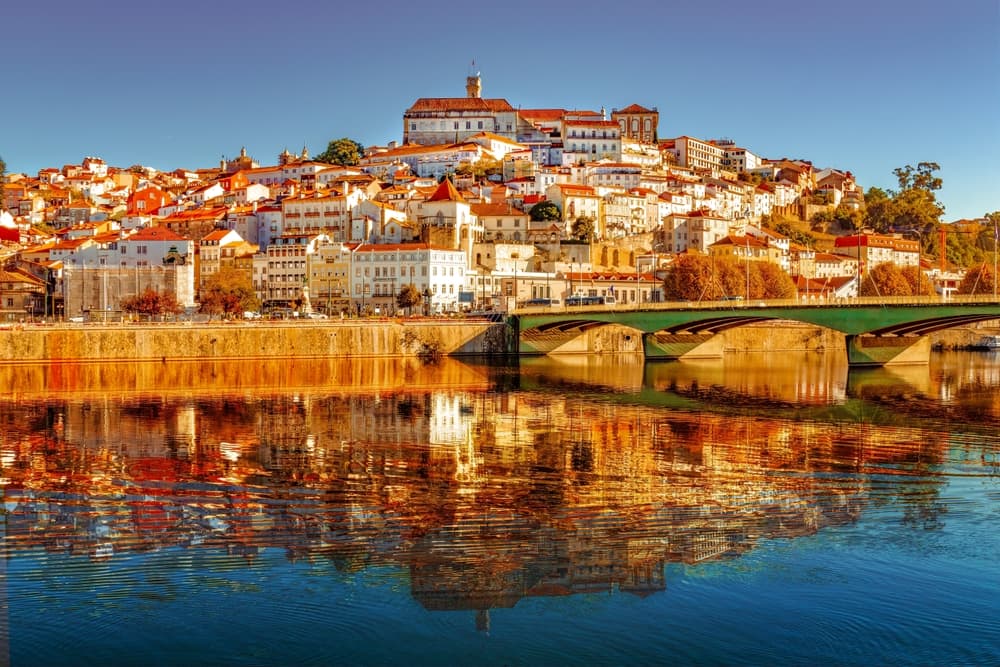
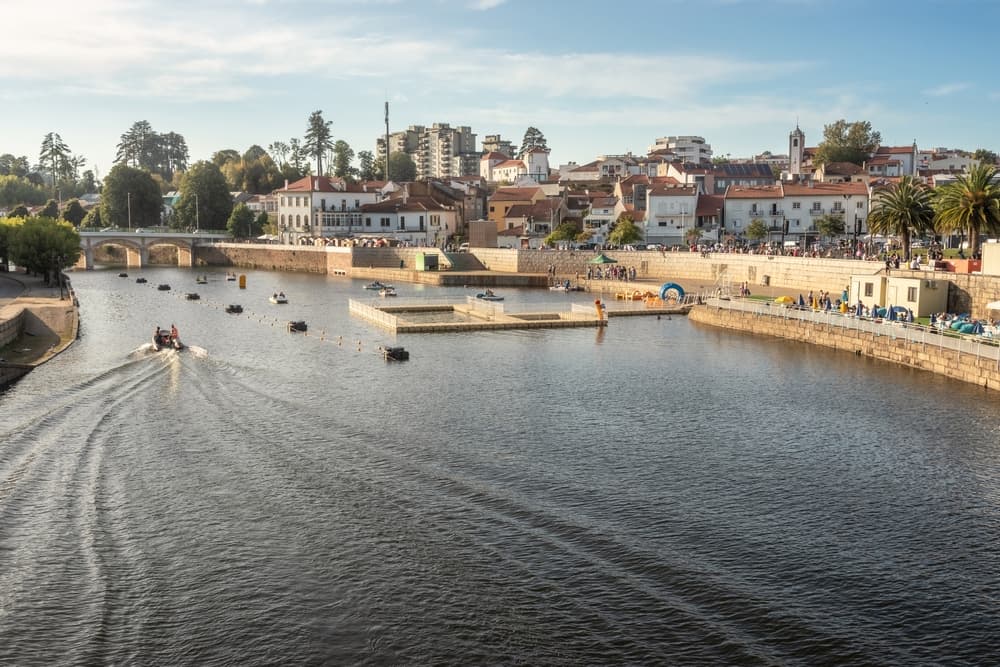
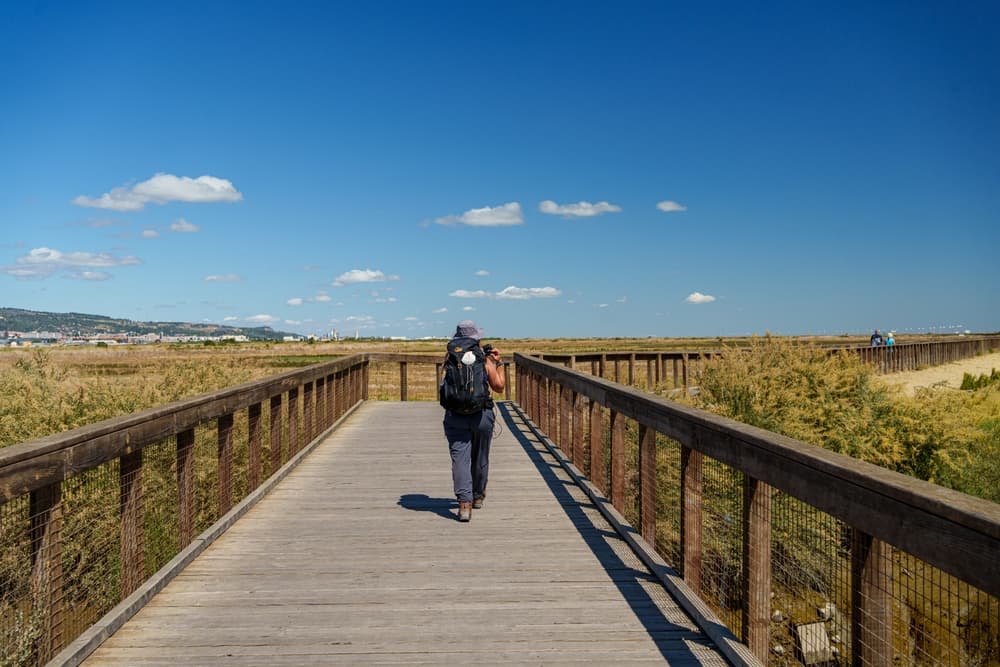
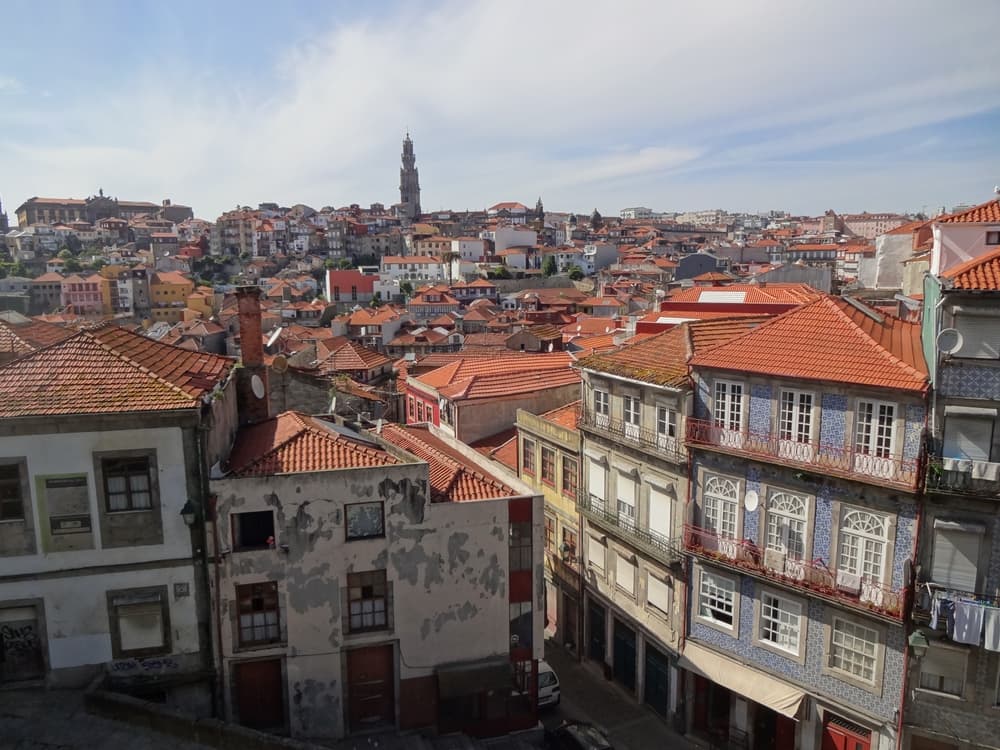
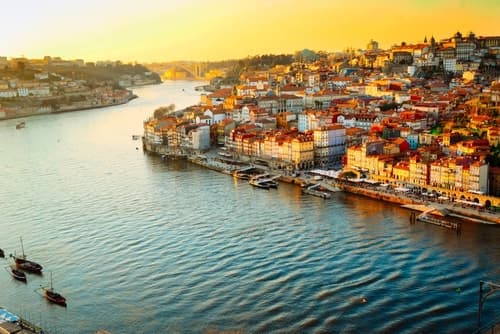
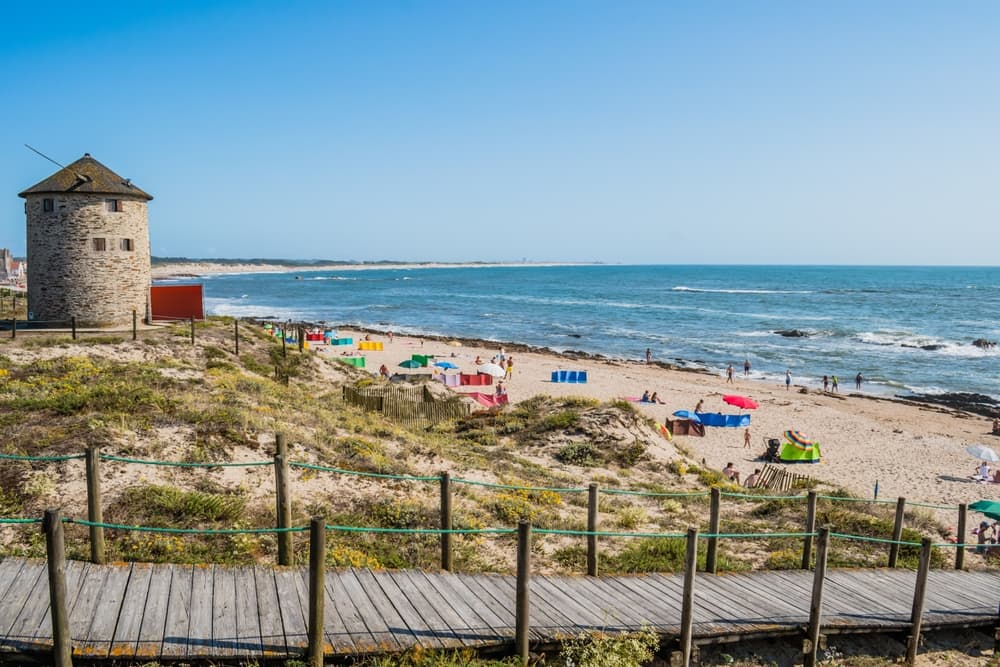
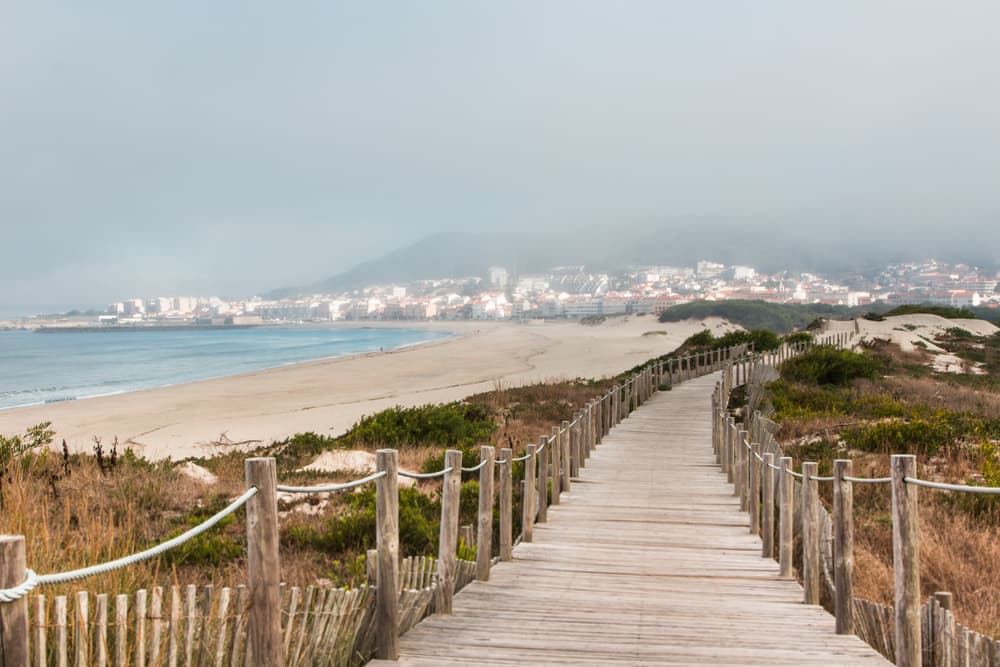
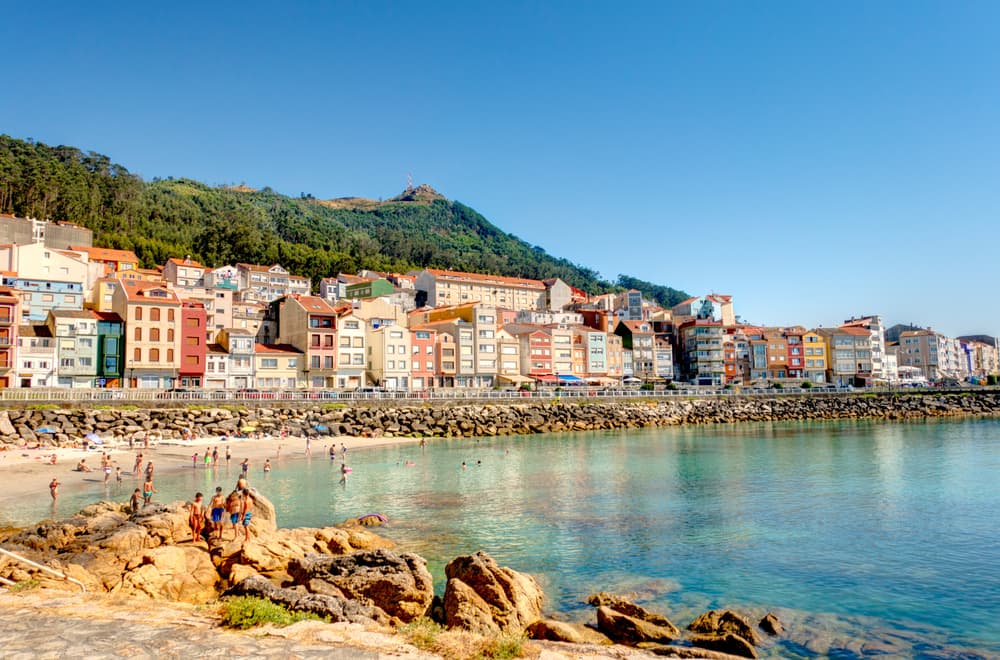
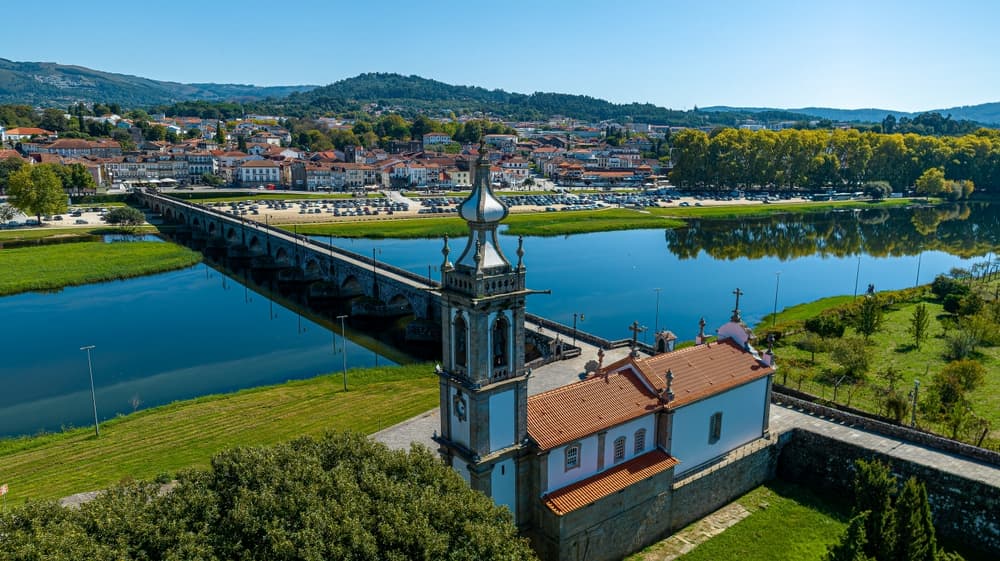
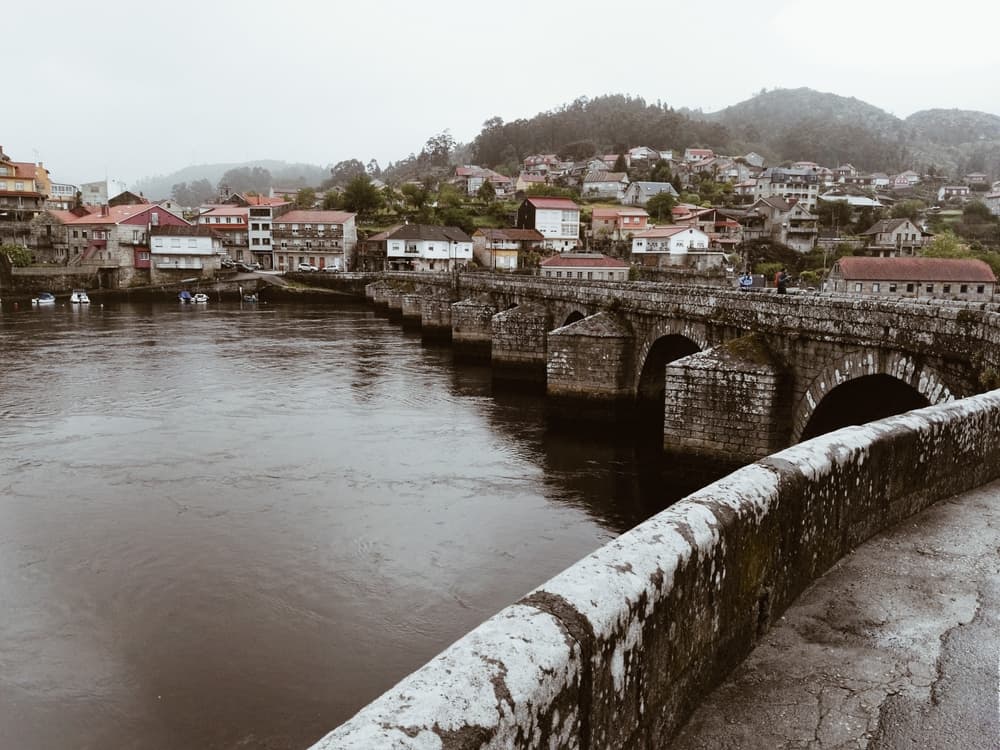
The Camino Portugués showcases Portugal's most beautiful coastal and inland landscapes. The Central Route passes through historic cities like Coimbra with its famous university, while smaller towns like Barcelos offer traditional Portuguese culture and architecture. Ancient Roman bridges span peaceful rivers, and eucalyptus forests provide aromatic walking through central Portugal. The Coastal Route offers spectacular Atlantic Ocean views, with highlights including the seaside town of Viana do Castelo and endless stretches of pristine beaches. Traditional fishing villages dot the coastline, where local seafood and hospitality create memorable experiences for hungry pilgrims. Crossing into Galicia brings dramatic landscape changes, with granite stone architecture replacing Portuguese tile work. The final approach to Santiago through rolling green hills and ancient oak forests builds anticipation for the cathedral's iconic spires appearing on the horizon.
Culture and History
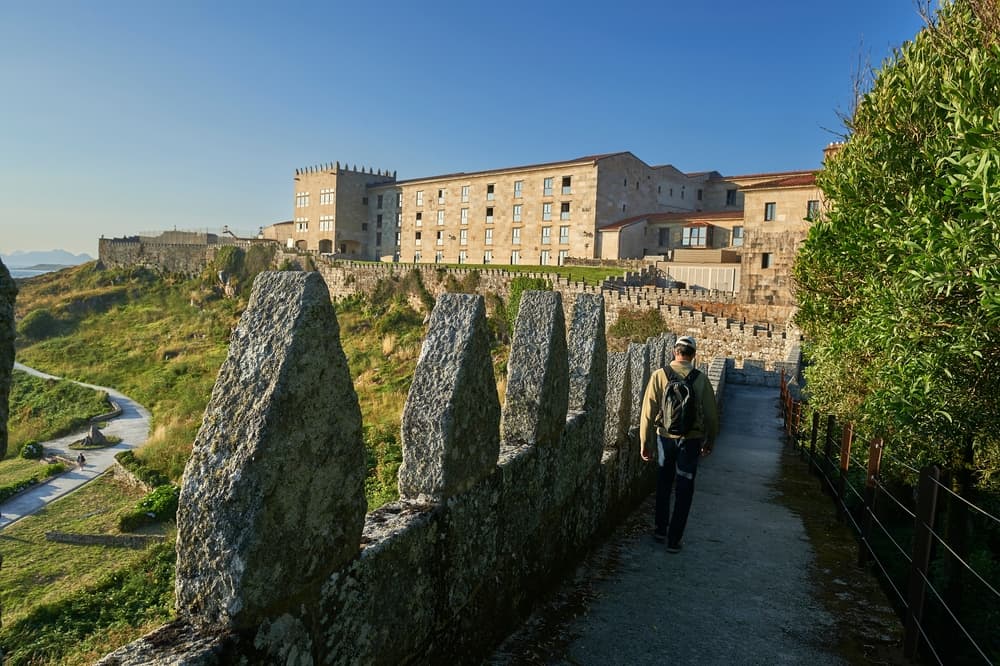
The Camino Portugués traverses regions where Portuguese and Galician cultures blend seamlessly, creating unique linguistic and culinary experiences. This route gained prominence during the 12th century when Portuguese nobility made regular pilgrimages to Santiago, establishing the infrastructure that modern pilgrims still use today. The path connects numerous UNESCO World Heritage sites, including the University of Coimbra and Santiago's Old Town. Medieval churches, monasteries, and pilgrim hospitals line the route, many still serving their original purpose after centuries of continuous use. Portuguese culture emphasizes hospitality and community, visible in the numerous cafés offering fresh pastéis de nata and strong coffee to passing pilgrims. Local festivals and markets provide authentic cultural immersion, while traditional Portuguese fado music echoes through ancient town squares during evening hours. The transition into Galicia reveals distinct Celtic influences in music, architecture, and local customs. Galician language shares similarities with Portuguese, creating linguistic continuity that enhances the cultural journey. Local gastronomy shifts from Portuguese seafood to Galician specialties like pulpo (octopus) and Albariño wine.
Equipment
Comfortable, broken-in hiking boots prove essential for the Camino Portugués, as surfaces vary from ancient cobblestones to modern asphalt and forest paths. Waterproof boots help during frequent rain showers, especially in northern sections where precipitation occurs regularly throughout the year. Navigation equipment should include the official Camino Portugués guidebook with detailed maps and elevation profiles. Smartphone apps like Camino Ninja or Wise Pilgrim provide GPS tracking and accommodation information. Physical maps serve as backup when electronic devices fail in remote forest sections. Safety equipment includes basic first aid supplies, emergency contact information, and a headlamp for early morning starts. Trekking poles help with stability on cobblestone sections and provide support during longer daily stages. Sun protection becomes critical during summer months when shade remains limited on coastal stretches.
Accommodation
The Camino Portugués relies on the extensive albergue (pilgrim hostel) system providing budget accommodation specifically for pilgrims. Public albergues are exclusively for pilgrims walking or cycling the Camino and are run by the local municipality, with an average price of 10 Euros per person per bed. Municipal albergues, which are specifically for pilgrims, can cost as little as €5 a night, offering dormitory-style accommodation with basic facilities including kitchens, washing machines, and communal areas. These hostels operate on a first-come, first-served basis requiring a pilgrim credential (passport) with official stamps. Private albergues provide enhanced comfort and services for 15-25 euros nightly, often including breakfast and better amenities. Many accept advance reservations, providing security during peak season from May through September when demand exceeds capacity. Alternative accommodation includes pensões (guesthouses), hotels, and rural tourism properties offering private rooms at higher costs. Popular stopping points like Porto, Barcelos, Ponte de Lima, and Tui provide extensive accommodation options across all price ranges.
Food and Water
Portuguese gastronomy provides excellent fueling for long walking days, with local cafés serving fresh pastries, strong coffee, and hearty meals throughout the day. The famous "menu do dia" (daily menu) offers three-course meals including soup, main course, and dessert for 8-12 euros at local restaurants. Regional specialties include fresh seafood along coastal sections, traditional caldo verde (kale soup), and francesinha sandwiches in Porto. Portuguese wine culture adds enjoyment to evening meals, with excellent local wines available at reasonable prices throughout the route. Self-catering remains possible with regular supermarkets and markets in larger towns. Portuguese bread stays fresh for multiple days, while local cheeses and cured meats create perfect picnic ingredients. Water sources include public fountains, cafés, and accommodation facilities, with tap water safe to drink throughout Portugal and Galicia.
Safety and Navigation
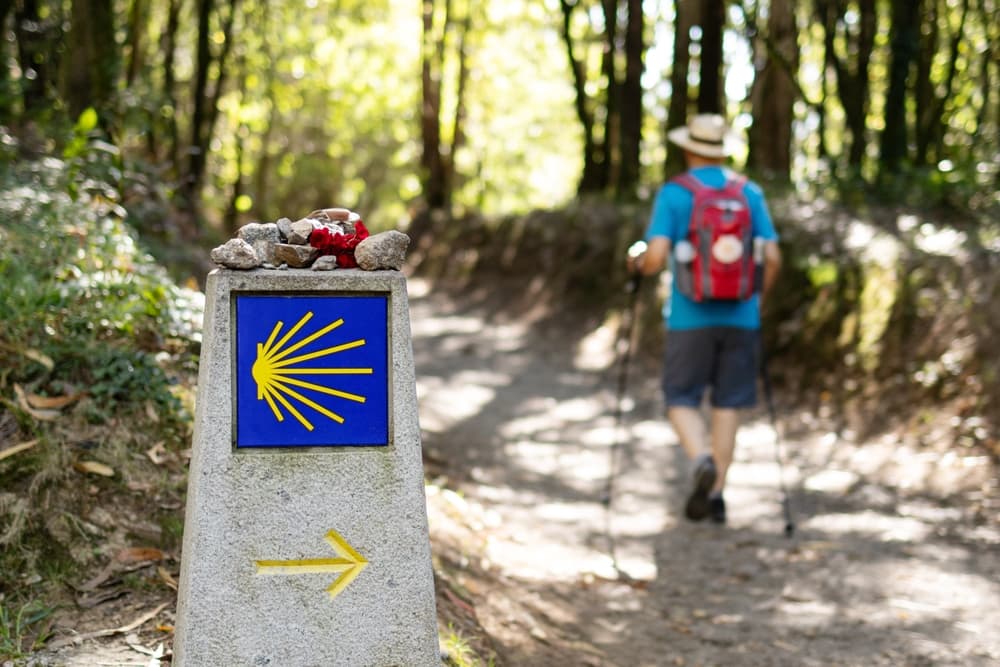
The Camino Portugués follows well-established waymarking systems with yellow arrows and scallop shell symbols guiding pilgrims throughout the route. Two main variants exist: the Central Route through inland Portugal and the Coastal Route following the Atlantic coastline before joining near Redondela. Modern signage supplements traditional waymarks, with kilometer stones marking distances to Santiago throughout Galician sections. Digital mapping applications provide GPS tracking and accommodation information, though cellular coverage remains spotty in remote forest areas, requiring offline map downloads. The Camino Portugués presents relatively low safety risks compared to mountain hiking, though standard precautions apply. Traffic poses the primary hazard, particularly on road sections through industrial areas near major cities. High-visibility clothing helps during early morning starts when visibility remains limited. Weather conditions change rapidly along coastal sections, with Atlantic storms bringing strong winds and heavy rain. Northern Portugal and Galicia experience frequent precipitation, requiring appropriate rain gear and flexible scheduling. Summer heat in central Portugal demands early starts and adequate hydration. Emergency services respond efficiently throughout Portugal and Spain, with emergency number 112 providing multilingual assistance. Medical facilities exist in all major towns, while pharmacies offer basic medical supplies and professional advice for common hiking ailments.
Permits and Fees
The Camino Portugués requires no special hiking permits or entrance fees beyond accommodation costs and transportation expenses. Pilgrims need a credential (pilgrim passport) available from pilgrim associations, churches, or starting points like Lisbon or Porto Cathedral for 2-3 euros. The credential serves multiple purposes: qualifying for albergue accommodation, documenting the pilgrimage journey, and enabling receipt of the Compostela certificate in Santiago. Official stamps must be collected at least twice daily during the final 100km to qualify for the certificate. Transportation costs include flights or trains to starting points, with excellent public transportation connecting major cities. Local buses provide transport between towns when weather or injury requires route modifications. Luggage transfer services operate along popular sections for 5-8 euros daily, allowing lighter daily walks. Budget planning should account for accommodation (8-15 euros in albergues, 30-80 euros in hotels), meals (15-25 euros daily), transportation, and miscellaneous expenses. Total costs typically range from 25-40 euros daily for budget pilgrims to 60-100 euros for those preferring enhanced comfort and private accommodation.
Camino Portugués: common questions
How long is Camino Portugués?
Camino Portugués covers 643 km in total.
How long does Camino Portugués take to complete?
Most people complete Camino Portugués in about 1-2 months.
When is the best time to do Camino Portugués?
The best season for Camino Portugués is Summer, Spring, Fall.
How many checkpoints does Camino Portugués have?
Camino Portugués has 31 checkpoints to log on the way to finishing it.
Plan your journey.
Keep this journey for later, or share it with someone you would like to go with.